by Ria Olivier | Aug 11, 2025 | International Days, Marine Protected Area, Microbiology, Research, SANAP, Science, Southern Ocean
 Every year on 11 August, World Krill Day draws global attention to the small but mighty Antarctic krill (Euphausia superba)—a cornerstone of the Southern Ocean ecosystem. For decades, the South African National Antarctic Programme (SANAP) has played a role in advancing krill research, from early expeditions that mapped their distribution and seasonal abundance, to long-term monitoring of how environmental change impacts their population dynamics. Historical studies conducted on board research vessels such as the SA Agulhas have built a foundation of knowledge on krill biology, diet, and role in supporting predators like penguins, seals, and whales. These efforts have helped inform sustainable fishing guidelines and contributed to international collaborations through the Commission for the Conservation of Antarctic Marine Living Resources (CCAMLR).
Today, SANAP’s scientists continue to track krill populations using modern acoustic survey techniques, satellite-linked oceanographic data, and advanced modelling to understand how sea ice shifts and warming waters may affect their future. Current projects explore krill’s role in the carbon cycle and their resilience to environmental stress, while future research aims to integrate genetic studies to assess population connectivity across the Southern Ocean. By combining historical data with cutting-edge science, SANAP is helping to safeguard this keystone species—and, in turn, the health of the entire Antarctic ecosystem.
On this World Krill Day, we celebrate not just the species itself, but the decades of South African research dedicated to understanding and protecting it.
Documents and references available on ALSA Repository
by Ria Olivier | Aug 9, 2025 | Antarctica, Gough Island, Humanities, International Days, Legacy, Marion Island, SANAE, Southern Ocean, Women in Science
Celebrating the Women of SANAP this Women’s Month
Ukubhiyozela Amabhinqa SANAP kule Nyanga Yabafazi
Sibungaza Abesifazane SANAP Kule Nyanga Yabesifazane
Ho Keteka Basali SANAP Kgweding ya Basadi
Ons Vier die Vroue van SANAP in Vrouemaand
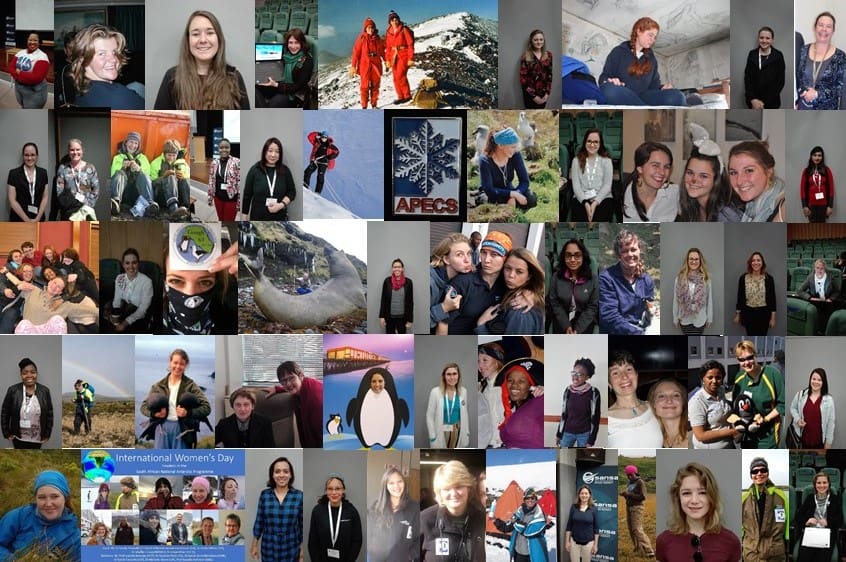
Each year on the 9th of August, South Africans of all backgrounds, races and cultural groups join together in celebrating National Women’s Day. This significant day, and the month of August as a whole, offers us the opportunity to honour the remarkable women who continue to shape the South African National Antarctic Programme (SANAP). From overwintering team members braving the extremes of Antarctica, Marion and Gough Islands, to the researchers expanding our understanding of climate, ocean, and biodiversity systems — their contributions are integral to SANAP’s mission.
We also pay tribute to the women behind the scenes: administrators, logistics coordinators, construction workers, and technical staff who ensure the success of every expedition and the operation of our remote bases. These women embody resilience, leadership, and innovation in one of the world’s most challenging environments.
As we celebrate Women’s Month, SANAP proudly acknowledges and thanks all women — past and present — whose dedication and excellence drive our programme forward.
by Ria Olivier | Aug 5, 2025 | Jobs, Marion Island, Ornithology, Overwintering Team, Uncategorised
Now Recruiting: Field Birder Assistants for Marion Island 2026–2027!
Do you dream of working with seabirds in one of the most remote and ecologically important locations on Earth? The South African National Antarctic Programme (SANAP) is calling for two passionate and resilient individuals to join a pioneering research expedition to Marion Island as Field Birder Assistants for the 2026–2027 overwintering team.
ADVERTISEMENT
Successful candidates will spend over a year (April 2026 – May 2027) stationed on Marion Island, a sub-Antarctic territory and vital breeding ground for seabirds and marine mammals. This unique opportunity offers a once-in-a-lifetime chance to contribute to long-term conservation efforts and seabird monitoring in a truly wild and isolated environment.
CLOSING DATE 25 AUGUST 2025
As a Field Birder Assistant, your role will include:
-
Conducting biological research, fieldwork, and monitoring activities in line with detailed work plans developed by the project managers.
-
Making independent decisions in the field regarding work priorities and protocols, often in challenging and unpredictable conditions.
-
Handling seabirds, including both adults and chicks, with empathy, care, and attention to minimizing stress or harm to the animals.
-
Maintaining accurate records and databases, ensuring all data is well-organized and up to date.
-
Reporting regularly to project managers and providing progress updates on fieldwork and research activities.
by Ria Olivier | Jul 31, 2025 | International Days, Marine Protected Area, Marion Island, Prince Edward Island, SANAP
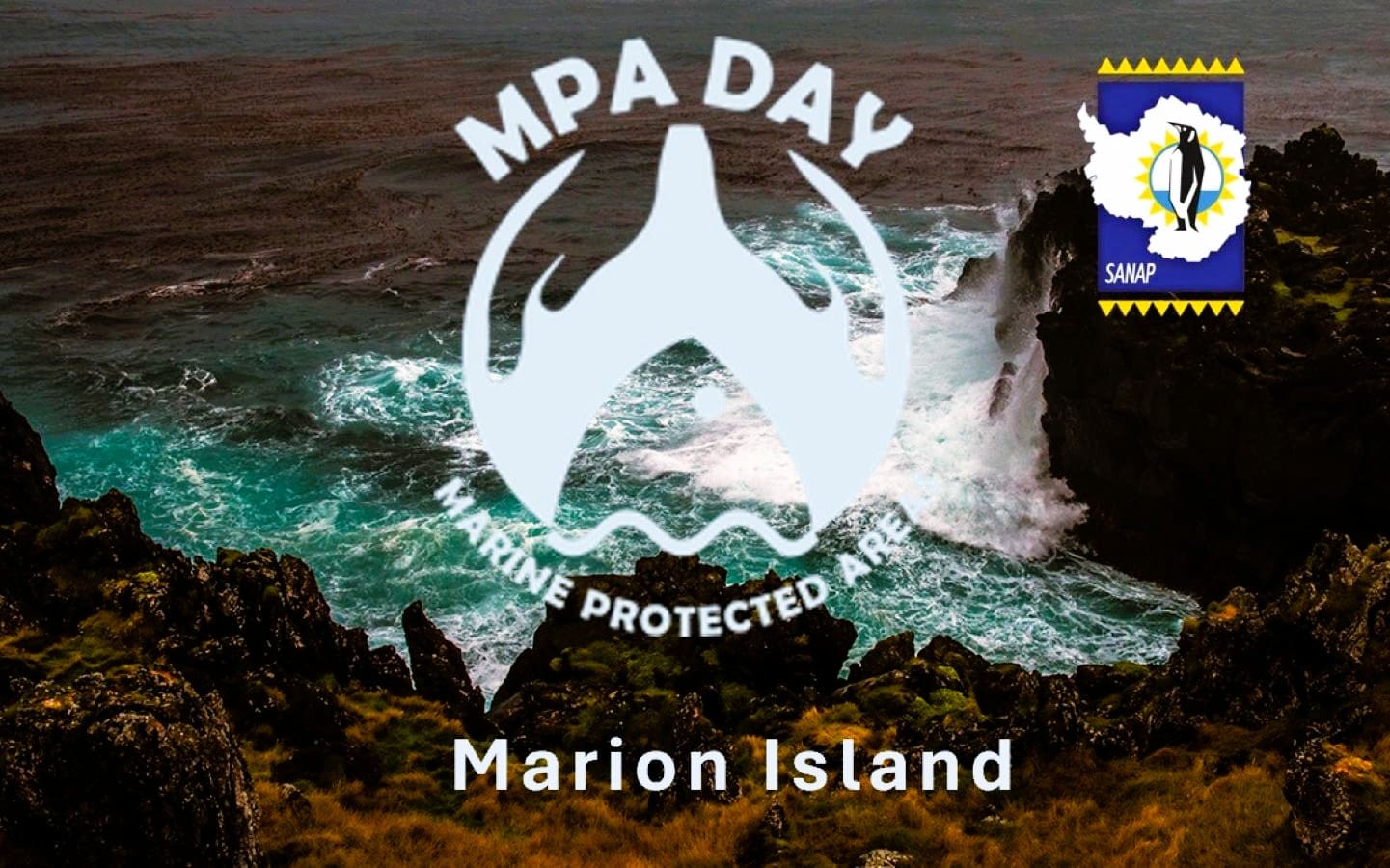
Today, on Marine Protected Areas (MPA) Day, we join a growing global community in celebrating the ocean’s incredible biodiversity and the sanctuaries that safeguard it. This year’s theme, “Ocean Protection Needs Human Connection”, is a powerful reminder that the health of our oceans is inseparably linked to the actions and commitment of people.
MPA Day, shines a spotlight on the importance of Marine Protected Areas in ocean conservation, sustainable development, and the well-being of communities across the globe. The date—1 August—honours the momentous 2019 declaration of 20 new or expanded MPAs in South Africa. Since then, MPA Day has grown into a United Nations Ocean Decade-endorsed international movement.
The Prince Edward Islands MPA: South Africa’s Sub-Antarctic Treasure: In the remote reaches of the Southern Ocean lies one of South Africa’s most unique and ecologically valuable MPAs—the Prince Edward Islands Marine Protected Area, comprising the volcanic Marion Island and the smaller Prince Edward Island. Together, they represent South Africa’s only sub-Antarctic territory, rich in biodiversity and scientific significance. Declared in 2013, this MPA protects 30% of South Africa’s Southern Ocean territory, encompassing 80% of its marine ecosystem diversity. These waters are a haven for marine life—from krill and Patagonian toothfish to charismatic top predators like seals, seabirds, and killer whales.
Marion Island is more than just a rugged sub-Antarctic outpost—it is a living laboratory and sanctuary:
- Home to 40% of the world’s wandering albatrosses
- Teeming with millions of penguins, albatrosses, petrels, and seals
- Hosts unique benthic (seafloor) ecosystems found nowhere else in South Africa
- Provides essential feeding grounds for top predators
- A permanent weather station contributes vital data for monitoring climate change in the Southern Ocean
While the marine protections are robust, terrestrial threats persist. Invasive house mice, introduced in the 1800s, have devastated native invertebrates and seabird populations. The Mouse-Free Marion Project, aims to eradicate these invaders and restore the island’s fragile ecosystem. This year’s theme “Ocean Protection Needs Human Connection”—resonates deeply with the work being done at Marion Island. Scientists, conservationists, and policymakers must collaborate to protect this unique MPA. But the connection goes even deeper: through awareness, education, and support, every person has a role to play in safeguarding the ocean.
On MPA Day, we not only celebrate these protected places
we commit ourselves to ensuring they thrive for generations to come.
Feature photo credit Ben van der Walt – Antarctic Legacy of South Africa repository
by Ria Olivier | Jul 28, 2025 | Antarctica, Environment, International Days
“Protect Nature, Preserve Life!” | “Act now to save tomorrow!” | “Conserve nature, conserve life.”
Every year on July 28, the world observes World Nature Conservation Day to highlight the critical importance of protecting our natural environment. The 2025 theme calls for urgent action to protect biodiversity, restore degraded ecosystems, and promote global cooperation for a sustainable future. This year, we are reminded that responsible resource use and collective action are not just choices—they are necessities.
The South African National Antarctic Programme (SANAP) stands at the forefront of conservation and climate science in one of the most extreme environments on the planet—Antarctica, sub-Antarctica and the Southern Ocean. In line with its mission to understand, develop and conserve, SANAP plays a vital role in safeguarding this unique and fragile region. Antarctica, often referred to as a “living laboratory,” is the coldest, windiest, and driest place on Earth. Yet, it holds clues to the past and future of our global climate. The research conducted through SANAP is crucial—not just for understanding regional ecosystems—but for decoding the signals of global environmental change.
Why Antarctic Conservation Matters: Despite its remoteness, Antarctica is not isolated from human impacts. Climate change, plastic pollution, resource exploration, and increased human activity threaten the pristine ecosystems of the continent and its surrounding ocean. SANAP recognizes the global and national significance of preserving the Antarctic environment and is committed to protecting both marine and terrestrial ecosystems. Through rigorous scientific research, SANAP contributes to global environmental policy, supports ecosystem integrity, and promotes the sustainable management of natural resources.
This year’s World Environment Day message—#BeatPlasticPollution— echoes SANAP’s continued vigilance against pollution and environmental degradation. Even the most remote parts of the world, like Antarctica, are not immune to the far-reaching effects of plastic waste and environmental harm.
SANAP’s conservation efforts are not isolated. They form part of a larger, coordinated global response. The challenges of biodiversity loss and ecosystem degradation are too large for any one nation to tackle alone. We must act collectively, across disciplines, borders, and generations. By participating in SANAP’s mission, scientists, policymakers, and citizens alike help preserve Earth’s final frontiers. Our actions today shape the world tomorrow. The work done in the Antarctic does not stay in the Antarctic—it reverberates throughout our shared global environment.
Join Us in the Conservation Movement: On this World Nature Conservation Day, SANAP invites you to reflect on our shared responsibility to protect nature and preserve life. Whether through supporting research, advocating for sustainable policies, or making environmentally conscious choices in our daily lives, each of us plays a role in safeguarding the planet.
Let us act now—for the ecosystems that cannot speak, for the generations still to come, and for the only home we have.
Image : Tom McSherry


 Each year on the 9th of August, South Africans of all backgrounds, races and cultural groups join together in celebrating
  We also pay tribute to the women behind the scenes: administrators, logistics coordinators, construction workers, and technical staff who ensure the success of every expedition and the operation of our remote bases. These women embody resilience, leadership, and innovation in one of the world’s most challenging environments.

 MPA Day, shines a spotlight on the importance of Marine Protected Areas in ocean conservation, sustainable development, and the well-being of communities across the globe. The date—1 August—honours the momentous 2019 declaration of 20 new or expanded MPAs in South Africa. Since then, MPA Day has grown into a United Nations Ocean Decade-endorsed international movement.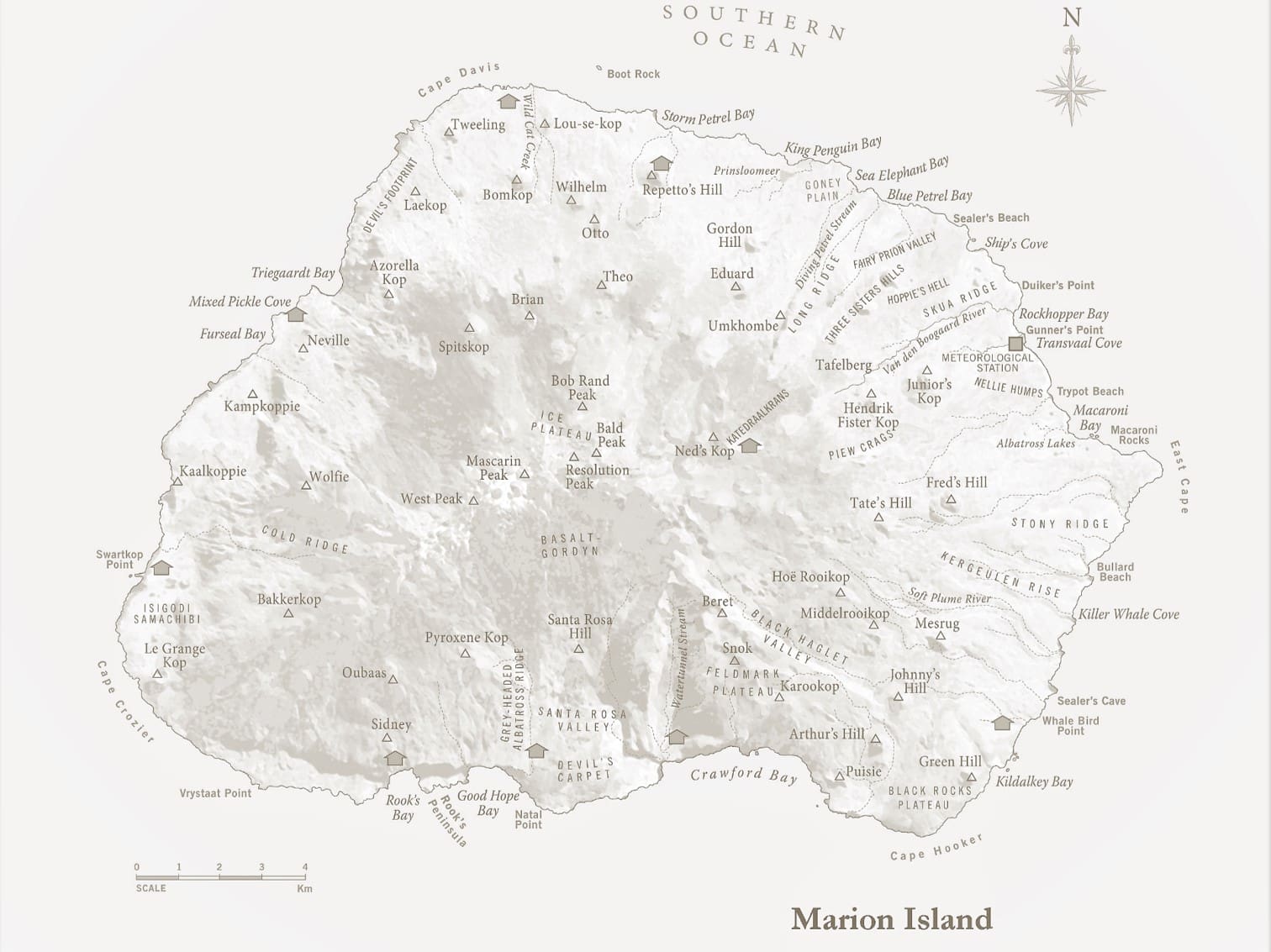
 The Prince Edward Islands MPA: South Africa’s Sub-Antarctic Treasure: In the remote reaches of the Southern Ocean lies one of South Africa’s most unique and ecologically valuable MPAs—the Prince Edward Islands Marine Protected Area, comprising the volcanic Marion Island and the smaller Prince Edward Island. Together, they represent South Africa’s only sub-Antarctic territory, rich in biodiversity and scientific significance. Declared in 2013, this MPA protects 30% of South Africa’s Southern Ocean territory, encompassing 80% of its marine ecosystem diversity. These waters are a haven for marine life—from krill and Patagonian toothfish to charismatic top predators like seals, seabirds, and killer whales.
 The South African National Antarctic Programme (SANAP) stands at the forefront of conservation and climate science in one of the most extreme environments on the planet—Antarctica, sub-Antarctica and the Southern Ocean. In line with its mission to understand, develop and conserve, SANAP plays a vital role in safeguarding this unique and fragile region. Antarctica, often referred to as a “living laboratory,” is the coldest, windiest, and driest place on Earth. Yet, it holds clues to the past and future of our global climate. The research conducted through SANAP is crucial—not just for understanding regional ecosystems—but for decoding the signals of global environmental change.
  Why Antarctic Conservation Matters: Despite its remoteness, Antarctica is not isolated from human impacts. Climate change, plastic pollution, resource exploration, and increased human activity threaten the pristine ecosystems of the continent and its surrounding ocean. SANAP recognizes the global and national significance of preserving the Antarctic environment and is committed to protecting both marine and terrestrial ecosystems. Through rigorous scientific research, SANAP contributes to global environmental policy, supports ecosystem integrity, and promotes the sustainable management of natural resources.