by Ria Olivier | May 8, 2026 | Commemorative Days
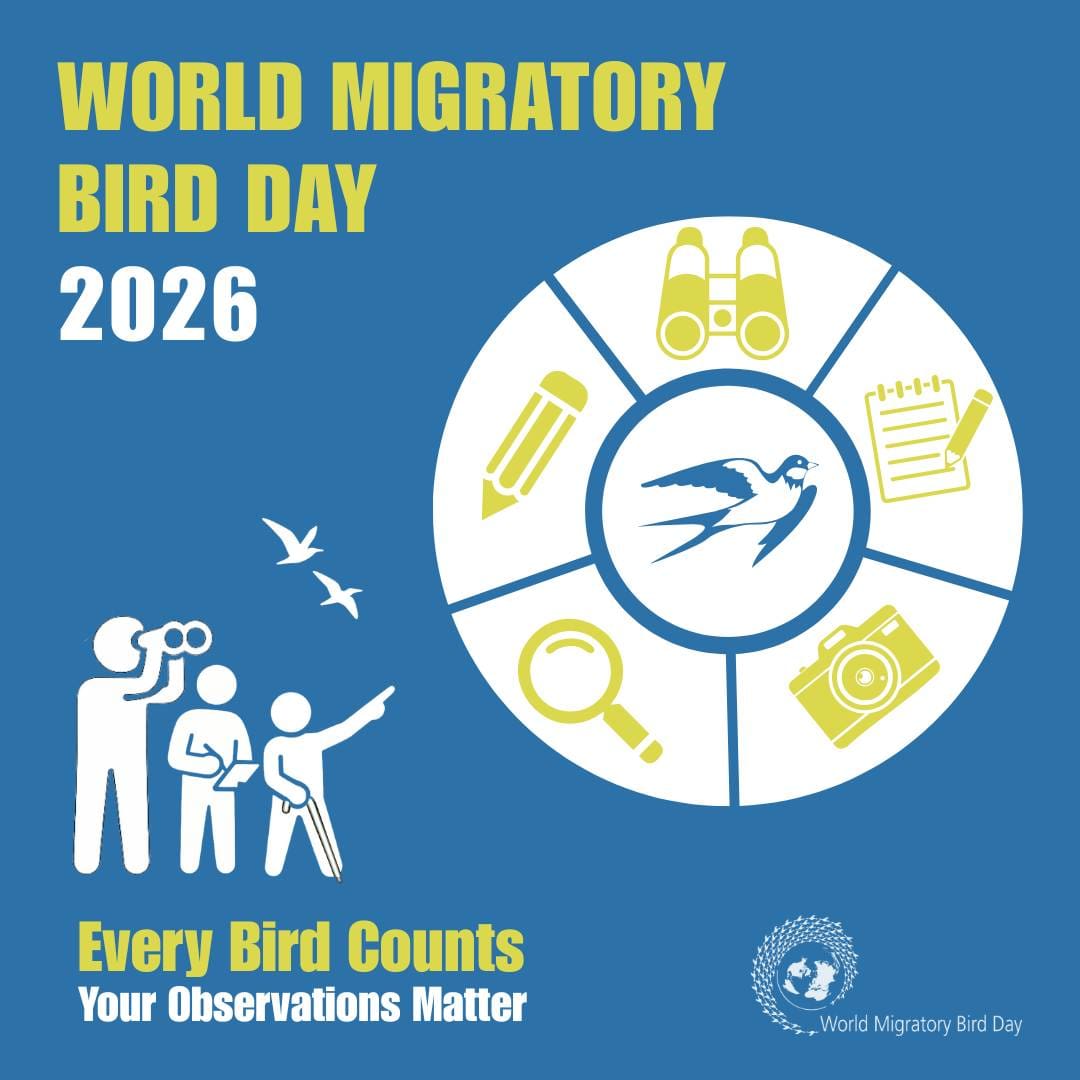
On 9 May 2026, the world once again celebrates World Migratory Bird Day (WMBD), a global campaign dedicated to raising awareness about migratory birds and the importance of international cooperation in conserving them. A second global celebration will take place on 10 October 2026.
The 2026 theme, “Every Bird Counts – Your Observations Matter,” highlights the critical role that people can play in helping scientists better understand migratory birds through observations, photography, monitoring, and citizen science. For South Africa and the South African National Antarctic Programme (SANAP), this theme resonates strongly. The sub-Antarctic Prince Edward Islands, including Marion Island, are globally significant sanctuaries for migratory seabirds that travel vast distances across the Southern Ocean and beyond. Every photograph, observation, and research record contributes to the growing body of knowledge that helps protect these remarkable species.
Marion Island situated in the Southern Ocean, Marion Island hosts globally populations of migratory seabirds. Species such as the Wandering Albatross, Grey-Headed Albatross, Sooty Albatross, and many more rely on the island for breeding and feeding. Many of these birds undertake journeys across oceans and continents. The island’s landscape and surrounding marine ecosystem make it one of the world’s most natural laboratories for seabird research and conservation. For decades, SANAP has supported internationally recognised research focused on seabirds, marine ecosystems, climate change, and conservation biology on Marion Island and Gough Island. A major contributor to this work is the world-renowned FitzPatrick Institute of African Ornithology at the University of Cape Town. Researchers from the FitzPatrick Institute, together with scientists from several South African and international institutions, have played a leading role in advancing understanding of seabird ecology, migration, breeding success, foraging behaviour, and population trends. This research contributes not only to South African conservation efforts but also to global scientific understanding of migratory species and Southern Ocean ecosystems.
Every Observation Matters – The theme for World Migratory Bird Day 2026 reminds us that meaningful conservation is built on observations made over time. At SANAP stations, researchers, overwintering teams, voyage personnel, and field assistants regularly document bird life through their photographs. One particularly example is a timelapse video recorded by Otto Whitehead during a Marion Island takeover voyage in March 2023. Every image, every sighting, and every observation helps strengthen our collective understanding of migratory birds and the ecosystems on which they depend.
Protecting Birds Through the Marion Mouse-Free Project – Conservation on Marion Island also includes addressing one of the greatest threats facing seabirds on the island: invasive house mice. Over many decades, mice introduced accidentally to Marion Island have had devastating impacts on seabird populations. In response, the Marion Mouse-Free Project was launched as a restoration initiatives and the project aims to eradicate invasive mice from Marion Island and restore the island’s ecological balance. The initiative represents a powerful collaboration involving conservationists, scientists, SANAP partners, donors, and volunteers working together to secure the future of Marion Island’s seabirds.
As we celebrate World Migratory Bird Day 2026, SANAP encourages everyone — researchers, voyage participants, photographers, citizen scientists, and bird enthusiasts — to continue observing, documenting, and sharing the natural wonders of migratory birds.
Because every bird counts.
And every observation matters.
Images: John Dickens – Stefan Schoombie – Jeanne Nel – Greg Hofmeyr – Bruce Dyer
by Ria Olivier | Mar 23, 2026 | Antarctica, Commemorative Days, Gough Island, Marion Island, Meteorology
Each year on 23 March, World Meteorological Day marks the establishment of the World Meteorological Organization in 1950 and celebrates the vital role of meteorology in safeguarding lives and livelihoods. For South Africa, this global effort is strengthened by the work of dedicated meteorologists stationed in some of the most remote environments on Earth—SANAE IV, Marion Island and Gough Island. From these isolated bases, scientists continuously monitor atmospheric conditions, contributing critical data that feeds into both national forecasting systems and global climate models.
At SANAE IV in Antarctica, meteorologists record weather patterns that influence global circulation systems. Meanwhile, at Marion Island and Gough Island, teams track rapidly changing weather in the Southern Ocean and South Atlantic—regions known for their powerful storms and complex climate interactions. Their observations help improve the accuracy of forecasts, support maritime and aviation safety, and deepen our understanding of climate variability. This work ensures that South Africans remain informed and prepared, even when the weather systems affecting them originate thousands of kilometres away.
Beyond daily forecasts, the long-term datasets collected at these stations are essential for detecting climate trends and understanding future risks. By maintaining a continuous presence in these key locations, SANAP contributes to a global network of meteorological observation that underpins climate science and resilience planning. On World Meteorological Day 2026, we recognise the commitment of these teams who, far from home, play a crucial role in keeping South Africa—and the world—connected to the ever-changing atmosphere.
by Ria Olivier | Jun 1, 2025 | Antarctica, Commemorative Days, Current Event, Ecology, Environment, Gough Island, Marion Island
June is Environment Month under the theme “Think, Eat, Save and reduce your foodprint”
June marks National Environment Month in South Africa — a time for reflection, awareness, and action toward safeguarding our natural world. Spearheaded by the Department of Forestry, Fisheries and the Environment (DFFE), this month-long observance highlights the importance of environmental stewardship and calls on all citizens to contribute to a more sustainable future. Central to these celebrations are two globally recognised days: World Environment Day on June 5th and World Oceans Day on June 8th, both of which resonate strongly with the mission and work of the South African National Antarctic Programme (SANAP).
As South Africa’s gateway to the Southern Ocean and Antarctica, SANAP plays a vital role in environmental research and conservation in some of the planet’s most fragile and remote ecosystems — including Antarctica, Marion Island, and Gough Island. During Environment Month, SANAP takes pride in celebrating the unique natural heritage of these sub-Antarctic and Antarctic regions, where pristine ecosystems offer critical insight into global environmental changes.
Marion Island, in particular, stands out as a hub of scientific activity. Home to one of SANAP’s permanent research stations, the island has been central to decades of biological and environmental studies. Its long-term monitoring programmes have produced a wealth of scientific papers and post-graduate research, offering rare and invaluable data on biodiversity, ecosystem dynamics, and the far-reaching impacts of climate change. These efforts are not only advancing global understanding of environmental shifts but also reinforcing South Africa’s commitment to science-based conservation.
This Environment Month, as we reflect on our role in protecting the planet, we honour the scientists, support and teams of SANAP who dedicate their work to safeguarding the southernmost reaches of our world. Their ongoing research ensures that we remain informed and equipped to make decisions that protect our environment — for generations to come.
by Ria Olivier | May 22, 2025 | Antarctica, Biosecurity, Commemorative Days, Gough Island, International Days, Invasion Biology, Marion Island, Prince Edward Islands
The United Nations has designated May 22 as the International Day for Biological Diversity (IDB), a day to reflect on the vital role biodiversity plays in sustaining life on Earth. The 2025 theme, “Harmony with Nature and Sustainable Development,” underscores the importance of conserving biodiversity to ensure a sustainable future for both people and the planet. It is a timely reminder that a thriving natural world is the foundation of human well-being and a cornerstone for achieving the Sustainable Development Goals.
In South Africa, this day holds special meaning for the South African National Antarctic Programme (SANAP). Operating across three key research stations — Antarctica, Marion Island (part of the Prince Edward Islands), and Gough Island — SANAP plays a crucial role in understanding and preserving the unique biodiversity of the sub-Antarctic and Antarctic regions. These remote and fragile ecosystems are home to countless species, many of which are found nowhere else on Earth.
For decades, SANAP-supported scientists have been at the forefront of biodiversity research in these regions. Their work includes long-term monitoring of bird and marine mammal populations, studies on invasive species, climate change impacts, and ecosystem dynamics. Through rigorous field research and environmental stewardship, SANAP contributes to global knowledge and conservation efforts, ensuring these pristine environments continue to thrive for generations to come.
On this International Day for Biological Diversity, SANAP reaffirms its commitment to protecting the biodiversity of the Southern Ocean and its islands — not only for their intrinsic value but also for the essential role they play in the global ecosystem.
by Ria Olivier | May 16, 2025 | Commemorative Days
An Ocean of Opportunities for Women – Celebrating Women in Maritime National Day 2025
As we mark Women in Maritime National Day 2025, we celebrate the increasing presence, leadership, and impact of women in South Africa’s polar and ocean research landscape—especially aboard the SA Agulhas II, our country’s premier polar research and supply vessel.
Women have become an integral part of the multidisciplinary teams that sail on the S.A. Agulhas II. From crew ensuring the ship’s safe and efficient operation, to researchers and postgraduate students driving innovation in engineering—our polar vessel is a vibrant space of opportunity for women in STEM and maritime careers.
These women are not only contributing to high-impact research, but they are also contributing shaping the future of polar and marine sciences. Their presence aboard the SA Agulhas II—whether deploying oceanographic instruments in the Southern Ocean or doing research on engineering of the S.A. Agulhas II —demonstrates a shared commitment to sustainable science and exploration.
As the Antarctic Legacy of South Africa, we honour these women and continue to document and celebrate their journeys as much as possible. They are charting new waters and opening doors for the next generation of women in science and maritime fields—truly navigating an ocean of opportunities.
by Ria Olivier | Aug 9, 2024 | Antarctica, APECSSA, Commemorative Days, Gough Island, Legacy, Marion Island, Overwintering Team, Research, SANAE IV, SANAP
Theme of the National Women’s Day Commemoration:
“Celebrating 30 Years of Freedom Towards Women’s Development”
In the SANAP community we are celebrating all those involved as Researchers, Scientists, and Students at tertiary and research institutions and infrastructures, and personnel within the National Research Foundation, the Department of Forestry, Fisheries and the Environment, the Department of Public works and Infrastructure, the South African Weather Services, the South African National Space Agency, the South African Polar Research Infrastructure and all the women serving as part of the crew of the S.A. Agulhas II.
Celebrating our women overwintering team members at our stations: Antarctica (SANAEIV), Marion Island and Gough Island.
2024 women’s day commemoration is a reminder of the important contributions that are made by women to society, as well as a time to reflect on the advances in women’s rights. During 30 years of democracy, South Africa has made significant strides in advancing gender equality in all domains of society, including economic empowerment of women.
Women’s Day 2024 is the first national day led by the Government of National Unity (GNU) and takes place in a rural community as part of including all South Africans in national events, and placing a focus on the achievements and needs of women in all corners of the country. President Cyril Ramaphosa is expected to officiate the national Women’s Day commemoration in Pofadder in the Namakwa District, Northern Cape. – SAnews.gov.za

 On 9 May 2026, the world once again celebrates World Migratory Bird Day (WMBD), a global campaign dedicated to raising awareness about migratory birds and the importance of international cooperation in conserving them. A second global celebration will take place on 10 October 2026.
 Marion Island situated in the Southern Ocean, Marion Island hosts globally populations of migratory seabirds. Species such as the Wandering Albatross, Grey-Headed Albatross, Sooty Albatross, and many more rely on the island for breeding and feeding. Many of these birds undertake journeys across oceans and continents. The island’s landscape and surrounding marine ecosystem make it one of the world’s most natural laboratories for seabird research and conservation. For decades, SANAP has supported internationally recognised research focused on seabirds, marine ecosystems, climate change, and conservation biology on Marion Island and Gough Island. A major contributor to this work is the world-renowned FitzPatrick Institute of African Ornithology at the University of Cape Town. Researchers from the FitzPatrick Institute, together with scientists from several South African and international institutions, have played a leading role in advancing understanding of seabird ecology, migration, breeding success, foraging behaviour, and population trends. This research contributes not only to South African conservation efforts but also to global scientific understanding of migratory species and Southern Ocean ecosystems.
 Every Observation Matters – The theme for World Migratory Bird Day 2026 reminds us that meaningful conservation is built on observations made over time. At SANAP stations, researchers, overwintering teams, voyage personnel, and field assistants regularly document bird life through their photographs. One particularly example is a timelapse video recorded by Otto Whitehead during a Marion Island takeover voyage in March 2023. Every image, every sighting, and every observation helps strengthen our collective understanding of migratory birds and the ecosystems on which they depend.
 In response, the Marion Mouse-Free Project was launched as a restoration initiatives and the project aims to eradicate invasive mice from Marion Island and restore the island’s ecological balance. The initiative represents a powerful collaboration involving conservationists, scientists, SANAP partners, donors, and volunteers working together to secure the future of Marion Island’s seabirds.

 June marks
  As South Africa’s gateway to the Southern Ocean and Antarctica, SANAP plays a vital role in environmental research and conservation in some of the planet’s most fragile and remote ecosystems — including Antarctica, Marion Island, and Gough Island. During Environment Month, SANAP takes pride in celebrating the unique natural heritage of these sub-Antarctic and Antarctic regions, where pristine ecosystems offer critical insight into global environmental changes.
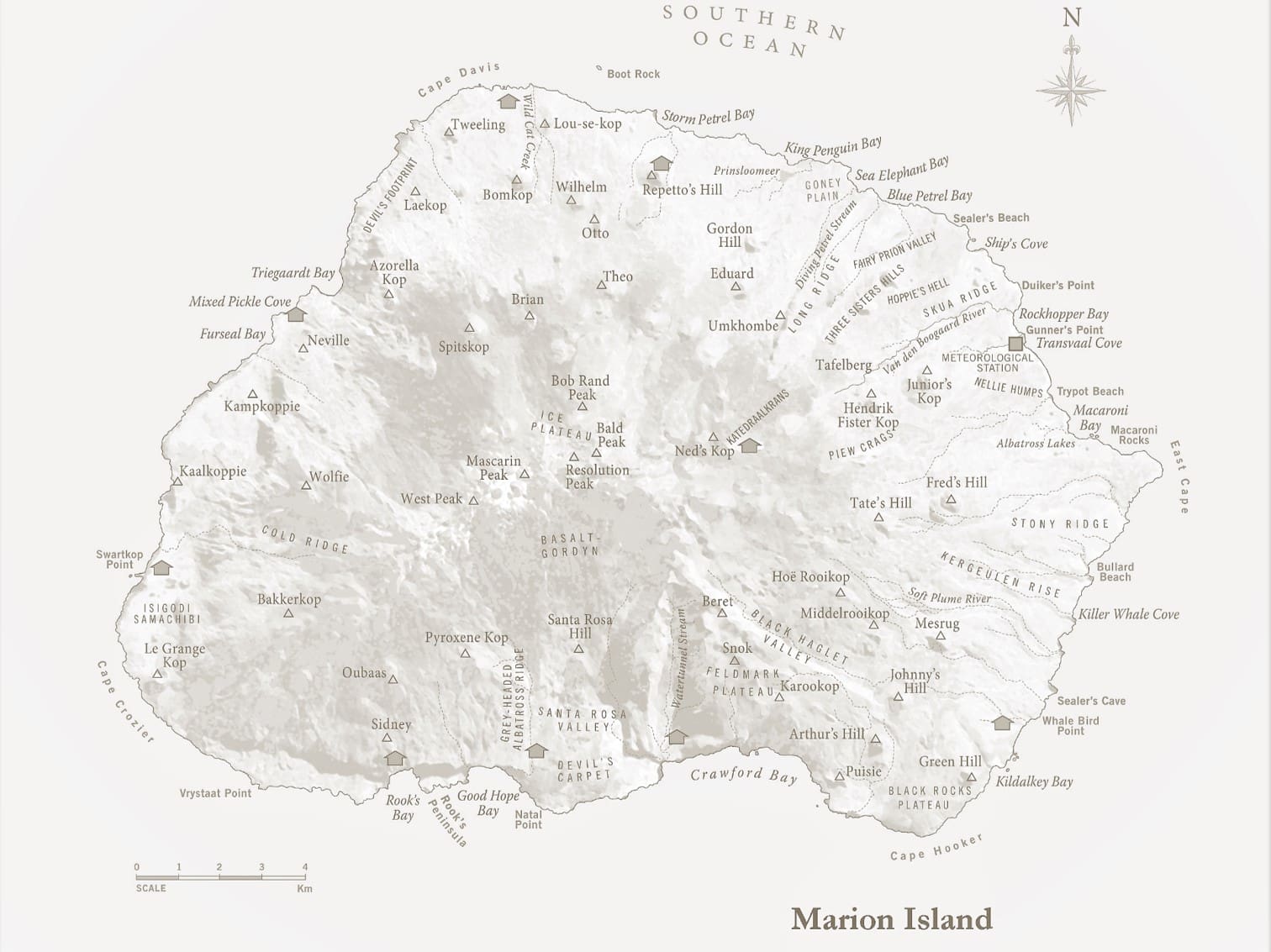 Marion Island, in particular, stands out as a hub of scientific activity. Home to one of SANAP’s permanent research stations, the island has been central to decades of biological and environmental studies. Its long-term monitoring programmes have produced a wealth of scientific papers and post-graduate research, offering rare and invaluable data on biodiversity, ecosystem dynamics, and the far-reaching impacts of climate change. These efforts are not only advancing global understanding of environmental shifts but also reinforcing South Africa’s commitment to science-based conservation.
 The United Nations has designated May 22 as the International Day for Biological Diversity (IDB), a day to reflect on the vital role biodiversity plays in sustaining life on Earth. The 2025 theme, “Harmony with Nature and Sustainable Development,” underscores the importance of conserving biodiversity to ensure a sustainable future for both people and the planet. It is a timely reminder that a thriving natural world is the foundation of human well-being and a cornerstone for achieving the Sustainable Development Goals.
 In South Africa, this day holds special meaning for the South African National Antarctic Programme (SANAP). Operating across three key research stations — Antarctica, Marion Island (part of the Prince Edward Islands), and Gough Island — SANAP plays a crucial role in understanding and preserving the unique biodiversity of the sub-Antarctic and Antarctic regions. These remote and fragile ecosystems are home to countless species, many of which are found nowhere else on Earth.
 For decades, SANAP-supported scientists have been at the forefront of biodiversity research in these regions. Their work includes long-term monitoring of bird and marine mammal populations, studies on invasive species, climate change impacts, and ecosystem dynamics. Through rigorous field research and environmental stewardship, SANAP contributes to global knowledge and conservation efforts, ensuring these pristine environments continue to thrive for generations to come.
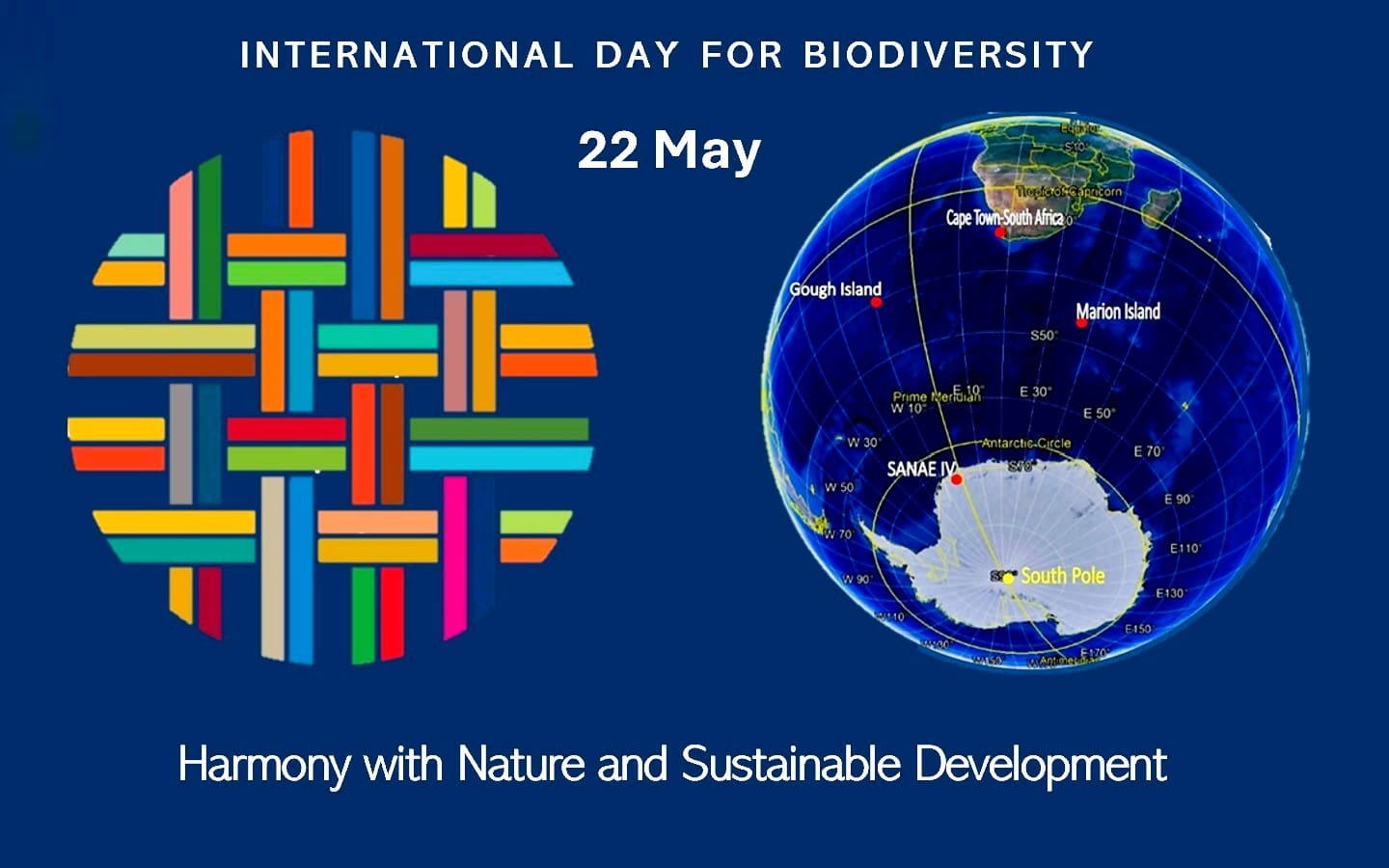 On this International Day for Biological Diversity, SANAP reaffirms its commitment to protecting the biodiversity of the Southern Ocean and its islands — not only for their intrinsic value but also for the essential role they play in the global ecosystem.

 In the SANAP community we are celebrating all those involved as Researchers, Scientists, and Students at tertiary and research institutions and infrastructures, and personnel within the National Research Foundation, the Department of Forestry, Fisheries and the Environment, the Department of Public works and Infrastructure, the South African Weather Services, the South African National Space Agency, the South African Polar Research Infrastructure and all the women serving as part of the crew of the S.A. Agulhas II.
 Celebrating our women overwintering team members at our stations: Antarctica (SANAEIV), Marion Island and Gough Island.
 2024 women’s day commemoration is a reminder of the important contributions that are made by women to society, as well as a time to reflect on the advances in women’s rights. During 30 years of democracy, South Africa has made significant strides in advancing gender equality in all domains of society, including economic empowerment of women.
 Women’s Day 2024 is the first national day led by the Government of National Unity (GNU) and takes place in a rural community as part of including all South Africans in national events, and placing a focus on the achievements and needs of women in all corners of the country. President Cyril Ramaphosa is expected to officiate the