by Ria Olivier | Dec 5, 2025 | Legacy, Research, SANAP, SANAP Student, Science
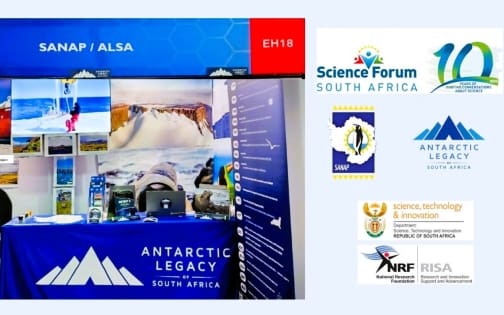
 The Science Forum South Africa (SFSA) 2025 brought together researchers, policy leaders, students, and science enthusiasts from across the globe—and once again, SANAP- ALSA proudly showcased South Africa’s vital role in Antarctic and climate-change research. This year, the Antarctic Legacy of South Africa (ALSA) exhibit drew significant attention from delegates and exhibitors eager to learn more about the scientific, cultural, and environmental contributions South Africa makes in the Antarctic region. ALSA highlighted its mission to preserve, promote, and communicate South Africa’s polar heritage, while also reflecting the essential research being conducted by institutions across the country under SANAP.
Ministerial Engagement and Public Interaction: We were honoured to welcome the Honorable Minister of Higher Education, Science and Innovation, Dr Blade Nzimande, to the ALSA exhibition. During his visit, he participated in an interview with SABC at the ALSA stall and added his fingerprint to a large map of Antarctica—a symbolic gesture celebrating South Africa’s commitment to protecting the region. The full fingerprint map, once completed by visitors during SFSA, will be delivered to the Minister.
Many attendees followed suit, placing their fingerprints on Antarctica maps to show solidarity in protecting the polar environment. This interactive activity reminded visitors of the fragility of polar ecosystems and the importance of ongoing conservation and research.
Delegates also enjoyed creating their own Antarctic animal-themed badges—an engaging way to spark conversation about biodiversity in the Southern Ocean and sub-Antarctic islands.
Showcasing SANAP Research: Among the highlights of the SANAP presence was the showcase by Prof Michelle Greve and Nicola Marnewick representing the Marion Island mouSe Ecology (MISE) Project. Their exhibit included research photographs, a project banner, and lively discussions with attendees about the ecological impacts of invasive house mice on Marion Island and ongoing efforts to understand and mitigate these effects.
Highlighting South Africa’s Contributions to Polar Science: SANAP supports a wide array of multidisciplinary research projects aimed at understanding the Antarctic, the sub-Antarctic, and the Southern Ocean. During SFSA 2025, we highlighted several active research programmes across South Africa’s leading institutions, these projects collectively demonstrate South Africa’s leadership in understanding climate change, marine ecosystems, glaciology, atmospheric science, biodiversity, and Earth systems—research essential to global climate policy and scientific preparedness.:
- SEAmester – South Africa’s Floating University
- SA Agulhas II – Flagship for Vessel (4.0) – Part II
- On-island impacts of climate change on the Southern Ocean’s iconic seabirds
- The biological carbon pump in a changing Southern Ocean
- Micronutrient and pollutant trace elements at the air-sea interface of the Southern Ocean
- Crustal evolution of Dronning Maud Land
- Marion Island mouSe Ecology (MISE)
- Ecogenomics
- SANAE HF radar
- South African Antarctic Artists and Writers Programme (AWP) Pilot
- Polar Space Weather Studies
- Interactive effects of multiple stressors and environmental change on seabird breeding performance
- Decoding the mercury cycle in the Southern Ocean: in situ observations and advanced modeling
- Landscape and Climate Interactions in the sub-Antarctic
- Marion Island Top Predator Long-Term Observations
- Southern Ocean Carbon-Heat Nexus: mixed-layer processes & feedbacks for improved climate projections
- Growth dynamics of sea ice and how they affect sea-ice mechanics
- ECOSOPHY – Emergent constraints on Southern Ocean phytoplankton physiology
- Structural Glaciological Analysis of North-Western Antarctic Ice Shelf (SANAS)
- Provenance and paleomagnetics of the rocks of the Grunehogna Craton in Western Dronning Maud Land
- Antarctic MIZ Observations: interdisciplinary approaches to resolve seasonal sea-ice variability
Acknowledgements: We extend our sincere thanks to all visitors, partners, collaborators, and supporters who stopped by the ALSA exhibit. Your interest and engagement help strengthen South Africa’s ongoing commitment to polar science. Thank you to DSTI and NRF making the exhibit possible.
SANAP remains dedicated to advancing research, supporting our scientists, and preserving our legacy in the Antarctic region.
by Ria Olivier | Aug 9, 2025 | Antarctica, Gough Island, Humanities, International Days, Legacy, Marion Island, SANAE, Southern Ocean, Women in Science
Celebrating the Women of SANAP this Women’s Month
Ukubhiyozela Amabhinqa SANAP kule Nyanga Yabafazi
Sibungaza Abesifazane SANAP Kule Nyanga Yabesifazane
Ho Keteka Basali SANAP Kgweding ya Basadi
Ons Vier die Vroue van SANAP in Vrouemaand
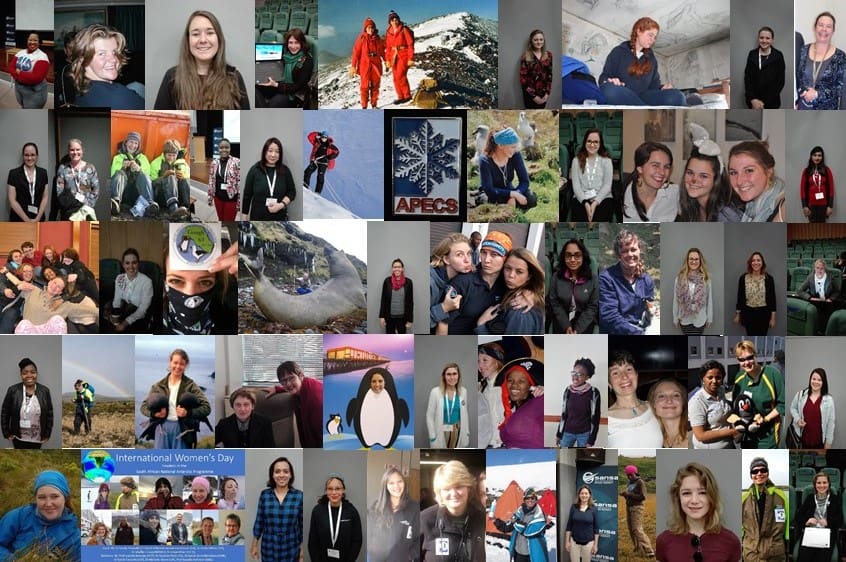
Each year on the 9th of August, South Africans of all backgrounds, races and cultural groups join together in celebrating National Women’s Day. This significant day, and the month of August as a whole, offers us the opportunity to honour the remarkable women who continue to shape the South African National Antarctic Programme (SANAP). From overwintering team members braving the extremes of Antarctica, Marion and Gough Islands, to the researchers expanding our understanding of climate, ocean, and biodiversity systems — their contributions are integral to SANAP’s mission.
We also pay tribute to the women behind the scenes: administrators, logistics coordinators, construction workers, and technical staff who ensure the success of every expedition and the operation of our remote bases. These women embody resilience, leadership, and innovation in one of the world’s most challenging environments.
As we celebrate Women’s Month, SANAP proudly acknowledges and thanks all women — past and present — whose dedication and excellence drive our programme forward.
by Ria Olivier | Jun 20, 2025 | Humanities, Legacy, Oceanography, Research, SA Agulhas II, SANAP, SEAmester, Southern Ocean
South Africa’s pioneering floating university, SEAmester – Class Afloat, is preparing for its eighth voyage aboard the S.A. Agulhas II, setting sail from Cape Town on 17 June 2025 and returning on 27 June 2025. This unique and dynamic marine science programme continues to connect theoretical classroom learning with applied research, all within the working environment of a world-class research vessel.
The voyage is led by Principal Investigator Prof Isabelle Ansorge (left) from the University of Cape Town, whose leadership has been instrumental in shaping SEAmester into one of the most impactful marine science initiatives in South Africa. The logistical and academic coordination of the voyage is managed by Tahlia Henry, whose dedication ensures a seamless blend of teaching, research, and exploration at sea.
This year’s expedition will host an impressive cohort of 47 students, 28 lecturers, and 23 scientists, creating a vibrant and multidisciplinary learning environment. Participants will engage in intensive lectures, practical ship-based experiments, and collaborative research projects across physical oceanography, marine biology, climate science, and data analysis.
Onboard the S.A. Agulhas II, students gain unparalleled exposure to real-time scientific operations—from deploying oceanographic instruments to analysing marine samples—while interacting closely with leading researchers and industry professionals. SEAmester continues to foster the next generation of marine and climate scientists, equipping them with the knowledge, skills, and networks to contribute to South Africa’s blue economy and global ocean science.
SEAmester VIII journey—where science meets the sea, and the classroom knows no bounds.
by Ria Olivier | Aug 9, 2024 | Antarctica, APECSSA, Commemorative Days, Gough Island, Legacy, Marion Island, Overwintering Team, Research, SANAE IV, SANAP
Theme of the National Women’s Day Commemoration:
“Celebrating 30 Years of Freedom Towards Women’s Development”
In the SANAP community we are celebrating all those involved as Researchers, Scientists, and Students at tertiary and research institutions and infrastructures, and personnel within the National Research Foundation, the Department of Forestry, Fisheries and the Environment, the Department of Public works and Infrastructure, the South African Weather Services, the South African National Space Agency, the South African Polar Research Infrastructure and all the women serving as part of the crew of the S.A. Agulhas II.
Celebrating our women overwintering team members at our stations: Antarctica (SANAEIV), Marion Island and Gough Island.
2024 women’s day commemoration is a reminder of the important contributions that are made by women to society, as well as a time to reflect on the advances in women’s rights. During 30 years of democracy, South Africa has made significant strides in advancing gender equality in all domains of society, including economic empowerment of women.
Women’s Day 2024 is the first national day led by the Government of National Unity (GNU) and takes place in a rural community as part of including all South Africans in national events, and placing a focus on the achievements and needs of women in all corners of the country. President Cyril Ramaphosa is expected to officiate the national Women’s Day commemoration in Pofadder in the Namakwa District, Northern Cape. – SAnews.gov.za
by Ria Olivier | Apr 22, 2024 | Antarctica, International Days, Legacy
EARTH DAY Theme 2024 – Planet v Plastics
Celebrating our remarkable planet on this extraordinary day. Earth Day is a reminder of the importance of environmental conservation and sustainability. Earth Day symbolises the need to protect our mother nature. It encourages every individual to think about environmental conservation and act accordingly. It speaks about the need to reduce carbon footprints, conserve natural resources, and protect wildlife and natural habitats.
The South African National Antarctic Programme (SANAP) objectives are to conserve develop and understand the environment and plays a crucial role in conserving the Antarctic Region. Studies done in the Antarctic are inextricably linked to our understanding of the entire Earth system and signals in Antarctica indicate past and future global changes. SANAP recognises the global and national importance of safeguarding the environment of the Antarctic and Southern Ocean and protecting the integrity of ecosystems, both marine and terrestrial, in the region. The programme takes cognisance of the presence of natural resources (both renewable and non-renewable) and the increased interest in their possible utilisation (both consumptive and non-consumptive).
SIGN THE GLOBAL PLASTIC TREATY
The Global Plastic Treaty is an opportunity for the United Nations and Governmental Organizations to prove the health of the planet and its citizens take priority over an industry threatening the health of every human on Earth. Most importantly, though, it is a chance for our world to come together as one, and truly pledge and commit themselves to restoring the planet, following the model of the successful international cooperation found in the Montreal Protocol. The Global Plastics Treaty has the potential to end plastic pollution, protect human health, and lead to a waste-free world. We cannot allow our governments to waste this pivotal opportunity.
by Ria Olivier | Feb 29, 2024 | Antarctica, Legacy, Research, SANAP, SANAP Student
The only session on human enterprise within the Marine and Antarctic Research Strategy research themes was chaired by Charne Lavery. These presentations include humanities within the South African National Antarctic Programme. Four higher education institutions; University of Pretoria, University of Cape Town, Stellenbosch University and University of the Free State, were involved and the presentations were of a wide variety.
Above (l-r): Jean Brundrit, Adrienne van Eeden-Wharton, Marike Stander, Ria Olivier
- Prof J Brundrit Over the Horizon: An art project in Antarctica. (Abstract)
- Dr A van Eeden-Wharton: Render | Remnant: Tracing the entangled histories of African and Antarctic whaling. (Abstract)
- Dr C Lavery: Orienting South: Looking to Antarctica and the Southern Ocean in South African literature. (Abstract)
- M Olivier: Humanities can build bridges between researchers in different fields in Antarctic research. (Abstract). Poster.
- DR M Stander et al.: Proposed project: Digitisation and preservation of Marion Island’s hut books. (Abstract). E-Poster
Jean Brundrit : “Over the Horison” was displayed with other publications by the Antarctic Legacy of South Africa.
Charne added fiction titles to everyone’s reading lists.
Alistair Mackay: It Doesn’t Have to Be This Way. “The high-tide mark is Strand Street again, just as it was before the land reclamations of the twentieth century. The waves break on the outer stone walls of the seventeenth-century Dutch Fortress, but the water is only ankle-deep along the street. He walks along the breakers in the cool ocean spray. Waves smash into foreshore skyscrapers. They ricochet off the buildings and form mesmerizing patterns as they funnel towards him over Long Street, then Adderley Street.”
Peter Wilhelm: Summer’s End. “This is a tale of South Africa in the next Ice Age. Imagine the vast desolation and beauty of Antarctica massed up against the southern mountains. To the north the highveld will be covered in permanent snow and ice. Terrifying storms will sweep across the plains between. Here our descendants will live, clinging to their humanity.”
 Ministerial Engagement and Public Interaction: We were honoured to welcome the Honorable Minister of Higher Education, Science and Innovation, Dr Blade Nzimande, to the ALSA exhibition. During his visit, he participated in an interview with SABC at the ALSA stall and added his fingerprint to a large map of Antarctica—a symbolic gesture celebrating South Africa’s commitment to protecting the region. The full fingerprint map, once completed by visitors during SFSA, will be delivered to the Minister.
 Many attendees followed suit, placing their fingerprints on Antarctica maps to show solidarity in protecting the polar environment. This interactive activity reminded visitors of the fragility of polar ecosystems and the importance of ongoing conservation and research.
 Delegates also enjoyed creating their own Antarctic animal-themed badges—an engaging way to spark conversation about biodiversity in the Southern Ocean and sub-Antarctic islands.
 Showcasing SANAP Research: Among the highlights of the SANAP presence was the showcase by Prof Michelle Greve and Nicola Marnewick representing the Marion Island mouSe Ecology (MISE) Project. Their exhibit included research photographs, a project banner, and lively discussions with attendees about the ecological impacts of invasive house mice on Marion Island and ongoing efforts to understand and mitigate these effects.
 Each year on the 9th of August, South Africans of all backgrounds, races and cultural groups join together in celebrating
  We also pay tribute to the women behind the scenes: administrators, logistics coordinators, construction workers, and technical staff who ensure the success of every expedition and the operation of our remote bases. These women embody resilience, leadership, and innovation in one of the world’s most challenging environments.
 South Africa’s pioneering floating university, SEAmester – Class Afloat, is preparing for its eighth voyage aboard the S.A. Agulhas II, setting sail from Cape Town on 17 June 2025 and returning on 27 June 2025. This unique and dynamic marine science programme continues to connect theoretical classroom learning with applied research, all within the working environment of a world-class research vessel.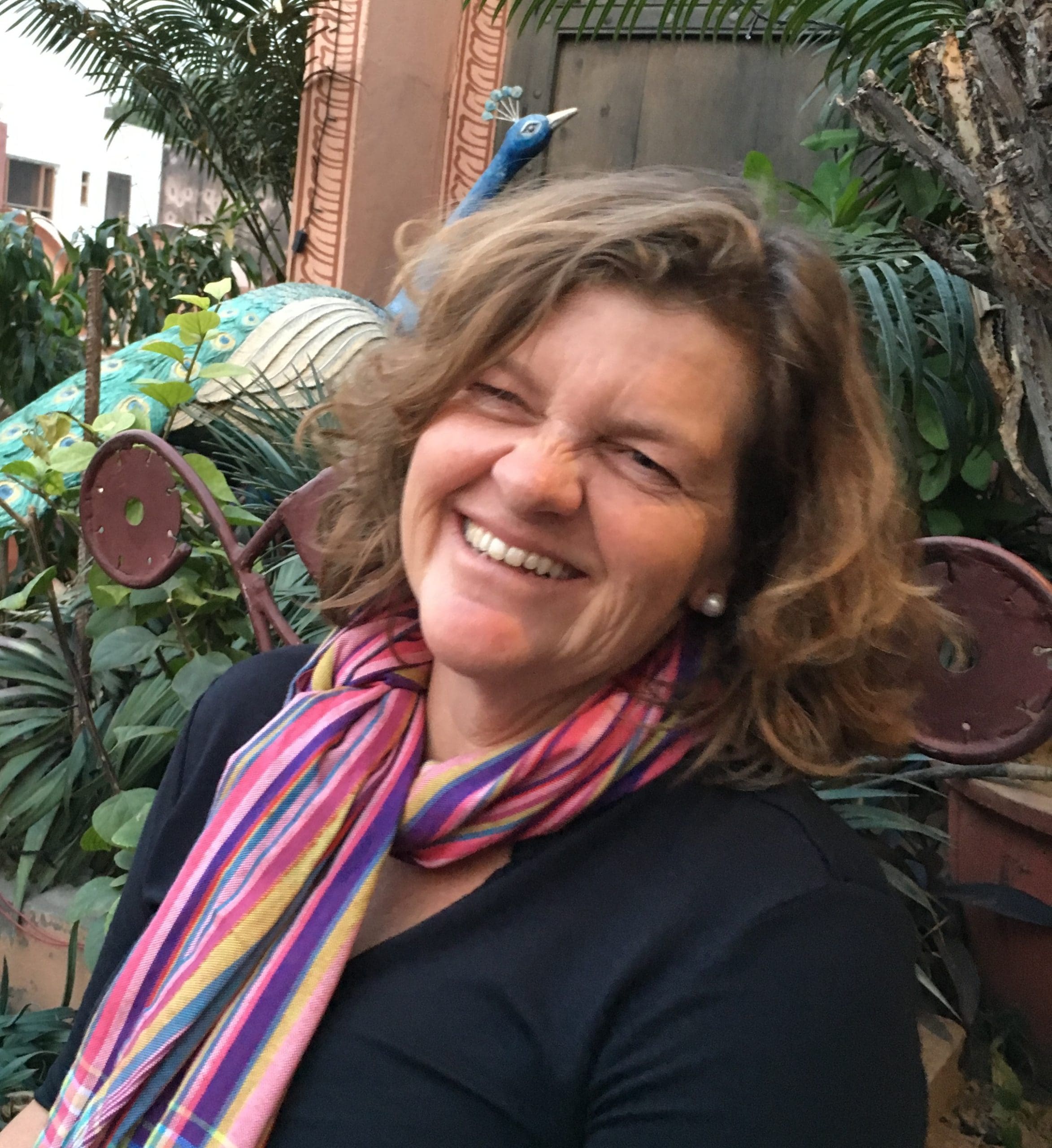
 The voyage is led by Principal Investigator Prof Isabelle Ansorge (left) from the University of Cape Town, whose leadership has been instrumental in shaping SEAmester into one of the most impactful marine science initiatives in South Africa. The logistical and academic coordination of the voyage is managed by Tahlia Henry, whose dedication ensures a seamless blend of teaching, research, and exploration at sea.
 In the SANAP community we are celebrating all those involved as Researchers, Scientists, and Students at tertiary and research institutions and infrastructures, and personnel within the National Research Foundation, the Department of Forestry, Fisheries and the Environment, the Department of Public works and Infrastructure, the South African Weather Services, the South African National Space Agency, the South African Polar Research Infrastructure and all the women serving as part of the crew of the S.A. Agulhas II.
 Celebrating our women overwintering team members at our stations: Antarctica (SANAEIV), Marion Island and Gough Island.
 2024 women’s day commemoration is a reminder of the important contributions that are made by women to society, as well as a time to reflect on the advances in women’s rights. During 30 years of democracy, South Africa has made significant strides in advancing gender equality in all domains of society, including economic empowerment of women.
 Women’s Day 2024 is the first national day led by the Government of National Unity (GNU) and takes place in a rural community as part of including all South Africans in national events, and placing a focus on the achievements and needs of women in all corners of the country. President Cyril Ramaphosa is expected to officiate the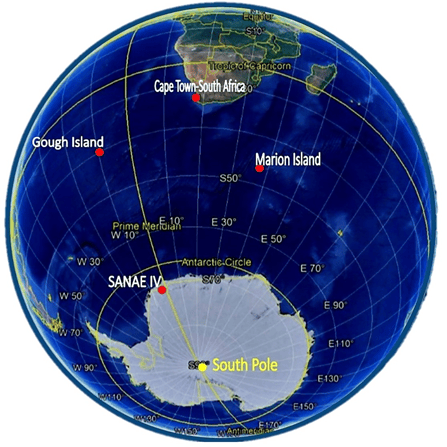


 The only session on human enterprise within the
 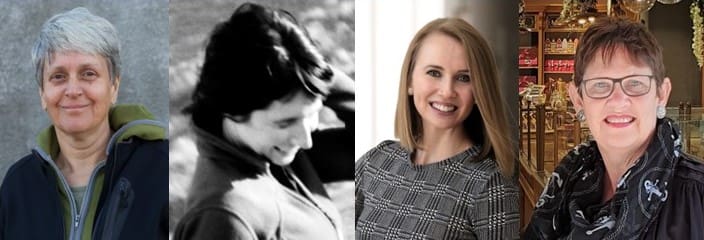 Above (l-r): Jean Brundrit, Adrienne van Eeden-Wharton, Marike Stander, Ria Olivier
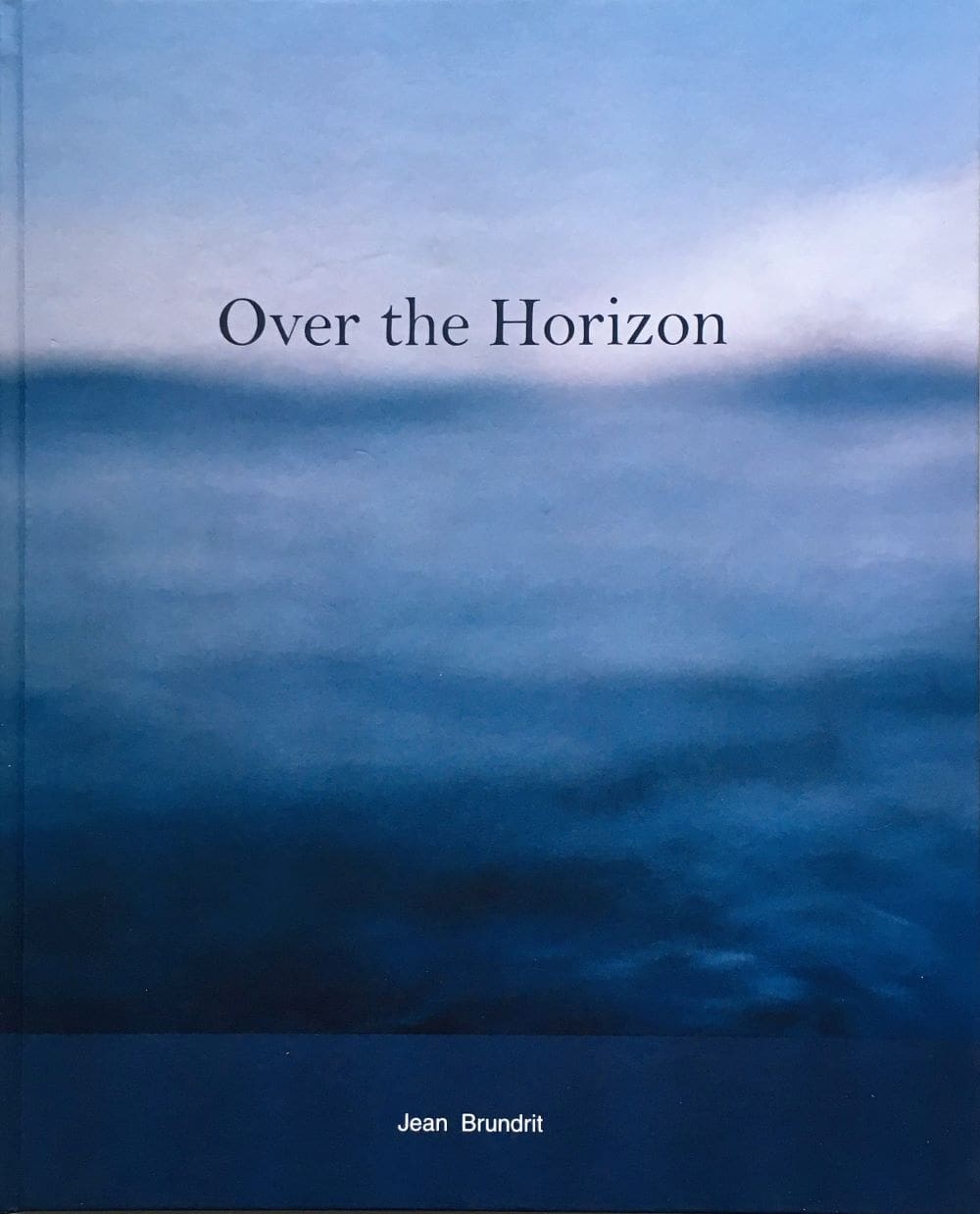 Jean Brundrit : “Over the Horison” was displayed with other publications by the Antarctic Legacy of South Africa.
 Charne added fiction titles to everyone’s reading lists.