by Ria Olivier | Apr 22, 2020 | International Days, SANAE Gallery>Sanae Landscapes, SANAP
EARTH DAY LIVE 2020 – Let’s flood the digital landscape!
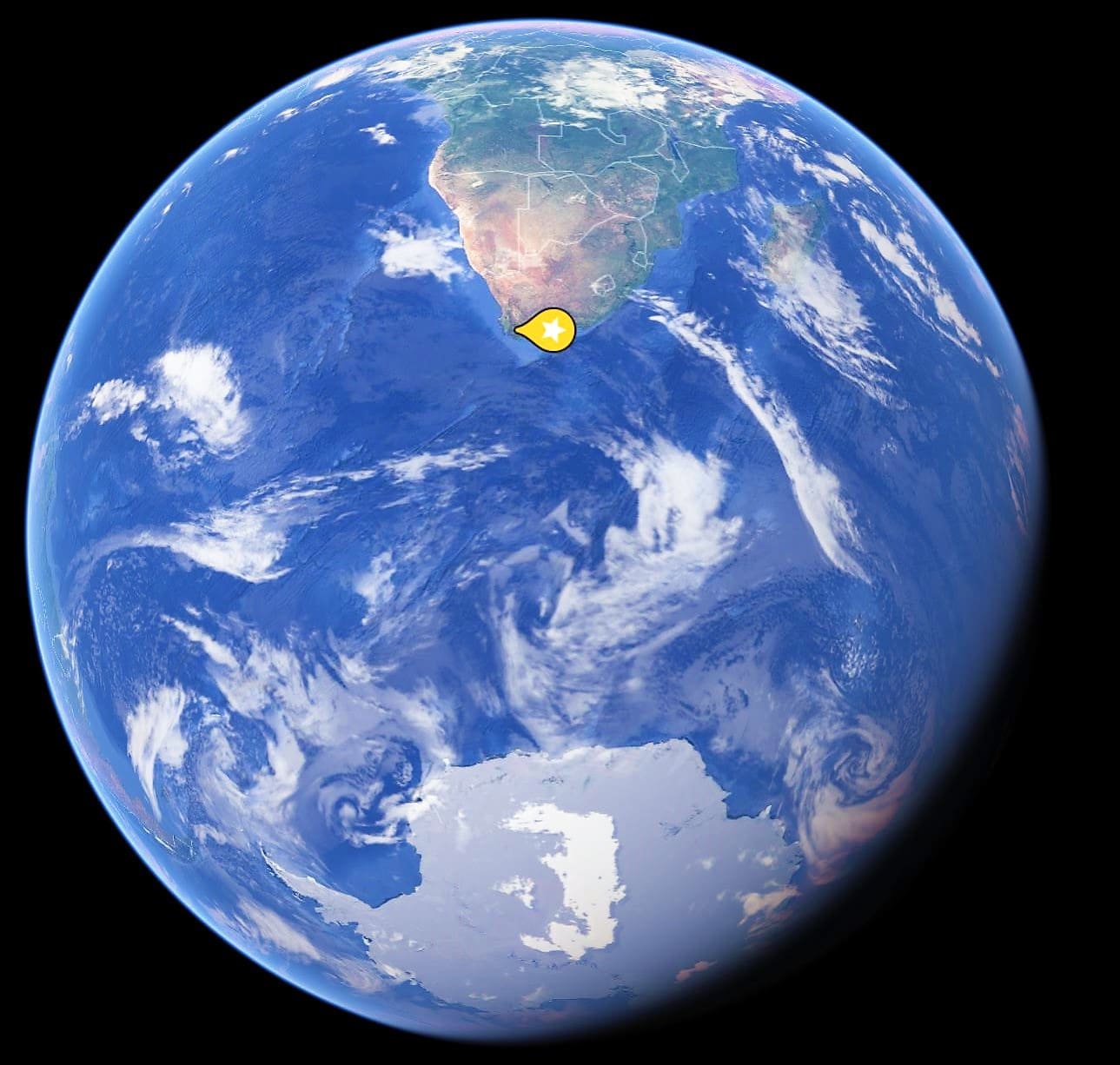
Antarctica and the surrounding Southern Ocean are remote and endure a particularly harsh environment, being the coldest, windiest and driest place on Earth. The position the region is also globally unique because of an uninterrupted circumpolar circulation, which not only regulates global and regional climate through heat, moisture and CO2 exchange, but also ocean productivity through its supply of nutrients. The long-term accumulation of ice in Antarctica provides a record that retains a signal of past global changes and through them, clues to future dynamics. The Antarctic and Southern Ocean are critical where international scientific investigation is inextricably linked to our understanding of the fundamental drivers of the entire Earth system. Antarctica and Southern Ocean Research Plan
South Africa is the only African nation with a foothold in Antarctica and the Southern Ocean. It therefore bears a regional responsibility and serves as a channel for broader African scientific research interests in the Antarctic region.
Click on this link, sit back and enjoy virtual footage of the ice surrounding Antarctica.
(Satelite image: Google 22 April 2020. Video Credit: Eduan Teich)
by Ria Olivier | Apr 20, 2020 | Announcement, Environment, Gough Island, Heritage Day, Important Dates, International Days, sub-Antarctic
“World Heritage Day or the International Day of Monuments and Sites has always been an occasion to reflect upon – and often visit – heritage sites that are important to us. This year, during the Covid-19 crisis, most of us can only enjoy our heritage online, through virtual visits and tours, as well as social media posts.” – UNESCO (Visit the ALSA archive and the SANAP website photo galleries to see images)
Owing largely to its spectacular abundance of seabirds, and its unusual and reputedly pristine landscape, Gough Island was declared a wildlife reserve under the Tristan da Cunha Conservation Ordinance of 1976, gained Scientific/Strict Nature Reserve Status under IUCN Category I in 1985, was inscribed on the IUCN World Heritage list (under criteria iii, iv) in 1995, and in 1997 became a nature reserve under the Tristan da Cunha Conservation (Amendment) Ordinance. The nature reserve now encompasses a 12 nautical mile zone around the shore. Activities on Gough Island and in the surrounding waters are regulated by formal ordinances of Tristan da Cunha, including those for Conservation, for Export and Import Control, and for Fisheries Limits, and by the adoption of a formal manage1nent plan. (From “Gough Island; a Natural history” by C Hanel, SL Chown and KJ Gaston)
The Gough and Inaccessible Islands World Heritage Site Management Plan focuses on identifying priority actions for the conservation of the property over a five year period, and does not supersede the two existing Management Plans for Gough and Inaccessible Islands. Separate zoning strategies for Gough and Inaccessible Islands have been developed. On Gough, there are Logistic, Marine, Scientific research, and Conservation zones; on Inaccessible there are Accommodation, Natural, Wilderness, and Marine zones. Within these various areas, defined in detail in the respective Management Plans, certain activities are constrained or allowed. A single zoning strategy is needed covering the whole World Heritage property, including the marine area. –UNESCO
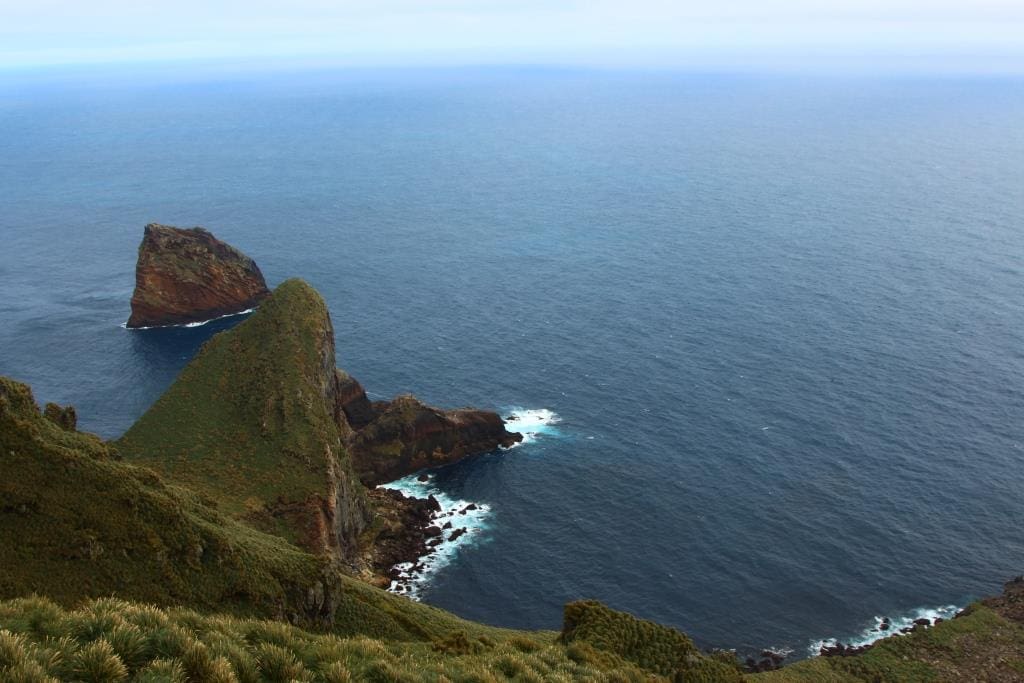
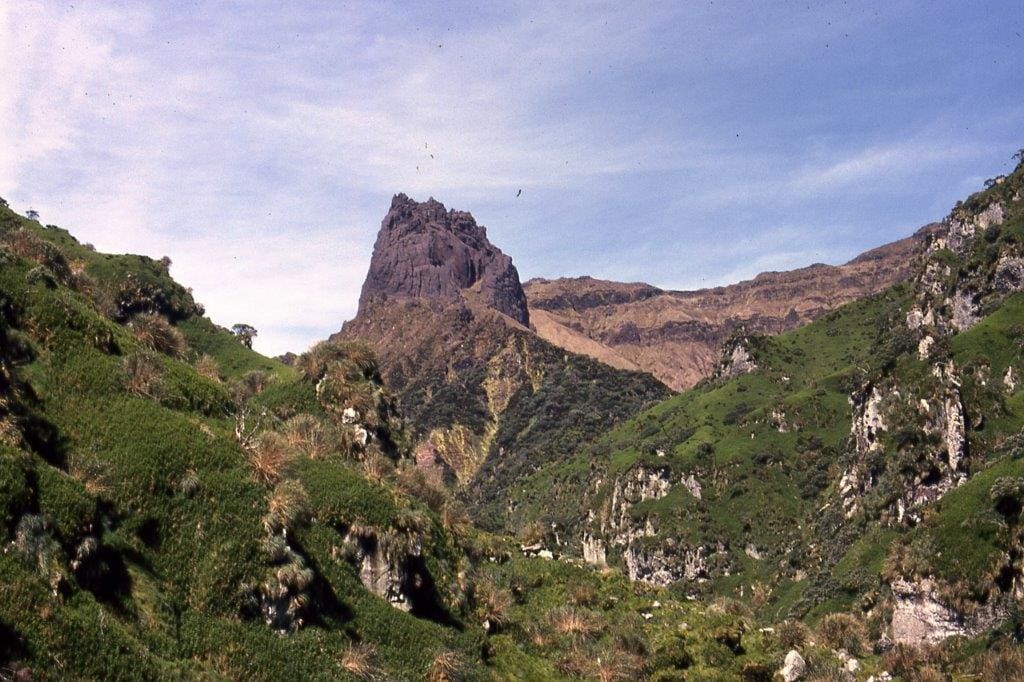
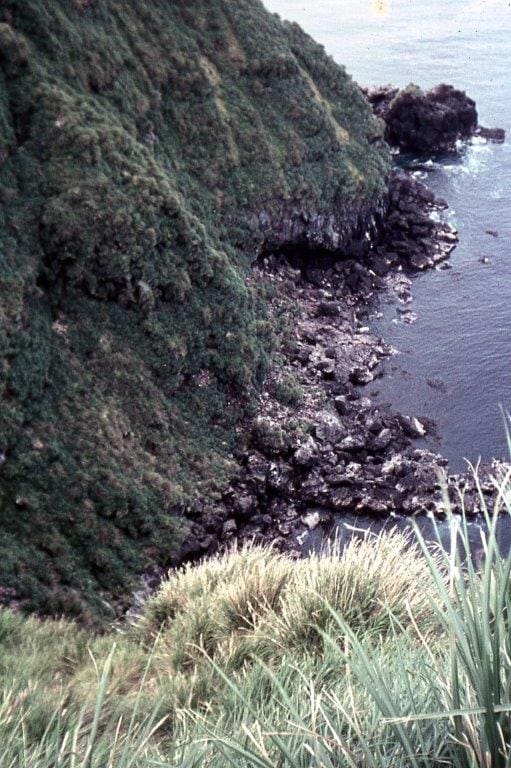
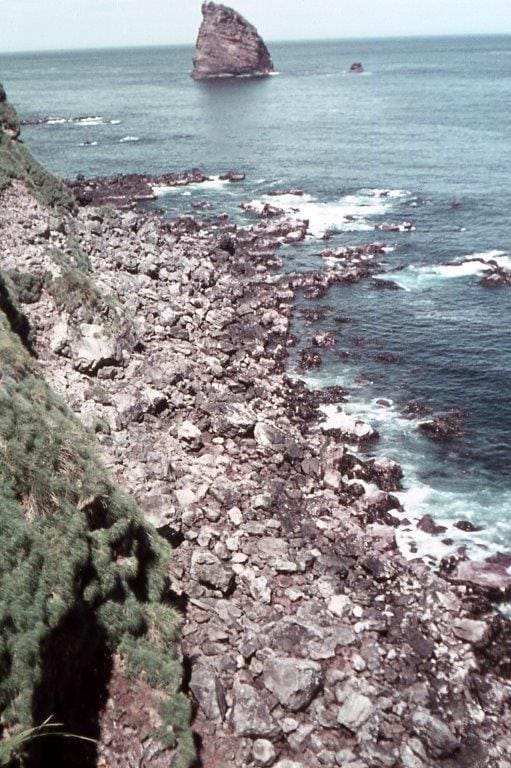
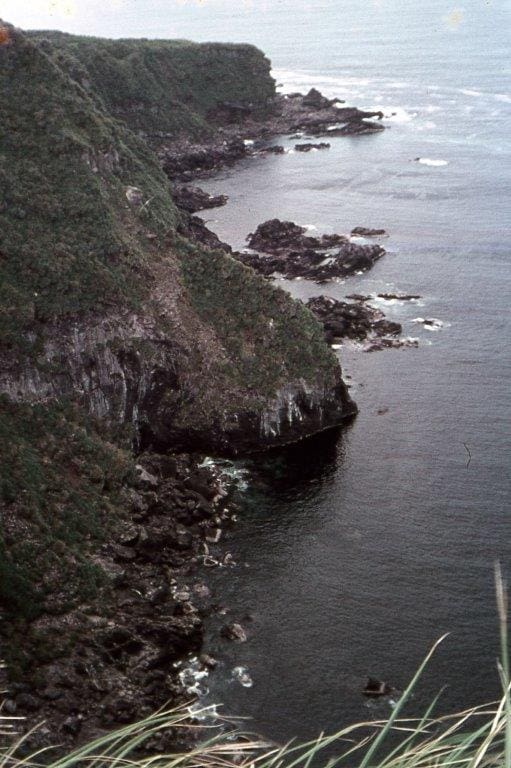
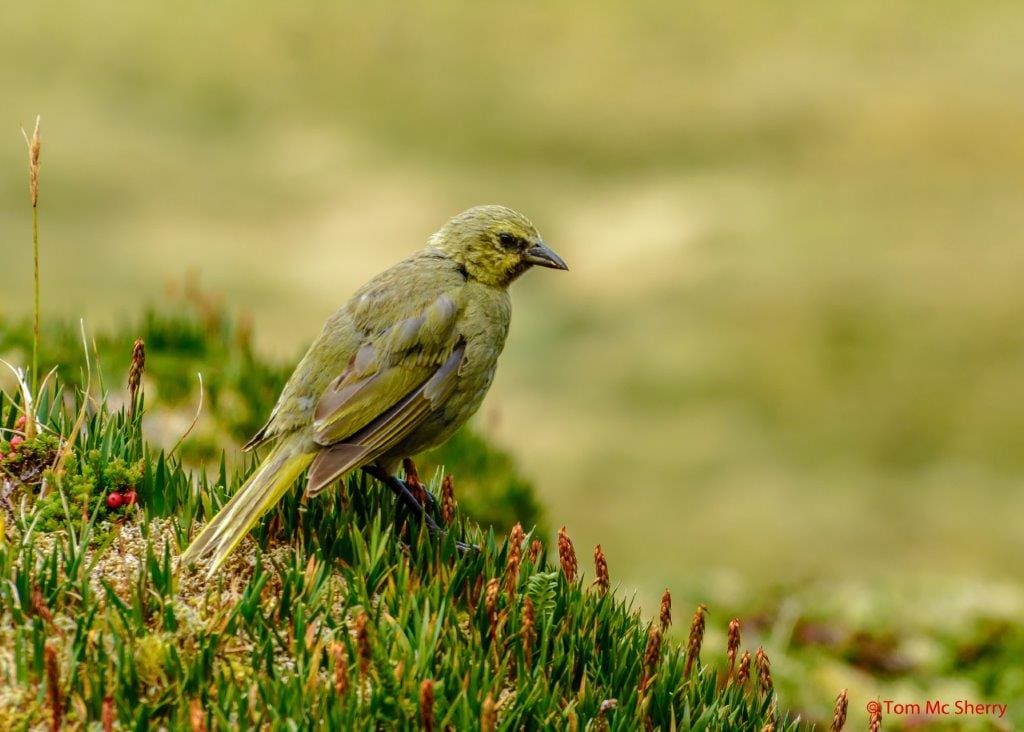
The site, located in the south Atlantic, is one of the least-disrupted island and marine ecosystems in the cool temperate zone. The spectacular cliffs of Gough, towering above the ocean, are home to one of the world’s largest colonies of sea birds. Gough Island is home to two endemic species of land birds, the Gallinule Comeri (Gough Moorhen-below left)and the Gough Rowettia Goughhensis (Gough Finch- below middle,right), as well as to 12 endemic species of plants.
Although now most widely known as a haven for seabirds and an important conservation area in the Southern Ocean, the island has long caught the attention of mariners and adventurers. At first, the island was appreciated as a source of perennial fresh water, whilst later its strategic position, unusual terrestrial flora and fauna, and marine living resources have proven the attraction.
Its position in the path of cold fronts generated in the far Southern Ocean and on their way to South Africa has meant that the conditions experienced at Gough Island serve as an early warning for those that can be expected in South Africa and along the Cape sea route. for this reason, a South African meteorological station has been maintained at the island in an agreement reached with the administration of Tristan da Cunha. From: “Gough Island; a Natural history” by C Hanel, SL Chown and KJ Gaston
Photo Credits: G Roussouw, T McSherry, J Cleeland


 South Africa is the only African nation with a foothold in Antarctica and the Southern Ocean. It therefore bears a regional responsibility and serves as a channel for broader African scientific research interests in the Antarctic region.

 “World Heritage Day or the International Day of Monuments and Sites has always been an occasion to reflect upon – and often visit – heritage sites that are important to us. This year, during the Covid-19 crisis, most of us can only enjoy our heritage online, through virtual visits and tours, as well as social media posts.” – UNESCO (Visit the ALSA archive and the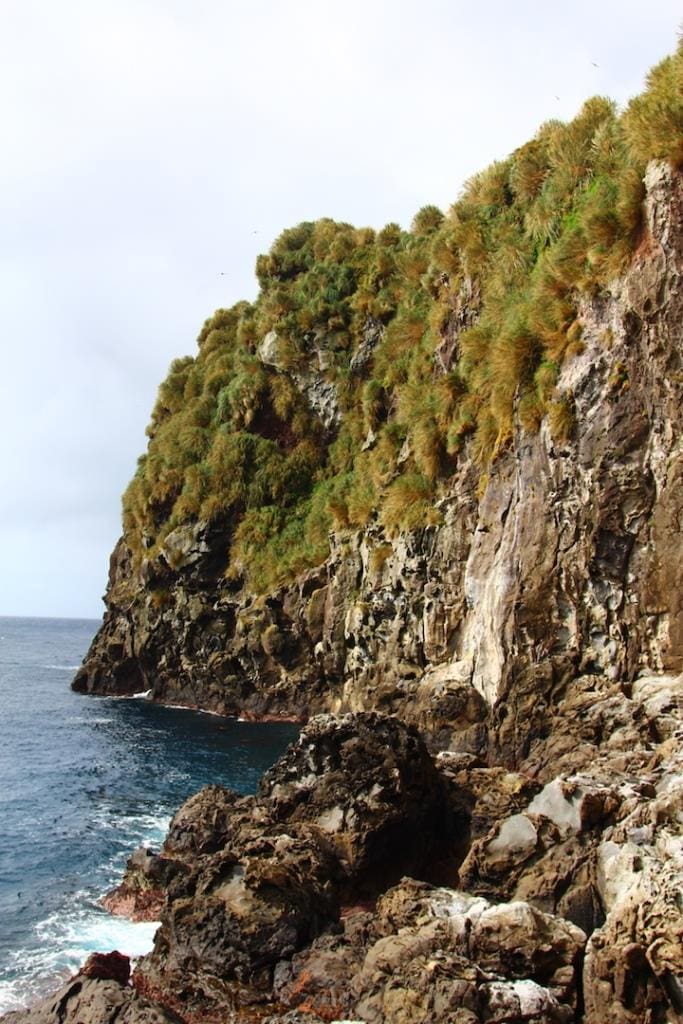
 The Gough and Inaccessible Islands World Heritage Site Management Plan focuses on identifying priority actions for the conservation of the property over a five year period, and does not supersede the two existing Management Plans for Gough and Inaccessible Islands. Separate zoning strategies for Gough and Inaccessible Islands have been developed. On Gough, there are Logistic, Marine, Scientific research, and Conservation zones; on Inaccessible there are Accommodation, Natural, Wilderness, and Marine zones. Within these various areas, defined in detail in the respective Management Plans, certain activities are constrained or allowed. A single zoning strategy is needed covering the whole World Heritage property, including the marine area. –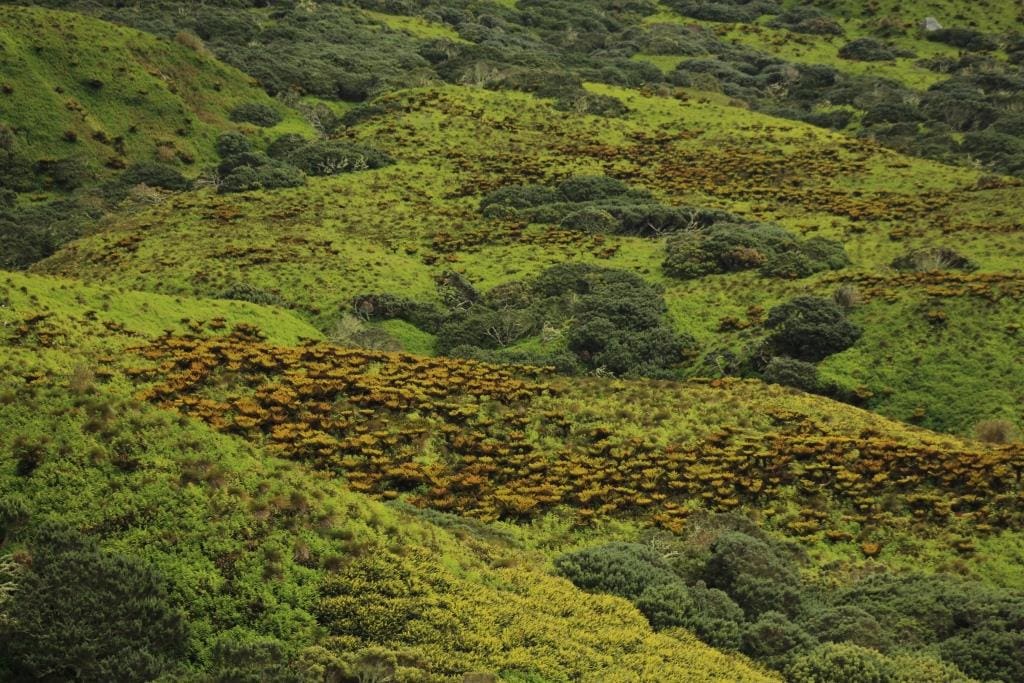
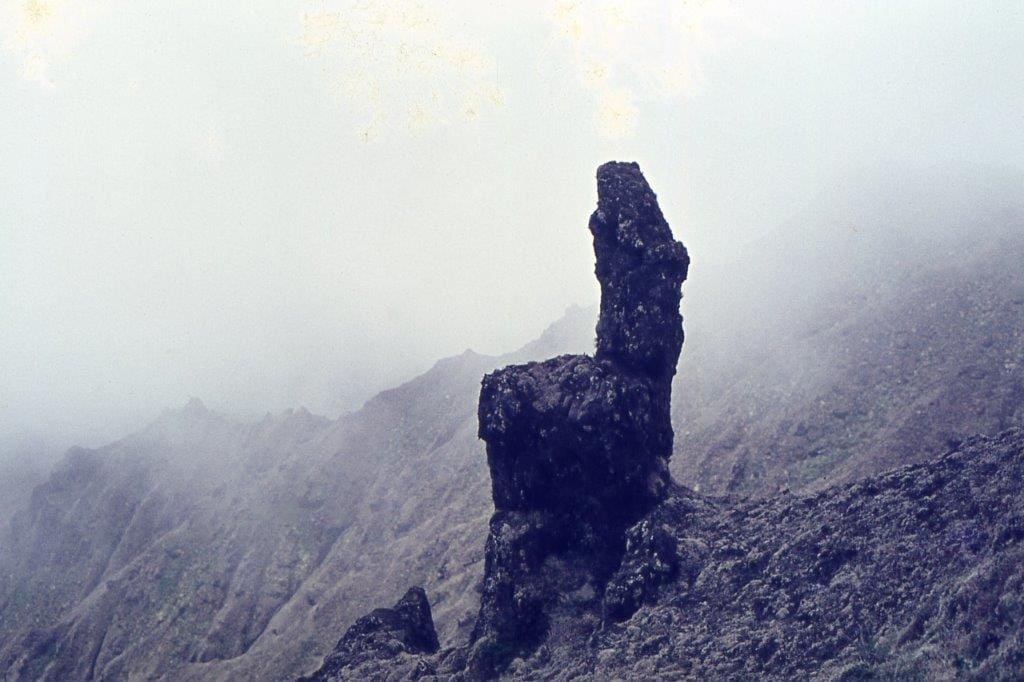
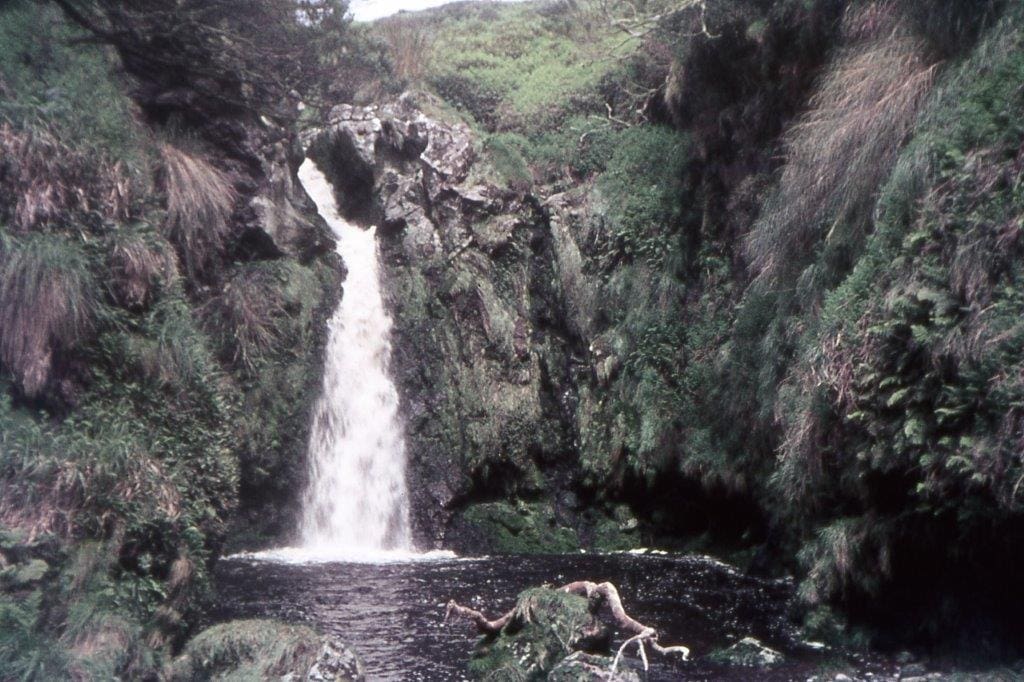 The site, located in the south Atlantic, is one of the least-disrupted island and marine ecosystems in the cool temperate zone. The spectacular cliffs of Gough, towering above the ocean, are home to one of the world’s largest colonies of sea birds. Gough Island is home to two endemic species of land birds, the Gallinule Comeri (Gough Moorhen-below left)and the Gough Rowettia Goughhensis (Gough Finch- below middle,right), as well as to 12 endemic species of plants.

 Its position in the path of cold fronts generated in the far Southern Ocean and on their way to South Africa has meant that the conditions experienced at Gough Island serve as an early warning for those that can be expected in South Africa and along the Cape sea route. for this reason, a South African meteorological station has been maintained at the island in an agreement reached with the administration of Tristan da Cunha. From: “Gough Island; a Natural history” by C Hanel, SL Chown and KJ Gaston