by Ria Olivier | May 22, 2021 | Environment, International Days, Legacy, Uncategorised
In 2014 on International Biodiversity Day the theme was “Island Biodiversity”. The Department of Forestry , Fisheries and the Environment(DFFE) state the following in 2014:“The legacy of a unique evolutionary history, many island species are endemic – found nowhere else on Earth. Islands harbour higher concentrations of endemic species than do continents, and the number and proportion of endemics rises with increasing isolation, island size and topographic variety.”
Today on International biodiversity day we celebrate Marion Island in all its diversity. “With increasing development pressures and climate change islands are now more threatened than ever before. Unless there is immediate action to save the remaining unprotected hotspot areas, the species losses will increase severely especially among those species that are endemic to these islands. Protecting them is vital and necessary, to ensure their conservation for future generations.” – Media release DFFE
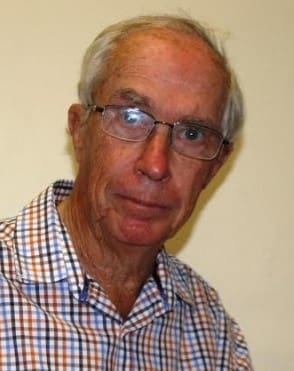
The theme for this year is “We are part of the solution for nature”- in an Instagram post David Hedding(left) highlight the landscape response to climate – Did you know South Africa had a glacier until very recently?
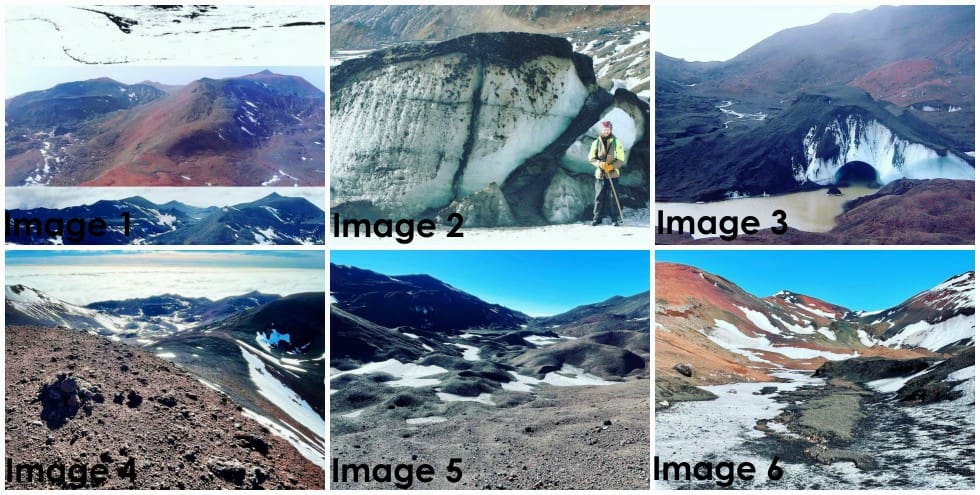
“In 1966, Dr Brian Huntley(right) photographed the summit region of Marion Island known as the ‘Ice Plateau’.
Flow lines visible in the photograph showed that ice was moving (top – image 1- left). In 2004, while doing my Masters, I decided to return to same spot and rephotograph the Ice Plateau to compare (middle – image 1- left). Sadly, much of the ice was melting away and when assessed in the context of climate amelioration recorded at the island provided evidence for the most drastic landscape response to climate change on the island. In 2021, I decided to try get back up to the Ice Plateau. Fortunately, I got a lucky break and managed to get back up on a relatively decent day to summit Mascarin Peak (image 4 -right) and rephotograph the area again (bottom – image 1- left).
Sadly, I noticed even further melt-out with all the ice caves now gone and much of the remaining buried ice also having disappeared (image 2 -left & image 3-right).
The remaining ice was protected from increasing air temperatures and insolation (solar radiation) under a layer of scoria so the ice probably lasted a lot longer than it should have and although a few pockets of buried ice were still visible the ‘Ice Plateau’ as it was once called is no more (images 5-left & 6-right).”
Be part of the solution give your comments on The Minister of Forestry, Fisheries and the Environment, Ms Barbara Creecy, on the revised National Biodiversity Framework (NBF) 2019 to 2024. Minister Creecy granted an extension until 07 June 2021 for public consultation. An electronic copy of the Government Notice and the draft revised framework can be downloaded from the Department of Forestry, Fisheries and the Environment website from the following link: Biodiversity Act, 2004 (Act No. 10 Of 2004): draft revised National Biodiversity Framework published for public comment in terms of the National Environmental Management [G 44229 – GoN 171]
Images, captions: David Hedding
Dr Brian Huntley publication available form the Antarctic Legacy fo South Africa antarcticlegacy@sun.ac.za
by Ria Olivier | Mar 23, 2021 | Current Event, Environment, International Days, Meteorology, Overwintering Team, Science
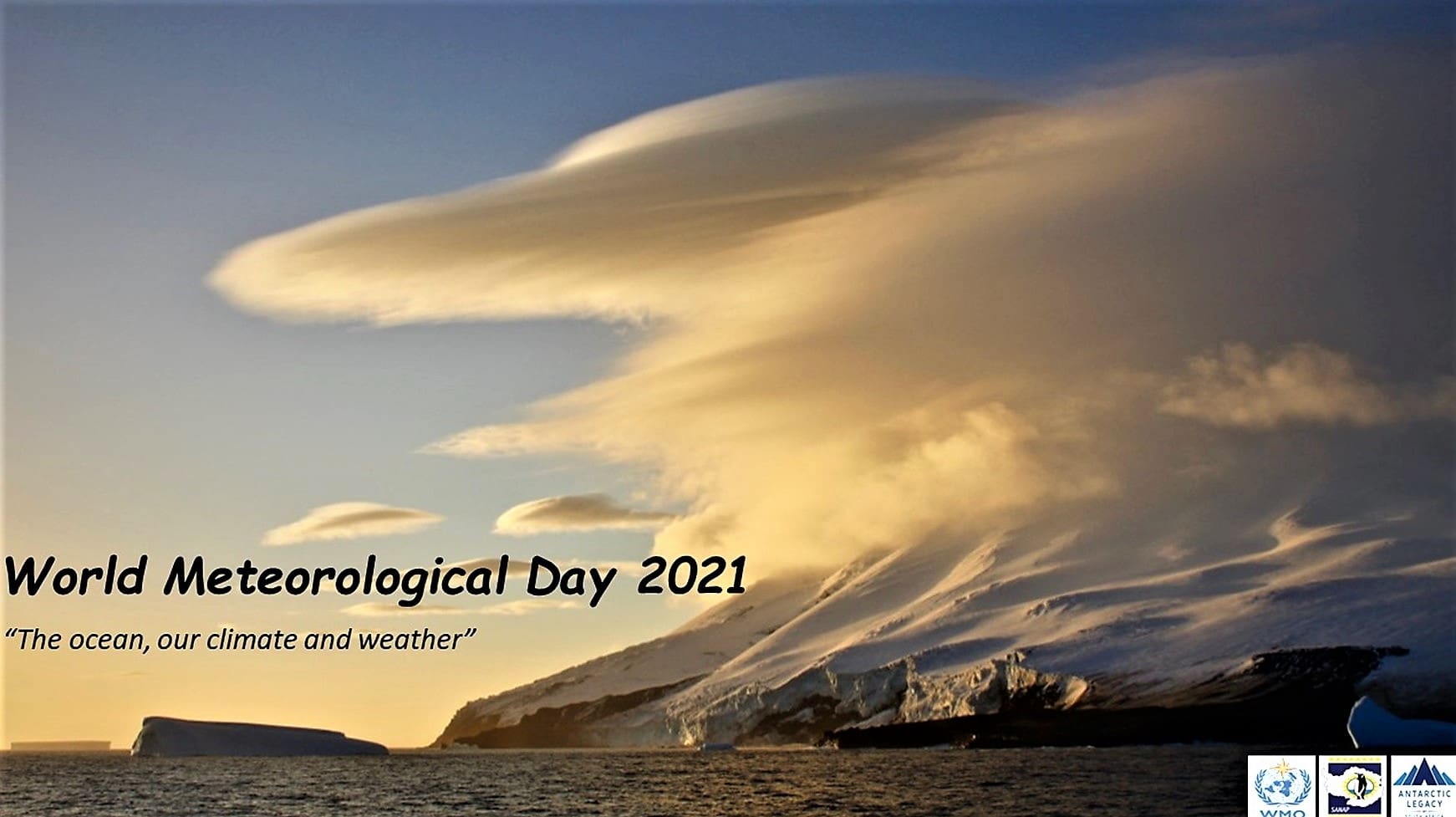
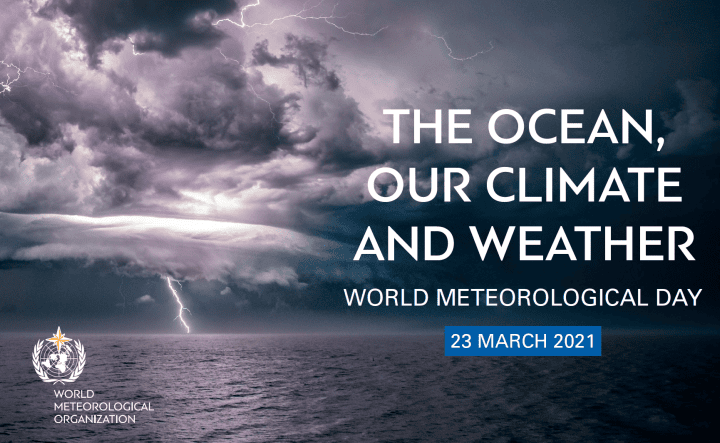
On the 23rd March 2021, we celebrate World Meteorological Day around the globe. This day has great significance and value, as it highlights the critical balance and interaction between mankind and the earth’s atmosphere. The 23rd March also commemorates the establishment of the World Meteorological Organization (WMO) in 1950 and each year a new theme or slogan is released. This year the theme for 2021 is “The ocean, our climate and weather.” This theme highlights the interconnected relationship between the atmosphere, ocean and climate. The ocean covers approximately 70% of the globe and thus plays a vital role in the climate change and supports life on earth. Therefore it is essential that continuous research is conducted to monitor the relationship between the ocean and atmosphere and subsequent changes experienced. This year’s theme celebrates the WMO’s focus on connecting the ocean, climate and weather within the Earth System.
The South African Antarctic Programme (SANAP) and South African Weather Services (SAWS) plays an integral role in monitoring the southern climate. Overwintering meteorologists, assistants and technicians are stationed at all three South African research bases namely, Marion Island, Gough Island and SANAE Base. These teams are tasked with the following duties which are performed throughout the year:
- Execute and co-ordinate surface meteorological and atmospheric research projects as sanctioned by the Marine Section of SAWS.
- Co-ordinate shift management of the meteorological team.
- Perform daily meteorological observations and release of weather balloons.
- Maintenance and appropriate calibration/validation of all observational equipment.
- Conduct quality control of data, report writing and asset control.
The current overwintering meteorologists in the field are:
Marion Island Base:
(l-r) Nkoane Mathabata (Senir Meteorologist) – Siya Ngcobo and Collen Maphaha (assitant meteorologists)
Gough Island Base:
(l-r) Zinhle Shongwe (Senior Meteorologist), Dylan Seaton (Assistant Meteoroglist) and Asavela Somaxaka (Meteorological Technician).
Antarctic Base (SANAE):
Gerard (Boy) Oppel (Senior Meteorologist)
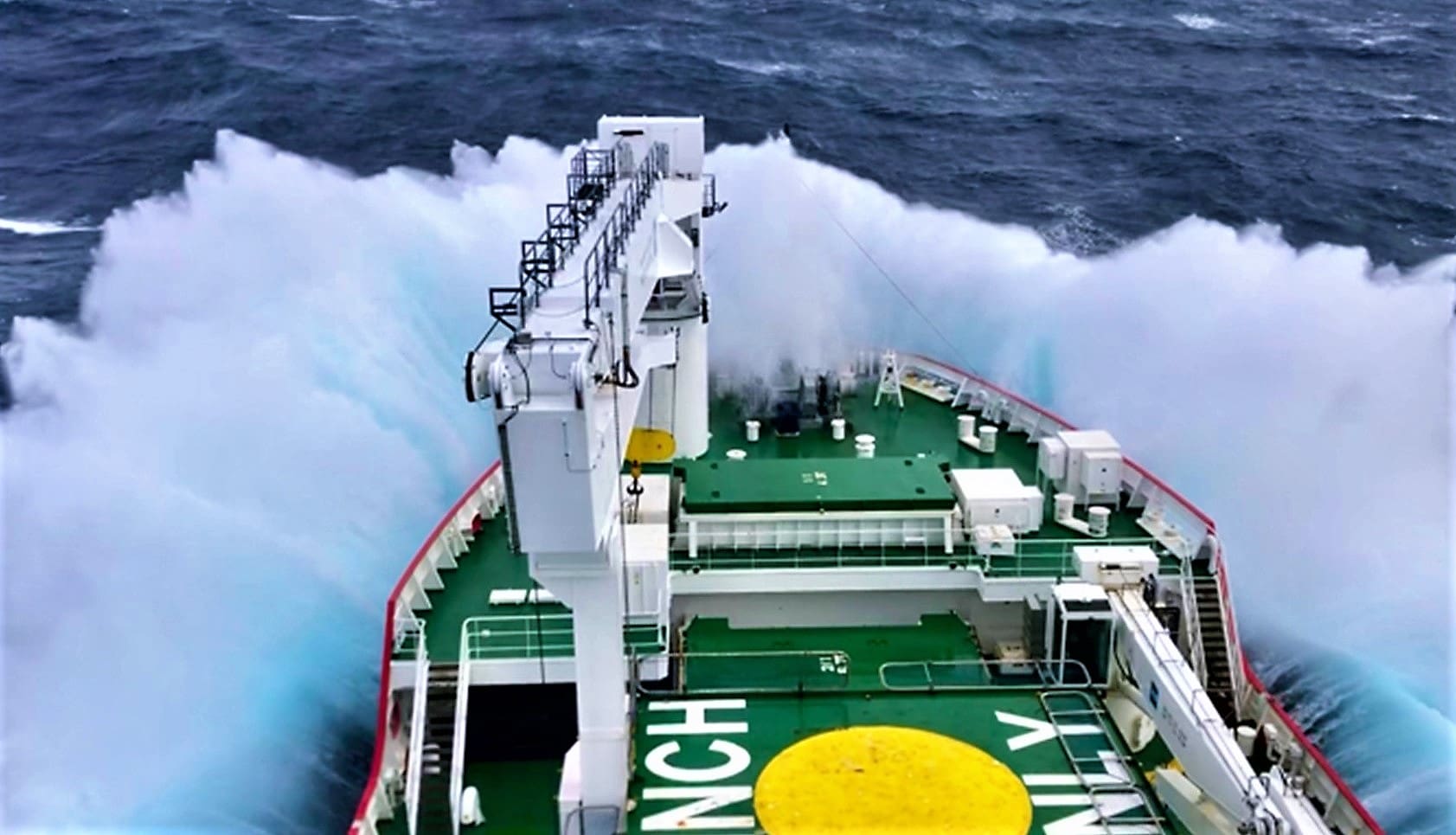
It is also important to note that weather observations are collected by SAWS ship based personnel during expeditions aboard the SA Agulhas II. The real-time data collected is used for a myriad of operations on board and aids in decision making for safe ship operations and passage. This data is also archived by SAWS and used in weather models which improves forecasting abilities and provides insight to the dynamic relationship between atmosphere and ocean.
Fun Fact:
Panoramic photo of Vostok Station. (https://en.wikipedia.org/wiki/Vostok_Station)
At a Russian Base named Vostok Station, the coldest air temperature in history was recorded in July 1983. The air temperature recorded was – 89ºC.
See webinar to attend on World Meteorology Day 2021
Cover Image: South Thule Island, photographed by Tahlia Henry
by Ria Olivier | Mar 8, 2021 | Announcement, Current Event, International Days, SANAP
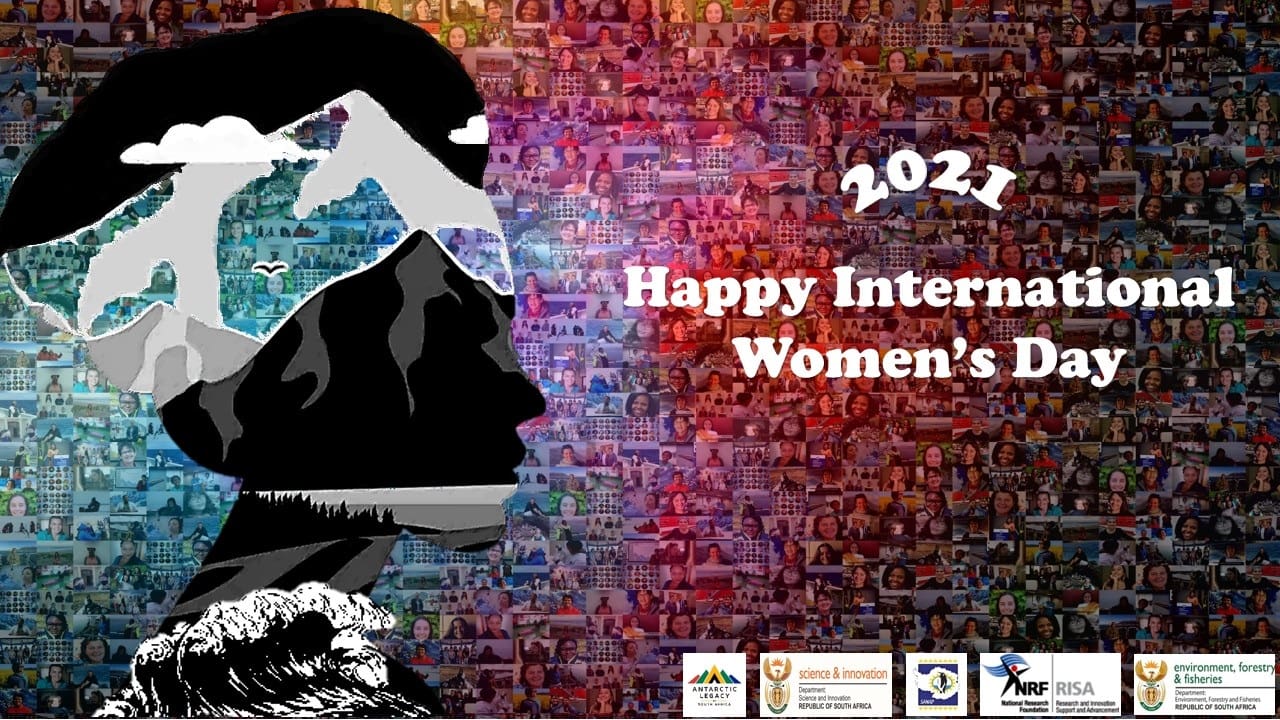
Today on International Women’s Day we are celebrating all those women involved within the South African National Antarctic Programme (SANAP). International Women’s Day is celebrated on 8 March of each year. 2021 Theme: “IWD 2021 campaign theme: #ChooseToChallenge; A challenged world is an alert world. Individually, we are all responsible for our own thoughts and actions – all day, every day. We can all choose to seek out and celebrate women’s achievements. Collectively we can help create an inclusive world. From challenge comes change, so let’s all choose to challenge.”
Within SANAP, women take on many roles. Throughout SANAP we find women in leadership positions which we celebrate; the Minister of Environment, Forestry and Fisheries, Minister Babara Creecy, the Director at Knowledge Advancement and Support (KAS) of the National Research Foundation Tracy Klarenbeek, Deputy Directors Kusi Ngxabani and Chuma Phamoli. (Above l-r: Min Creecy, Tracy Klarenbeek, ChumaPhamoli, Kusi Ngxabani)
In the science environment there are many Principal Investigators and the chair for the National Committee of SCAR, Bettine van Vuuren(left). The Champion for the Antarctic Youth Coalition for Antarctic Gateway Cities is Rudzani Silima(right). There have been several students and other women over the past years within SANAP. See slideshow on ALSA Archive and Womens day 2020 on www.sanap.ac.za
Cover Image : Tahlia Henry
by Ria Olivier | Dec 7, 2020 | International Days, Marion Island, SANAP
Marion 77 overwintering celebrated Antarctica day by having a typical South African Braai. They celebrated International Aids day as these two days are both the 1 December each year.
The two braai masters were Frikkie Van Der Vywer (Sealer) and Alain Jacobs (Diesel Mechanic).
Alain Jacobs made the Antarctic Day banner for the team. Winnie (team leader) says that Alain is always eager to assist the team and always willing and able to assist. After dinner we played a 30 seconds game.
“I am very grateful to the team for making this day a success.” – Winnie
Winnie Moodaley has also been a member of Marion 76 and she and Aphiwe Dyum together with Alain were the 3 members that stayed on for another year
by Ria Olivier | Dec 1, 2020 | Antarctica, Current Event, International Days, Uncategorised
International Antarctic Day is celebrated on the 1st December. On this day in 1959 the Antarctic Treaty was signed and South Africa was one of the original 12 treaty countries. Since 1959 South Africa has been part of this treaty and we have a presence on the continent with our overwintering teams at our station. 10% of our planet is set aside to “forever to be used exclusively for peaceful purposes in the interest of mankind”.
In celebration we share this incredible footage taken by Eduan Teich of Ultimate Heli during the 2019/2020 takeover at SANAE IV. This silent footage will enhance the feeling of setting foot on this remote continent.
by Ria Olivier | Jun 20, 2020 | Antarctica, International Days, Research, SANAE, SANAP, Science
“Auroras provide direct visual evidence that the atmosphere is shielding life on Earth from the radiation hazards of space.” – Michael Kosch, SANSA.
Today Overwintering Teams are celebrating Midwinter. With this in mind we would like to share some information on Aurora Australis. The research on Auroras in SANAP would be under the jurisdiction of SANSA. Although they do not currently have an aurora program, there is a possibility of doing research on it in the future. The spectacular and beautiful auroras, usually seen at polar latitudes, are caused by high energy particles bombarding the upper-atmosphere. These particles originate from the sun and travel across the void towards Earth as the solar wind, moving at around 500 km/sec.
About 10% of the solar wind becomes trapped on the Earth’s magnetic field lines in a process called magnetic reconnection, the rest is rejected and flows past the planet into deep space. The trapped particles accumulate, but this cannot go on forever. They are eventually released into the upper-atmosphere in a process called substorms, exciting the atomic oxygen and molecular nitrogen to produce the familiar green and red colours from oxygen, and sometimes the blue colour as well from nitrogen. Charged particles, such as electrons and protons, are constrained to follow the magnetic field lines, and since the Earth’s magnetic field is similar to a dipole bar magnetic, it is only in polar regions where the magnetic field lines reach down to the ground, which is why the auroras appear mostly in polar regions.
Auroras appear in the height range 100 to 300 km above the Earth’s surface, typically with red, green and blue appearing near the top, middle and bottom, respectively, of this height range. The height of the auroras, and therefore their colour, depends on the energy of the particles, with higher energy able to penetrate to lower altitudes. Auroras are rarely seen at lower latitudes such as South Africa except during major geomagnetic storms, an example of which occurred in 1989 when auroras were visible from Durban.
The following are a few articles in the South African Journal on Antarctic Research available on the Antarctic Legacy of South Africa (ALSA) digital repository
Geomagnetism and Aurora Programme in Antarctica – Short summary of the Aurora and Magnetic Programmes in Antarctica by G Kuhn
WAND auroral imager for SANAE written by G Hough and MWJ Scourfield.
Aurorae are optical emissions excited by the collisions of charged particles with the upper atmosphere at about 100 km, the altitude of the ionospheric E-region. In fact, the ionosphere has often been likened to a giant TV screen. For the latter, the electrons are fired from an electron gun, whereas the sources of high energy electrons that cause aurorae are located in the magnetosphere. One of the central problems in space physics is locating the sources and mechanisms causing the acceleration of auroral particles. The Wide Angle No Distortion (WAND) was designed, prototype built, and tested at SANAE-3 in 1993. The unique mirror optics removed the circular distortion of standard fisheye lenses, making the image of the sky recti-linear for a fixed latitude.
Magnetospheric electrons precipitating into the atmosphere by Pieter Stoker.
The International Magnetospheric Study (IMS) and the Antarctic and Southern Hemisphere Aeronomy Year (ASHAY) by JA Gledhill
Text for post provided by Michael Kosch of SANSA. Principal investigator in SANAP.
Images from ALSA repository contributed by Gareth de Villiers, Harm Moraal, Beneke De Wet and Mark St Quintin.
Article references provided by ALSA, all articles available on the ALSA repository.
Compiled by Ria Olivier, Antarctic Legacy of South Africa.
 In 2014 on International Biodiversity Day the theme was “Island Biodiversity”. The Department of Forestry , Fisheries and the Environment(DFFE) state the following in 2014:“The legacy of a unique evolutionary history, many island species are endemic – found nowhere else on Earth. Islands harbour higher concentrations of endemic species than do continents, and the number and proportion of endemics rises with increasing isolation, island size and topographic variety.”
 Today on International biodiversity day we celebrate Marion Island in all its diversity. “With increasing development pressures and climate change islands are now more threatened than ever before. Unless there is immediate action to save the remaining unprotected hotspot areas, the species losses will increase severely especially among those species that are endemic to these islands. Protecting them is vital and necessary, to ensure their conservation for future generations.” – Media release DFFE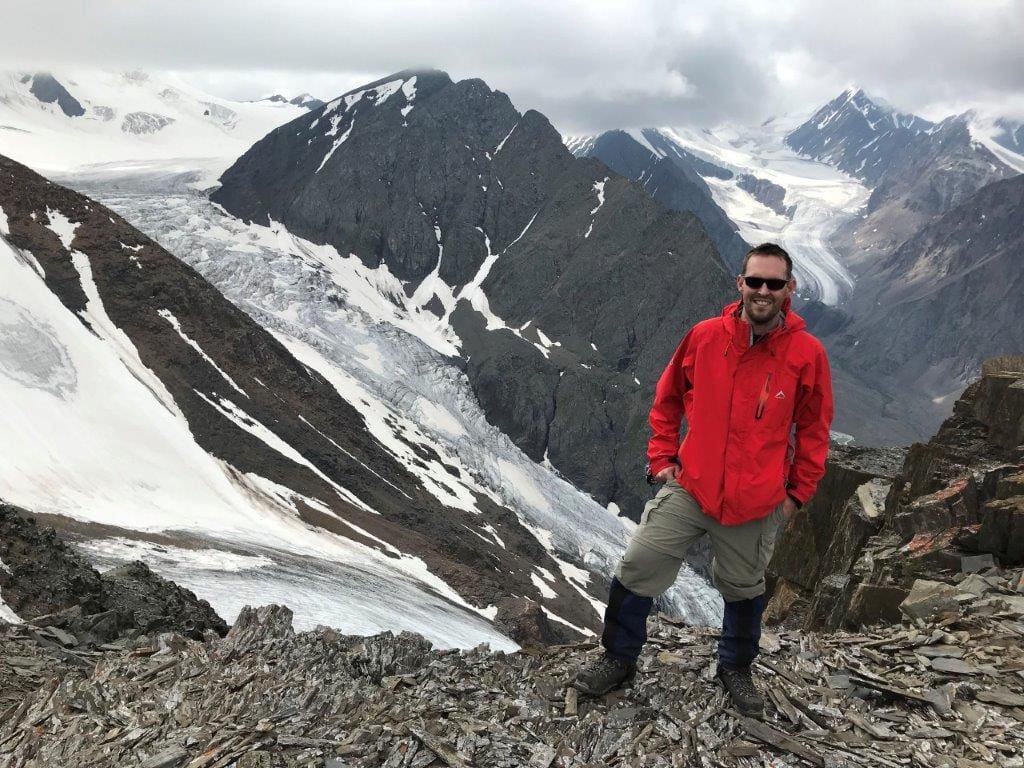
 The theme for this year is “We are part of the solution for nature”- in an Instagram post David Hedding(left) highlight the landscape response to climate – Did you know South Africa had a glacier until very recently?
 Flow lines visible in the photograph showed that ice was moving (top – image 1- left). In 2004, while doing my Masters, I decided to return to same spot and rephotograph the Ice Plateau to compare (middle – image 1- left). Sadly, much of the ice was melting away and when assessed in the context of climate amelioration recorded at the island provided evidence for the most drastic landscape response to climate change on the island. In 2021, I decided to try get back up to the Ice Plateau. Fortunately, I got a lucky break and managed to get back up on a relatively decent day to summit Mascarin Peak (image 4 -right) and rephotograph the area again (bottom – image 1- left).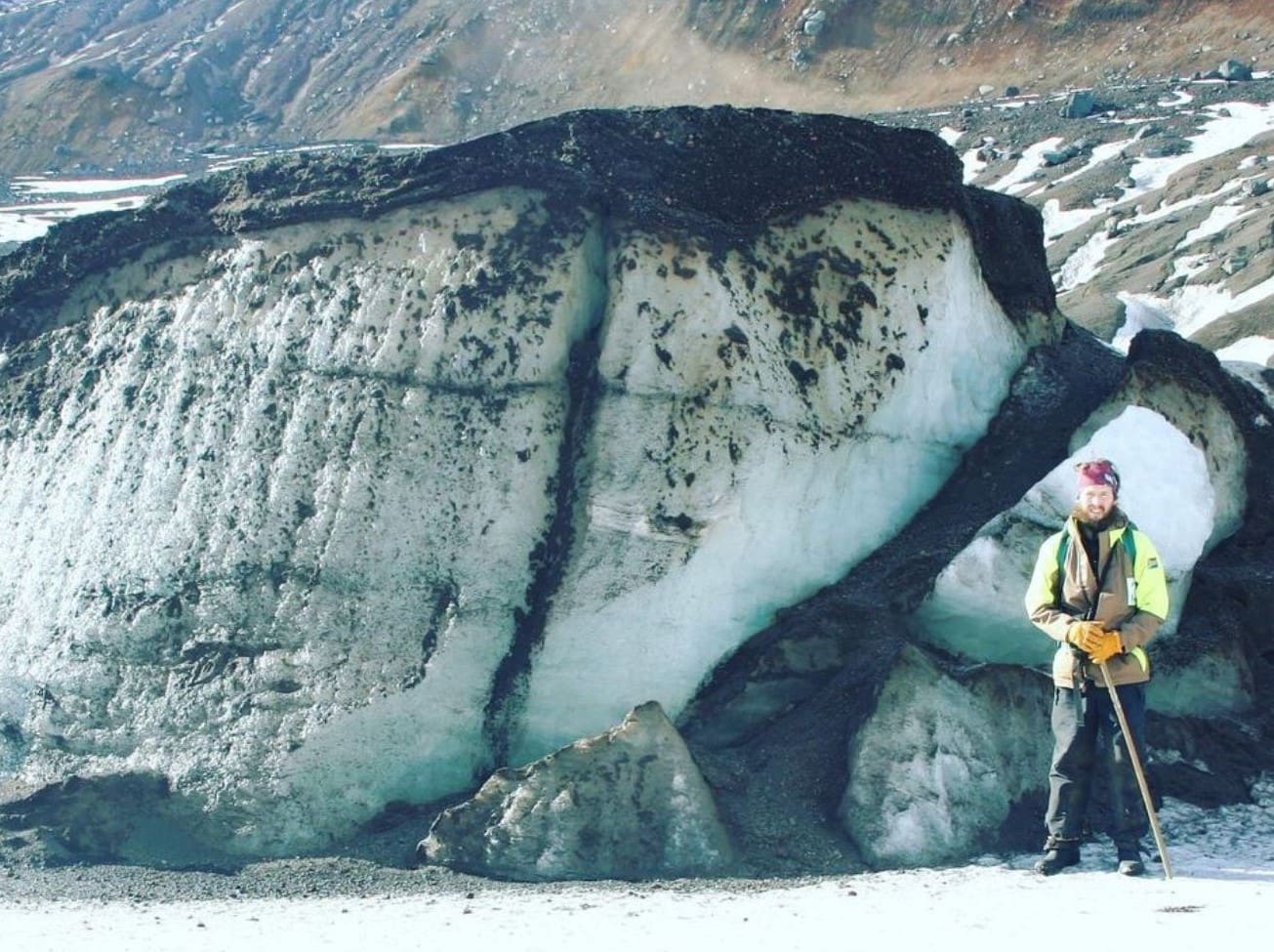
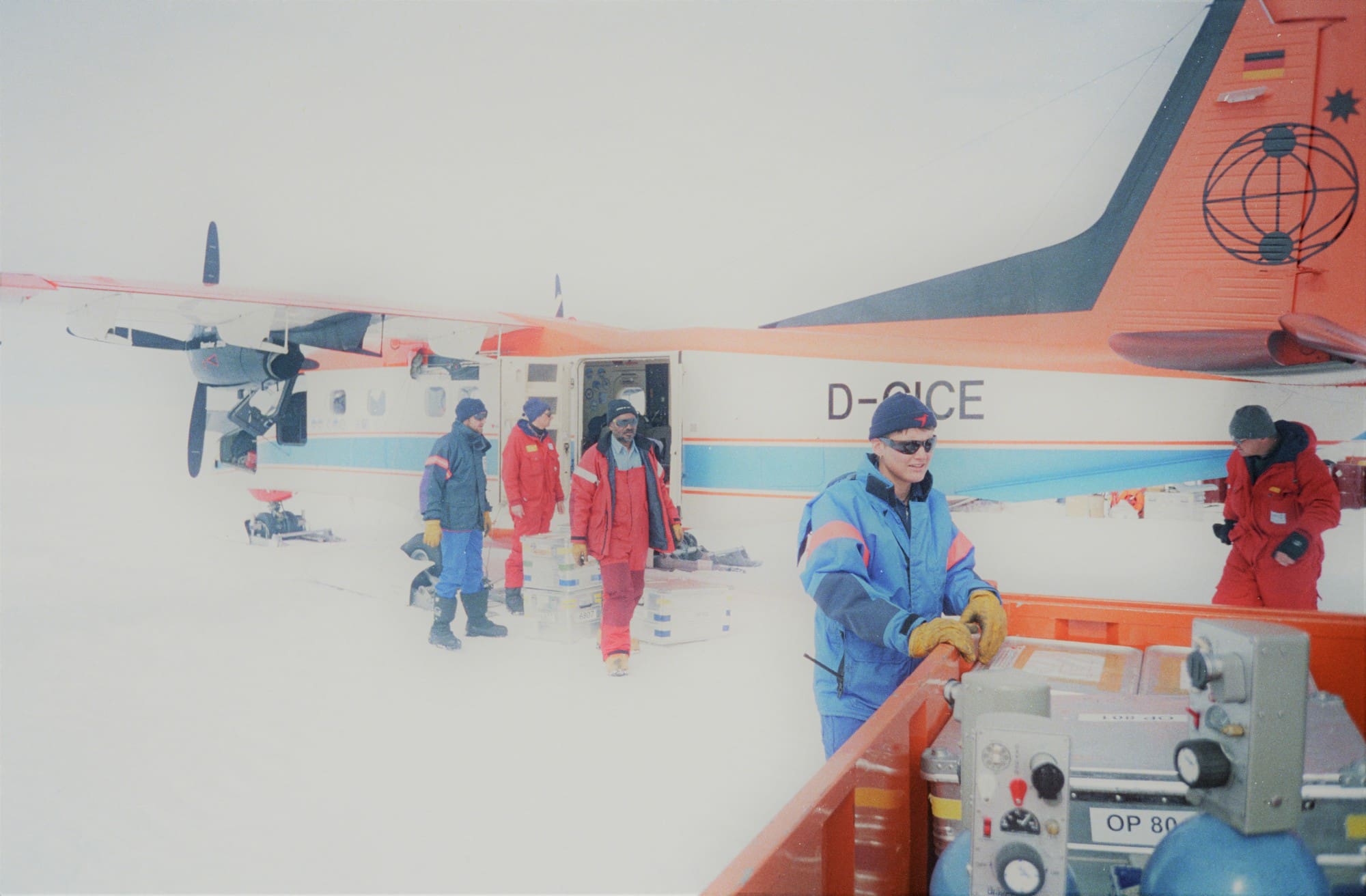 Sadly, I noticed even further melt-out with all the ice caves now gone and much of the remaining buried ice also having disappeared (image 2 -left & image 3-right).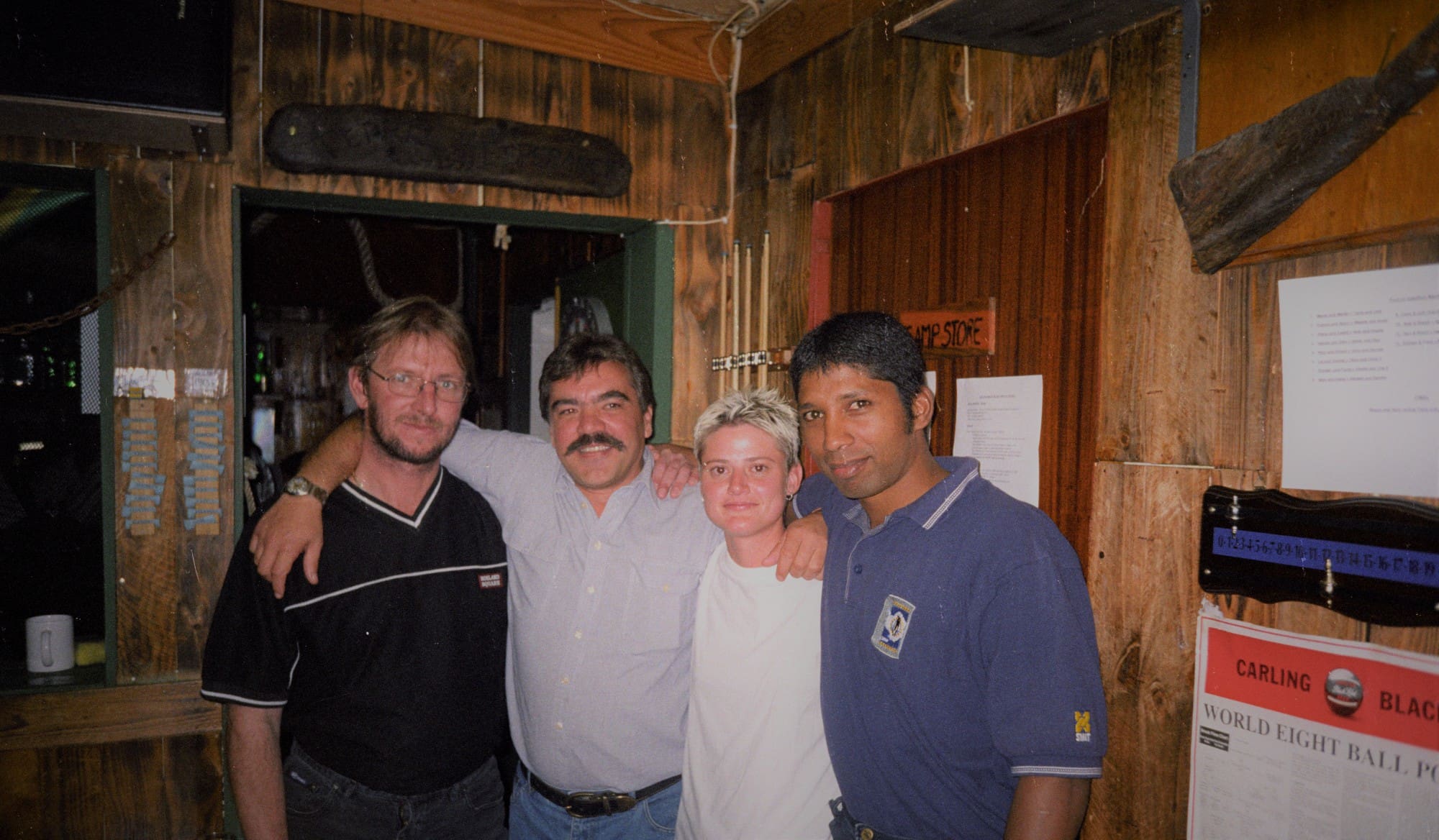
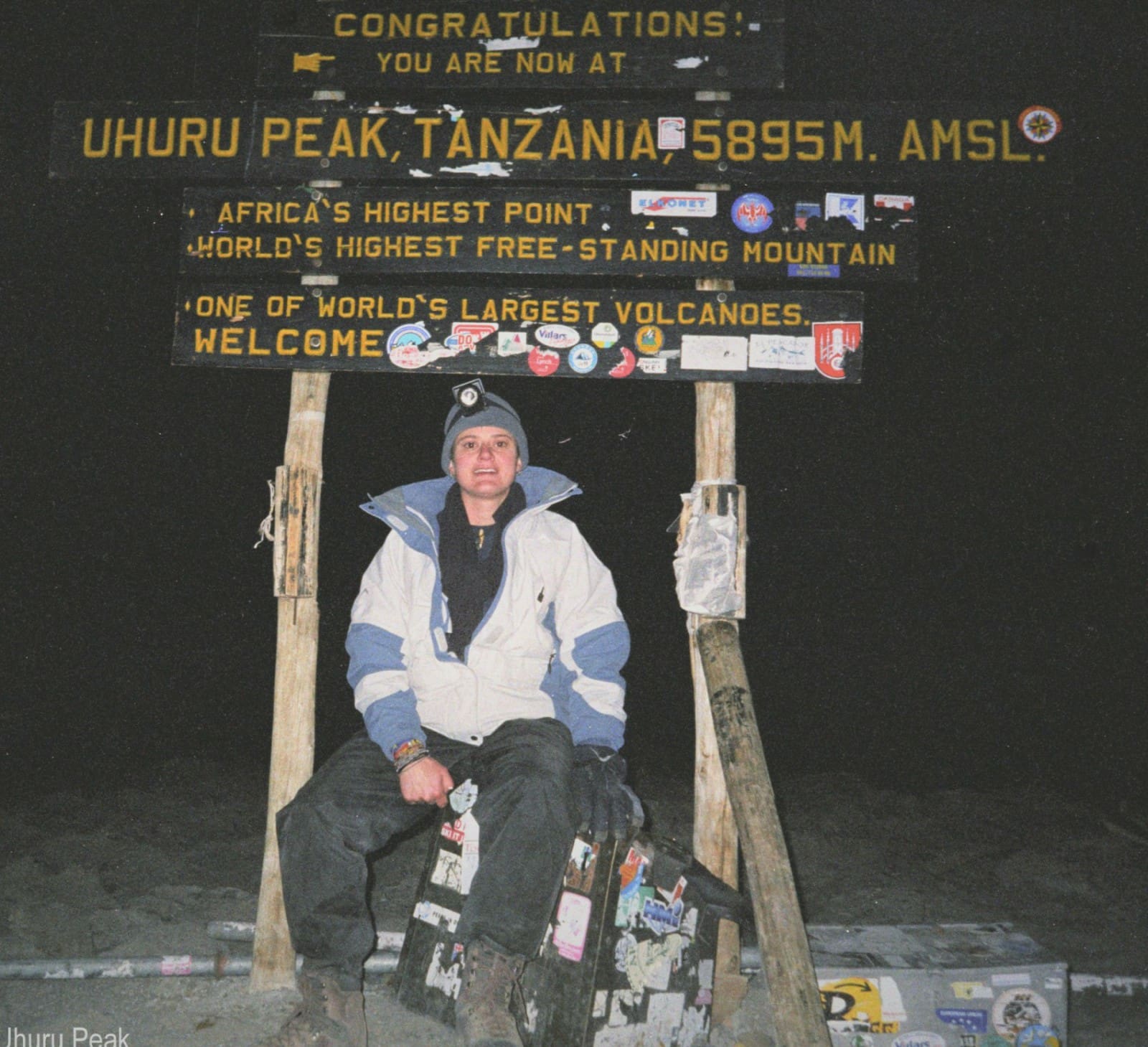 The remaining ice was protected from increasing air temperatures and insolation (solar radiation) under a layer of scoria so the ice probably lasted a lot longer than it should have and although a few pockets of buried ice were still visible the ‘Ice Plateau’ as it was once called is no more (images 5-left & 6-right).”
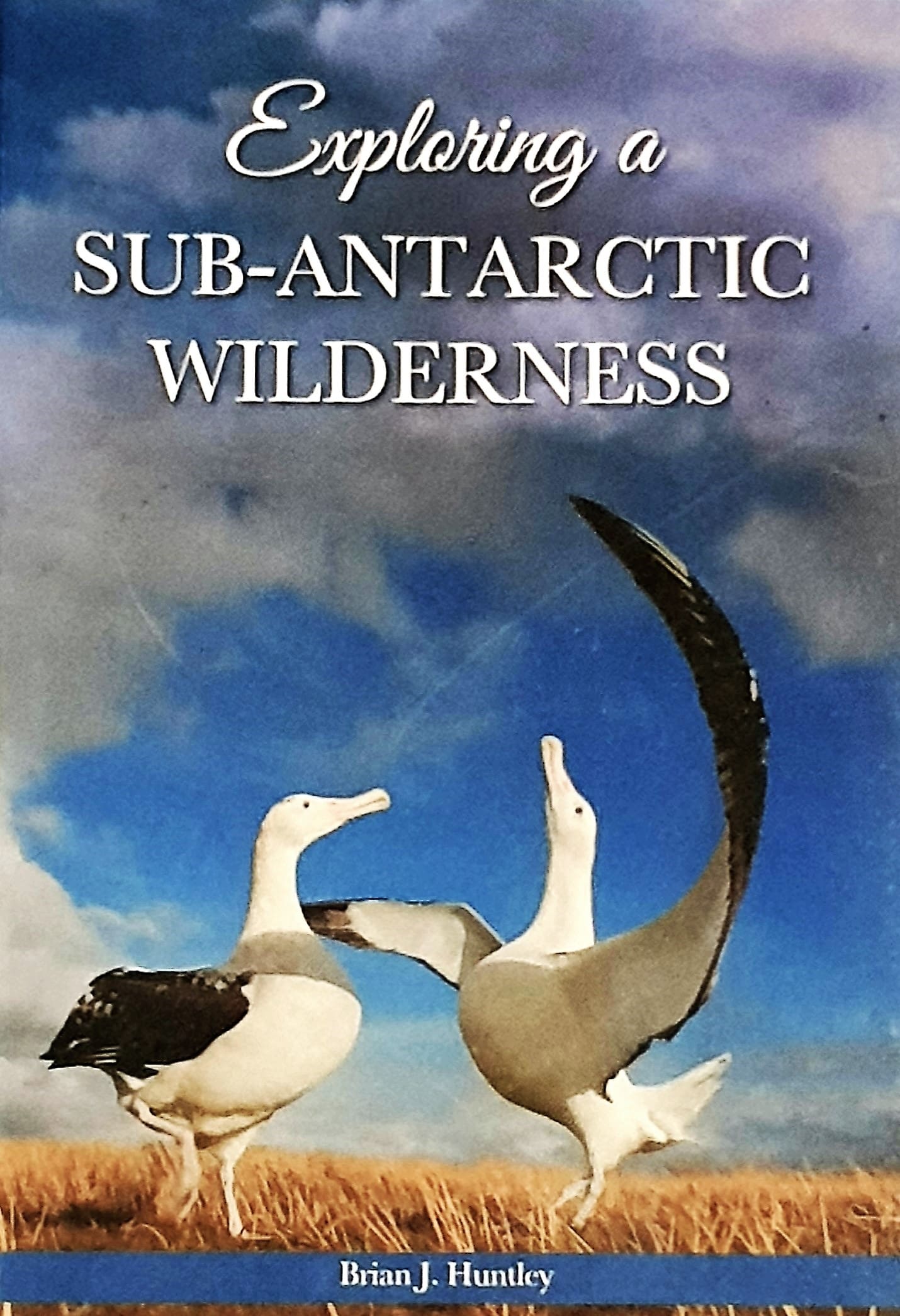 Dr Brian Huntley publication available form the Antarctic Legacy fo South Africa antarcticlegacy@sun.ac.za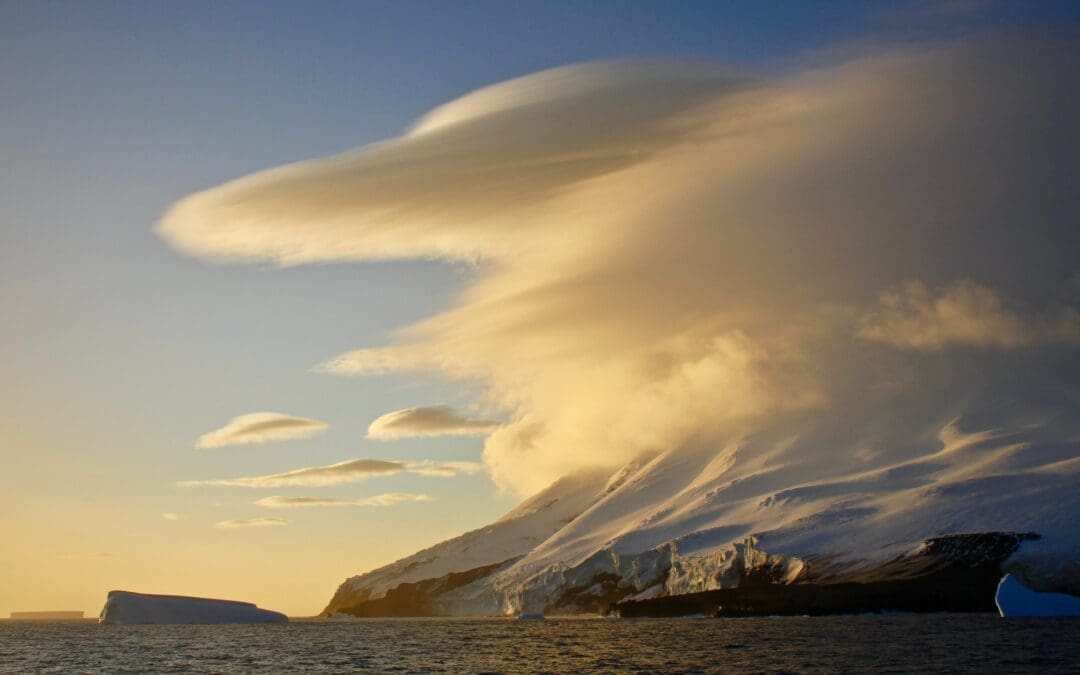
 This year the theme for
  The South African Antarctic Programme (SANAP) and




 (l-r) Zinhle Shongwe (Senior Meteorologist), Dylan Seaton (Assistant Meteoroglist) and Asavela Somaxaka (Meteorological Technician).
 Gerard (Boy) Oppel (Senior Meteorologist)
 It is also important to note that
 See
See 
 Today on International Women’s Day we are celebrating all those women involved within the South African National Antarctic Programme (SANAP).

 Within SANAP, women take on many roles. Throughout SANAP we find women in leadership positions which we celebrate; the Minister of Environment, Forestry and Fisheries, Minister Babara Creecy, the Director at Knowledge Advancement and Support (KAS) of the National Research Foundation Tracy Klarenbeek, Deputy Directors
 In the science environment there are many Principal Investigators and the chair for the
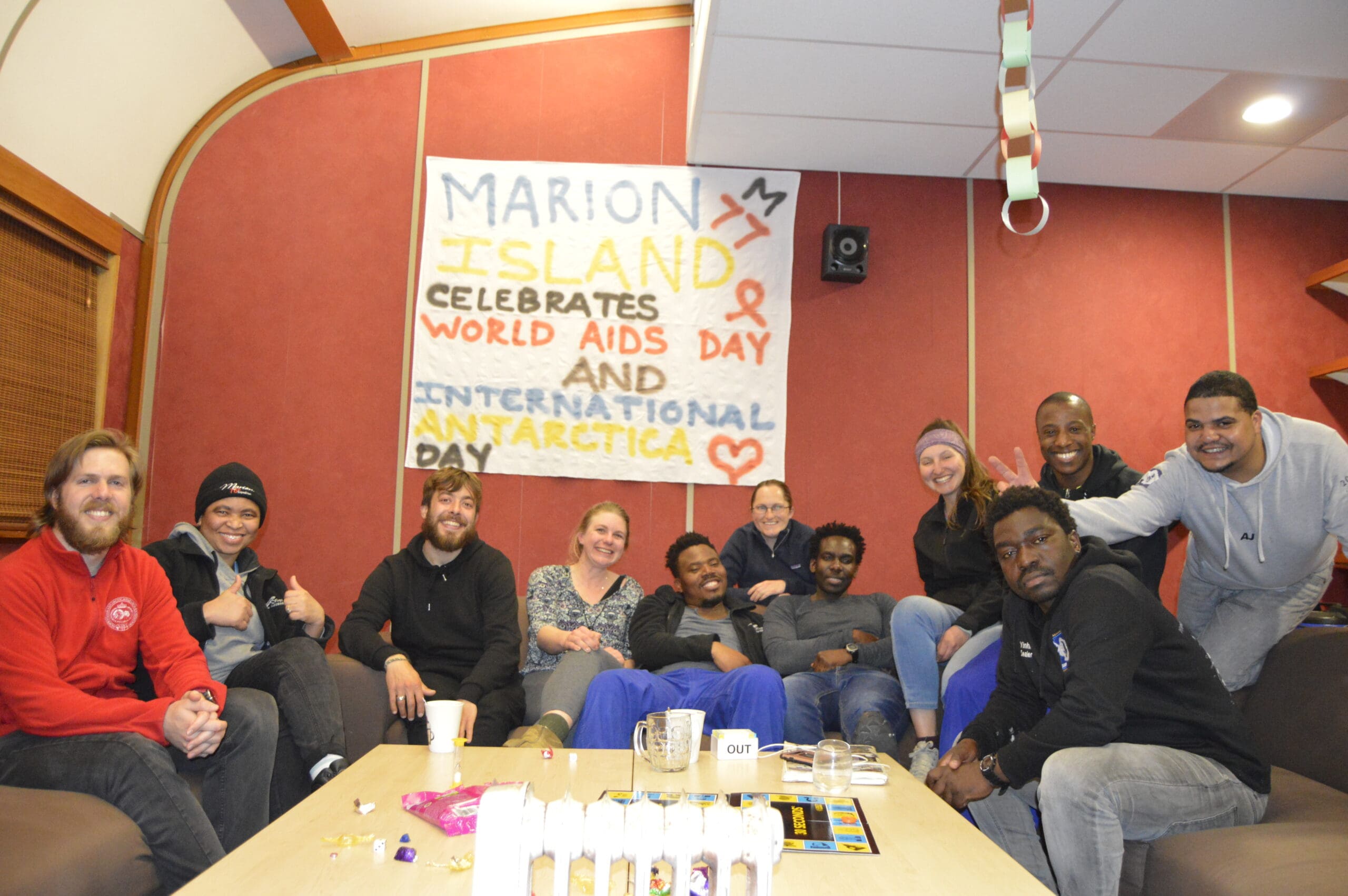 Marion 77 overwintering celebrated Antarctica day by having a typical South African Braai. They celebrated International Aids day as these two days are both the 1 December each year.
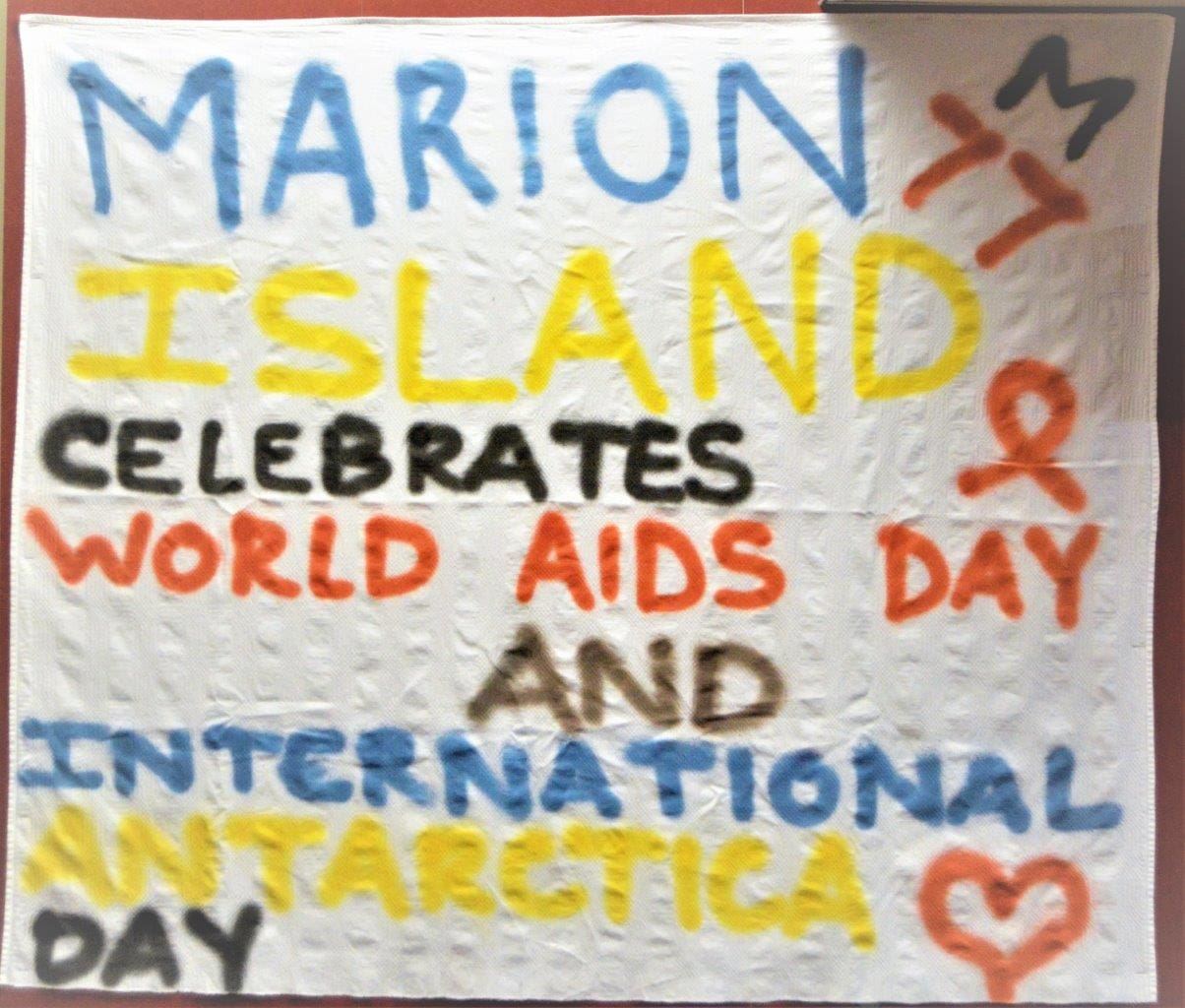 Alain Jacobs made the Antarctic Day banner for the team. Winnie (team leader) says that Alain is always eager to assist the team and always willing and able to assist. After dinner we played a 30 seconds game.


 “Auroras provide direct visual evidence that the atmosphere is shielding life on Earth from the radiation hazards of space.” –
 About 10% of the solar wind becomes trapped on the Earth’s magnetic field lines in a process called magnetic reconnection, the rest is rejected and flows past the planet into deep space. The trapped particles accumulate, but this cannot go on forever. They are eventually released into the upper-atmosphere in a process called substorms, exciting the atomic oxygen and molecular nitrogen to produce the familiar green and red colours from oxygen, and sometimes the blue colour as well from nitrogen. Charged particles, such as electrons and protons, are constrained to follow the magnetic field lines, and since the Earth’s magnetic field is similar to a dipole bar magnetic, it is only in polar regions where the magnetic field lines reach down to the ground, which is why the auroras appear mostly in polar regions.

 Auroras appear in the height range 100 to 300 km above the Earth’s surface, typically with red, green and blue appearing near the top, middle and bottom, respectively, of this height range. The height of the auroras, and therefore their colour, depends on the energy of the particles, with higher energy able to penetrate to lower altitudes. Auroras are rarely seen at lower latitudes such as South Africa except during major geomagnetic storms, an example of which occurred in 1989 when auroras were visible from Durban.
 The following are a few articles in the South African Journal on Antarctic Research available on the Antarctic Legacy of South Africa (ALSA) digital repository