by Ria Olivier | Jun 15, 2020 | geochemistry, Research, SA Agulhas II, Science, Southern Ocean
 Alakendra N Roychoudhury (Roy) grew up in India where he completed his post-graduate degree, Master of Science and Technology, in the field of Applied Geology from the Indian School of Mines. My career in Geology started because of my intense love for the outdoors and travelling to places where mainstream people don’t go. Believe it or not, one of the reasons going into geology was also to avoid Mathematics at college. I wouldn’t recommend it though, as I had to learn all the mathematics while pursuing my PhD in Marine Biogeochemistry at Georgia Institute of Technology, Atlanta, USA. You cannot be a good scientist without having a good grasp of mathematical principals. After finishing my doctoral degree, I joined as a lecturer at Northwestern University, Chicago, USA and eventually moved to University of Cape Town, South Africa as a senior lecturer. At present I am a Professor of Marine and Environmental Biogeochemistry at Stellenbosch University where I also acted as the Head of the Department of Earth Sciences in the past. As for Southern Ocean research, I developed and expanded the research program and research facilities in South Africa in open ocean trace metal biogeochemistry and currently head the TracEx research group at Stellenbosch University.
Why you love your career in science
Choosing a career in Science is not easy. There is always a pressure to go into fields where there are prospects of high paying jobs. One can survive in science only if they love what they are doing. My love developed from the sense of adventure that came with scientific research and travelling for fieldwork in remote places. Thanks to Science, I have been fortunate enough to touch all of the seven continents and the seven seas. Science constantly provides you with new opportunities and challenges that keeps the monotony at bay, which I think was the most critical for me. I will never survive in a suit and tie doing a 9 to 5 job. What excites me most is the realization that the deeper you investigate the more questions emerge and at some point, different fields of science seem to merge in developing a better understanding of the natural processes. A big part of my love for science is also teaching it because I like to see the same excitement in the eyes of my student for a research field that has consumed the better part of my life.
Message to future scientists and researchers:
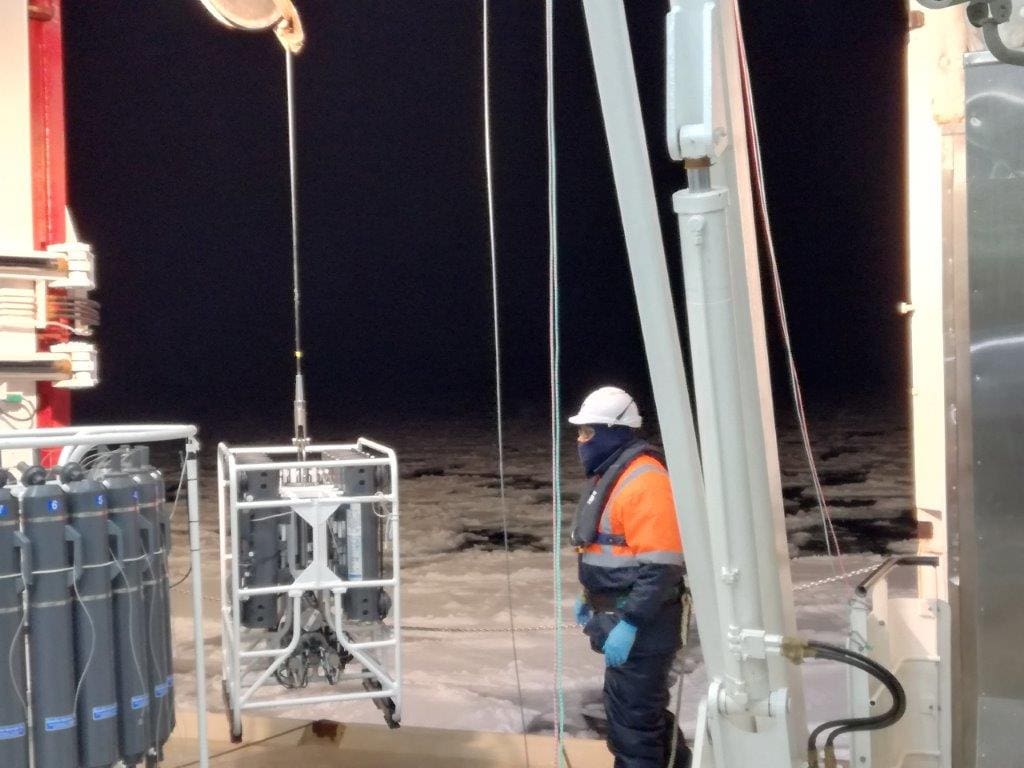
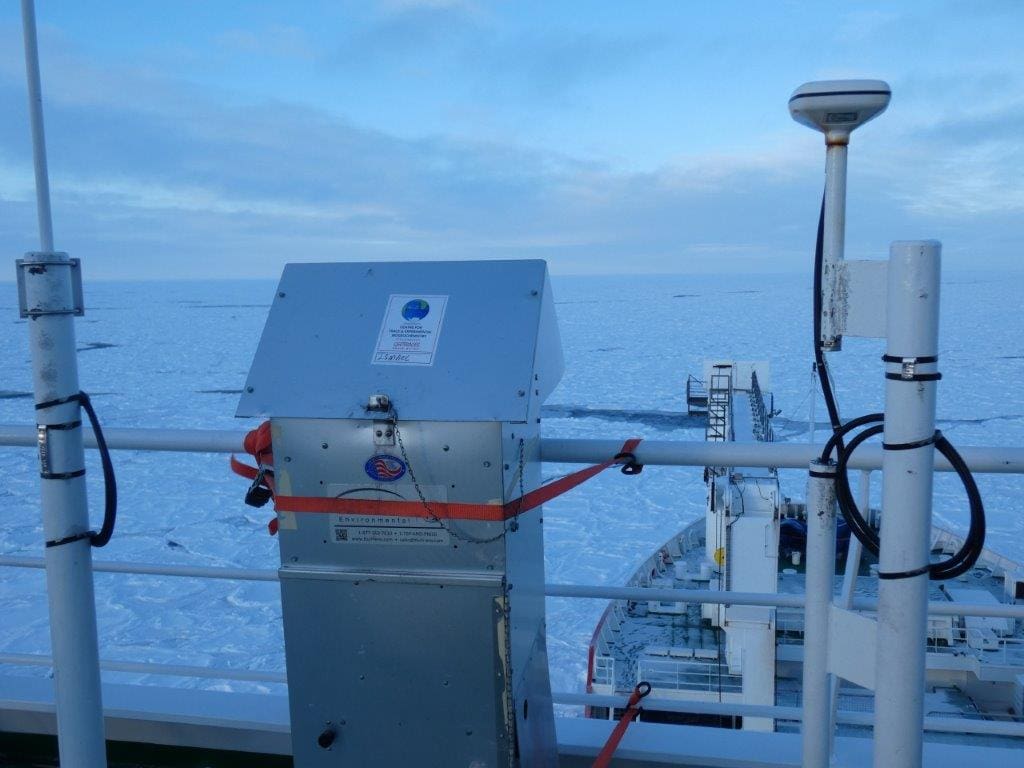
(Above: Images of Science Cruises in the Southern Ocean on the S.A. Agulhas II with Susan Fietz colleague and students) If you don’t ask the question “Why?” all the time until you run out of answers, you cannot be a scientist. Science thrives on curiosity and there is a lot to be curious about when it comes to the oceans. Oceans are truly the last frontier because we know more about space than oceans. Large parts of the oceans are unexplored and there are huge opportunities for one to make their mark. Marine chemistry or biogeochemistry in South Africa is highly underdeveloped, but this is a field that can answer the most critical questions such as climate change and anthropogenic influences on ocean processes, on which survival of the living planet depends. To be a good researcher in ocean sciences, you will have to have a good understanding of the principles and advanced knowledge of chemistry, physics, biology and mathematics and you will need an open mind to take on the teaching of these different fields while pursuing your focused research.
Links to read more about Prof Roy and his work
https://scholar.google.co.za/citations?user=kpXyzCYAAAAJ&hl=en
https://tracexsite.wordpress.com
https://www.whalesandclimate.org
https://alakendra.weebly.com
Like on Facebook: https://www.facebook.com/TracEx
Follow on Twitter: @geotracesSA
Listen to a media interview: https://youtu.be/1YUUpD87DBg
Text and images supplied by Roy Alakendra N Roychoudhury
by Ria Olivier | Apr 19, 2020 | geochemistry, Research, Science, Southern Ocean
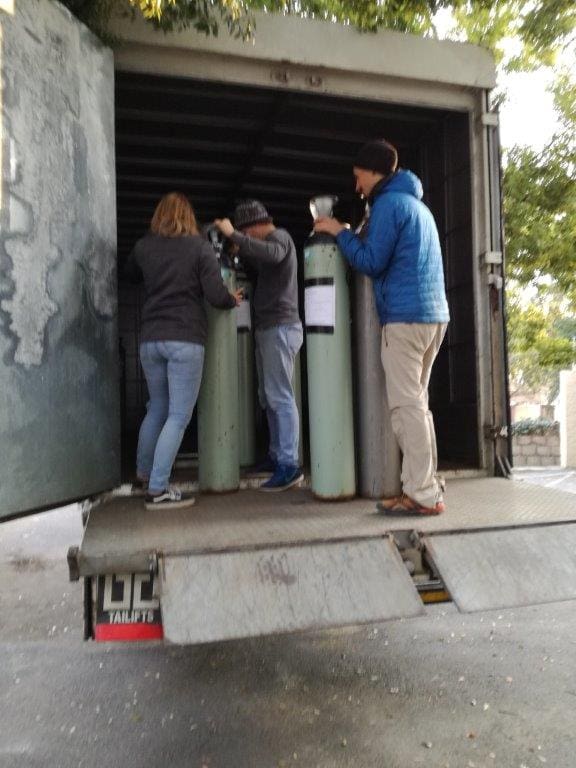
This SANAP project is part of a fantastic international collaborative effort Biogeoscapes, a follow up programme of GEOTRACES . (Left – During Winter Cruise 2017: Susanne Fietz, Ismael Kangueehi, Johan Viljoen, Ian Weir, Ryan Cloete)
Susanne Fietz at the department of Earth Sciences at the Stellenbosch University is the principal investigator. GEOTRACES and the follow up programme Biogeoscapes are programmes which aim to improve the understanding of biogeochemical cycles and large-scale distribution of trace elements and their isotopes in the marine environment. Scientists from approximately 35 nations have been involved in the programme, which is designed to study all major ocean basins over the next decade. In this project we work together with marine biogeochemists at University of Cape Town and CSIR (SOCCO), biotechnologists and genomicists at Stellenbosch University and University of Pretoria, as well as with colleagues at the Norwegian University of Science and Technology and Universidad Nacional Autónoma de México.
The global changes affecting the terrestrial ecosystems are matched by threats on the marine ecosystems, such as the warming of the ocean and concomitant changes in ocean structure, or marine pollution. The extent of the ecosystem alteration is still a matter of heated debates, especially when including stakeholders from industry in the discussion. Science is still far away from having all answers policy makers need. Furthermore, the notion that the oceans provide unlimited resources is still widely spread in society, despite a growing perception of rather straightforward threats such as overfishing.
Oceans are changing under pressure of global changes, be it for increase in temperature, sea-ice melt, stratification, acidification or pollutants. The tiny ocean’s inhabitants, the microorganisms, will mostly adapt to it, however, it will most likely result in shifts in community composition and thus in biogeochemical fluxes, including the export of carbon, essential for an efficient drawdown of atmospheric CO2. This project focus on the link between microorganisms and the chemistry of the seawater. Two major concerns drive our focus on the microorganisms:
- We know surprisingly little about the abundance and community structure of our tiniest organisms in the ocean.
- Microorganisms do significantly affect the marine biogeochemical cycles and ultimately our climate.
Marine primary production in the world’s oceans is generally limited by the availability of nutrients in the upper, sunlit waters. Nitrogen availability tends to limit productivity throughout much of the low-latitude oceans. The primary productivity in the Southern Ocean, in contrast, is primarily limited by constraints in bioavailability of trace metals such as iron that are vital for various biochemical processes, such as chlorophyll synthesis and nitrate utilization. Phytoplankton blooms in the Southern Ocean usually occur near the few islands scattered in the Southern Ocean, such as South Georgia or Kerguelen, and close to retrieving ice around Antarctica. In addition, changes in productivity are linked to times or areas of increased dust input. Increased primary productivity leads to two major consequences: a) food-web stimulation, and thus impact on biodiversity and fisheries and b) enhanced biological pump, and thus atmospheric CO2 sequestration.
Phytoplankton and microbial communities are normally studied separately, even though it is important to assess their tight interactions. Marine microbes compete for macro- and micronutrients with phytoplankton and largely control micronutrients bioavailability at the ocean surface, but they also control an efficient recycling system below the subsurface. This tight interplay between the microorganisms and the ocean’s chemistry has thus important implications for fisheries and for the global climate. The role(s) of microbial communities in the Southern Ocean are understudied, to the extent that it is often not known what species are present. The development of fast and cheap DNA sequencing technologies allows for their identification, and we will help fill this knowledge gap. The improved understanding of the functioning of the Southern Ocean ecosystem will then allow improving models projecting future global changes.
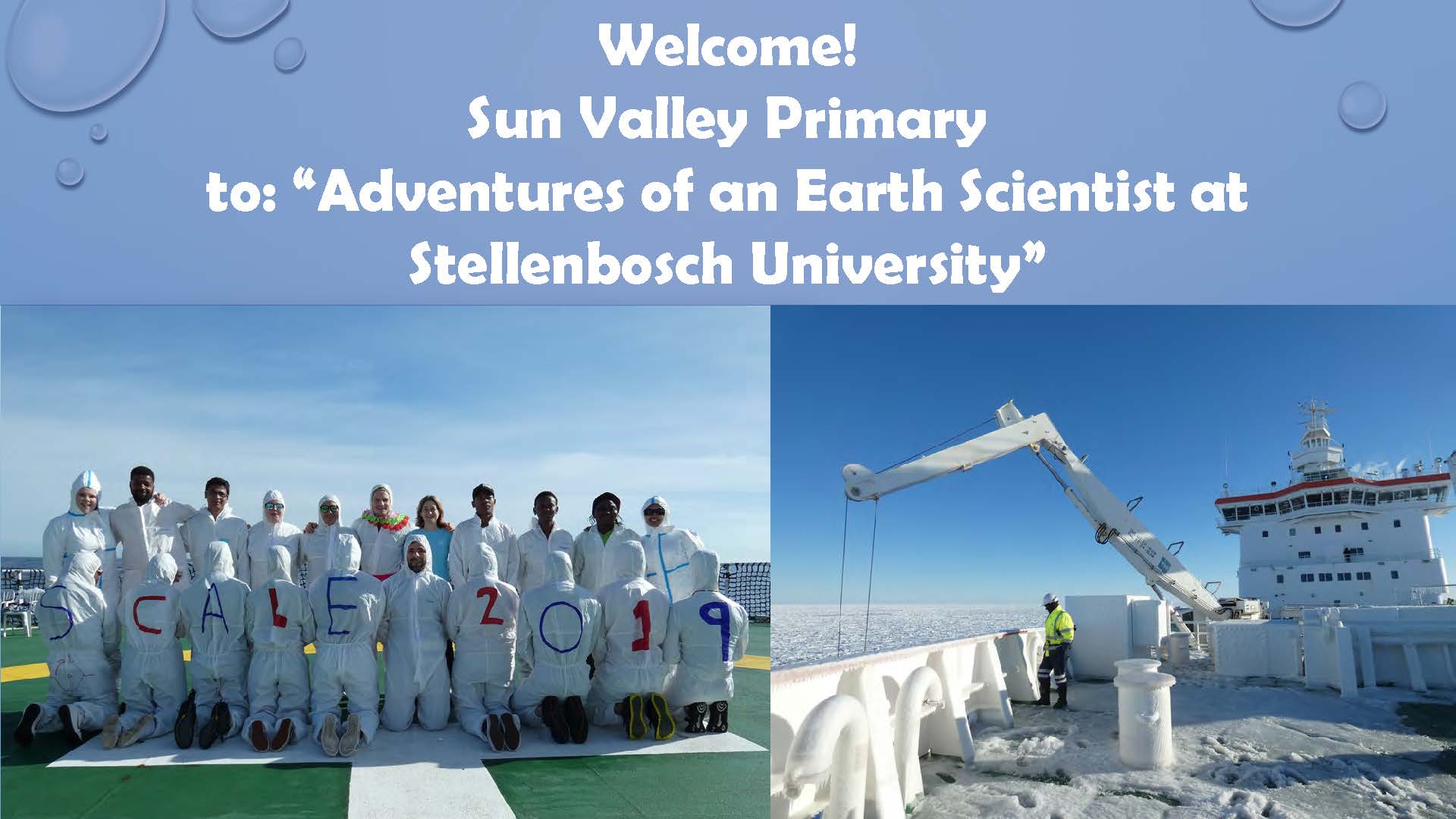
The project is involved in science awareness (left Susanne Fietz during an interview at the East Pier, Presentattion to Sun Valley School, Presenatition to Antarctic Season 2019). For more information visit their page. The educational video is available on the ALSA archive
by Ria Olivier | Apr 18, 2020 | geochemistry, Research, Science, SEAmester, Southern Ocean
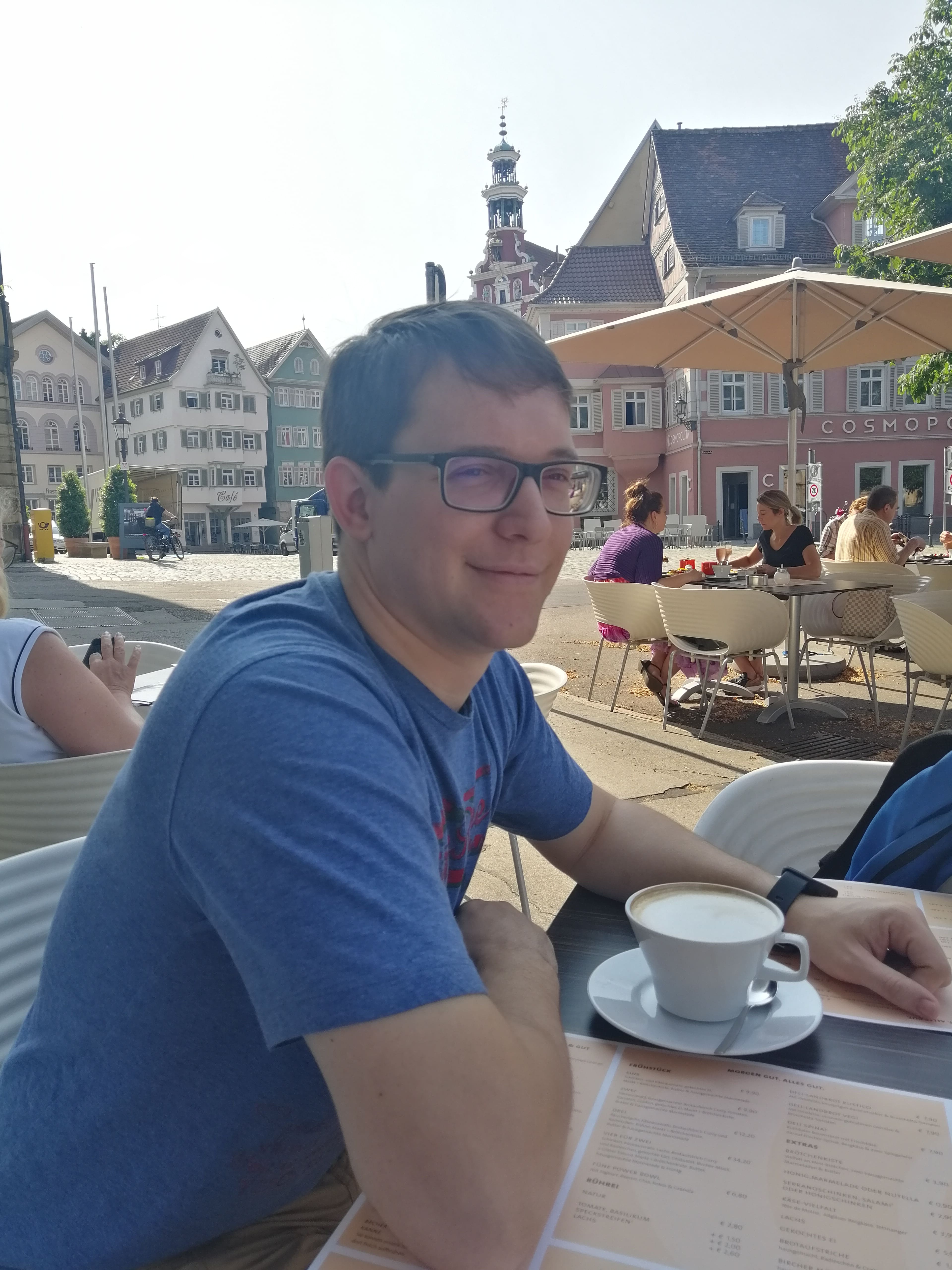
Johannes Jacobus Viljoen grew up in the small town of Wolseley in the upper Breede River Valley and started his tertiary education at Stellenbosch University after graduating high school in Ceres. He completed a BSc in Earth Science in 2015 and became the first member in his family with a university qualification. In 2016, he completed a BSc (Hons) Earth Science degree in Environmental Geochemistry where he gained a keen interest in marine biogeochemistry and research. He continued his studies as a graduate research student on phytoplankton distribution in the Southern Ocean at Stellenbosch University within the Centre for Trace and Experimental Biogeochemistry (TracEx ), earning a MSc degree (cum laude) in 2018.
Johan is currently a PhD candidate in Earth Science at Stellenbosch University (SU). His research focus is part of a larger project within the South African National Antarctic Programme (SANAP) of which the main aim is to understand the biological and biogeochemical processes occurring in the Southern Ocean, how this is linked and will affect our global climate. His PhD research within TracEx revolves around marine biogeochemistry and aims to better understand phytoplankton dynamics in the Southern Ocean and their links to macro- and micronutrients distributions across various seasons and within poorly sampled regions. He specifically strives to specialize in the use of phytoplankton pigments to identifying and quantifying phytoplankton groups essential to the marine carbon cycle and assess their photoprotective abilities and adaptability within the current changing ocean environment. To date, Johan has participated in three research cruises on board South Africa’s flagship research vessel, the S.A. Agulhas II . For his first research cruise, a summer resupply cruise to Antarctica (SANAE 56: Nov 16 – Feb 17), he skipped his BSc (Hons) graduation in December 2016 to join this cruise and collect samples for multiple projects on his own. He wrote a blog tabout his experiences during this cruise and what it was like on the Antarctic ice shelf during the SANAE 56 take-over . He participated in two further research specific cruises to the Southern Ocean during winter as a member of the TracEx team, one to the Indian sector in July 2017 (for which he had to postpone his honeymoon ) and another to the Atlantic sector during the SCALE winter cruise (July/Aug 2019).
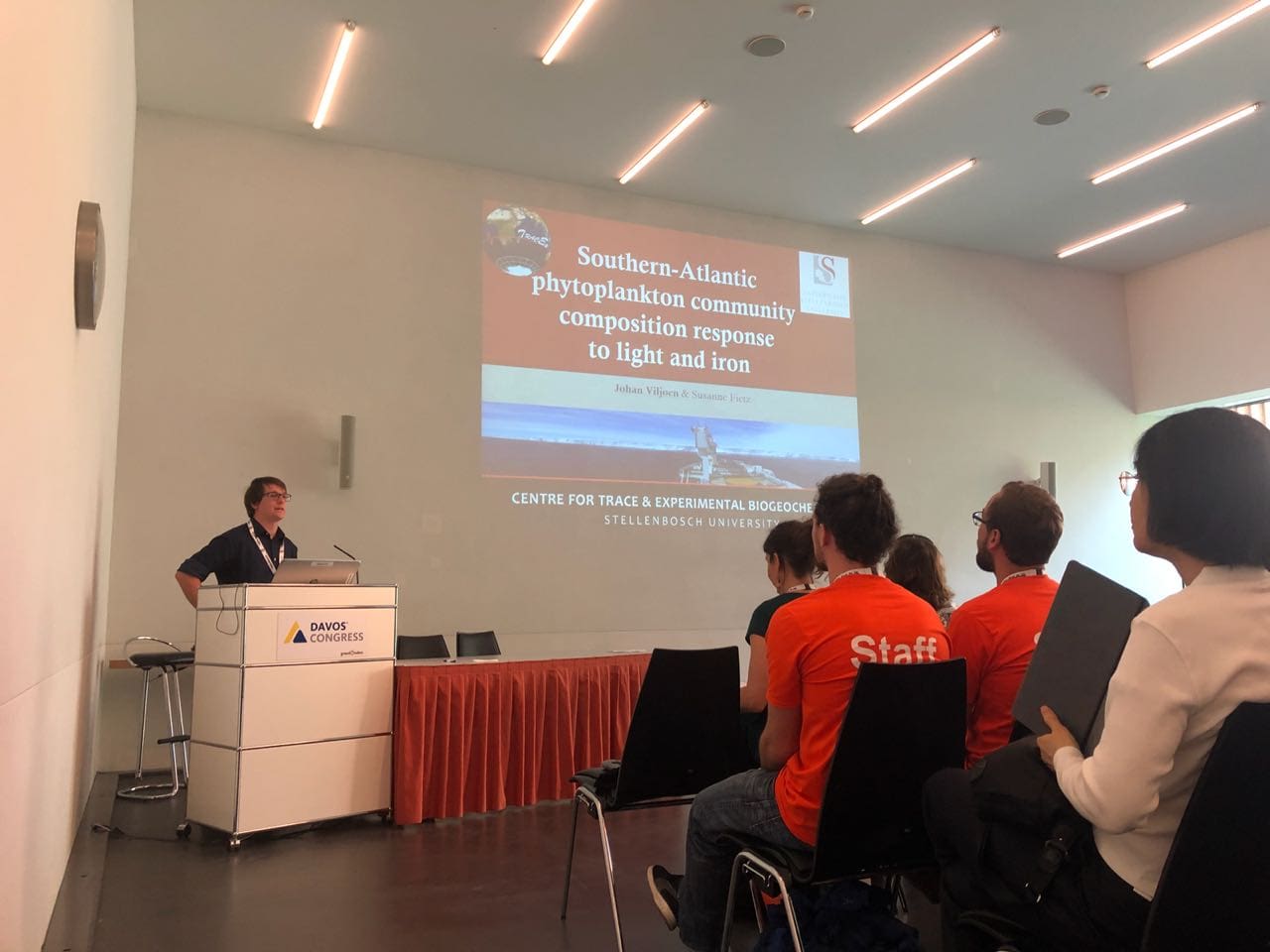
He attended his first SANAP symposium in 2016. He attended the Polar 2018 conference in Davos, Switzerland in 2018 where he presented an oral presentation on his research. He later joined the South African branch of the Association for Polar Early Career Scientists (APECS-SA) as a committee member during his second SANAP symposium in 2018. He currently serves on the APECS-SA national committee as one of the co-chairs. From 2018 – 2019, he also served as the postgraduate representative of the Department of Earth Sciences at SU on the postgraduate committee of the Faculty of Science.
Johan is driven to learn more about marine science and sharing his research and experiences with others. To date, he has published two scientific articles from his MSc research and aims to follow an academic career. In August 2017, he was awarded the opportunity by the SU International office to attend a summer school at the University of Helsinki: Introduction to modern atmospheric science. In September 2019, he was awarded a SCOR travel bursary to attend the 2nd International Geotraces Summer School in Spain to further his knowledge about trace metals and their role in the marine environment.
He is also active on Twitter (@JohanSOV ), utilising social media to promote his and other marine science research. He also has a vested interest in science communication and attended a master class in science communication offered by CREST at SU in December 2019 to advance his skills in science communication. He has volunteered at the retirement home in his hometown, talking to those less mobile about his experiences onboard the SA Agulhas II and the history of SA in Antarctica. He and other members of TracEx have participated in multiple outreach visits of primary and high schools to their department and have been volunteer guides for first year BSc student onboard the S.A. Agulhas II.
In his free time, he enjoys spending time with his family and friends, watching documentaries and movies based on true events, reading, hiking and travelling. He considers himself to be a bit of a coffee connoisseur, a budding gardener and an experimental cook.
With determination, hard work and by accepting help when needed you can reach any goal. “Alone we can do so little; Together we can do so much.” Helen Keller
Photo Credit and Text: Johan Viljoen – Profile

 Alakendra N Roychoudhury (Roy) grew up in India where he completed his post-graduate degree, Master of Science and Technology, in the field of Applied Geology from the Indian School of Mines. My career in Geology started because of my intense love for the outdoors and travelling to places where mainstream people don’t go. Believe it or not, one of the reasons going into geology was also to avoid Mathematics at college. I wouldn’t recommend it though, as I had to learn all the mathematics while pursuing my PhD in Marine Biogeochemistry at Georgia Institute of Technology, Atlanta, USA. You cannot be a good scientist without having a good grasp of mathematical principals. After finishing my doctoral degree, I joined as a lecturer at Northwestern University, Chicago, USA and eventually moved to University of Cape Town, South Africa as a senior lecturer. At present I am a Professor of Marine and Environmental Biogeochemistry at Stellenbosch University where I also acted as the Head of the Department of Earth Sciences in the past. As for Southern Ocean research, I developed and expanded the research program and research facilities in South Africa in open ocean trace metal biogeochemistry and currently head the TracEx research group at Stellenbosch University.

 Why you love your career in science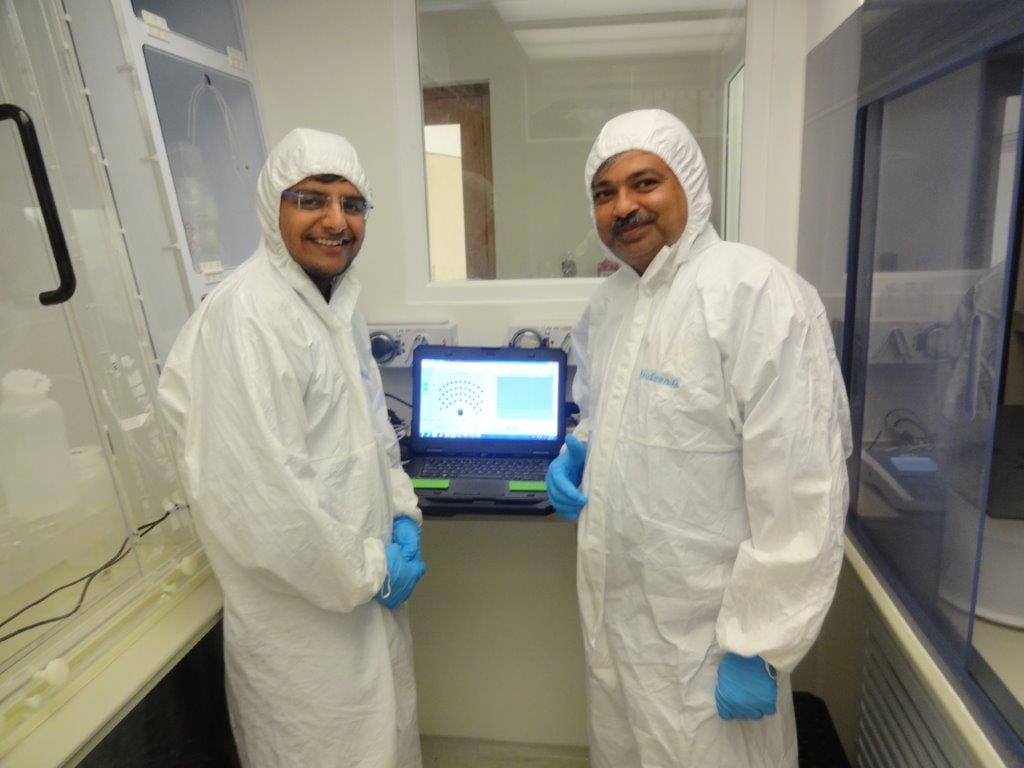
 Choosing a career in Science is not easy. There is always a pressure to go into fields where there are prospects of high paying jobs. One can survive in science only if they love what they are doing. My love developed from the sense of adventure that came with scientific research and travelling for fieldwork in remote places.
 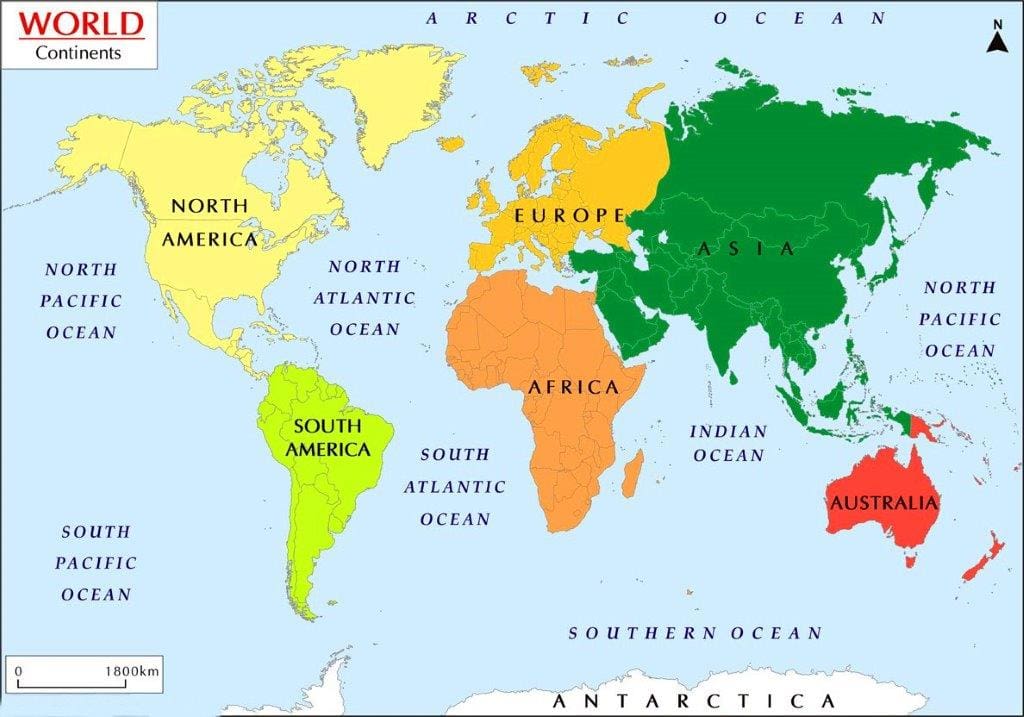 Thanks to Science, I have been fortunate enough to touch all of the seven continents and the seven seas. Science constantly provides you with new opportunities and challenges that keeps the monotony at bay, which I think was the most critical for me. I will never survive in a suit and tie doing a 9 to 5 job. What excites me most is the realization that the deeper you investigate the more questions emerge and at some point, different fields of science seem to merge in developing a better understanding of the natural processes. A big part of my love for science is also teaching it because I like to see the same excitement in the eyes of my student for a research field that has consumed the better part of my life.

 (Above: Images of Science Cruises in the Southern Ocean on the S.A. Agulhas II with Susan Fietz colleague and students) If you don’t ask the question “Why?” all the time until you run out of answers, you cannot be a scientist. Science thrives on curiosity and there is a lot to be curious about when it comes to the oceans. Oceans are truly the last frontier because we know more about space than oceans. Large parts of the oceans are unexplored and there are huge opportunities for one to make their mark. Marine chemistry or biogeochemistry in South Africa is highly underdeveloped, but this is a field that can answer the most critical questions such as climate change and anthropogenic influences on ocean processes, on which survival of the living planet depends. To be a good researcher in ocean sciences, you will have to have a good understanding of the principles and advanced knowledge of chemistry, physics, biology and mathematics and you will need an open mind to take on the teaching of these different fields while pursuing your focused research.

 The global changes affecting the terrestrial ecosystems are matched by threats on the marine ecosystems, such as the warming of the ocean and concomitant changes in ocean structure, or marine pollution. The extent of the ecosystem alteration is still a matter of heated debates, especially when including stakeholders from industry in the discussion. Science is still far away from having all answers policy makers need. Furthermore, the notion that the oceans provide unlimited resources is still widely spread in society, despite a growing perception of rather straightforward threats such as overfishing.

 Marine primary production in the world’s oceans is generally limited by the availability of nutrients in the upper, sunlit waters. Nitrogen availability tends to limit productivity throughout much of the low-latitude oceans. The primary productivity in the Southern Ocean, in contrast, is primarily limited by constraints in bioavailability of trace metals such as iron that are vital for various biochemical processes, such as chlorophyll synthesis and nitrate utilization. Phytoplankton blooms in the Southern Ocean usually occur near the few islands scattered in the Southern Ocean, such as South Georgia or Kerguelen, and close to retrieving ice around Antarctica. In addition, changes in productivity are linked to times or areas of increased dust input. Increased primary productivity leads to two major consequences: a) food-web stimulation, and thus impact on biodiversity and fisheries and b) enhanced biological pump, and thus atmospheric CO2 sequestration.
 Phytoplankton and microbial communities are normally studied separately, even though it is important to assess their tight interactions. Marine microbes compete for macro- and micronutrients with phytoplankton and largely control micronutrients bioavailability at the ocean surface, but they also control an efficient recycling system below the subsurface. This tight interplay between the microorganisms and the ocean’s chemistry has thus important implications for fisheries and for the global climate. The role(s) of microbial communities in the Southern Ocean are understudied, to the extent that it is often not known what species are present. The development of fast and cheap DNA sequencing technologies allows for their identification, and we will help fill this knowledge gap. The improved understanding of the functioning of the Southern Ocean ecosystem will then allow improving models projecting future global changes.
 The project is involved in science awareness (left Susanne Fietz during an interview at the East Pier, Presentattion to Sun Valley School, Presenatition to Antarctic Season 2019). For more information visit their
 Johannes Jacobus Viljoen grew up in the small town of Wolseley in the upper Breede River Valley and started his tertiary education at Stellenbosch University after graduating high school in Ceres. He completed a BSc in Earth Science in 2015 and became the first member in his family with a university qualification. In 2016, he completed a BSc (Hons) Earth Science degree in Environmental Geochemistry where he gained a keen interest in marine biogeochemistry and research. He continued his studies as a graduate research student on phytoplankton distribution in the Southern Ocean at Stellenbosch University within the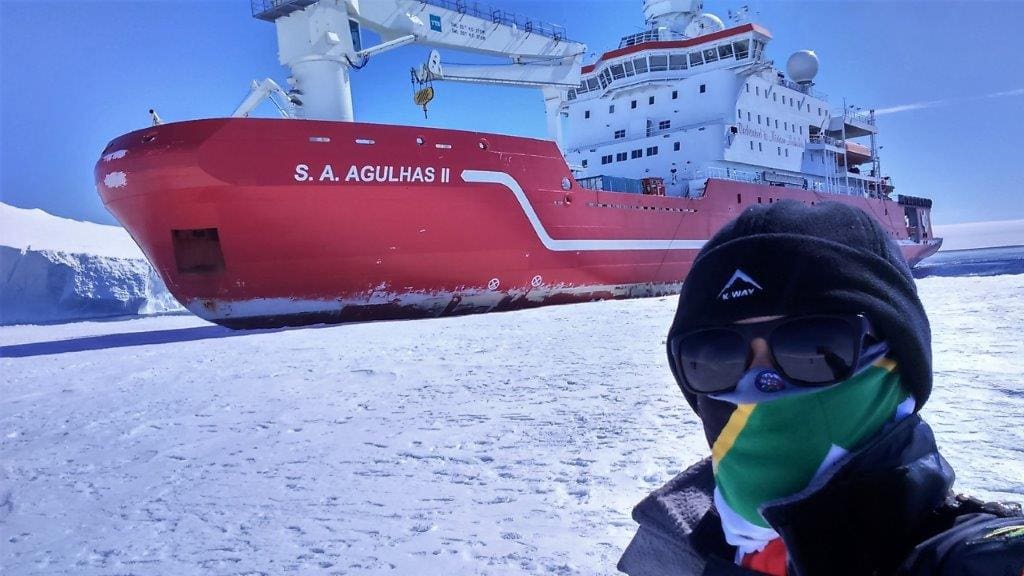
 Johan is currently a
  He attended his first SANAP symposium in 2016. He attended the Polar 2018 conference in Davos, Switzerland in 2018 where he presented an oral presentation on his research. He later joined the South African branch of the Association for Polar Early Career Scientists (APECS-SA) as a committee member during his second SANAP symposium in 2018. He currently serves on the APECS-SA national committee as one of the co-chairs. From 2018 – 2019, he also served as the postgraduate representative of the Department of Earth Sciences at SU on the postgraduate committee of the Faculty of Science.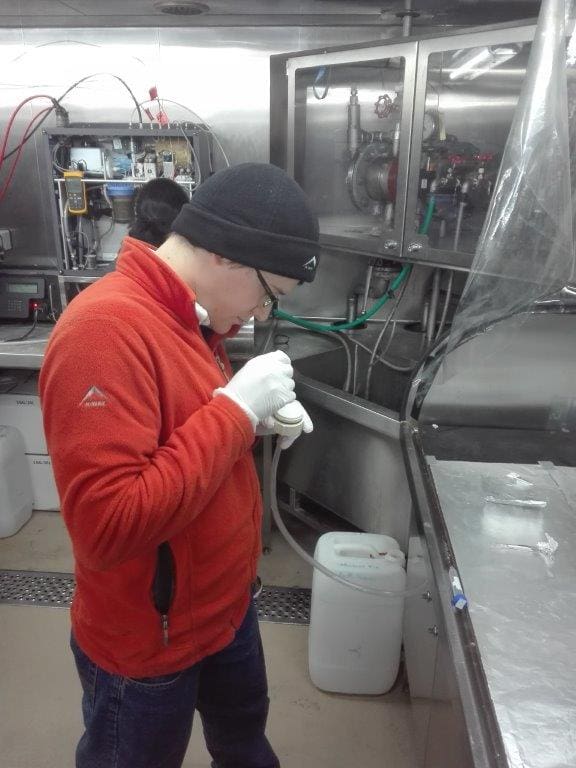
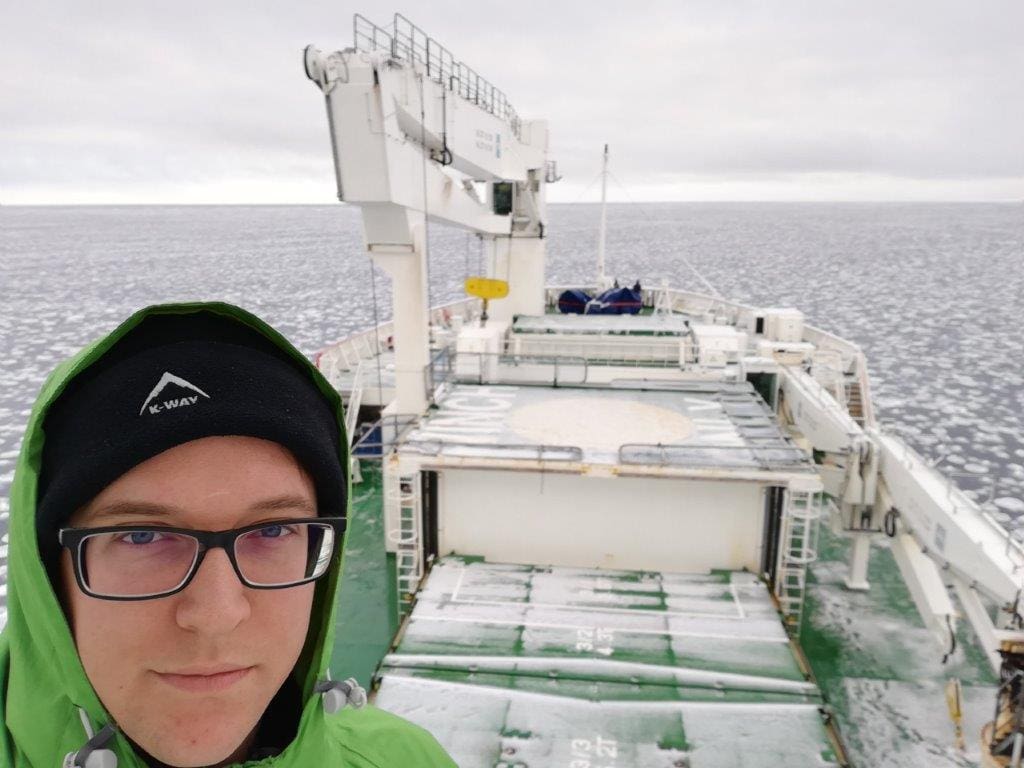 Johan is driven to learn more about marine science and sharing his research and experiences with others. To date, he has published two scientific articles from his MSc research and aims to follow an academic career. In August 2017, he was awarded the opportunity by the
 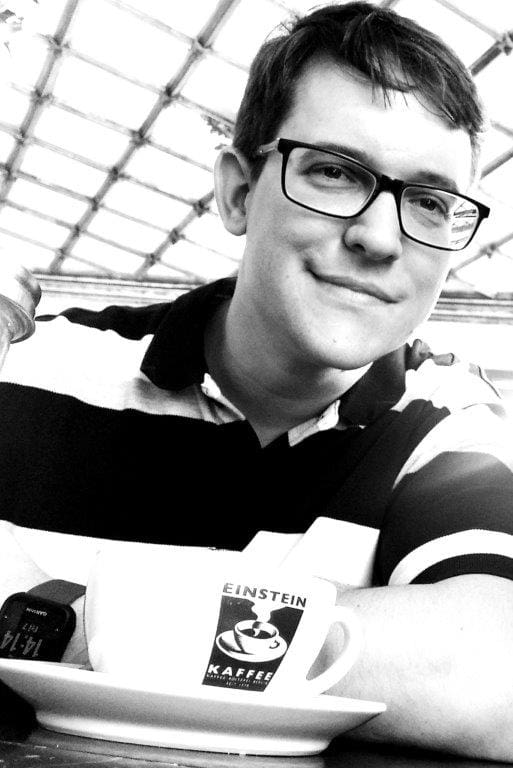 In his free time, he enjoys spending time with his family and friends, watching documentaries and movies based on true events, reading, hiking and travelling. He considers himself to be a bit of a coffee connoisseur, a budding gardener and an experimental cook.