by Ria Olivier | Jul 31, 2021 | International Days, Marine Protected Area, Marion Island, Prince Edward Island, Prince Edward Islands
 The 1st of August 2021 represents Africa’s first ever Marine Protected Area Day. “A Marine Protected Area (MPA) is an area of coastline or ocean that is specially protected for the benefit of people and nature The rich diversity of coastal and ocean ecosystems in South Africa are protected through a network of MPAs. Prior to 2019, there were 25 formally declared MPAs including 23 permanent coastal MPAs, including the large Prince Edward Islands (PEIs) MPA in the Southern Ocean. Thirty percent of South Africa’s territory in the Southern Ocean is protected by Prince Edward Islands MPA- https://www.marineprotectedareas.org.za
MARINE LIVING RESOURCES ACT 18 OF 1998 = – REGULATIONS FOR THE MANAGEMENT OF THE PRINCE EDWARD ISLANDS MARINE PROTECTED AREA – Published under Government Notice R422 in Government Gazette 36572, dated 21 June 2013. Gazette No. 18930, Notice No. 747. Commencement date: 1 September 1998 [Proc. No. 80, Gazette No. 19148]
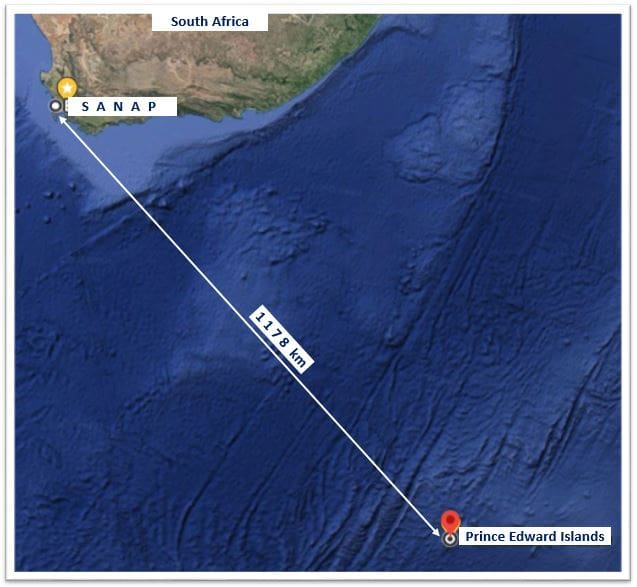
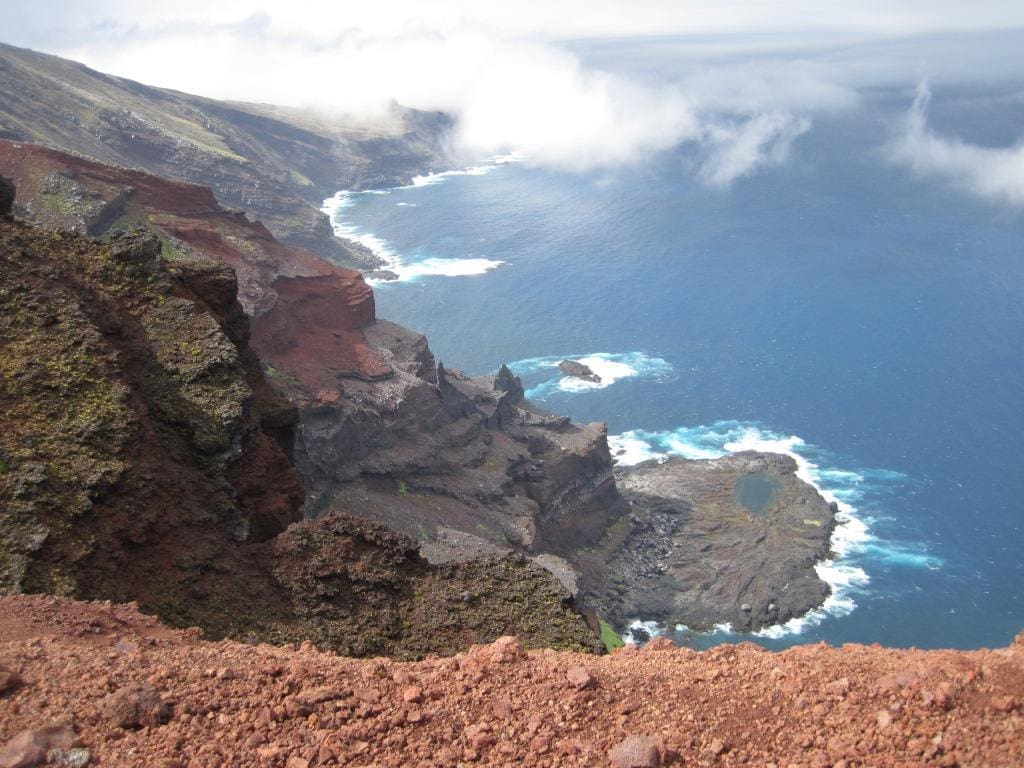
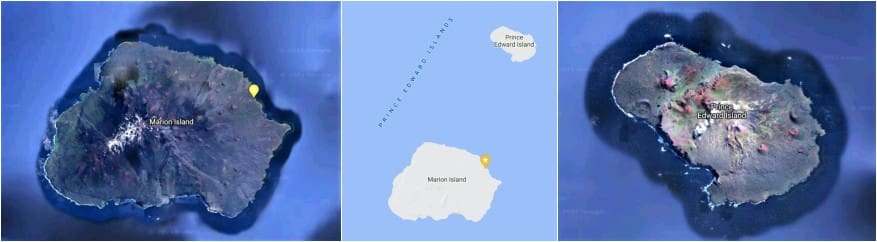
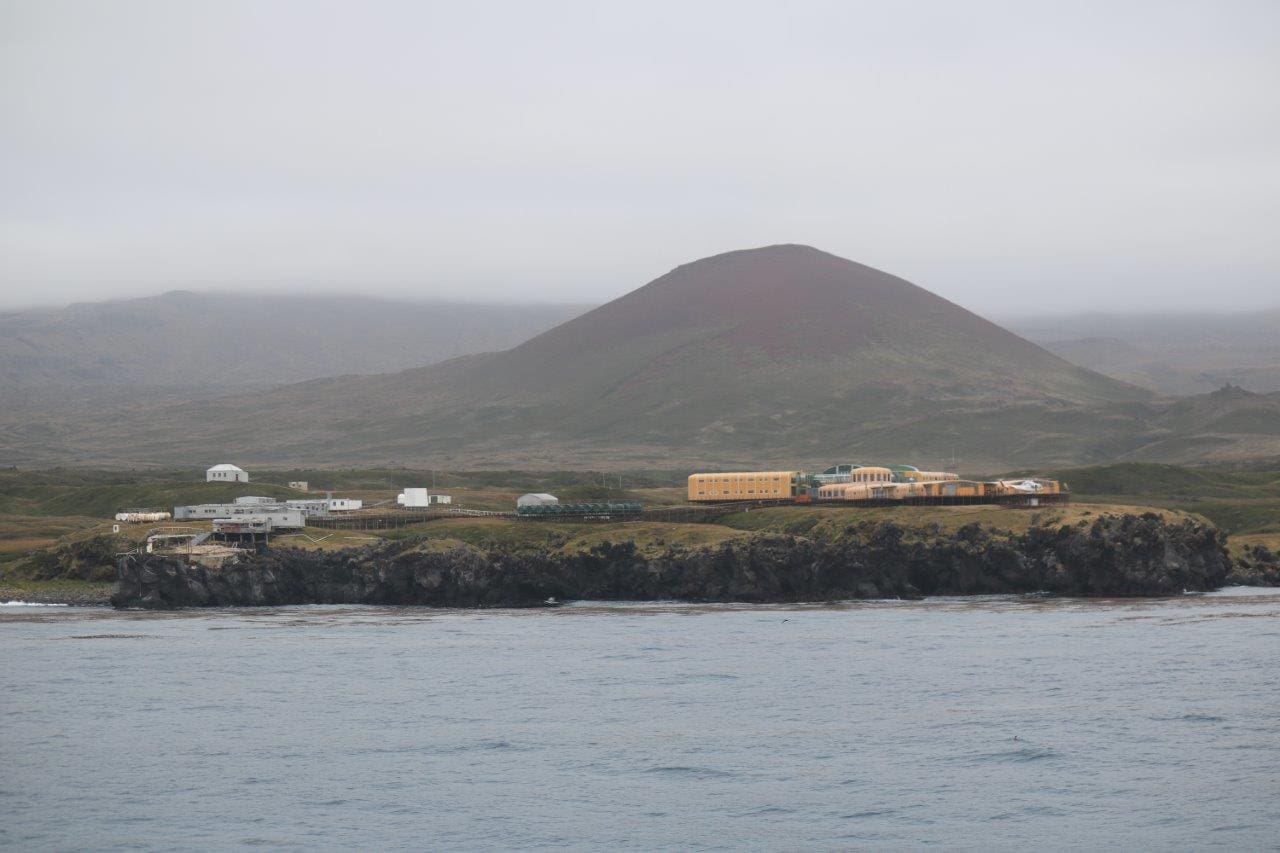
Prince Edward Islands Marine protected Area is a “A volcanic sub-Antarctic wilderness teeming with hundreds of thousands of penguins, albatrosses, petrels and seals. The Prince Edward Islands are the jewels in South Africa’s island crown. They comprise of the larger Marion Island and the smaller Prince Edward Island, which were annexed by the South African navy in 1948. A permanent weather station has been in operation ever since that provides vital information needed to monitor weather and climate change in the Southern Ocean. The islands are home to unique plants and animals not found near the South African mainland. There are millions of penguins, albatrosses, petrels, seals and a transient group of killer whales. The MPA was proclaimed in 2013 and covers 30% of South Africa’s Southern Ocean territory, representing 80% of its ecosystem diversity. It protects the productive waters surrounding the islands, as well as important features such as seamounts. This ensures that the krill and fish stocks that top predators depend on are not overexploited. Historically, there was intense fishing for Patagonion toothfish, but this collapsed and has been restricted to two vessels to allow for their recovery. The terrestrial ecosystems are under threat from invasive house mice that were accidentally introduced in the 1800s. The Mouse Free Marion project plans to eradicate the mice in 2021 to allow for the ecological recovery of the island’s plant, insect and seabird communities.” –https://www.marineprotectedareas.org.za/prince-edward-islands-mpa
Prince Edward Island
Marion Island
Images, videos and documents available on the Antarctic Legacy of South Africa’s Archive:
by Ria Olivier | Jul 10, 2021 | Announcement, Marion Island, News, Newsletters>Marion Island Newsletters, Overwintering Team, SANAP, sub-Antarctic
In this edition:
- Meet the 78th Marion Island Overwintering Team (2021 – 2022)
- New killer whale calf
- Sealer, Frikkie van der Vyver, spot another Porbeagle shark on beach
- Midwinter 2021 celebration
- and more…
Click here to download this issue of The Wanderer.
Click here to view all The Wanderers (Marion Island newsletters) available on the ALSA Archive (since 1976).
Anché Louw, Antarctic Legacy of South Africa, 10 July 2021
by Ria Olivier | Jul 5, 2021 | Biosecurity, Environment, Invasion Biology, Marion Island, Mice Eradication, Research, Science
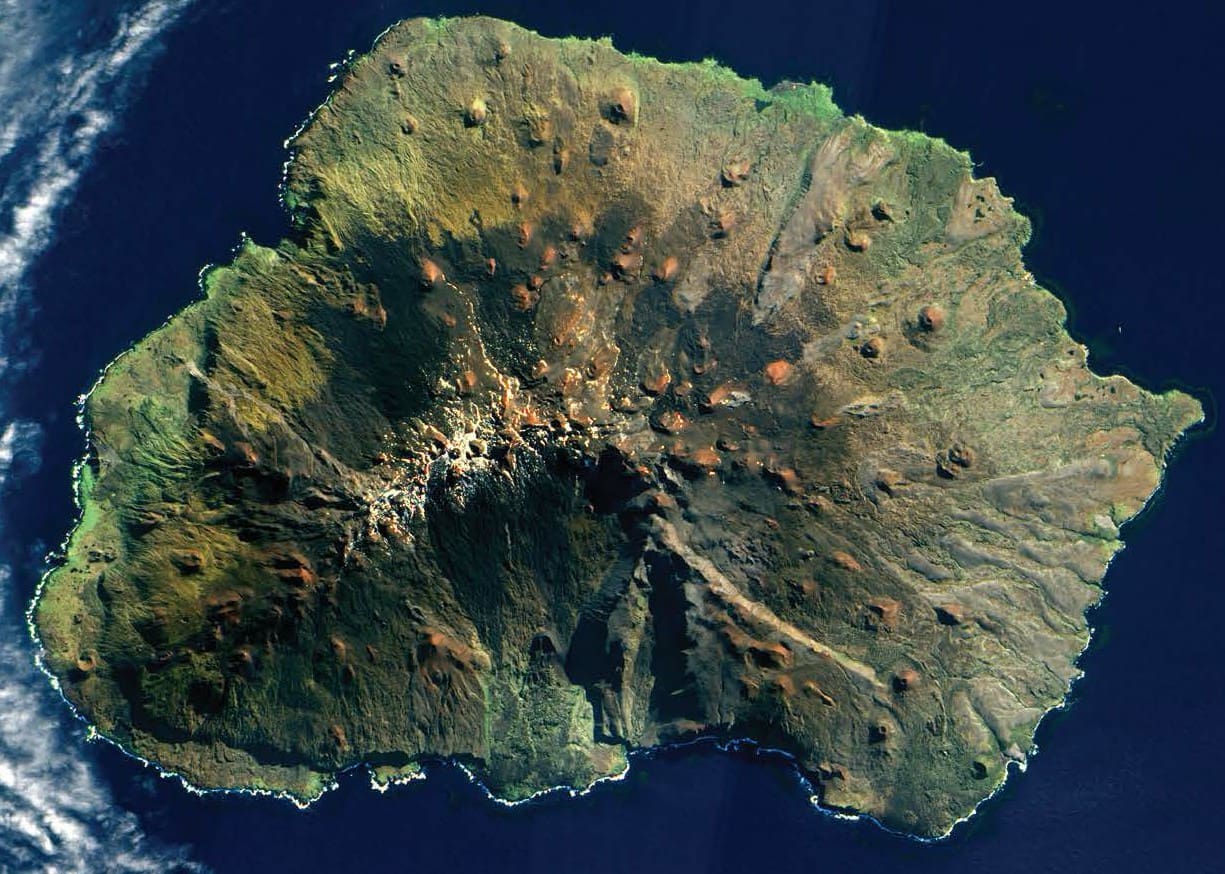
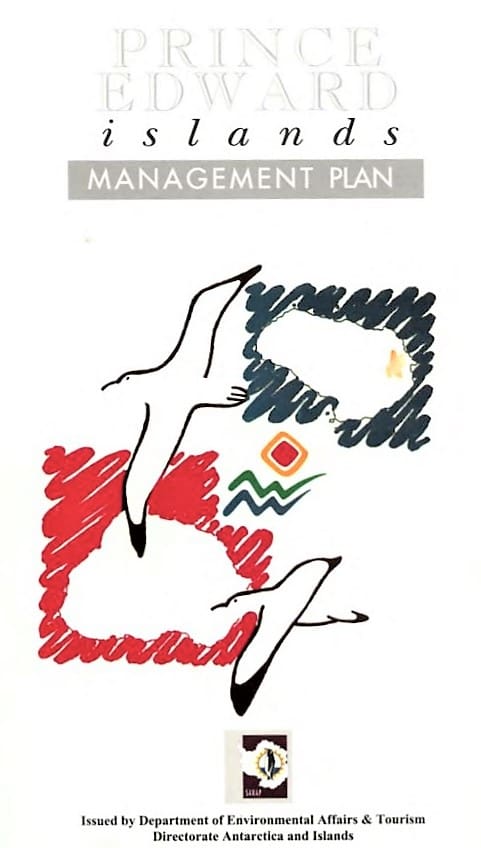
Marion Island (29 000 hectares) and Prince Edward (4500 hectares), collectively known as the Prince Edward Islands (PEIs) were annexed by South Africa in December 1947 and January 1948, respectively. Since then, South Africa has maintained a research and weather station on Marion Island, Prince Edward remains uninhabited. The PEIs were declared a Special Nature Reserve in 1995, a Ramsar Wetland Site of International Importance in 2007 and the surrounding waters a Marine Protected Area in 2009. The islands, governed by a suite of national environmental legislation under the Prince Edward Islands Management Plan (which includes a plan for the control and eradication of invasive alien species), are managed by the Oceans and Coasts Branch of the Department of Forestry, Fisheries and the Environment (DFFE) as the designated Management Authority under the National Environmental Management Protected Areas Act 57 of 2003.
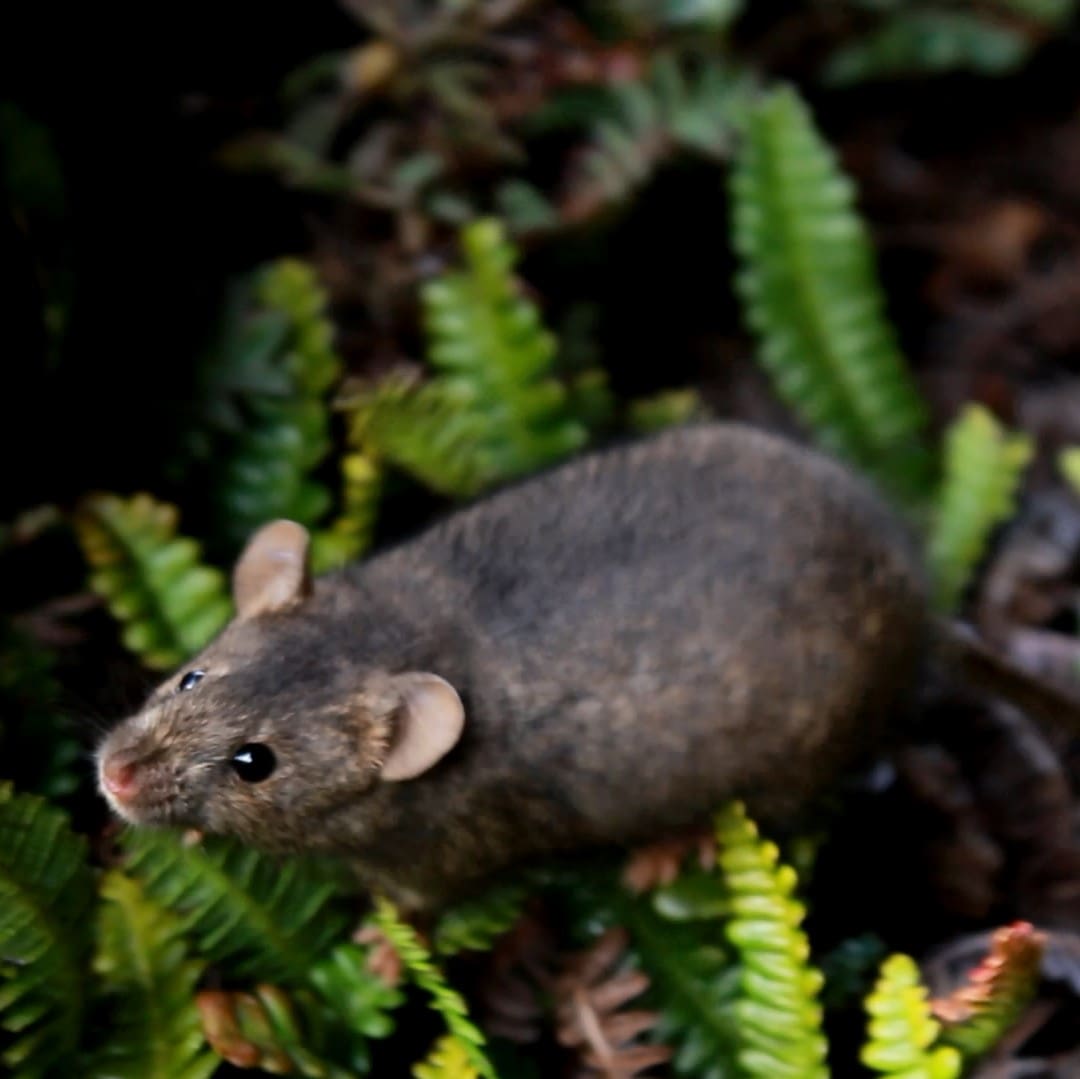
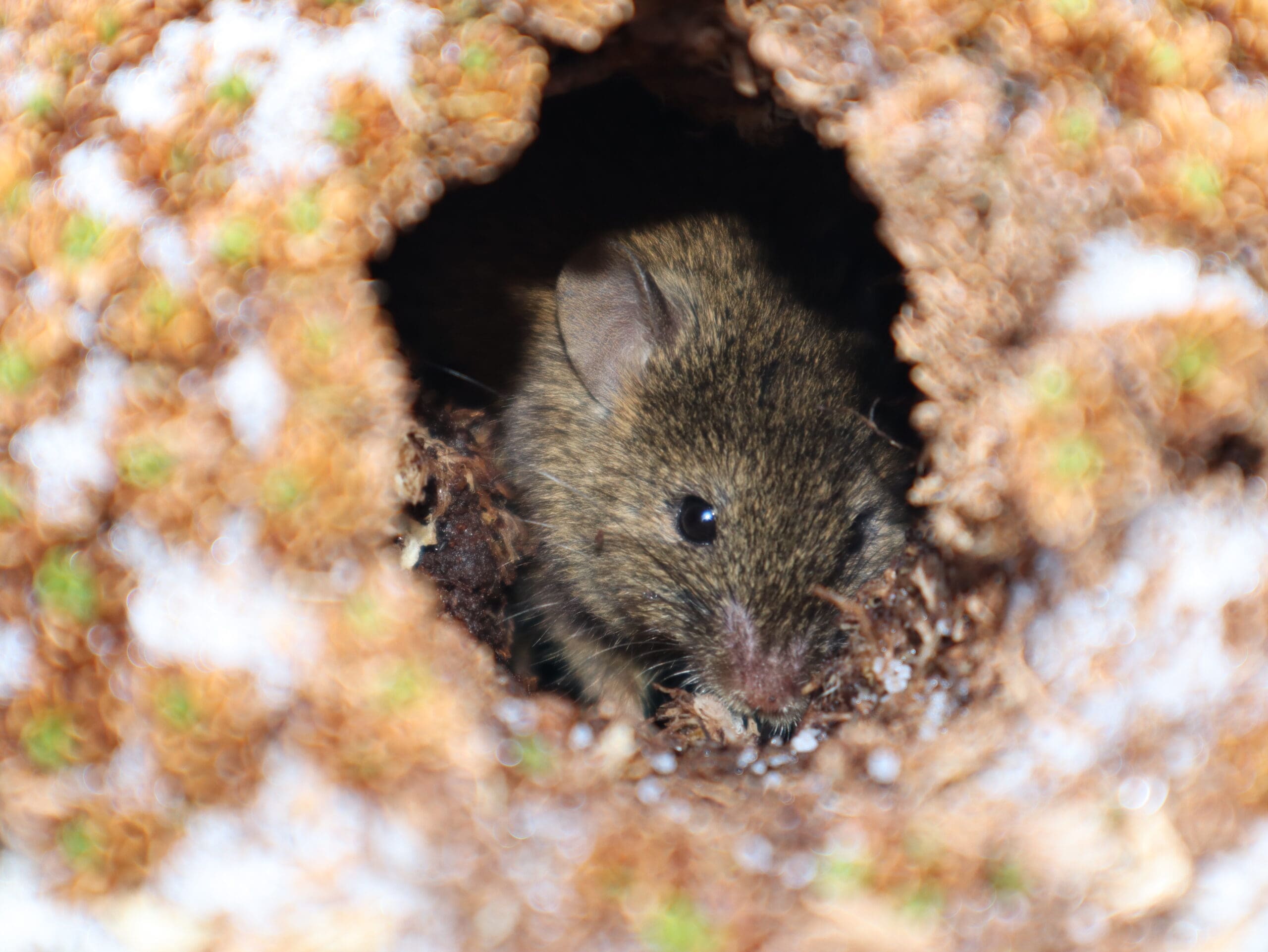
The House Mouse Mus musculus (Photo Credit: Stefan Schoombie), inadvertently introduced to Marion Island by sealers in the early 1800s, successfully established on the island. With the human occupation of the island in 1948, four cats were brought to the island to control the mice in and around the station. However, these cats bred on the island, with their offspring becoming feral, and by the 1970s the population had increased to about 2000 individuals that were killing some 450 000 birds per year, mostly chicks of burrow-nesting species.
With South Africa’s successful eradication of the cats in 1991 (confirmed in 1992), until recently the largest island upon which this has been achieved, the mice continued to thrive and over the years have had devastating effects on Marion’s fragile ecosystem by negatively affecting invertebrate densities, impacting on the vegetation by consuming seed loads and preying upon the chicks of burrowing petrels (since the 1980s) and surface-breeding albatrosses (since 2003), with ‘scalpings’ occurring from 2009 and attacks on adult birds recorded more recently in 2019. (Image Credit: FitzPatrick Institute)
Marion Island supports some 25% of the world’s breeding population of Wandering Diomedea exulans, 12% of Sooty Phoebetria fusca and 7% of Grey-headed Thalassarche chrysostoma Albatrosses and smaller percentages of Light-mantled Albatrosses P. palpebrata and Grey Petrels Procellaria cinerea. It is clear something needs to be done or the severe impact of the mice could result in critical impacts on global populations and in the extirpation of up to 18 of the 27 bird species found on Marion within the next 30 to 100 years. (below l-r: Wandering Albatross, Sooty Albatross and chick, Grey-headed Albatross and chick. (Photo Credit: Stefan Schoombie)
In what would later become a partnership with DFFE, a Feasibility Study and Risk Assessment, undertaken in 2016 by John Parkes on behalf of BirdLife South Africa (BLSA), indicated that eradication was indeed possible. Also funded by BLSA, Draft Project and Operational Plans to eradicate mice on Marion Island were subsequently developed in 2018 by New Zealand eradication expert, Keith Springer, following an island visit. DFFE has been working closely with the UK’s Royal Society for the Protection of Birds (RSPB) over the last few years in support of the Gough Island Restoration Programme (GIRP) which aims to eradicate House Mice on Gough during June to September 2021. For more information and the latest updates on the GIRP, please visit: https://www.goughisland.com
On 12 May 2020, a Memorandum of Understanding (MoU) for the Mouse-Free Marion (MFM) Project was signed between DFFE and BLSA. Subsequently, a MFM Management Committee was established to initiate the development of the project and the two MoU partners are now working closely, together with various experts and institutions (including those involved with successful operations on other islands), on the detailed planning on all operational aspects required for the execution of this complex and costly project.
The MFM Project will make use of internationally agreed best-practice approaches to eradicate mice from the island. The Feasibility Study and draft Project and Operational Plans highlight that the only methodology offering any chance of success on an island of the size and topography of Marion Island is aerial spreading of bait containing a rodenticide with a proven capacity to eradicate mice. The systematic aerial sowing of bait will be conducted by GPS-guided helicopters with underslung bait buckets to ensure every single mouse territory is covered. The aerial baiting will be complemented by hand-baiting approaches in and around the base and other infrastructure on the island. If a single pregnant female is not targeted, it could result in the failure of the entire operation, but if it works, Marion Island will be by far the largest island in the world from which House Mice have successfully been eradicated.
Time window trade-offs have been assessed and it has been determined that winter (April/May – August/September) is the optimal period in which to implement an eradication operation. This is the non-breeding period for mice at Marion, when their population size is low and natural food resources are minimal, rendering bait more attractive. A winter-baiting operation also reduces the risks to non-target seabird species on the island, as many are not resident on the island during the winter months.
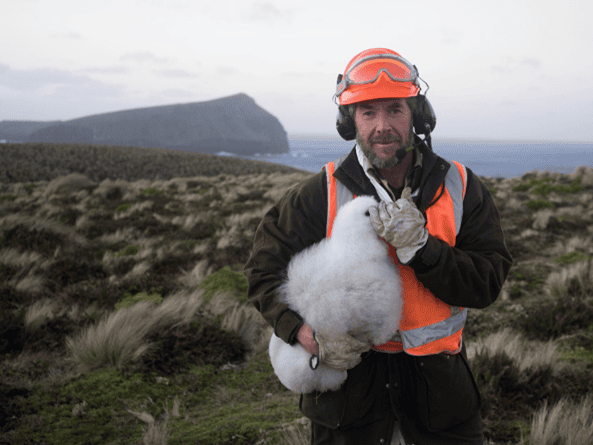
Currently, the eradication exercise is planned for the austral winter of 2023 and, to review and update the Project and Operational Plans, a Project Manager (Dr Anton Wolfaardt – photo left) and an Operations Manager (Mr Keith Springer – photo right) have been appointed.
A project of this nature requires substantial funding. To date, funds provided and committed are comprised largely of donations, government funding and crowd sourcing to save Marion Island’s seabirds. For more information and the latest updates on the MFM Project, as well as to ‘Sponsor a Hectare’ (which is currently standing at just over R2 million), please visit http://www.mousefreemarion.org.za
Text compiled by Carol Jacobs - Directorate: Biosecurity (DFFE)
Images from Marion Mouse Free Project, Stefan Schoombie,
FitzPatrick Institute and Antarctic Legacy of South Africa digital archive.
Cover Image: Otto Whitehead
,
by Ria Olivier | May 28, 2021 | Marion Island, Take-Over Operations
The Prince Edward Islands in the southern Indian Ocean form the first sub-Antarctic Ramsar Site in the sub-Antarctic, designated as RAMSAR Site Wetland of International Importance by South Africa on 22 May 2007 as No. 1688. The RAMSAR Convention’s mission is “the conservation and wise use of all wetlands through local and national actions and international cooperation, as a contribution towards achieving sustainable development throughout the world”. Wetlands are among the most diverse and productive ecosystems that provide essential ecosystem services.
Mbulelo Dopolo is the Director responsible for the Sub-Antarctic and Antarctica management in the Branch Oceans and Coasts, Department of Forestry, Fisheries and the Environment (DFFE). His role includes the;
In his capacity as management oversight through the PEIAC, he was part of the takeover team for Marion Island during April and May in 2021 – “As I am responsible for the oversight of the Implementation of the Prince Edward Islands Management Plan , I took this as part of the exercise to familiarize myself and ground truth some of the issues flagged during the Management Effectiveness Tracking Tool (METT-SA) assessment of the PEI SNR / Ramsar site held in February 2021 of the 58th meeting of the Standing Committee.” Mbulelo shared some of his experiences while on Marion Island.
Left: Daisy Kotsedi – Marine Protected Area (MPA) Management with Mbulelo Dopolo en route to Watertunnel from the base, which is approximately 30 km walk over steep climbs of Black headed and Rocky terrain.
Right: (l-r- Sanele Mkhonza- Environmental Control Officer(ECO), Sydney Tshilingalinga – Assistant ECO, Daisy Kotsedi and Mbulelo Dopolo at the base prior to their departure for Watertunnel.
(Left) At the base before departure for very first trip out of the base to Ships Cove. ( Right) Assisting with fuel transfer from the ship to the base storage. Pulling the pipe from a rubber duck to the shore. S.A. Agulhas II in the background. Unfortunately, they had to abort their mission to Rooks due to strong winds.
Bit of Background on Mbulelo is that he did a Master of Science degree in Zoology, specialising in Marine Ecology at University of Cape Town and received training in Ocean Governance through International Ocean Institute – Southern Africa and Rhodes University in 2013. Mbulelo is fluent in five of our 11 indigenous languages. See below links where Mbulelo was co-author to articles and conference papers:
by Ria Olivier | May 17, 2021 | Marion Island, Team Photo
- Back (L-R): Aphiwe Dyum (Communication Technician), Yinhla Shihlomole (Sealer), Khuliso Maphaha (Assistant Meteorologist), Philani Ngcobo (Assistant Meteorologist), Tom Hartwell (Plimsoll Cameraman)
- Middle[L-R]: Thando Cebekhulu (Birder), Pethokuhle Hlongwane (Base Engineer), Mpho Mashau (ECO), Katie Wardle (Plimsoll camerawoman), Ruth Peacey (Plimsoll director), Stephanus Schoeman (SANSA Engineer)
- Front (L-R): Danielle Keys (Birder-Science Team Leader), Leandri de Kock (Winder), Frikkie van der Vyver (Sealer), Alain Jacobs (Diesel Mechanic), Winnie Moodaley (Medical Orderly – Team Leader), Nkoane Mathabatha (Sinior meteorologist- Deputy Team Leader)
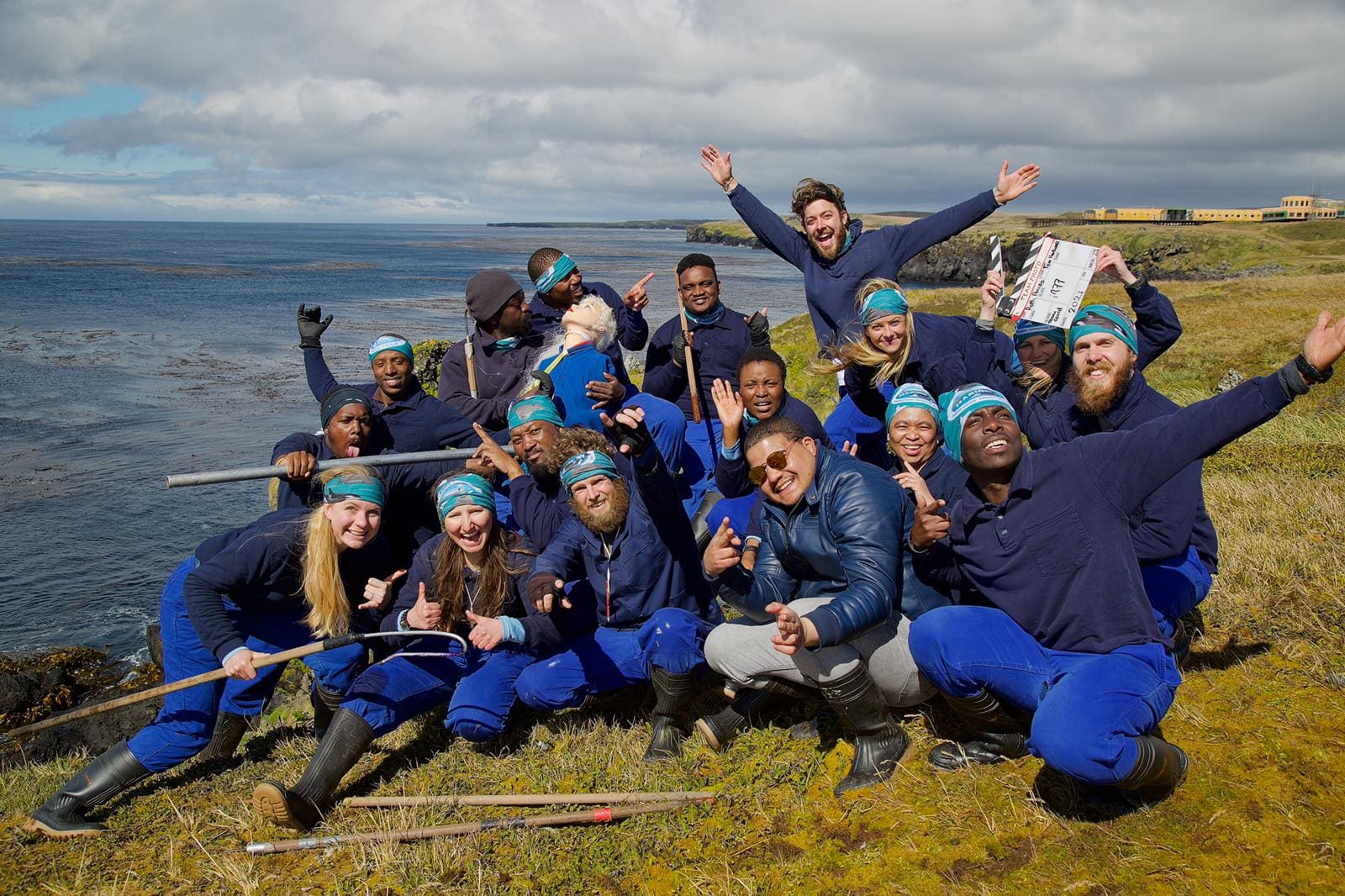
The Marion 77th Overwintering team official team photo now available on SANAP website and in the ALSA Archive. The team left last year during lockdown with only a reduced vessel crew and an expedition complement. DDG Judy Beaumont sent the team off with a memorable speech, wishing them all the best for this historic trip during the COVID 19 pandemic. Minister Creecy stated that :” As a result of the lockdown and as per announcement of the President, the voyage planning and arrangements have to be reconfigured to minimise risks”. In September 2020 a film crew and more team members join Marion 77. Marion 77 latest newsletter also available, below a few quotes taken form the newletter
Marion 76 going on 77!
Winnie “WINZA” Moodaley. “I am, as always, grateful for the opportunities afforded to me, and the trust placed in me by those who believe in me. “It was also a way to find out what I am capable of in such a remote setting; if I could rise to such a challenge.”
Alain Jacobs “AJ”. He believes coming to Marion was destiny and decided to come for the “experience of a lifetime”.
Aphiwe Dyum “One thing I realised whilst being on the island is the inter-personal skill that is necessary when working in remote areas like Marion Island.”
Marion 77 arrives:
Khuliso Collen Maphaha “My experience on Marion has been “greater than expected and I look forward to greater moments to come.”
Nkoane Jack Mathabatha “It is an honour and a privilege to be part of this important research. The earth isn’t going to stop revolving and if we stop moving we might fall off and be left behind lingering in the past.”
Patrick Hlongwane, “Pat” His wonderful singing voice and superb dance moved have brightened up life for those who are here.
Philani Siya Ngcobo “Siya” “I expected total isolation here on this remote island, with maybe one call a week, but has been pleasantly surprised at the access to the internet and the ability to keep up with sport and news.”
Stephanus Schoeman His enjoyment of his job was a driving factor that brought him to Marion, along with the “opportunity to see such a beautiful place.”
New Arrivals September 2020!
Danielle Z. Keys, or Dani “Marion stole my heart in 2018 and I never wanted to leave in the first place! I love the freedom and the wildlife here – there is nothing else like it.” “I am braver this time round.”
Frikkie van der Vyver With covid-19 raising havoc in most parts of the world, an opportunity to return to Marion couldn’t have come at a more appropriate time.”
Leandri de Kock “The experience is really a dream come true. I have learned so much and seen so much of the island. So far, not one day has been the same. Truly an adventure of a lifetime.”
Audrey Mpho Mashau, or Mpho Mpho has overwintered on an expedition like this before and knows Marion – something she says “came in handy as I knew the kind of mental and physical commitment I was putting myself into.”
Thando Cebekhulu, He originally came to Marion Island as part of M74 and says “it actually feels like I never left this place.”
Yinhla Shihlomule “ It is the most peaceful place on earth – never mind the roaring winds and tumbling waves.” “I sailed to Marion Island. That’s a lifetime experience. “
The Film Crew: On Marion island, the film crew have immersed themselves into the team of M77 and been busy filming right from day one! Being from England in the U.K., it’s been wonderful to be immersed into South African / Marion culture and share experiences of and with the wildlife here in this special place.
Director Ruth Peacey “Antarctica cast a spell on me and Marion has evoked that same magic. I feel so lucky to be able to share this special experience with such an ace team.”
Cameraman Tom Hartwell “a cameraman’s dream… I couldn’t resist the opportunity to film on an island with such incredible natural spectacles, not to mention so many charismatic and loveable species!”
Camera Assistant Katie Wardle “I feel so lucky to be able to experience this crazy island and at the start of my career this is a gold dust opportunity to learn and hopefully propel me into other work on my return home.”
- Back row (left to right): Khuliso Maphaha (Assistant Meteorologist), Phethokuhle Hlongwane (Base Engineer), Stephanus Schoeman (SANSA Engineer), Yinhla Shihlomule (Sealer), Mpho Mashau (ECO), Tom Hartwell (Film Crew), Danielle Keys (Birder and Science Team Leader), Winnie Moodaley (Medical Orderly and Team Leader), Philani Ngcobo (Assistant Meteorologist).
- Front row (left to right): Katie Wardle (Film Crew), Leandri de Kock (Winder), Alain Jacobs (Diesel Mechanic), Thando Cebekhulu (Birder), Aphiwe Dyum (Comms Technician), Frikkie van der Vyver (Sealer), Ruth Peacey (Film Crew Director), Nkoane Mathabatha (Senior Meteorologist and Deputy Team Leader).
by Ria Olivier | Apr 14, 2021 | Marion Island, News, Overwintering Team, SA Agulhas II, Take-Over Operations
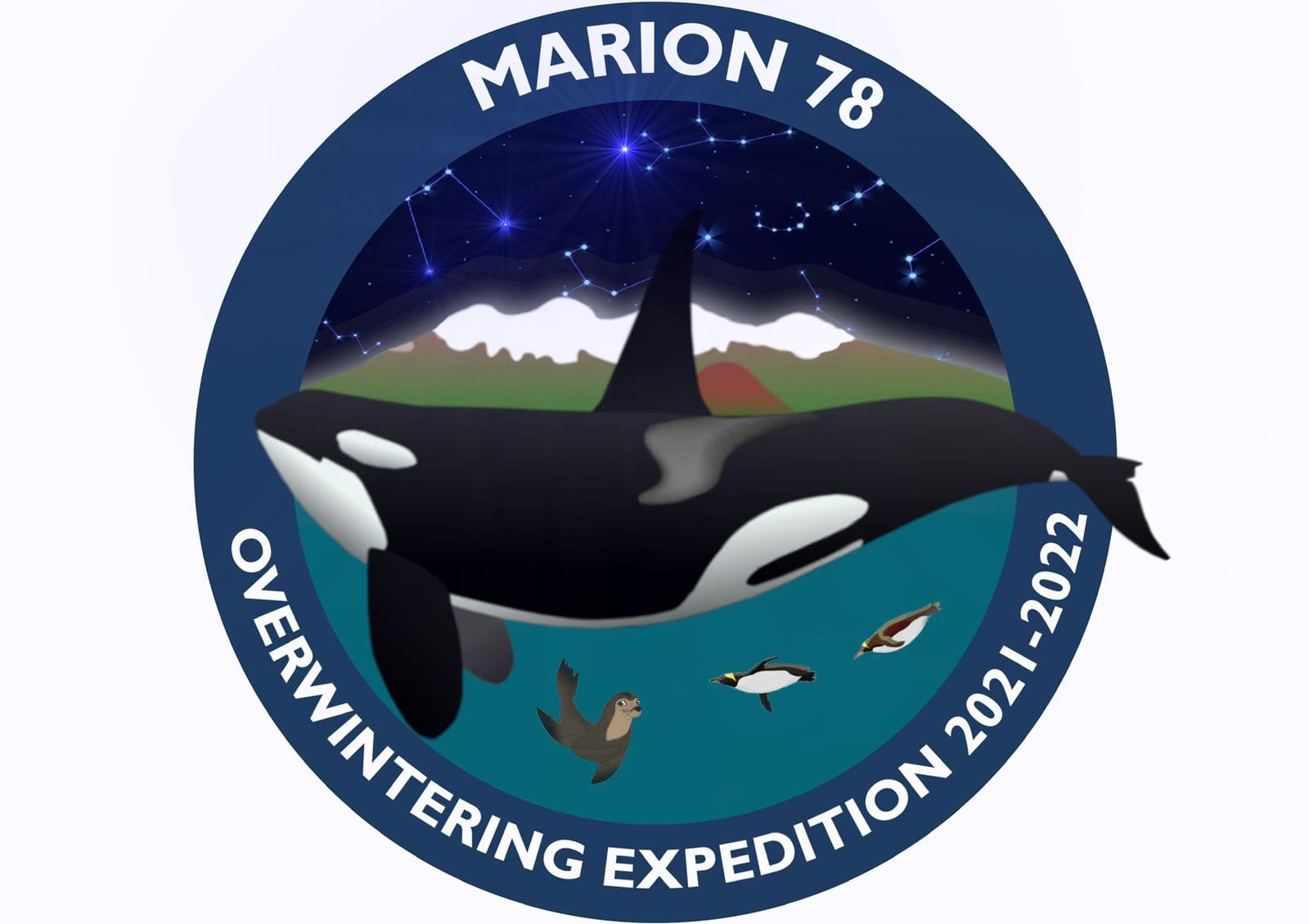
The 78th Marion Island overwintering team has gone through some ups and downs. After two weeks of isolation and multiple Covid-19 tests, the team left Cape Town on 9 April at 19:34 onboard the SA Agulhas II with Captain Gavin Syndercombe. The team arrived at Marion Island on 13 April 2021. The Marion 78 team leader is Bubele Nongwejana (see below). He is also the Medical Orderly, taking over from Winnie Moodaley – current team leader and Medical Orderly of Marion 77.
Three members of the 77th Marion overwintering team will be staying behind, forming part of Marion 78 (see last row above): Thando Cebekhulu, Yinhla Shihlomule and Frikkie van der Vyver. These members only joined Marion 77 in September 2020, due to Covid-19 restrictions (see post of Marion Island Marine Mammal Programme below).
Chief Scientist of this take-over is Prof Werner Nel (University of Fort Hare).
Anché Louw, Antarctic Legacy of South Africa, 14 April 2021
 Prince Edward Islands Marine protected Area is a “A volcanic sub-Antarctic wilderness teeming with hundreds of thousands of penguins, albatrosses, petrels and seals. The Prince Edward Islands are the jewels in South Africa’s island crown. They comprise of the larger Marion Island and the smaller Prince Edward Island, which were annexed by the South African navy in 1948. A permanent weather station has been in operation ever since that provides vital information needed to monitor weather and climate change in the Southern Ocean. The islands are home to unique plants and animals not found near the South African mainland. There are millions of penguins, albatrosses, petrels, seals and a transient group of killer whales. The MPA was proclaimed in 2013 and covers 30% of South Africa’s Southern Ocean territory, representing 80% of its ecosystem diversity. It protects the productive waters surrounding the islands, as well as important features such as seamounts. This ensures that the krill and fish stocks that top predators depend on are not overexploited. Historically, there was intense fishing for Patagonion toothfish, but this collapsed and has been restricted to two vessels to allow for their recovery. The terrestrial ecosystems are under threat from invasive house mice that were accidentally introduced in the 1800s. The Mouse Free Marion project plans to eradicate the mice in 2021 to allow for the ecological recovery of the island’s plant, insect and seabird communities.” –https://www.marineprotectedareas.org.za/prince-edward-islands-mpa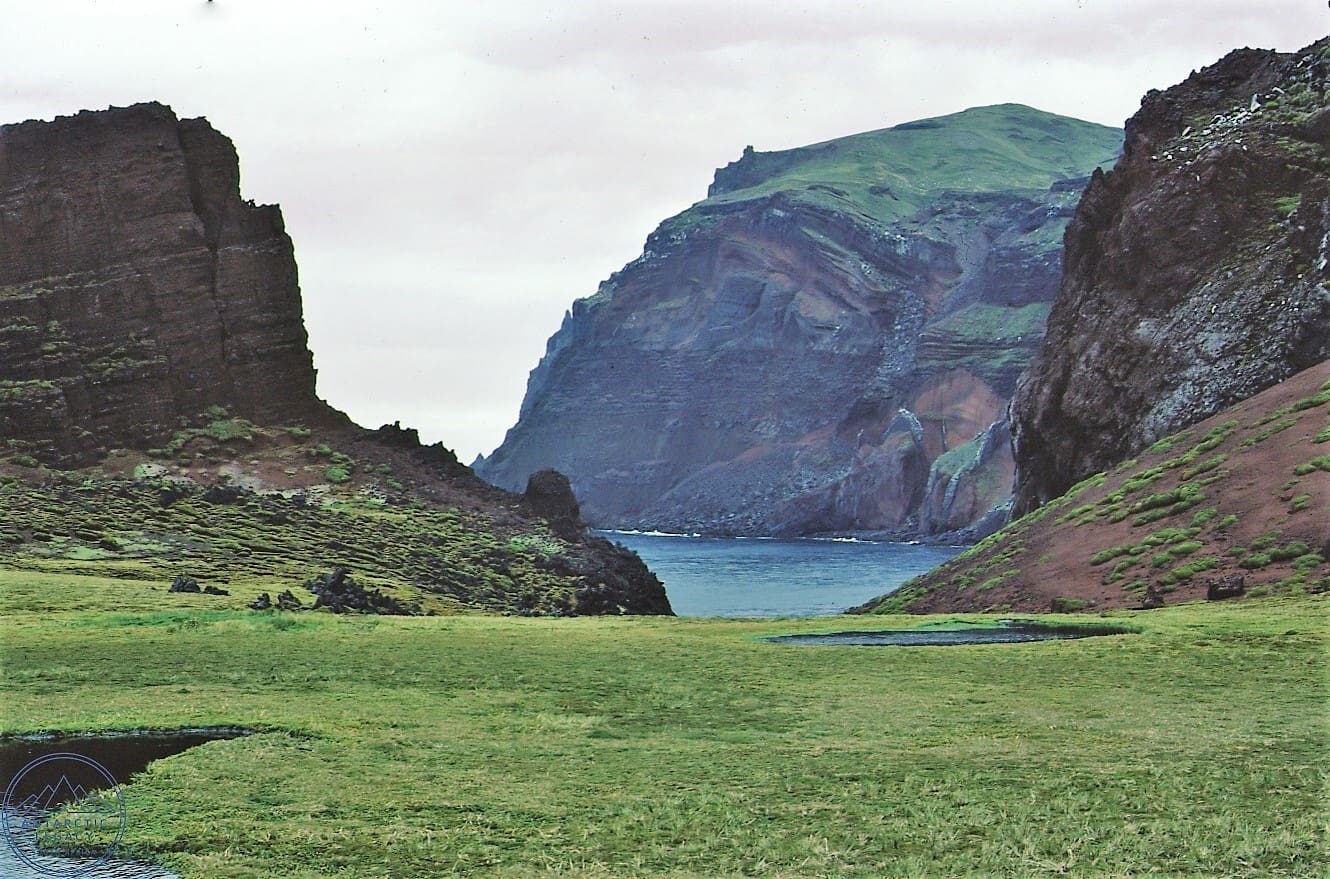



 Marion Island (29 000 hectares) and Prince Edward (4500 hectares), collectively known as the Prince Edward Islands (PEIs) were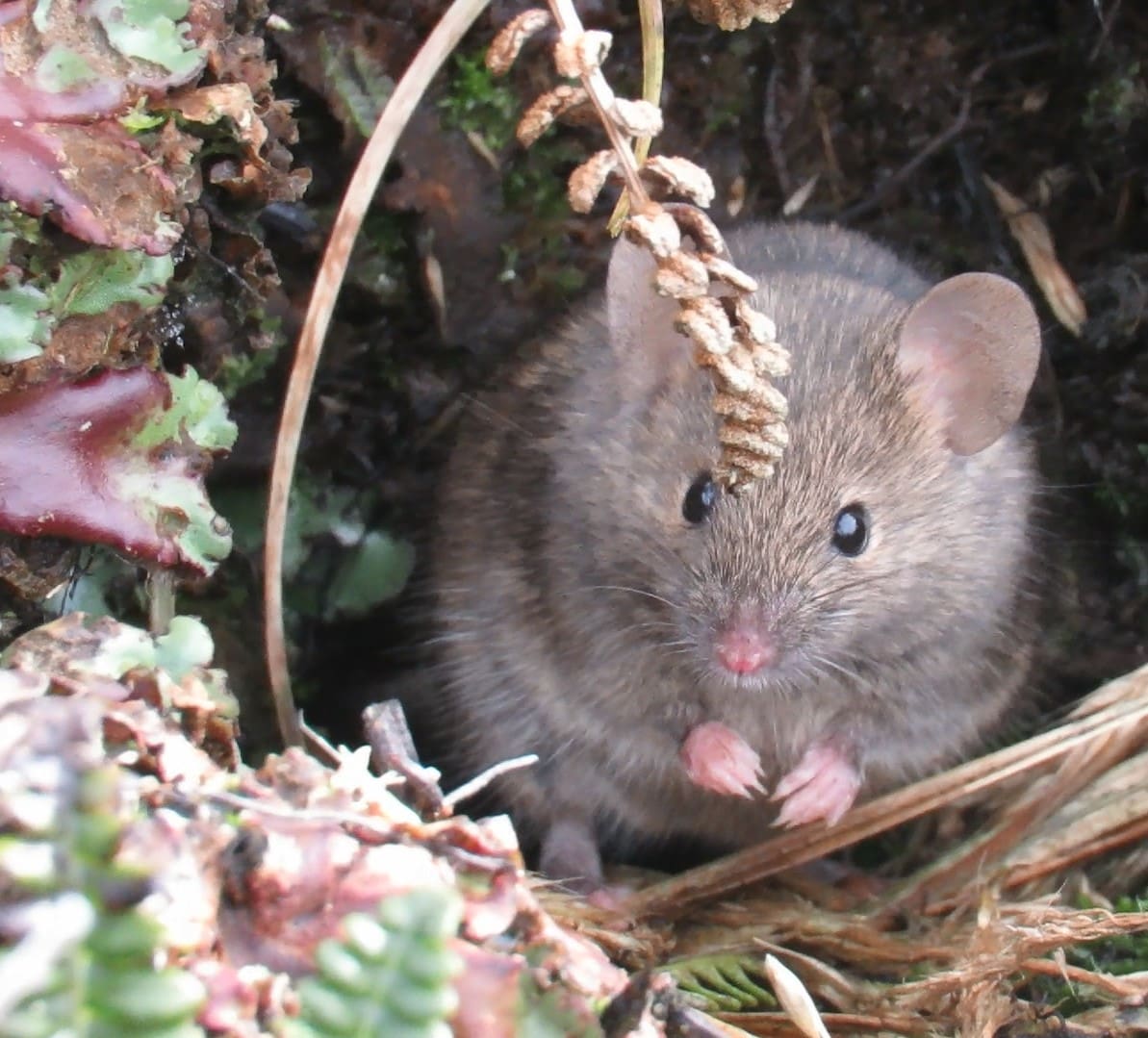
 The House Mouse Mus musculus (Photo Credit: Stefan Schoombie), inadvertently introduced to Marion Island by sealers in the early 1800s, successfully established on the island. With the human occupation of the island in 1948, four cats were brought to the island to control the mice in and around the station. However, these cats bred on the island, with their offspring becoming feral, and by the 1970s the population had increased to about 2000 individuals that were killing some 450 000 birds per year, mostly chicks of burrow-nesting species.
  With South Africa’s successful eradication of the cats in 1991 (confirmed in 1992), until recently the largest island upon which this has been achieved, the mice continued to thrive and over the years have had devastating effects on Marion’s fragile ecosystem by negatively affecting invertebrate densities, impacting on the vegetation by consuming seed loads and preying upon the chicks of burrowing petrels (since the 1980s) and surface-breeding albatrosses (since 2003), with ‘scalpings’ occurring from 2009 and attacks on adult birds recorded more recently in 2019. (Image Credit: FitzPatrick Institute)


 In what would later become a partnership with DFFE, a

 The systematic aerial sowing of bait will be conducted by GPS-guided helicopters with underslung bait buckets to ensure every single mouse territory is covered. The aerial baiting will be complemented by hand-baiting approaches in and around the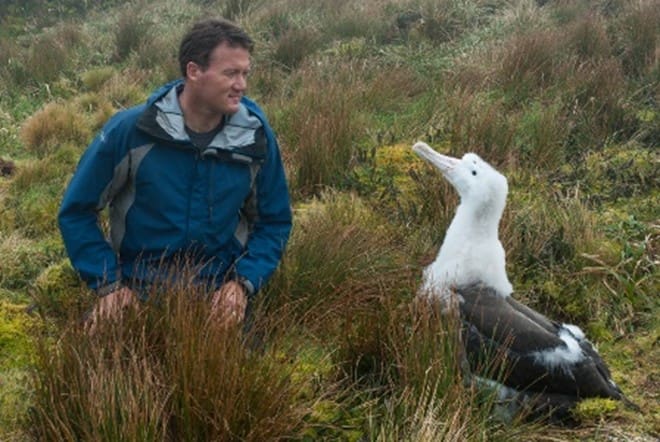
 A project of this nature requires substantial funding. To date, funds provided and committed are comprised largely of donations, government funding and crowd sourcing to save Marion Island’s seabirds. For more information and the latest updates on the MFM Project, as well as to ‘
 The Prince Edward Islands in the southern Indian Ocean form the first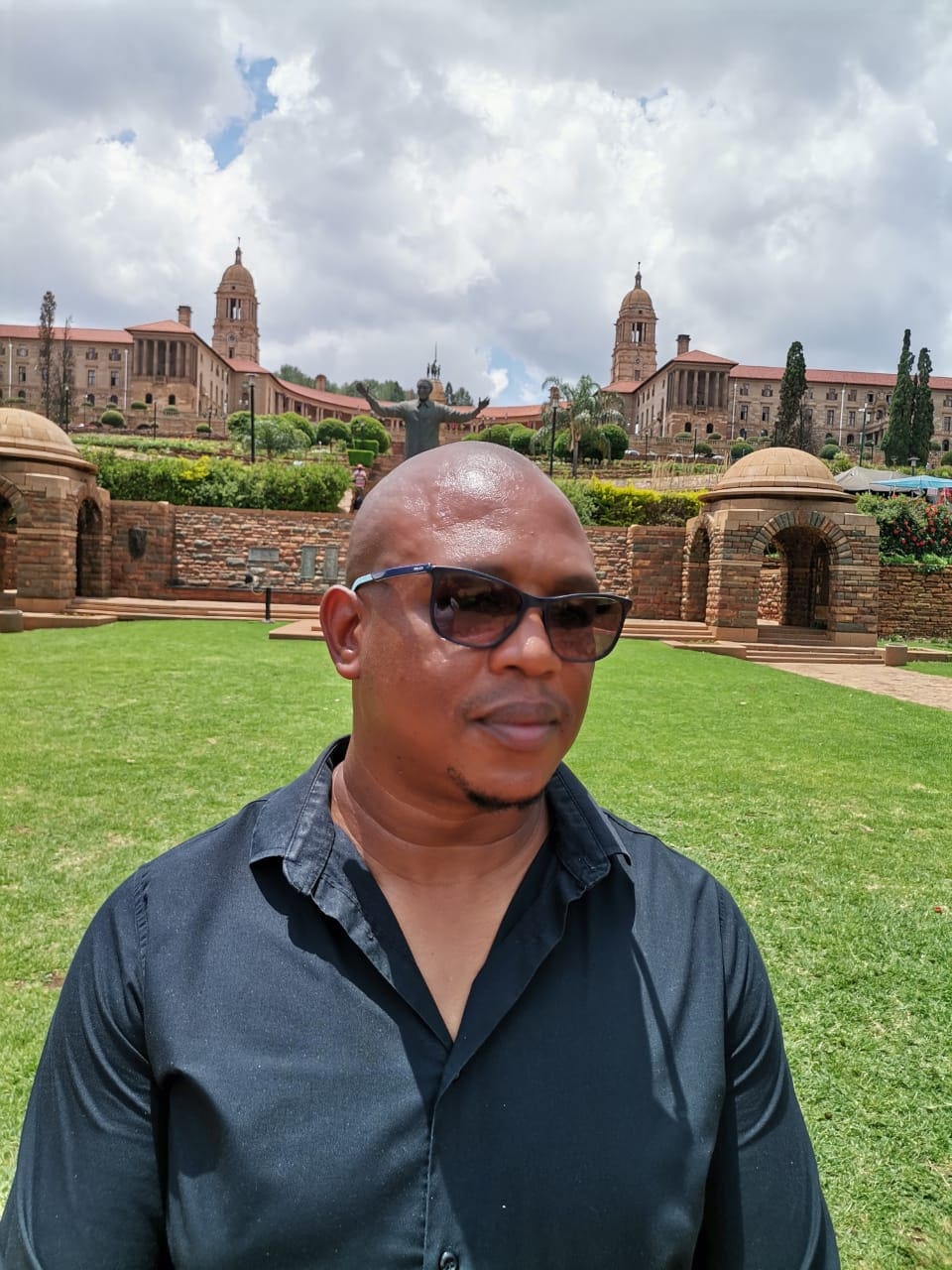
 In his capacity as management oversight through the PEIAC, he was part of the takeover team for Marion Island during April and May in 2021 – “As I am responsible for the oversight of the Implementation of the
 Left: Daisy Kotsedi – Marine Protected Area (MPA) Management with Mbulelo Dopolo en route to Watertunnel from the base, which is approximately 30 km walk over steep climbs of Black headed and Rocky terrain.
 (Left) At the base before departure for very first trip out of the base to Ships Cove. ( Right) Assisting with fuel transfer from the ship to the base storage. Pulling the pipe from a rubber duck to the shore. S.A. Agulhas II in the background. Unfortunately, they had to abort their mission to Rooks due to strong winds.
 Winnie “WINZA” Moodaley. “I am, as always, grateful for the opportunities afforded to me, and the trust placed in me by those who believe in me. “It was also a way to find out what I am capable of in such a remote setting; if I could rise to such a challenge.”
 Alain Jacobs “AJ”. He believes coming to Marion was destiny and decided to come for the “experience of a lifetime”.
 Aphiwe Dyum “One thing I realised whilst being on the island is the inter-personal skill that is necessary when working in remote areas like Marion Island.”
 Khuliso Collen Maphaha “My experience on Marion has been “greater than expected and I look forward to greater moments to come.”
 Nkoane Jack Mathabatha “It is an honour and a privilege to be part of this important research. The earth isn’t going to stop revolving and if we stop moving we might fall off and be left behind lingering in the past.”
 Patrick Hlongwane, “Pat” His wonderful singing voice and superb dance moved have brightened up life for those who are here.
 Philani Siya Ngcobo “Siya” “I expected total isolation here on this remote island, with maybe one call a week, but has been pleasantly surprised at the access to the internet and the ability to keep up with sport and news.”
 Stephanus Schoeman His enjoyment of his job was a driving factor that brought him to Marion, along with the “opportunity to see such a beautiful place.”
 Danielle Z. Keys, or Dani “Marion stole my heart in 2018 and I never wanted to leave in the first place! I love the freedom and the wildlife here – there is nothing else like it.” “I am braver this time round.”
 Frikkie van der Vyver With covid-19 raising havoc in most parts of the world, an opportunity to return to Marion couldn’t have come at a more appropriate time.”
 Leandri de Kock “The experience is really a dream come true. I have learned so much and seen so much of the island. So far, not one day has been the same. Truly an adventure of a lifetime.”
 Audrey Mpho Mashau, or Mpho Mpho has overwintered on an expedition like this before and knows Marion – something she says “came in handy as I knew the kind of mental and physical commitment I was putting myself into.”
 Thando Cebekhulu, He originally came to Marion Island as part of M74 and says “it actually feels like I never left this place.”
 Yinhla Shihlomule “ It is the most peaceful place on earth – never mind the roaring winds and tumbling waves.” “I sailed to Marion Island. That’s a lifetime experience. “
 Director Ruth Peacey “Antarctica cast a spell on me and Marion has evoked that same magic. I feel so lucky to be able to share this special experience with such an ace team.”
  Cameraman Tom Hartwell “a cameraman’s dream… I couldn’t resist the opportunity to film on an island with such incredible natural spectacles, not to mention so many charismatic and loveable species!”
 Camera Assistant Katie Wardle “I feel so lucky to be able to experience this crazy island and at the start of my career this is a gold dust opportunity to learn and hopefully propel me into other work on my return home.”
 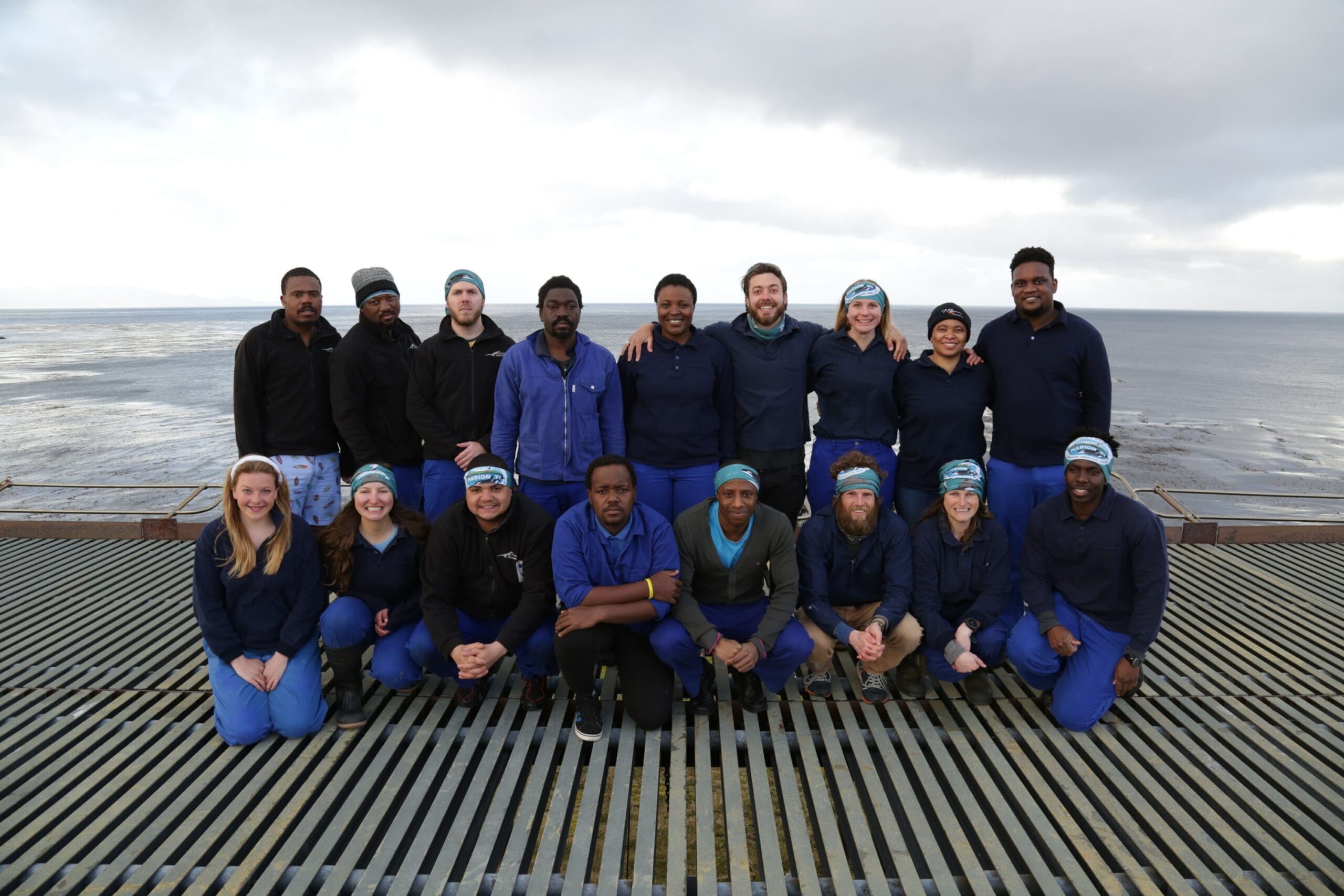 Back row (left to right): Khuliso Maphaha (Assistant Meteorologist), Phethokuhle Hlongwane (Base Engineer), Stephanus Schoeman (SANSA Engineer), Yinhla Shihlomule (Sealer), Mpho Mashau (ECO), Tom Hartwell (Film Crew), Danielle Keys (Birder and Science Team Leader), Winnie Moodaley (Medical Orderly and Team Leader), Philani Ngcobo (Assistant Meteorologist).
 The 78th Marion Island overwintering team has gone through some ups and downs. After two weeks of isolation and multiple Covid-19 tests, the team left Cape Town on 9 April at 19:34 onboard the SA Agulhas II with Captain Gavin Syndercombe. The team arrived at Marion Island on 13 April 2021. The Marion 78 team leader is Bubele Nongwejana (see below). He is also the Medical Orderly, taking over from Winnie Moodaley – current team leader and Medical Orderly of Marion 77.