by Ria Olivier | Jul 1, 2024 | Geomorphology, Marion Island, Research, SANAP, Science
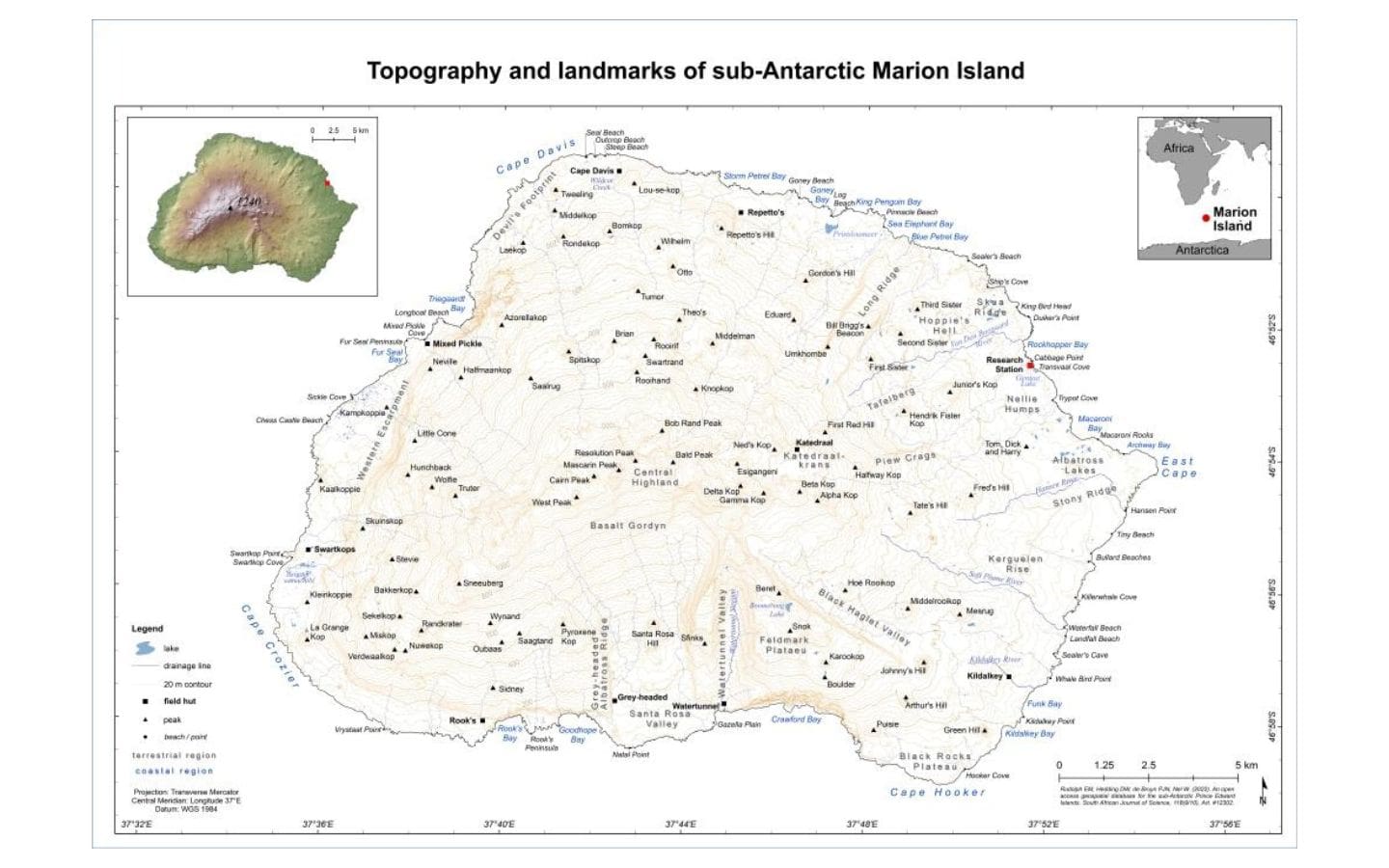
Twenty‐thousand‐year gap between deglaciation and peat formation on sub‐Antarctic Marion Island attributed to climate and sea level change
 Article published by Werner Nel, Dominic Hodgson, David Hedding, Alex Whittle and Elizabeth Rudolph
Full Article Available Here
Radiocarbon dating of basal peats has been a key factor in determining minimum ages for deglaciation on sub‐Antarctic islands. On Marion Island, peat bogs dominate the landscape below 300m a.s.l., and palynological assessments of peat cores have been used to assess the vegetation history and succession rates as well as the sensitivity of the indigenous flora to climatic change. Initiation of peat on the sub‐Antarctic islands signifies a major landscape change which has previously been linked to the retreat of glaciers. Here we test this hypothesis by comparing previously published and new basal peat ages from Marion Island with cosmogenic isotope dates for deglaciation, and local and regional palaeo‐environmental changes. Results show that, in common with other sub‐Antarctic islands, peat initiation occurred after the Antarctic Cold Reversal (15–13 ka) and through the early Holocene climate optimum. This substantially postdates cosmogenic isotope evidence for deglaciation from the basalts which shows that the areas where the peatlands dominate were ice‐free from the start of Marine Isotope Stage (MIS) 2 (~31 ka). This suggests that environmental conditions controlled peat initiation rather than deglaciation. Regional climatic proxies show that during and after MIS 2, extremely low temperatures, extensive sea ice conditions and depressed sea surface temperatures together with lower sea levels at an island scale could have maintained conditions unfavourable for peat initiation at their current locations. On Marion Island, the significant gap of ~20 000 years between the timing of deglaciation and peat formation indicates that the use of peat basal ages as a proxy for the minimum age of deglaciation in the sub‐Antarctic should be used with extreme caution.
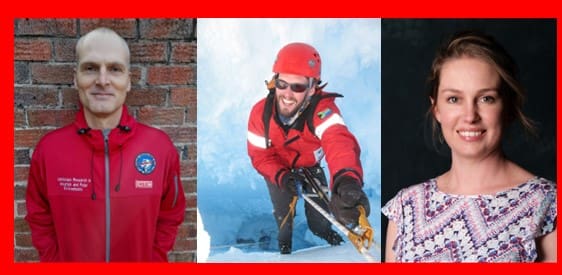
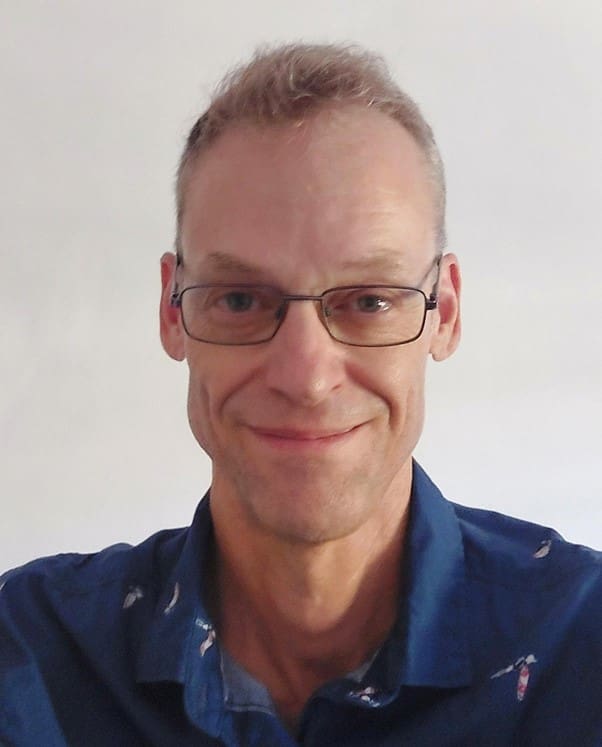
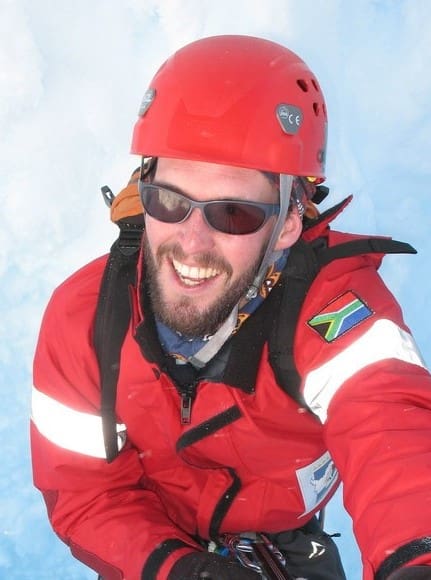
Left( Werner Nel, David Hedding and Elizabeth Rudolph)
© 2024 The Author(s). Journal of Quaternary Science Published by John Wiley & Sons Ltd.
by Ria Olivier | Mar 8, 2024 | Research, SANAP, SANAP Student, Science
During the 6th SANAP symposium, time was allocated for the presentation of governance issues, and this was done on the first day during the opening ceremony. Dr Gilbert Siko , the Director of Marine & Polar Research at the Department of Science and Innovation gave the first presentation. His role within the Research Development and Support Programme it is to promote the development of research, the production of scientific knowledge, and human capital development in science areas in which South Africa enjoys a geographic advantage, that includes Antarctic and marine research. Dr Siko highlighted the strategic importance of the research conducted through the South African National Antarctic Programme.
Dr Siko was followed by Tracy Klarenbeek, Director of Knowledge Advancement and Support of the National Research Foundation (NRF). She highlighted that create innovative funding instruments such as SANAP serve to transform the scientific landscape and inspire a representative research community to aspire to global competitiveness. She shared the outcomes of the 2023 SANAP Call for Proposals for funding cycle 2024 – 2026 with the community. She also mentioned that mentorship initiatives for unsuccessful applicants would be implemented via SAPRI.(right)
Dr Siko was followed by Tracy Klarenbeek, Director of Knowledge Advancement and Support of the National Research Foundation (NRF). She highlighted that create innovative funding instruments such as SANAP serve to transform the scientific landscape and inspire a representative research community to aspire to global competitiveness. She shared the outcomes of the 2023 SANAP Call for Proposals for funding cycle 2024 – 2026 with the community. She also mentioned that mentorship initiatives for unsuccessful applicants would be implemented via SAPRI.
Prof Bettine van Vuuren (right), Chair of the South African National Committee for SCAR gave feedback on the committee meeting. She also highlighted the function and activities of SCAR and the importance to be informed of these activities, and to be aware of scholarship opportunities. She encouraged early career researchers to become involved in SCAR committees and action scholarships.
The highlight of the Symposium was the international Antarctic day celebrations where Tracy Klarenbeek (left)addressed all attendees during the closing ceremony with a heartfelt talk. All participants, old and new, were thanked for their participation in the Symposium and their dedication to the SANAP programme. Tracy Klarenbeek talk gave a personal perspective of administering the SANAP programme:
“by facilitating Antarctic and Southern Ocean research, and awarding student bursaries, it is evident that the work I do changes lives”.
The opportunity to access the Southern Ocean, Antarctica and the sub-Antarctic islands (Gough and the Prince Edward Islands) is limited to the lucky few, and the work of the National Research Foundation makes this a reality for researchers and students alike.
A printed Map of Antarctica was signed by everyone on International Antarctica Day 1st December 2023 at Houw Hoek Hotel!
Speakers photos: credit Anche Louw – SA Polar Research Infrastructure/Antarctic Legacy of SA
by Ria Olivier | Feb 19, 2024 | Oceanography, Research, SANAP, SANAP Student, Science, Southern Ocean, Uncategorised
MARIS started the first session on Southern Ocean research within SANAP with focus on SEA ICE. Above: Rutger Marquart, Magata Mangatane, Dylan White, Anand Nair, Wayne de Jager, Leila Nefdt, Safiyyah Moos, Tokoloho Rampai, Marcello Vichi, Robyn Verrinder, Hayley Swait, Riesna Audh, James van Niekerk. (Photo Credit: MARIS)
The first ocean session covered the Antarctic sea ice research field led by the Sea Ice Team from the Marine and Antarctic Research for Innovation and Sustainability (MARiS). The research themes covered in this session were innovation and development, oceans and marine eco-systems under global change and earth systems observations. The presentations and posters under these research theme covered a diverse range of projects from large-scale sea ice observations, tracking and measurements to the small-scale sea ice dynamics, properties and biogeochemistry. Antarctic sea ice research has received a comparatively limited focus compared to its Arctic counterpart. The MARiS sea ice team is constituted of the departments of Oceanography, Electrical and Chemical Engineering at the University of Cape Town, with projects aimed to contribute new insights and push the boundaries within this research domain. The presentation within this session were on a variety of earth system observations models, simulations of sea ice wave interactions, innovative tool development for lab-based experiments and field-based work investigating sea ice dynamics and properties and the ecological impacts of algae and their biogeochemical significance. The session under the MARS theme; Oceans and marine ecosystems under global change was chaired by Principal investigator Tokoloho Rampai and it included an overview of Maris by Robyn Verrinder. The session was done in round table fashion and included posters and oral presentations. Tokoloho concluded the session with a closing statement
Oral presentations:
- Robyn Verrinder – Overview of MARIS.
- Rutger Marquart – Numerical modelling of sea ice dynamics and thermodynamics in the Antarctic marginal ice zone. (abstract)
- Anand Nair – Three-Dimensional Computational Fluid Dynamics Modelling of Pancake Ice on Waves. (abstract)
- Safiyyah Moos – Investigating the dynamics and exchanges across the ice-ocean interface in artificial sea ice. (abstract)
- Hayley Swait – Investigating Brine and Air Porosity in Sea Ice from the Eastern Antarctic Marginal Ice Zone. (abstract)
Poster Presentations were displayed in the venue during the symposium and presenters gave a quick introduction to their posters during the round-table session.
- Wayne De Jager – Sub-daily Antarctic sea-ice variability estimates using swath-based retrieval methods. (abstract)
- Dylan White – Discussion on the Premise of, and Challenges in, the Development of a Ship-Based Radar System for the in-situ Measurement of Sea Ice Thickness. (abstract)
- Magata Mangatane – Antarctic sea-ice thickness reconstruction. (abstract)
- Marcello Vichi – Wind- and wave-driven free-drift dynamics in Antarctic Sea ice.(abstract)
- Tokoloho Rampai – Sea ice growth dynamics and their influence on the physical, structural and mechanical properties-A discussion on innovation in in situ testing. (abstract)
- James van Niekerk – Investigation of the Interactions Between Sea Ice Algae from the Marginal Ice Zone of Antarctica and Artificial Sea Ice. (abstract)
- Riesna Audh – Winter biogeochemical activity is enhanced by rafting in growing Antarctic Sea ice. (abstract)
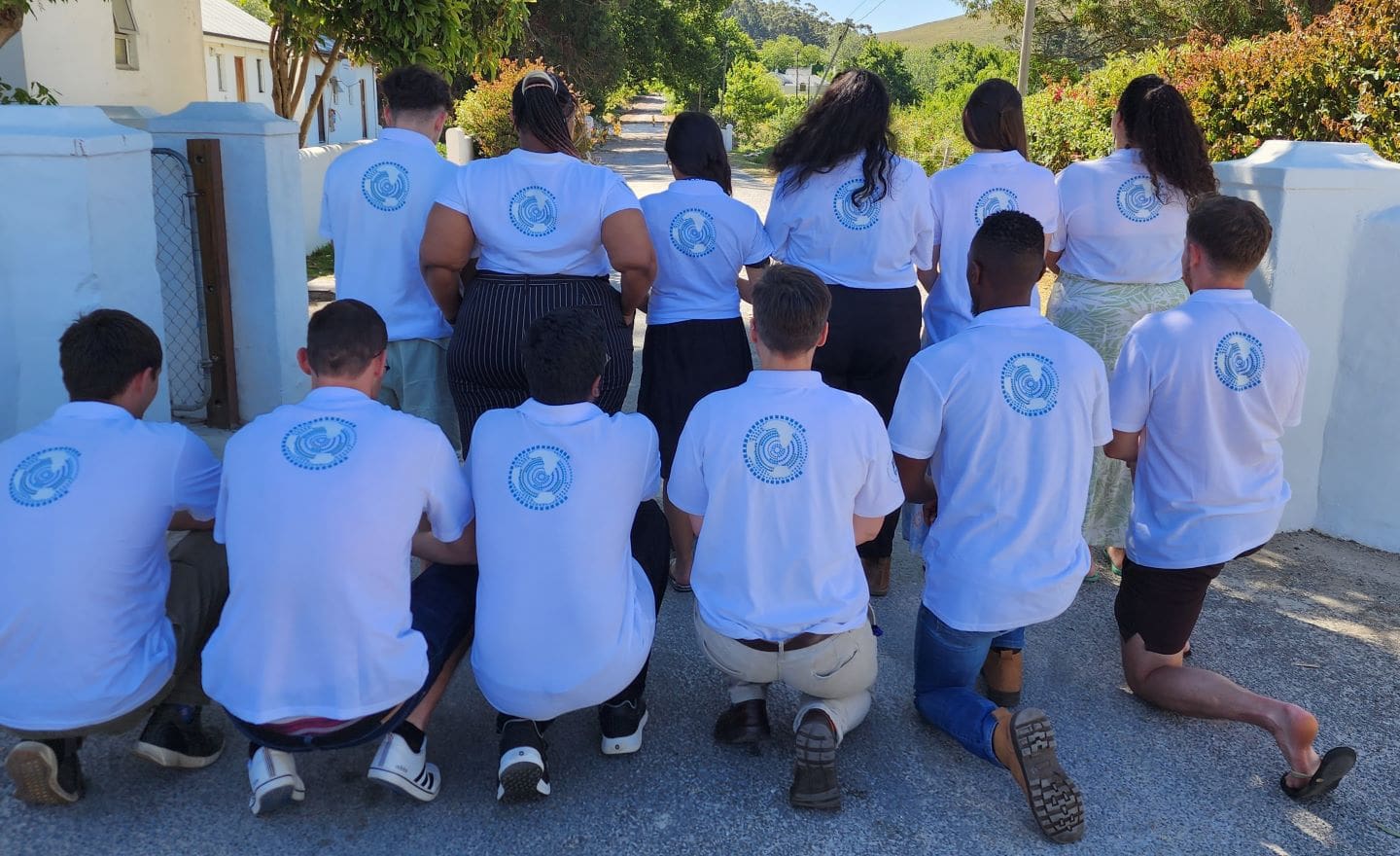
After the session the group took pictures (Credit: Leila Nefdt)
by Ria Olivier | Feb 16, 2024 | Data Management, Marion Island, Prince Edward Island, Research, SA Agulhas II, Science, Uncategorised
During the 6th Symposium sessions were allocated to cross cutting disciplines and it led to great presentations and discussions. 12- 16 February is International Love Data Week with the theme “My Kind of Data” and this is about the data presentations at the SANAP Symposium “the SANAP community kind of data.”
Data Management
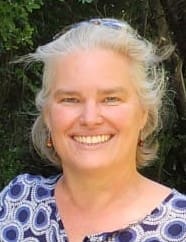
Anne Treasure(right) South Africa’s representative at Standing Committee on Data Management(SCADM) at SCAR and Data Products and Society Manager of the South African Polar Institute(SAPRI) chaired the main session on data management. This session included very interesting presentations from various science disciplines.
Above(l-r): Leigh McGaughey, JP Barnard, Bjorn Boyes
- First Presentation was by Leigh McGaughey on “Ecosystem modelling to explore ecosystem dynamics at the Prince Edward Islands.” (abstract)
- Data management with JP Barnard delivering a presentation on “Management of Recorded Voyage Data for the SA Agulhas II.” and discuss intricate models to ensure vessel data is manage correctly. (Abstract)
- Bjorn Boyes had everyone listening to his talk ” on how to digitally construct sub-Antarctic Marion Island. (Abstract)
On the 30th November more data presentations was given in an ad hoc session chaired by Christel Hansen. Above(l-r): David Hedding, Christel Hansen, Pierre Cilliers
- David Hedding: A geospatial database for the sub-Antarctic Prince Edward Islands (Abstract) Read more here and see the dataset
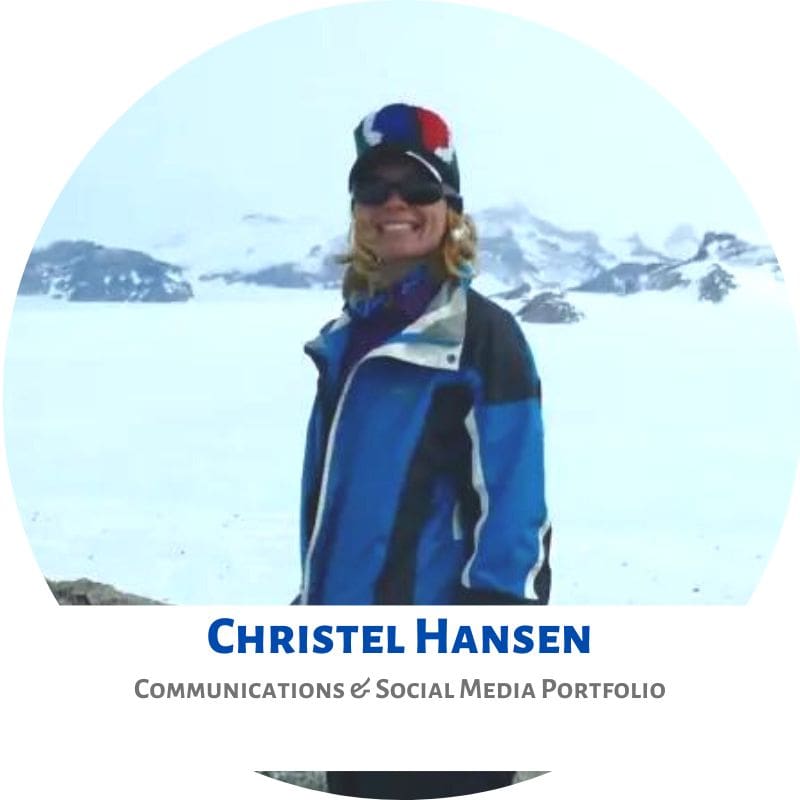
- Christel Hansen delivered a presentation on “Consistent mapping and geospatial information representation in the Antarctic and sub-Antarctic: why South Africans should care.” (Abstract)
- During the last research theme session chaired by Stefan Lotz of SANSA, Pierre Cilliers delivered a presentation on ” The long-term variation of the geomagnetic field in Antarctica as measured in Hermanus, Maitri and at SANAE-IV since 2007.” (Abstract)
by Ria Olivier | Dec 12, 2023 | International Days, Research, SA Polar Research Infrastructure, SANAP, SANAP Student, SAPRI, SCAR, Science, SEAmester
Over a period of 5 days 172 people participate in the 6th SANAP symposium. A lot has happened in the past 4 years since the last symposium in Hermanus in 2018 and feedback on research and other activities within SANAP featured on the program. The symposium was hosted by Stellenbosch University at Houw Hoek Hotel in the Grabouw valley where the participants built on a SANAP Research community for the future.
The Symposium kicked off with a hybrid meeting of the South African national committee for SCAR and the first evening a keynote lecture was presented by Prof Jukka Tukhuri (Aalto University, Finland) on the discovery of Shackleton’s Endurance on a voyage of the SA Agulhas II. During the symposium keynote lectures and plenary talks were given by Dr Peter Convey of British Antarctic Survey, Dr Sue Tonin of Mouse Free Marion and Prof Marcello Vichi on the Polar Lab part of the South African Polar Research Infrastructure (SAPRI).
The purpose of the symposium was to facilitate the free exchange of scientific information within SANAP research. In the Marine and Antarctic Research strategy it states that: “The need for coordinated, extensive and targeted research in the marine and oceanic domain has been underlined. Coordination has become important as there has been a shift in marine science from resources and process studies that could be carried out by small groups or individuals to very large-scale regional climate and ecosystem studies, where the success, nooses and benefits lie in the coordination.” One of the strategies outlined is: “creation of a society informed on the value of marine and Antarctic research initiatives.”
The following five thematic (vertical) areas were prioritised for research sessions and various principal investigators and researchers within SANAP chaired the sessions:
- Oceans and marine ecosystems under global change – Dr Rampai, Dr Fietz, Dr Thomalla, Dr Nicholson and Dr Lamont
- Earth systems observations – Prof Nel, Dr Lotz
- Ecosystems, biodiversity and biodiscovery – Prof Van Vuuren, Prof Cowan, Dr Greve, Prof Pistorius, Dr Wege,
- Innovation and development – Prof A Bekker
- Human Enterprise – Dr Lavery
Cross-cutting support interventions were discussed such as:
- Coordination and governance by Dr Gilbert Siko and Tracy Klarenbeek
- Human capital development and transformation chaired by Prof Ansorge
- Public awareness and engagement chaired by A Louw
- Research Infrastructure and platforms chaired by Dr T Morris
- Data management chaired by Dr Treasure
Feedback from SA National Committee for SCAR, APECSSA, SCALE expeditions and SEAmester were given and an evening session was held by the APECSSA committee where all the early career researchers that attended the symposium had great discussions. The newly established SAPRI was showcased to the SANAP community in cross discipline sessions on research infrastructure and platforms, data management and engagement, and a keynote lecture on the SAPRI Polar Lab that concluded all the research presentations
It was the first time that so many South African polar researchers were together on the 1st December on International Antarctic Day and a special Antarctic Breakfast took place to commemorate this International Day. A map of Antarctica, was signed and a cake was provided to celebrate the occasion.
The organising committee would like to thank all participants and attendees for making the 6th SANAP symposium a success and achieving its aim in building a SANAP research Community for the future. We are looking forward to the next Symposium in Kruger National Park in 2025 that will be hosted by a consortium of University of Johannesburg, Fort Hare University and the University of the Free State.
Comment by an ECR: “This was my very first SANAP symposium and it was absolutely incredible! Job well done to all those who assisted in organizing the event. Although it was a jam-packed week, the sessions were extremely interesting and well organized. The location was a perfect venue choice for this kind of event – especially for people to mingle, engage with one another and building strong relationships as well as for making connections for potential research collaborations. I am really impressed with the big focus that this symposium had on Early Career Researchers – I think it is a great way of getting the younger professionals more involved and to network! Congrats on pulling off a very successful SANAP Symposium!”
More will follow of the symposium and sessions that took place with a photos.
A huge thank you to the NRF for making the symposium possible and to all our suppliers and sponsors; Houw Hoek Hotel, Neelsie Travel Bureau, Adjuvo enterprises, Trilogy Audio Services, Crazylicous Cookies.
Featured Image: David Hedding
Image of signatures on Antarctica map : Anche Louw
by Ria Olivier | Nov 27, 2023 | Announcement, Jobs, Marion Island, News, Overwintering Team, Prince Edward Islands, Research, SA Polar Research Infrastructure, SANAP, SAPolarRI, SAPRI, Science, Southern Ocean, Stations, sub-Antarctic
Applications open for:
- Overwintering Birder
- Overwintering Killer Whaler
- Overwintering Sealer (2x positions)
The National Research Foundation (NRF) supports and promotes research and human capital development through funding, the provision of National Research Facilities and science outreach platforms and programmes to the broader community in all fields of science and technology, including natural sciences, engineering, social sciences and humanities.
The South African Environmental Observation Network (SAEON) is a research platform funded by the Department of Science and Innovation (DSI) and managed by the National Research Foundation (NRF) since 2002. SAEON is mandated to observe and research ecosystems on land, in coastal regions and the oceans to understand how those systems function and might change over time and space when influenced by socio-economic driving forces including climate change. We deliver our data online and offer tools, services and advice for informed environmental policy-making.
SAEON Egagasini Node, based in Cape Town, Western Cape, requires the services of suitably qualified individuals to be responsible for collecting field data on birds and mammals, to be used for conservation and academic purposes as part of the South African Polar Research Infrastructure (SAPRI). The birder will be contributing to the project ‘On-island impacts of climate change on the Southern Ocean’s iconic seabirds’ run by the FitzPatrick Institute (University of Cape Town).
The Marion Island research station is managed and administered by the Department of Forestry, Fisheries and the Environment (DFFE).
Apply before: 07 December 2023
Click here!
Anche Louw, South African Polar Research Infrastructure, 27 November 2023

 During the 6th SANAP symposium, time was allocated for the presentation of governance issues, and this was done on the first day during the opening ceremony. Dr Gilbert Siko , the Director of Marine & Polar Research at the Department of Science and Innovation gave the first presentation. His role within the Research Development and Support Programme it is to promote the development of research, the production of scientific knowledge, and human capital development in science areas in which South Africa enjoys a geographic advantage, that includes Antarctic and marine research. Dr Siko highlighted the strategic importance of the research conducted through the South African National Antarctic Programme.
 Dr Siko was followed by Tracy Klarenbeek, Director of Knowledge Advancement and Support of the National Research Foundation (NRF). She highlighted that create innovative funding instruments such as SANAP serve to transform the scientific landscape and inspire a representative research community to aspire to global competitiveness. She shared the outcomes of the 2023 SANAP Call for Proposals for funding cycle 2024 – 2026 with the community. She also mentioned that mentorship initiatives for unsuccessful applicants would be implemented via SAPRI.(right)
 Prof Bettine van Vuuren (right), Chair of the
  A printed Map of Antarctica was signed by everyone on International Antarctica Day 1st December 2023 at Houw Hoek Hotel!
 MARIS started the first session on Southern Ocean research within SANAP with focus on SEA ICE. Above: Rutger Marquart, Magata Mangatane, Dylan White, Anand Nair, Wayne de Jager, Leila Nefdt, Safiyyah Moos, Tokoloho Rampai, Marcello Vichi, Robyn Verrinder, Hayley Swait, Riesna Audh, James van Niekerk. (Photo Credit: MARIS)

 Oral presentations:
 Poster Presentations were displayed in the venue during the symposium and presenters gave a quick introduction to their posters during the round-table session.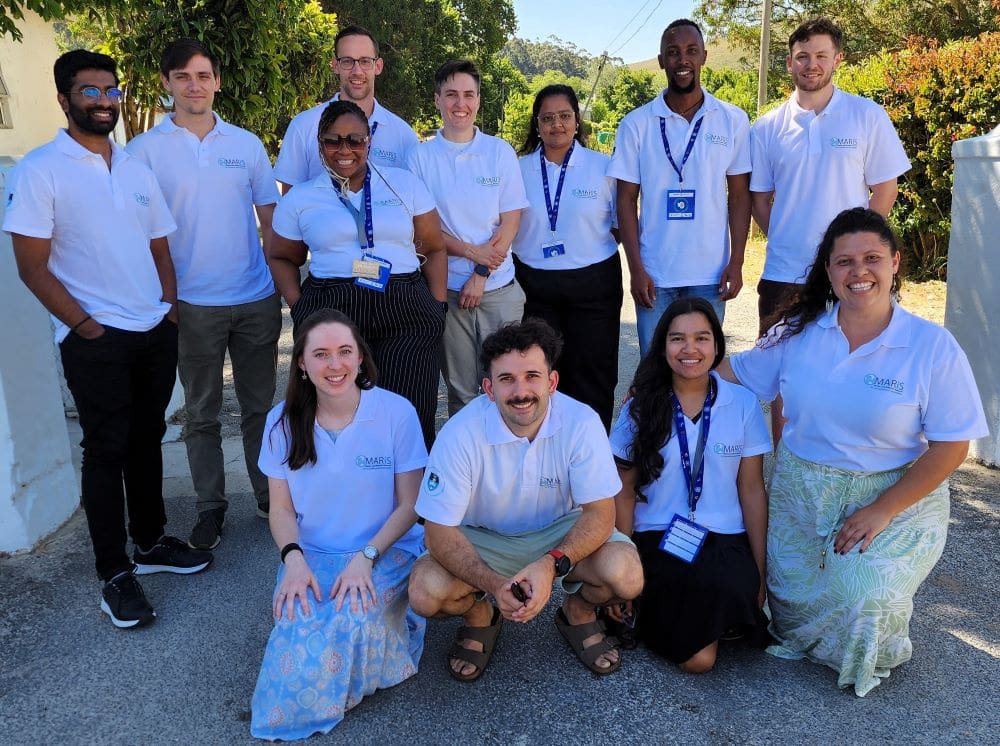

 During the 6th Symposium sessions were allocated to cross cutting disciplines and it led to great presentations and discussions. 12- 16 February is
  Anne Treasure(right) South Africa’s representative at Standing Committee on Data Management(SCADM) at SCAR and Data Products and Society Manager of the South African Polar Institute(SAPRI) chaired the main session on data management. This session included very interesting presentations from various science disciplines.



 Christel Hansen
 Over a period of 5 days 172 people participate in the
  The purpose of the symposium was to facilitate the free exchange of scientific information within SANAP research. In the
  It was the first time that so many South African polar researchers were together on the 1st December on International Antarctic Day and a special Antarctic Breakfast took place to commemorate this International Day. A map of Antarctica, was signed and a cake was provided to celebrate the occasion.
 The organising committee would like to thank all participants and attendees for making the 6th SANAP symposium a success and achieving its aim in building a SANAP research Community for the future. We are looking forward to the next Symposium in Kruger National Park in 2025 that will be hosted by a consortium of University of Johannesburg, Fort Hare University and the University of the Free State.