by Ria Olivier | Sep 21, 2020 | Gough Island, Overwintering Team, SA Agulhas II, SANAP, sub-Antarctic, Take-Over Operations, Uncategorised
Gough Island is located at 40°S, 9°W – 2600 km from East Pier, Cape Town Harbour. (Image above by Christopher Jones currently onthe Island) South Africa has been operating a weather station on Gough Island since 1956. The first overwintering team consists of 4 members , but since then the team structure has developed to include more members. The team consists of a Medical Orderly, Diesel Mechanic, Electrical Engineer and a Communications Engineer. The South African Weather Service(SAWS send a team that consist of a Senior Meteorological Technician and two Meteorological Technicians. The rest of the team is made up of 3 Field assistants of the Royal Society for the Protection of Birds(RSPB). A team leader and deputy team leader are also appointed for the duration of their time.
(Above L-R: Tshimangadzo Jufter(Jay) Munyai – Leader and Electrical Engineer, Catherine(Cathy) Mbazwana – Deputy Leader and Medical Orderly, S’Celo Ndwalane – Diesel Mechanic and Gert Benadé – Communications Engineer)
(Above L-R: Zinhle(Zee) Shongwe – Senior Meteorological Technician and Meteorological Technicians (Asa) Somaxaka and Dylan Seaton (of Gough65 staying on for another year)
(Above L-R: RSPB field assistants; Vonica Perold, Roelf Daling and Kim Stevens
As with Marion77 overwintering team the 2020 annual S.A. Agulhas II relief voyage to Gough Island departed on 19 September 2020 under strict Covid-19 health protocols. In the midst of these protocols and given the clear the Gough 66 made time to be part of South Africa Heritage Celebrations and answered the call by President Ramaphosa and create a video of the #JeruslaemDanceChallenge (have a look on Facebook). Gough will stop at Tristan de Cunha on the way to Gough Island and then Gough 66 will take-over form Gough65
(Above L-R: Richard Hall – Logistics Manager, Vonica Perold, Roelf Daling and Kim Stevens – RSPB Field Asisstants and Nini van der Merwe(BirdlifeSA) with poster of restoration programme. The Gough Island Restoration 2021 also gets underway with the departure of Gough 66. RSPB;” Six months after having made the devastating decision to postpone the 2020 restoration of Gough Island, our team is back in strength and starting to gear up for what we hope will be a 2021 mouse eradication attempt.”
Above a few preliminary team photos (L-R: girls of 66, Team66, Guys of 66) Follow #GOUGH66 on Twitter @Antarcticlegacy and Facebook
by Ria Olivier | Sep 16, 2020 | Announcement, Gough Island, Overwintering Team, SA Agulhas II, sub-Antarctic, Take-Over Operations, Tristan da Cunha
Department of Environment Forestry and Fisheries : Media Statement – 15 September 2020 : SA Agulhas II will depart for Gough Island under strict health protocols:
The 2020 annual SA Agulhas II relief voyage to Gough Island will depart on 17 September 2020 under strict Covid-19 health protocols.
by Ria Olivier | Jul 13, 2020 | Research, SANAP, Science, SEAmester, sub-Antarctic, Take-Over Operations
Family hikes and visits to game reserves instilled in me a keen interest in the natural world at an early age. This led to a BSc and BSc hons in Zoology at the University of the Witwatersrand. This was followed by the first of three year-long expeditions to Marion Island. While on Marion Island I worked for the Mammal Research Institute of the University of Pretoria, as part of the Marine Mammal Programme. Trips to Marion Island were followed by several summer seasons as a field biologist on Bouvet Island, a Norwegian possession in the Southern Ocean. I subsequently worked as a fisheries biologist in Namibia before returning to Pretoria to complete my MSc on the behavioural ecology of elephant seals.
Above (l-r) : Greg(middle) to leave for Bouvet; Greg on Marion Island; Greg on Bouvet Island
I took up my current employment in 2006 as marine mammal biologist at the Port Elizabeth Museum at Bayworld. While at the PEM, I completed a PhD, also on elephant seals. I am currently curator of the marine mammal collection at the PEM, and am thus responsible for the Southern Hemisphere’s largest marine mammal collection. This comprises over 6 000 specimens of more than 50 species. It continues to grow by some 30-40 specimens per year and is used by researchers from all over the world.
Why you love your career in science?
When I was very young I was keen to become a game ranger. While in high school this had morphed into being a zoologist. And this is the career that I was lucky enough to follow. It has given me wonderful opportunities and allowed me to do some fascinating things. I had always wanted to work in wild places and so arriving on Marion Island for the first time was like arriving in paradise. Before the end of my first year, I new that I had to return. I loved every moment on this rough place. Not only was it beautiful and challenging, but it also allowed one the opportunity to observe animals fairly closely and wonder about their way of life and behaviour. How did these very distant relatives of our survive in an environment so hostile to us? Thus it was also intellectually stimulating. And I have loved to return to wild places and ask questions about the natural work ever since.
If you want to become a scientist, do what you love. It is a tough career that requires
many long hours and much dedication. You will only succeed in this if you are fascinated by what you are doing. Also, if you are reasonably good and enthusiastic about what you are doing, a number of opportunities should come your way. Seize each one. Then, doing science gives you a real opportunity to make a difference. While science is an unparalleled means of understanding the world, it also offers opportunities to make the world a better place, for all life in it, including humans.
Text and images supplied by Greg Hofmeyr.
by Ria Olivier | Jun 3, 2020 | Antarctica, SANAE, Take-Over Operations
Watch the amazing video by Alexander Oeloefse made during the 2019 -2020 takeover period at SANAE IV. AN interview with the driver s of the Bulldozer equipment.
These driver teams are part of South Africa’s Antarctic Legacy. Read more about them on the ALSA webpage. The team during 2019-2020 was Thabang Tshupo, Bertus Roos, Andrew Kietzmann, Riaan Marx, Thabo Thebe, Thato Mareme and Markus Viljoen.
Video credit: Alexander Oelofse
Ria Olivier, Antarctic Legacy of South Africa.
by Ria Olivier | Apr 17, 2020 | Antarctica, Legacy, SA Agulhas II, SANAE, SANAP, Science, Take-Over Operations, Women in Science
Jess Verheul grew up in Johannesburg, South Africa and has always had an affinity for the outdoors, wild and remote places, exploring, surviving and adventuring. She believes she might have been inspired and influenced by her grandparents being farmers; “we spent much time playing outside growing up. I loved being on the farm, and my parents took us on some great safari holidays when we were younger too”. She graduated with a Bachelor of Science degree, specialising in Geography and Environmental Management. In her third year (2009), her mom showed her an article in an old girls school newsletter, an article by a fellow former school girl, who had been in Antarctica as the overwintering Medical Doctor. This sparked a conversation which in turn started a personal obsession…Mission Antarctica, by any means necessary. Her sense of adventure and the will to explore, or a search for depth and resilience to struggle and experience the elements for one’s-self sparked this obsession.
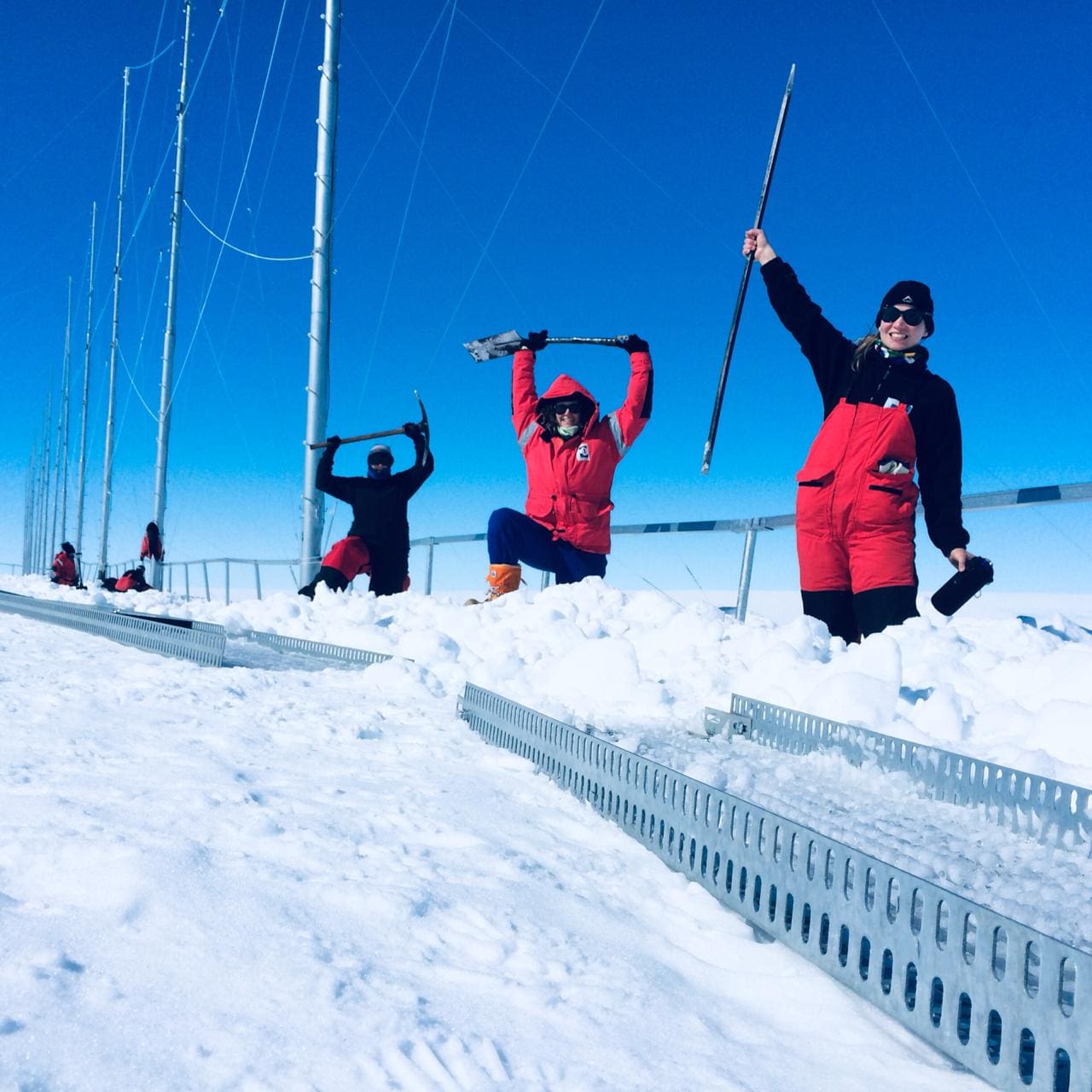
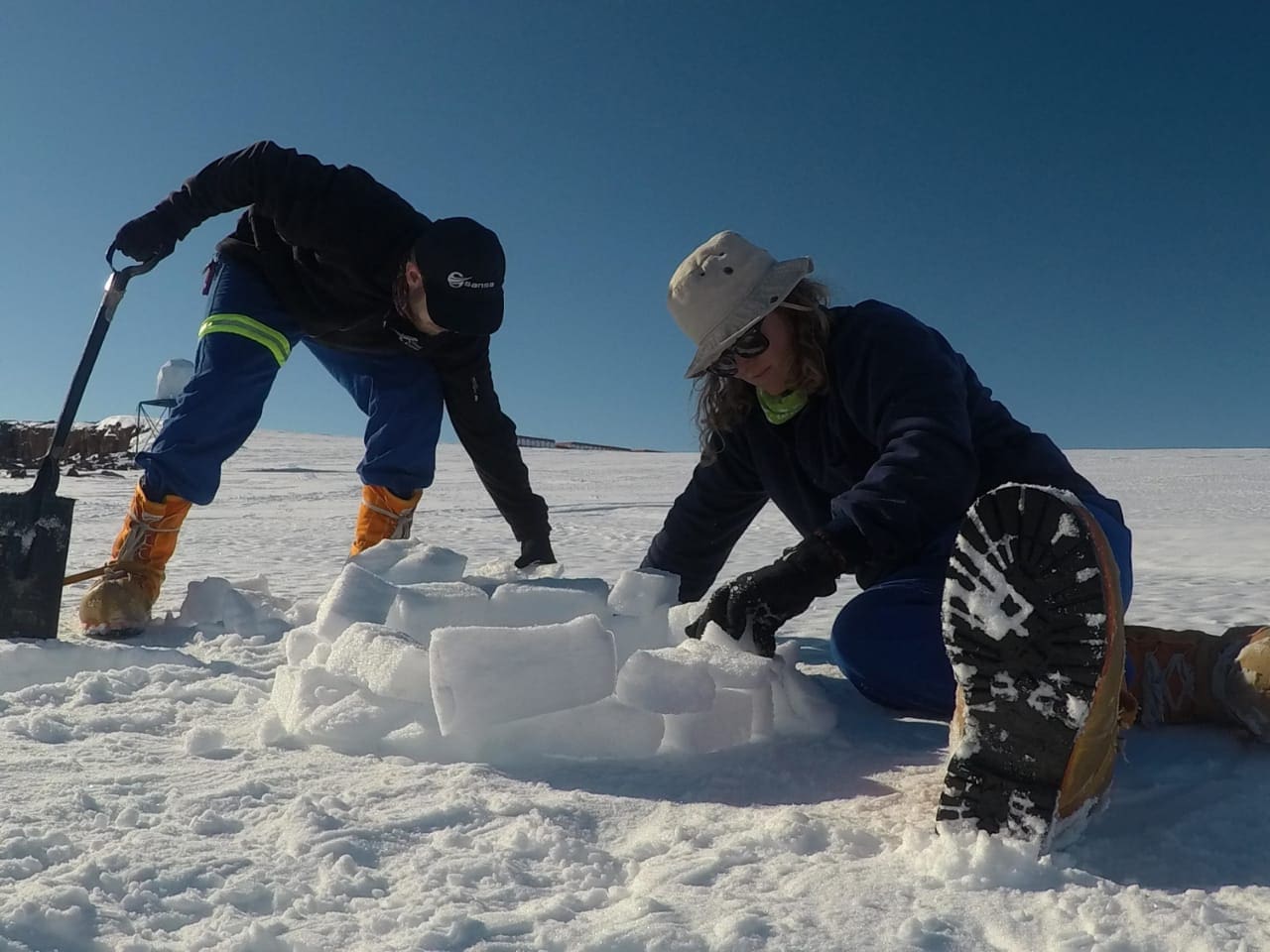
Jess completed her Master’s Degree in Environmental Management in 2012 and started working in the corporate consulting world. She relocated to Cape Town in 2014 and got involved as a volunteer firefighter and started experimenting more with creative hobbies like drawing and painting. In 2018 she was offered a volunteer position for the summer takeover to SANAE IV, South Africa’s Antarctic station located on the Vesleskarvet nunatak in Dronning Maud Land. She joined the South African National Space Agency (SANSA) team as a volunteer for the summer takeover expedition. As a member of a team of 10 people for SANSA undertaking upgrades and maintenance at SANAE IV over the summer takeover period from December 2018 to March 2019.
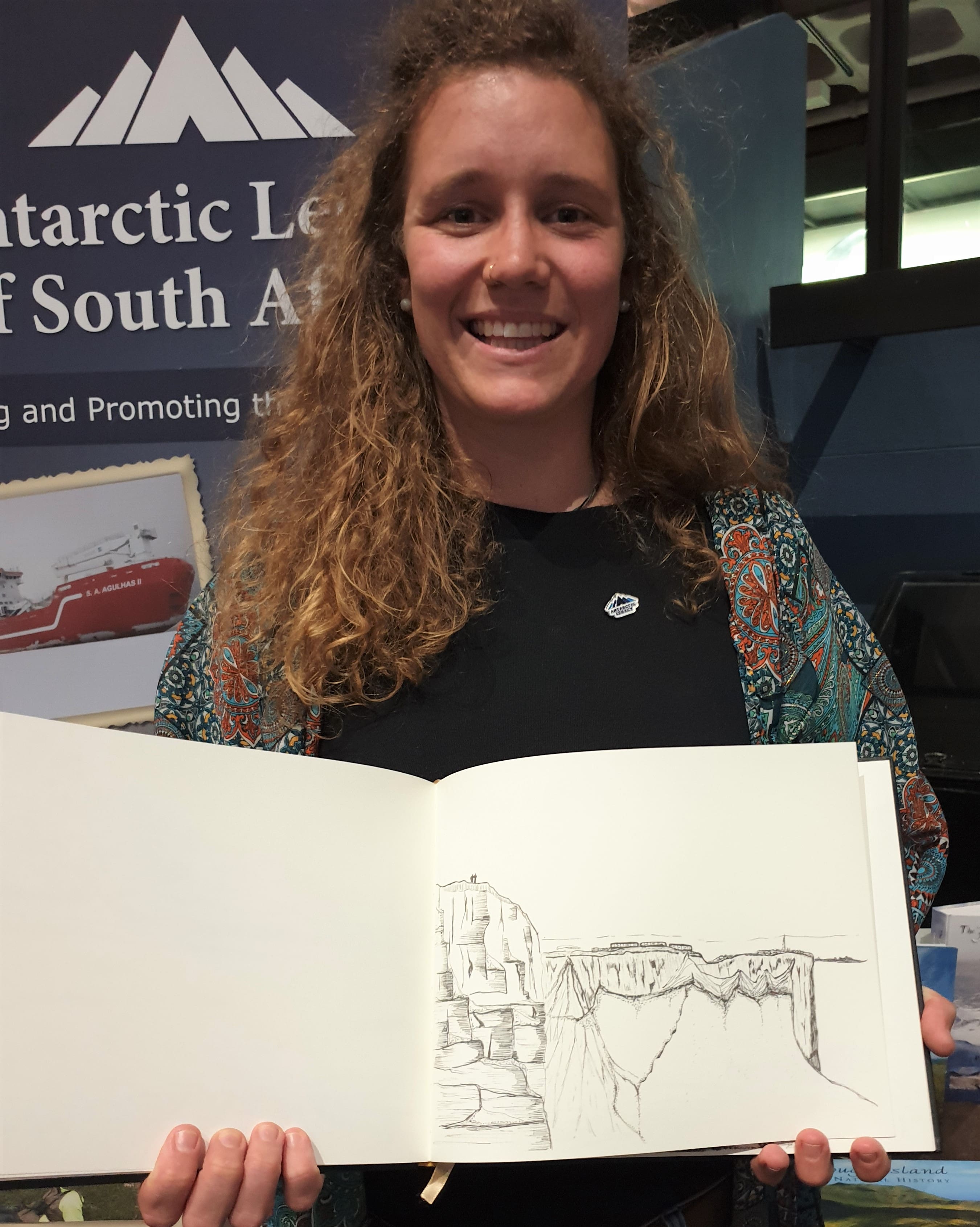
“Lacking a good camera but having a desire to experience this incredible place to the fullest, and knowing that drawing is a fantastic meditation; I treated myself to a blank sketchbook and some fine-liner pens before departing on our journey. I like creative expression. It helps me clear my head and experience a place or a situation more deeply.”
The SANSA Team didn’t have to do any work for the 11-day ship journey South, so she spent her time reading several books and did a bit of sketching. On the 19th of December the S.A. Agulhas II was close to the Fimbul Ice-shelf in Dronning Maud Land. Over the summer Jess spent approximately 100 hours in between work and chores, helping out and socialising; drawing, painting and studying the landscapes. “It was an unforgettable experience, one that still feels like a dream. I am ever grateful for the incredible opportunity. Since having spent all that time observing the place, I will remember it deeply for the rest of my days.”
ANT{INK}TICA : There were initially no plans to publicise her art, but the opportunity was presented by the archivist at Antarctic Legacy of South Africa (ALSA) to publish it in a coffee table book. This is the first art publication from the Antarctic Legacy of South Africa. The book consists of 49 sketches and 3 poems, depicting scenes experienced by Jess during her Antarctic Expedition. Only 100 publications are available and will be signed by the artist. This publication will be a unique addition to Art Book Collections and Antarctic publications. Visit the website www.justjiggs.com to read more about the publication and place an order or contact riaolivier@sun.ac.za for more details.
Jess’ message to you: “To get out there, challenge yourself. To believe in yourself and your ability. To try new things. Try harder, to judge yourself less and to never give up. To appreciate the experiences and lessons you’ve been endowed with and to help others along their way”. . Jess’ hope is that this book will shine a light for you, to show you that anything is possible. That persistence pays. Magic exists. And every day is a gift. Life is short, don’t waste a second.
Text: Jess Verheul Photo credits: Jess Verheul, Colin de la Harpe, ALSA
by Ria Olivier | Apr 15, 2020 | Antarctica, Environment, Research, Take-Over Operations
My name is Khuselwa a.k.a. Kusi Ngxabani, Deputy Director: Vessel and Helicopter Management with effect from 01 September 2019. I joined the erstwhile Department of Environmental Affairs & Tourism in 1997 as an Administrative Clerk, in the Directorate: Antarctica and Islands, was promoted to Senior Administration Officer in 2003 and later promoted to the Assistant Director: Scientific Liaison and Administration Support position in the same directorate from 1 April 2008 to 31 May 2015. My directorate is dealing specifically with the South African National Antarctic Programme (SANAP). SANAP’s mandate is to provide logistical support to Researchers (Scientists). From 01 June 2015 I was promoted Deputy Director, heading the Sub-directorate: Travel and Fleet Services in the Directorate: Facilities and Administration Services (Cape Town) within the department. I served the aforementioned directorate until 31 August 2019.
What drives your passion in the job you do in the department? (Image Kusi with departure of SANE59)
One thing one should know is that you can take the girl out of SANAP but you cannot take SANAP out of the girl. I just love working with people. All the reason when opportunity presented itself to return to the Directorate: Southern Oceans and Antarctic Support to contribute to SANAP I did not think twice but grabbed it with both hands. It was no promotion but a lateral transfer. The positive and pleasant attitude of the people you work with gets you through the day. You know that feeling that whatever situation you come across, you can actually grab the bull by its horns and conquer anything. I came back to a different Sub-directorate with different responsibilities than what I was doing prior to leaving in 2015. For now it feels like a mammoth task but with my dedication and zeal I know I will make it, I’ll take it one step at a time. The thought of making a difference in the lives I touch with people I serve and work with is enormous.
What do you find most challenging and rewarding about working within SANAP?
The most challenging aspect of my job is when people make their poor planning my priority. For an example, my most recent relief voyage to Antarctica as a Departmental Coordinating Officer (after 7 years) came with challenges especially with the supply of goods. Some people do not have sense of urgency and that could be detrimental to any relief voyage which has a scheduled date of departure and return. What is rewarding however, is the fact that my contribution to the department and SANAP has an enormous impact on the performance of others. In addition, to have a lot of work, feel you are ‘snowed under’ but leave the work place having that fulfilment that you have met the target you set for yourself, having made a difference in one way or the other. Being involved in organising departmental activities gives me adrenalin rush and even most rewarding when the functions are successful. I am usually asked to be Programme Director for events within the department. See interview with Kusi at SANAE IV during takeover 2019-2020
What do you consider to be your greatest achievements in your career life thus far?
To be appointed as the first Black Woman Departmental Coordinating Officer (DCO) for the 2006 Marion Island relief voyage. What an experience and achievement. Having studied Part-time and graduated in National Diploma: Public Management and later B-Tech: Public Management. Those were the tough four (4) years of my life as leaving work at 16:00 to be in class from 17:00 until after 21:00 was no walk in the park. Had I studied at a younger age, by now I would have been further in my career, however, as a single parent I do not regret opting to raise my son first. He means the world to me; he is the Apple of my eye.
What would your advice be to those who want to follow the same career path as you?
When afforded an opportunity grab it with both hands and make the best out of it. Keep pushing and strive for high ideals and remember, Rome was not built in a day. Letta Mbulu sings “…and the road will be muddy and rough, we will get there you know just how we will get there, we know we will carry on…” There is a saying that curiosity once killed a cat but in the career field I stand to differ with that notion. Always have hunger for knowledge, be curious, further your studies and you will realise that only the sky is the limit! In the workplace I live with the words of Max Ehrmann in his ‘Desiderata’, “Listen to others, even to the dull and the ignorant, they too have their story. Avoid loud and aggressive persons; they are vexations to the spirit”. From a person extract what is positive and inspiring and leave the rest. Always keep your head above water, keep the faith and never stop praying


 Gough Island is located at 40°S, 9°W – 2600 km from East Pier, Cape Town Harbour. (Image above by Christopher Jones currently onthe Island) South Africa has been operating a weather station on Gough Island since 1956. The first overwintering team consists of 4 members , but since then the team structure has developed to include more members. The team consists of a Medical Orderly, Diesel Mechanic, Electrical Engineer and a Communications Engineer. The South African Weather Service(SAWS send a team that consist of a Senior Meteorological Technician and two Meteorological Technicians. The rest of the team is made up of 3 Field assistants of the Royal Society for the Protection of Birds(RSPB). A team leader and deputy team leader are also appointed for the duration of their time.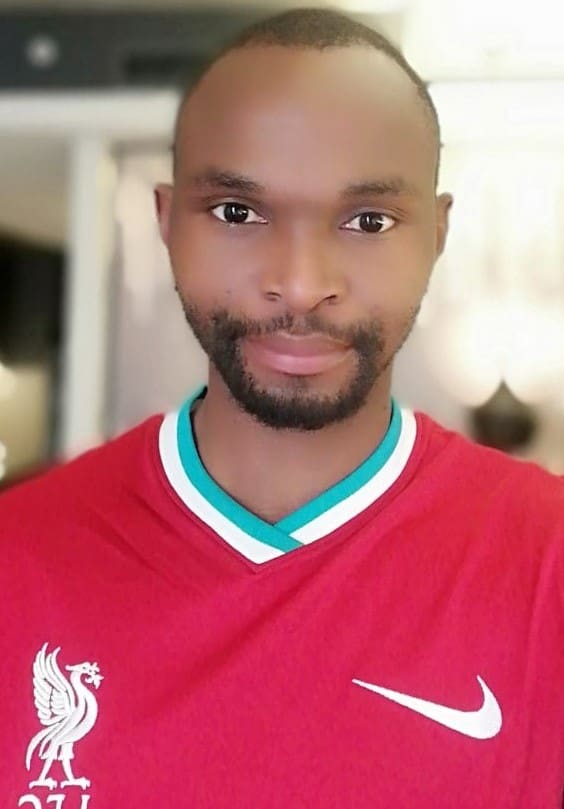
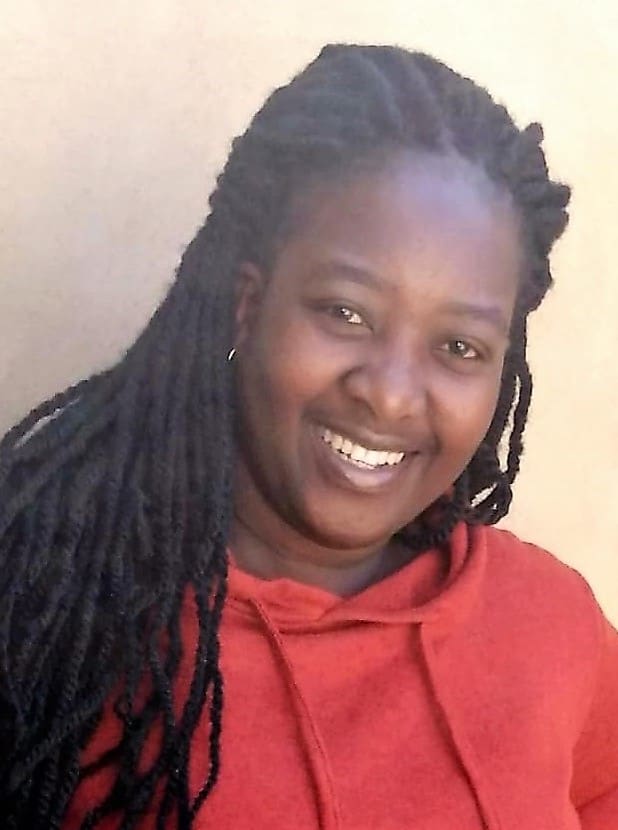
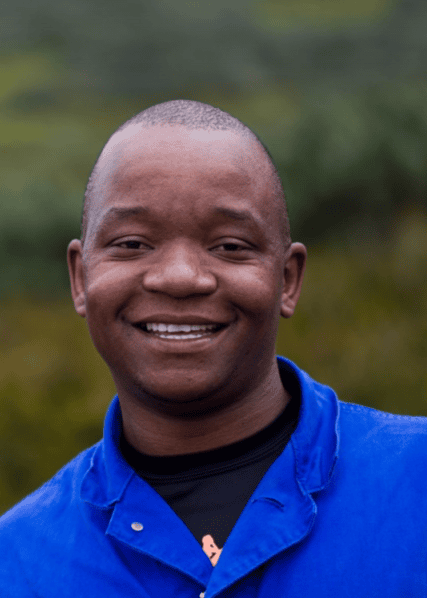
 (Above L-R: Tshimangadzo Jufter(Jay) Munyai – Leader and Electrical Engineer, Catherine(Cathy) Mbazwana – Deputy Leader and Medical Orderly, S’Celo Ndwalane – Diesel Mechanic and Gert Benadé – Communications Engineer)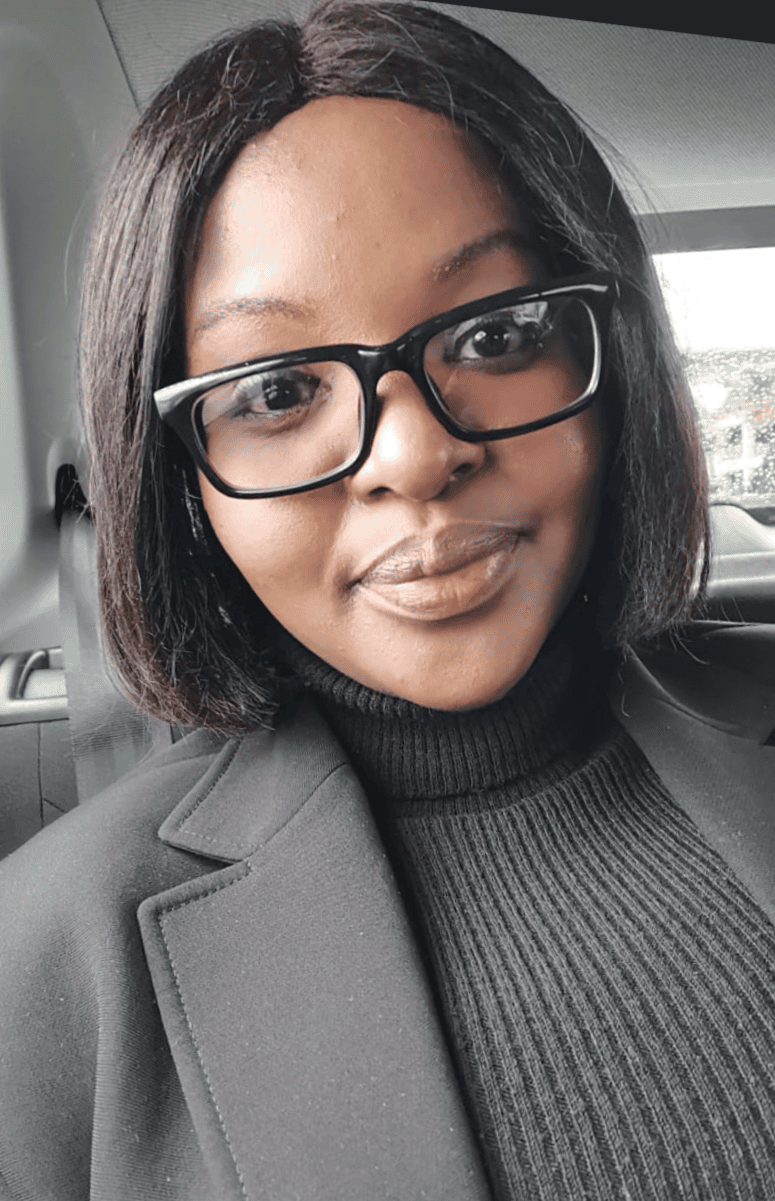

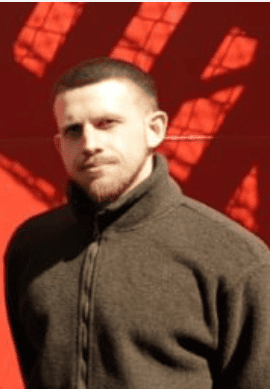 (Above L-R: Zinhle(Zee) Shongwe – Senior Meteorological Technician and Meteorological Technicians (Asa) Somaxaka and Dylan Seaton (of Gough65 staying on for another year)

 (Above L-R: RSPB field assistants; Vonica Perold, Roelf Daling and Kim Stevens
 As with Marion77 overwintering team the 2020 annual S.A. Agulhas II relief voyage to Gough Island departed on 19 September 2020 under strict Covid-19 health protocols. In the midst of these protocols and given the clear the Gough 66 made time to be part of South Africa Heritage Celebrations and answered the call by President Ramaphosa and create a video of the #JeruslaemDanceChallenge (have a look on Facebook). Gough will stop at Tristan de Cunha on the way to Gough Island and then Gough 66 will take-over form Gough65
 (Above L-R: Richard Hall – Logistics Manager, Vonica Perold, Roelf Daling and Kim Stevens – RSPB Field Asisstants and Nini van der Merwe(BirdlifeSA) with poster of restoration programme. The Gough Island Restoration 2021 also gets underway with the departure of Gough 66. RSPB;” Six months after having made the devastating decision to postpone the 2020 restoration of Gough Island, our team is back in strength and starting to gear up for what we hope will be a 2021 mouse eradication attempt.”
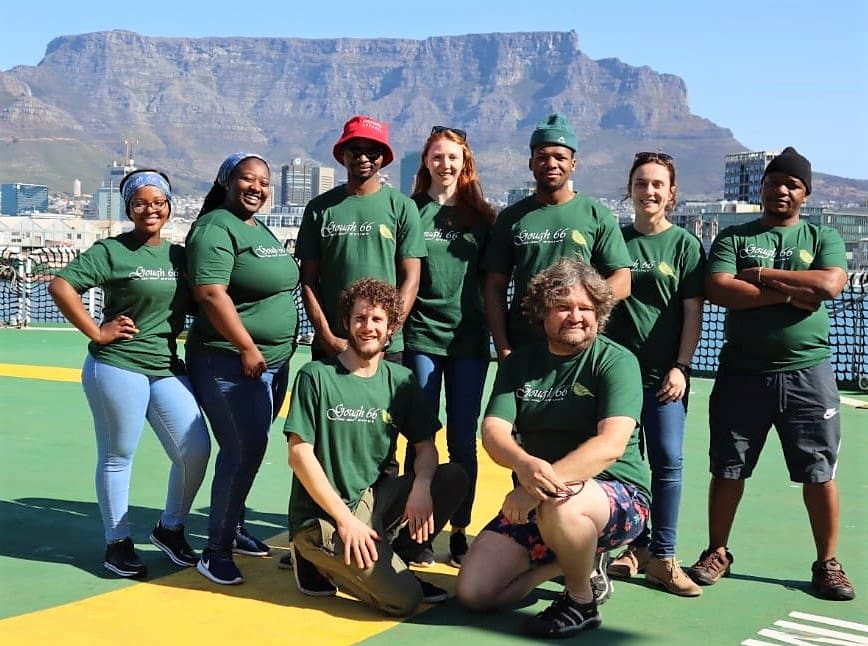
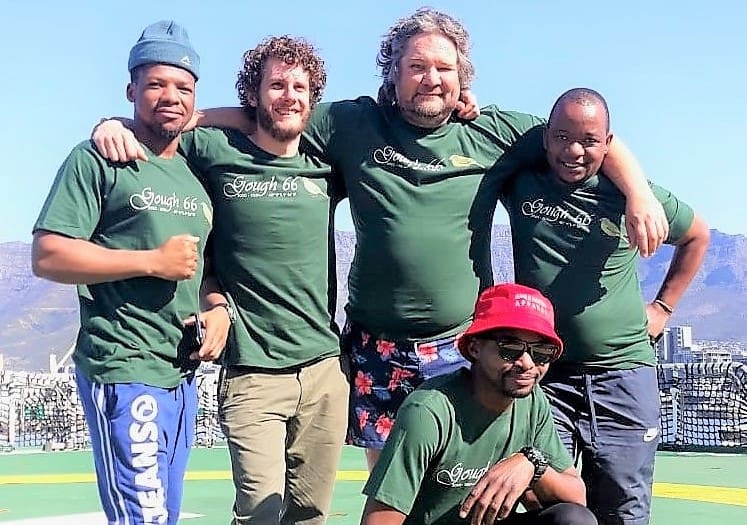 Above a few preliminary team photos (L-R: girls of 66, Team66, Guys of 66) Follow #GOUGH66 on Twitter @Antarcticlegacy and Facebook
 Department of Environment Forestry and Fisheries : Media Statement – 15 September 2020 : SA Agulhas II will depart for Gough Island under strict health protocols:
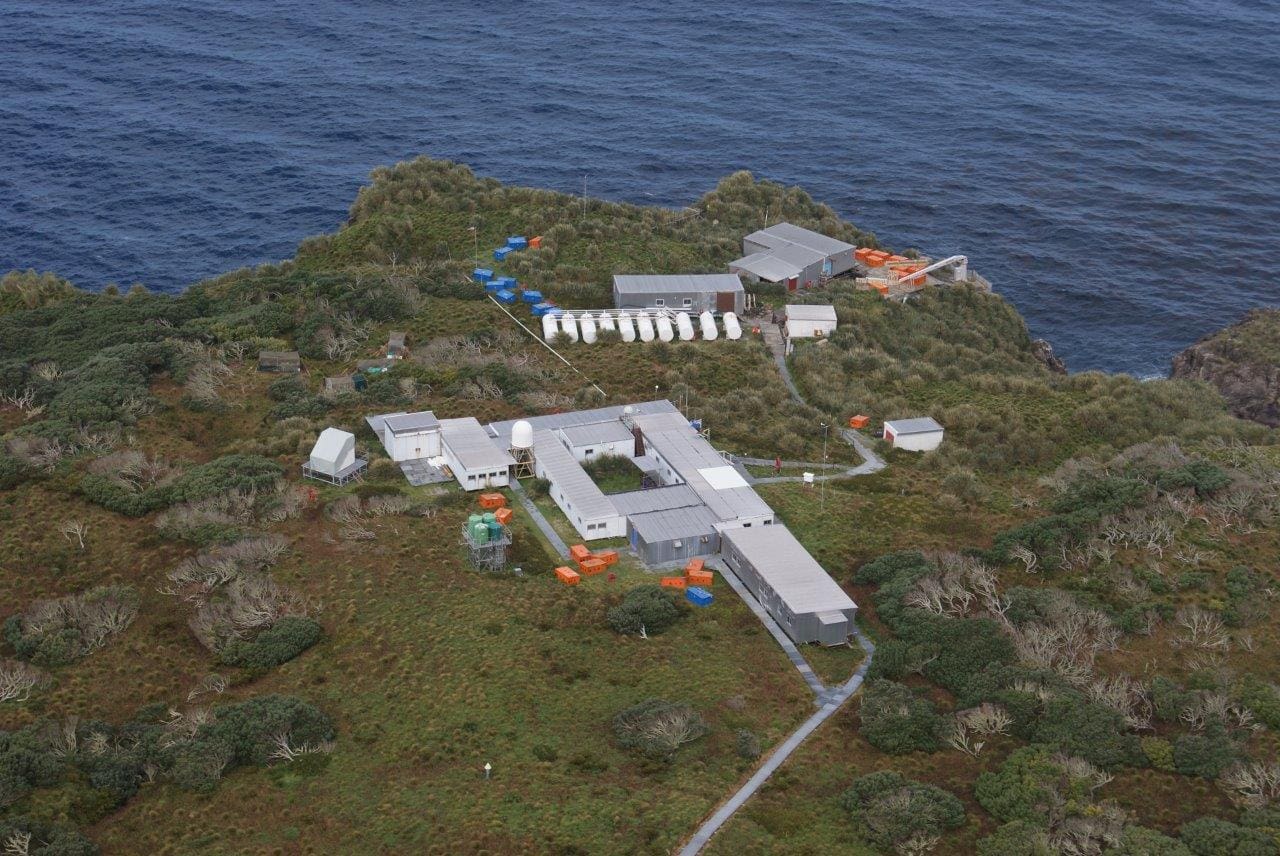 Gough Island, some 2600 km south-west of Cape Town, is very strategic for South Africa’s weather observations and forecasting. The weather data collected at Gough and Marion Islands and at SANAE IV on Antarctica, is important for the navigation of passing vessels, warning South Africa of impending severe weather systems (in the case of Gough Island), as well as providing insight into climate change. These datasets are also key to improving the accuracy of our global and regional weather forecast models.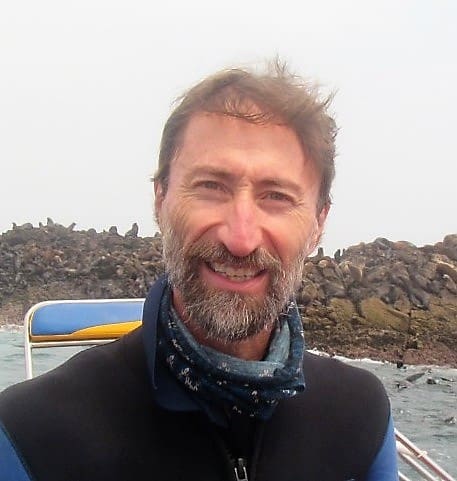


 Above (l-r) : Greg(middle) to leave for Bouvet; Greg on Marion Island; Greg on Bouvet Island
 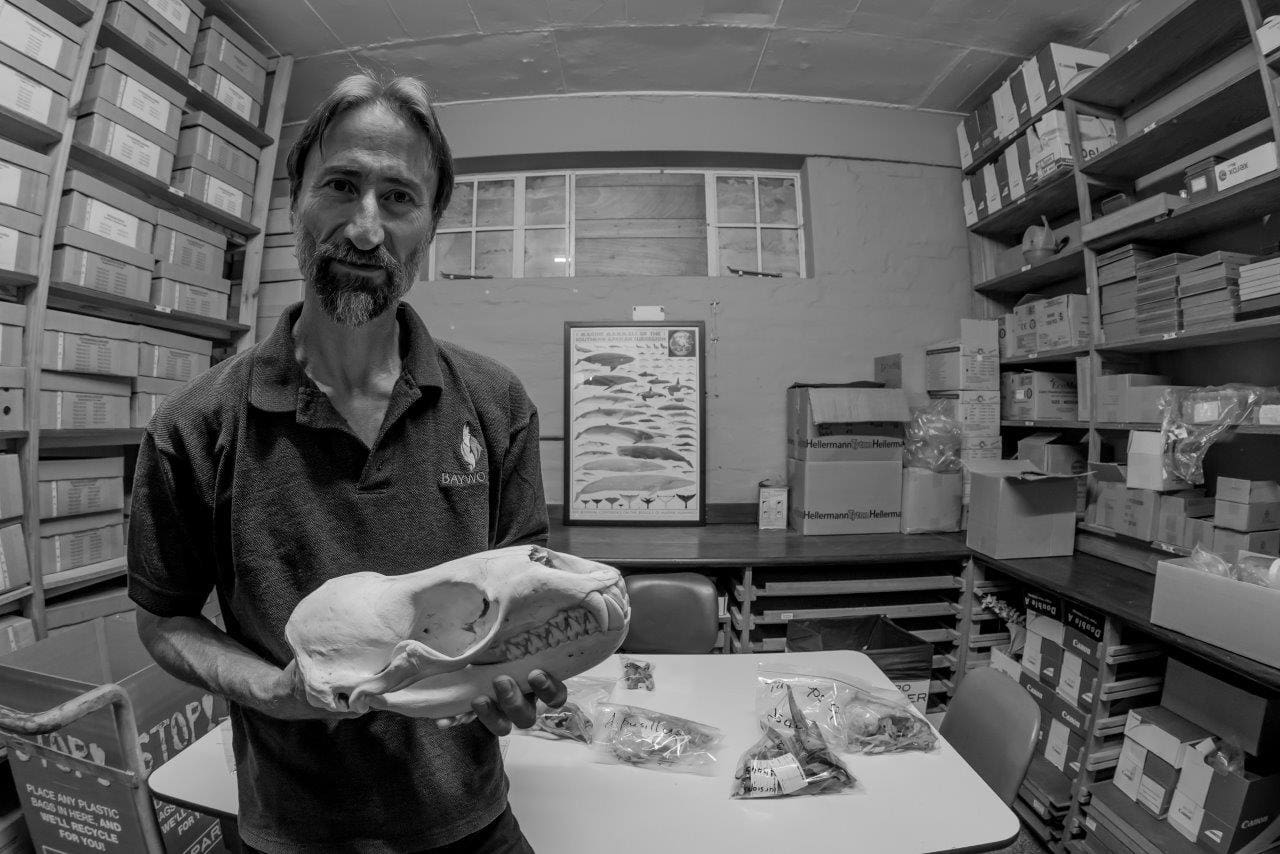 I took up my current employment in 2006 as marine mammal biologist at the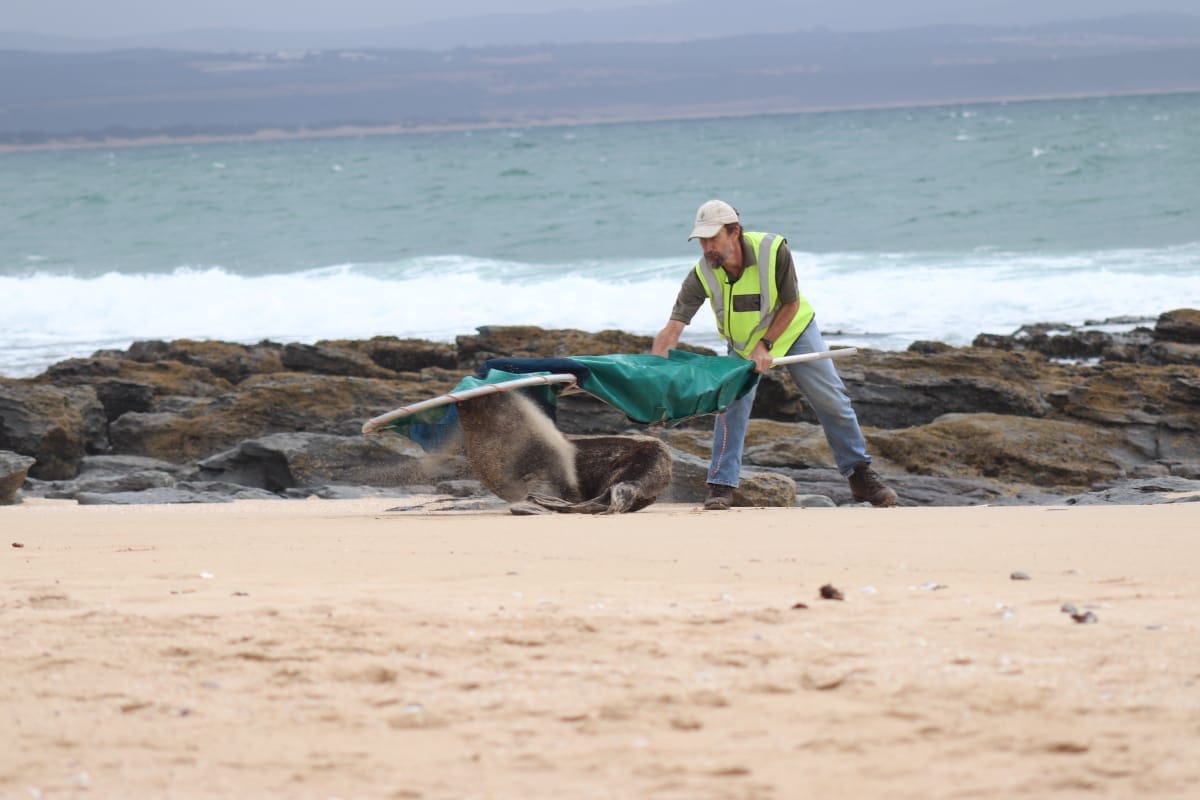

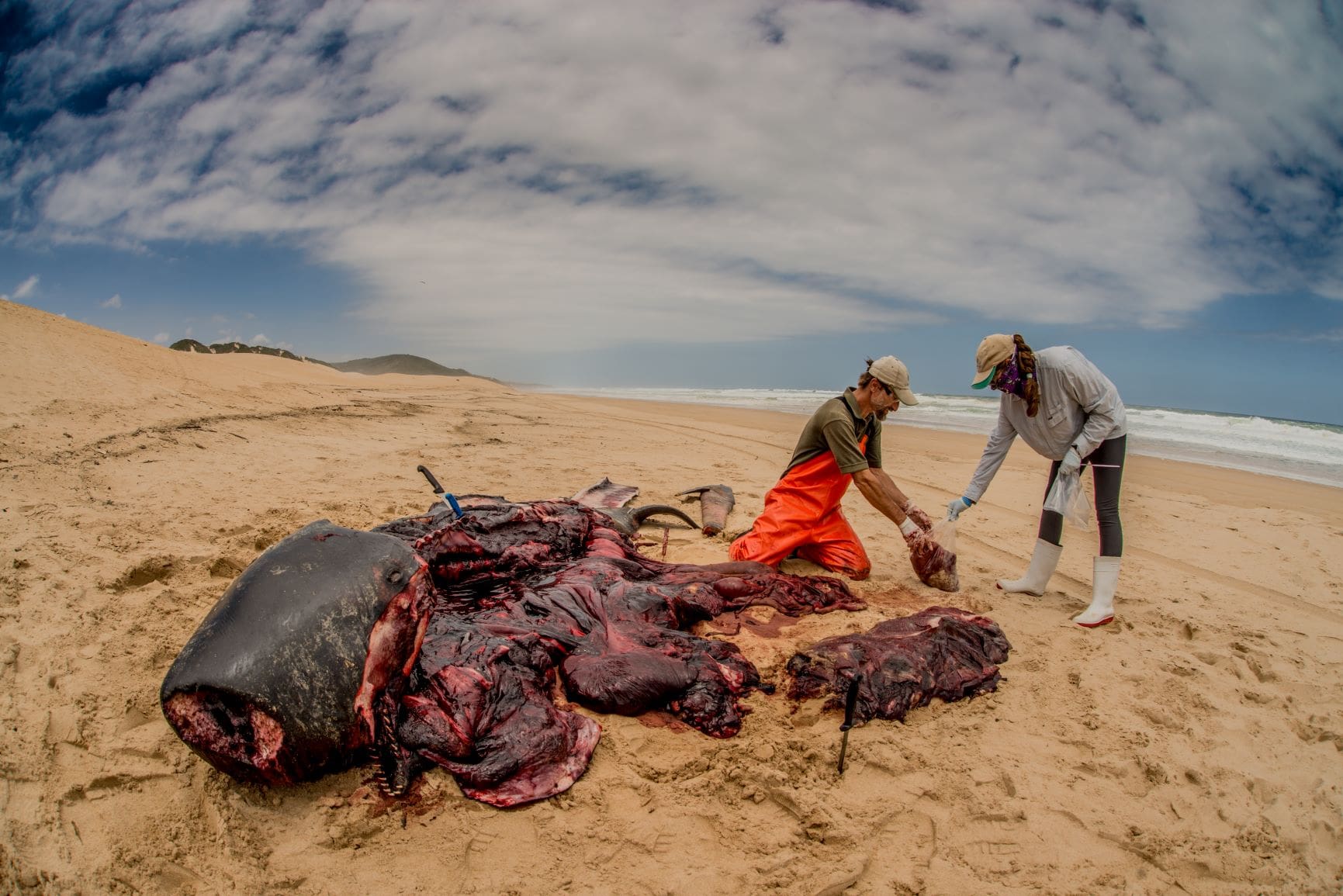 When I was very young I was keen to become a game ranger. While in high school this had morphed into being a zoologist. And this is the career that I was lucky enough to follow. It has given me wonderful opportunities and allowed me to do some fascinating things. I had always wanted to work in wild places and so arriving on Marion Island for the first time was like arriving in paradise. Before the end of my first year, I new that I had to return. I loved every moment on this rough place. Not only was it beautiful and challenging, but it also allowed one the opportunity to observe animals fairly closely and wonder about their way of life and behaviour. How did these very distant relatives of our survive in an environment so hostile to us? Thus it was also intellectually stimulating. And I have loved to return to wild places and ask questions about the natural work ever since.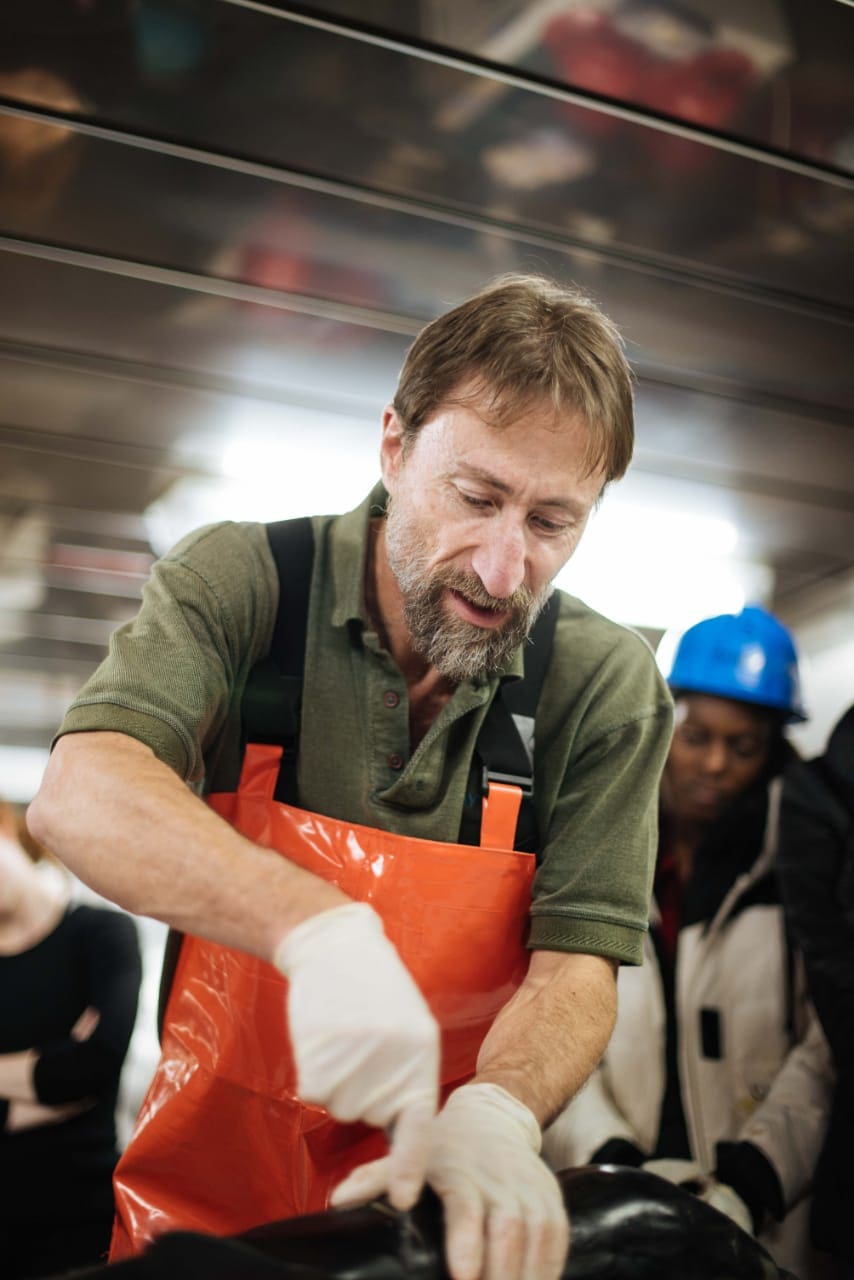
 If you want to become a scientist, do what you love. It is a tough career that requires
 These driver teams are part of South Africa’s Antarctic Legacy. Read more about them on the

 Jess completed her Master’s Degree in Environmental Management in 2012 and started working in the corporate consulting world. She relocated to Cape Town in 2014 and got involved as a volunteer firefighter and started experimenting more with creative hobbies like drawing and painting. In 2018 she was offered a volunteer position for the summer takeover to
  “Lacking a good camera but having a desire to experience this incredible place to the fullest, and knowing that drawing is a fantastic meditation; I treated myself to a blank sketchbook and some fine-liner pens before departing on our journey. I like creative expression. It helps me clear my head and experience a place or a situation more deeply.”
 ANT{INK}TICA : There were initially no plans to publicise her art, but the opportunity was presented by the archivist at Antarctic Legacy of South Africa (ALSA) to publish it in a coffee table book. This is the first art publication from the Antarctic Legacy of South Africa. The book consists of 49 sketches and 3 poems, depicting scenes experienced by Jess during her Antarctic Expedition. Only 100 publications are available and will be signed by the artist. This publication will be a unique addition to Art Book Collections and Antarctic publications.
  Jess’ message to you: “To get out there, challenge yourself. To believe in yourself and your ability. To try new things. Try harder, to judge yourself less and to never give up. To appreciate the experiences and lessons you’ve been endowed with and to help others along their way”. . Jess’ hope is that this book will shine a light for you, to show you that anything is possible. That persistence pays. Magic exists. And every day is a gift. Life is short, don’t waste a second.

 My name is Khuselwa a.k.a. Kusi Ngxabani, Deputy Director: Vessel and Helicopter Management with effect from 01 September 2019. I joined the erstwhile Department of Environmental Affairs & Tourism in 1997 as an Administrative Clerk, in the Directorate: Antarctica and Islands, was promoted to Senior Administration Officer in 2003 and later promoted to the Assistant Director: Scientific Liaison and Administration Support position in the same directorate from 1 April 2008 to 31 May 2015. My directorate is dealing specifically with the South African National Antarctic Programme (SANAP). SANAP’s mandate is to provide logistical support to Researchers (Scientists). From 01 June 2015 I was promoted Deputy Director, heading the Sub-directorate: Travel and Fleet Services in the Directorate: Facilities and Administration Services (Cape Town) within the department. I served the aforementioned directorate until 31 August 2019.
 What drives your passion in the job you do in the department? (Image Kusi with departure of SANE59)
 What do you find most challenging and rewarding about working within SANAP?
 What would your advice be to those who want to follow the same career path as you?