June is recognised as Environment Month in South Africa, a time to reflect on the importance of protecting our natural world and ensuring a sustainable future for generations to come. The month culminates in World Environment Day on 5 June, a global initiative led by the United Nations Environment Programme (UNEP). In 2026, the international campaign focuses on Climate Action, highlighting the urgent signals being sent by our planet, the transition to cleaner energy systems, and the accelerating pace of environmental solutions.
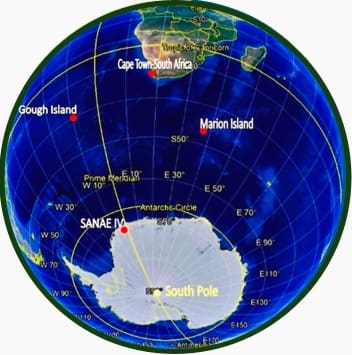
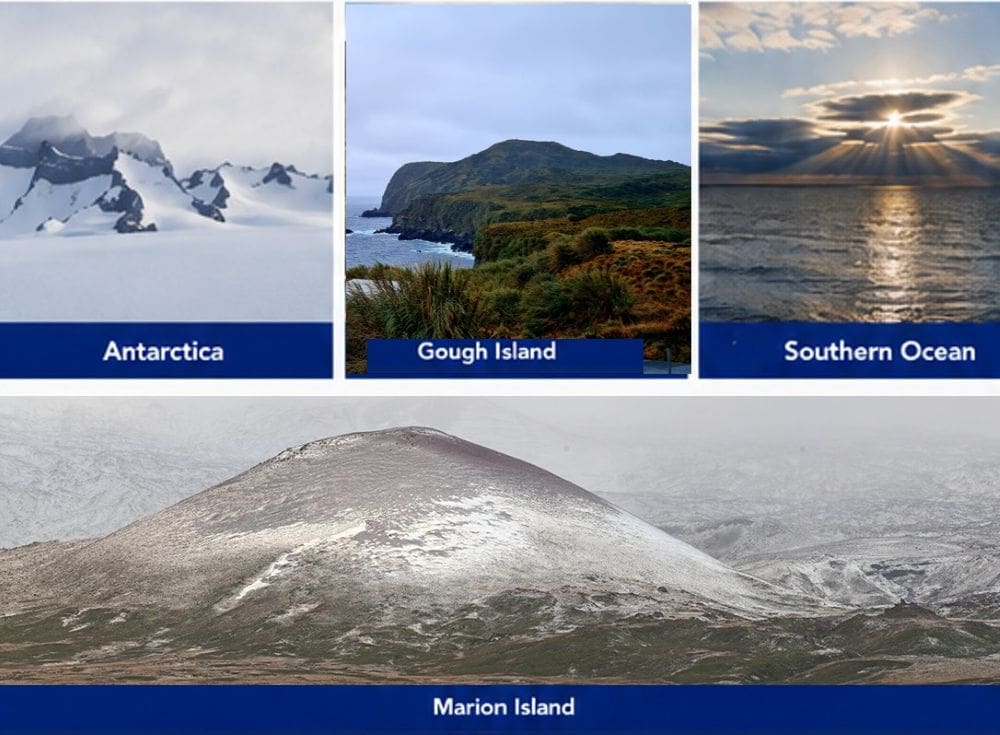 As a programme of the Department of Forestry, Fisheries and the Environment (DFFE) and the Department of Science, Innovation and Technology (DSTI), the South African National Antarctic Programme (SANAP) plays an important role in advancing our understanding of environmental change. Through research conducted in Antarctica, the Southern Ocean, Marion Island, Prince Edward Island and Gough Island, SANAP scientists contribute critical knowledge about climate systems, biodiversity, ocean health and ecosystem resilience. These remote regions serve as early warning systems for environmental changes that ultimately affect South Africa and the rest of the world.
 Several SANAP research projects directly address environmental challenges. Studies such as On-island impacts of climate change on the Southern Ocean’s iconic seabirds, Interactive effects of multiple stressors and environmental change on seabird breeding performance, and Landscape and Climate Interactions in the sub-Antarctic help scientists understand how species and ecosystems respond to changing environmental conditions. Other projects, including Marion Island Mouse Ecology (MISE) and Marion Island Top Predator Long-Term Observations, provide valuable insights into ecosystem dynamics and conservation needs.
Throughout Environment Month, SANAP will highlight how polar and Southern Ocean research contributes to understanding