by Ria Olivier | Oct 6, 2022 | Announcement, Geomorphology, Marion Island, News, Prince Edward Island, Prince Edward Islands, Research, SANAP, Science, sub-Antarctic
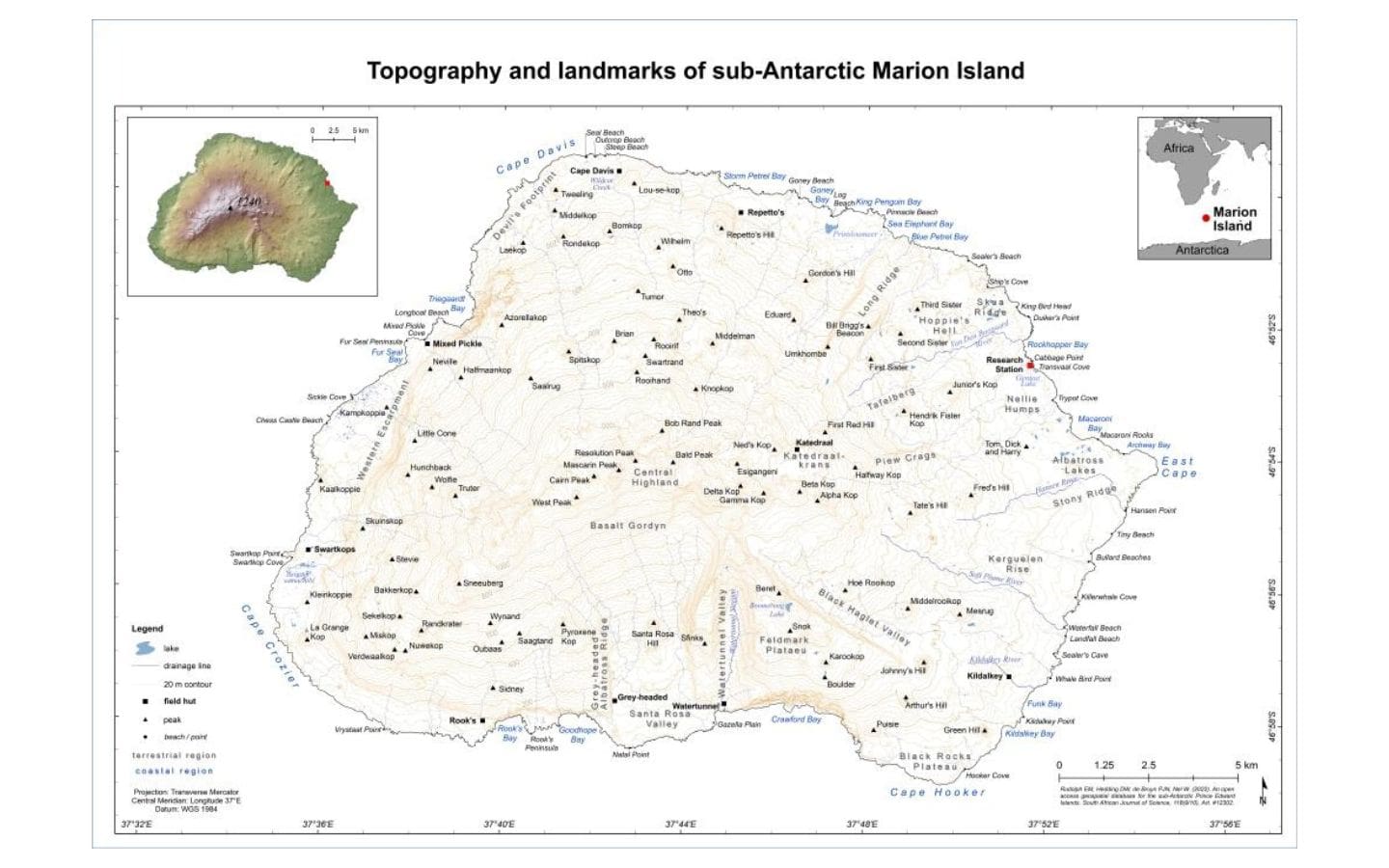
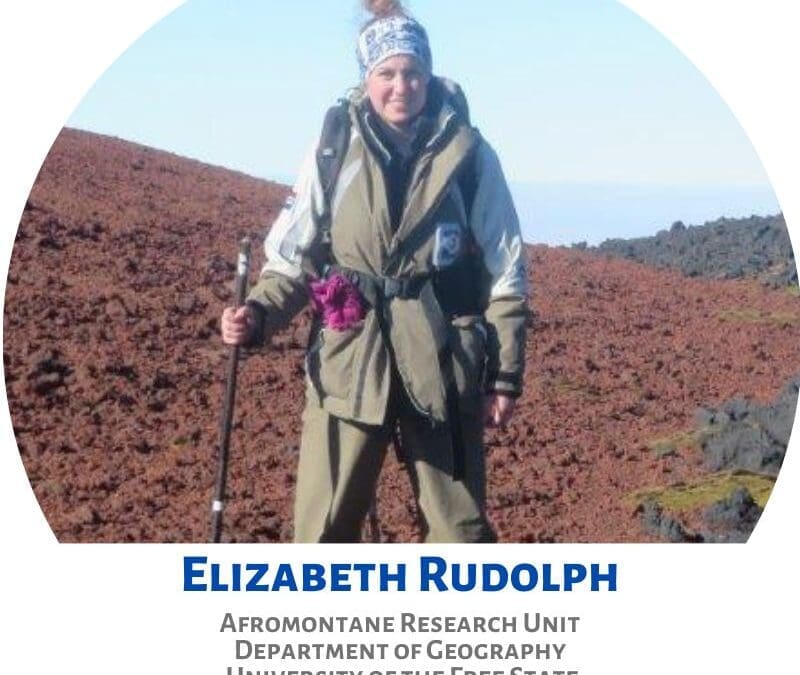
In a new publication, An open access geospatial database for the sub-Antarctic Prince Edward Islands, by Elizabeth Rudolph, David William Hedding, Nico de Bruyn, and Werner Nel, open access is given to a geospatial database for both Marion Island and Prince Edward Island.
Click here to view the full suite of data: Prince Edward Islands Geospatial Database
This paper was presented at the Scientific Committee on Antarctic Research Open Science Conference 2022, in a poster format. Click here to view the poster.
Authors:
Anche Louw, Antarctic Legacy of South Africa, 06 October 2022
by Ria Olivier | May 31, 2022 | Announcement, Gough Island, Marion Island, News, Prince Edward Island, SANAP, Science, Southern Ocean, sub-Antarctic, Tristan da Cunha
Congratulations to Prof Peter Ryan, awarded with the BirdLife South Africa Gill Memorial Medal, for an outstanding lifetime contribution to ornithology in southern Africa.
Prof Ryan, an A-rated Ornithologist and Director of the Percy FitzPatrick Institute of African Ornithology at the University of Cape Town, has been part of the South African National Antarctic Programme for more than two decades, doing research on seabirds breeding on Marion Island and the Tristan archipelago, which includes Gough Island. Prof Ryan’s latest research within SANAP is focused on “Avian scavengers as indicators of recovery of an island biota”, co-led with Dr Maëlle Connan (Research Fellow in the Marine Apex Predator Research Unit, Nelson Mandela University). Click here to read more about this project.
He is the author and co-author of a number of books on seabirds and the sub-Antarctic islands. Here is his latest publication: Guide to Seabirds of Southern Africa.
The Citation for Prof Ryan’s award – Click here.
In 2012, John Cooper, who was extensively involved in long-term seabird monitoring studies on Gough and Marion islands since the 1980s, received this award for his outstanding contribution to ornithology in southern Africa.
Featured Image: Prof Peter Ryan at the 5th SANAP Symposium (2018) in Hermanus, where he presented his work on “Plastics in Antarctica – preliminary findings from the Antarctic Circumnavigation Expedition (ACE).
Anche Louw, Antarctic Legacy of South Africa, 31 May 2022
by Ria Olivier | May 18, 2022 | Announcement, Discover, Gateway cities, International Days, Prince Edward Island, Prince Edward Islands, Research, SA Agulhas II, SANAE, SANAP, Science, Southern Ocean, Stations, sub-Antarctic
Free entrance to Iziko Museums of South Africa today, 18 May 2022.
Visit the Sentinels of the South Exhibition at Iziko Museum of South Africa, Cape Town.
This exhibition will give you insight into the history, discoveries, and current role of South Africa’s Antarctic and Southern Ocean exploration. Read more here.
Anche Louw, Antarctic Legacy of South Africa, 18 May 2022
by Ria Olivier | Jul 31, 2021 | International Days, Marine Protected Area, Marion Island, Prince Edward Island, Prince Edward Islands
The 1st of August 2021 represents Africa’s first ever Marine Protected Area Day. “A Marine Protected Area (MPA) is an area of coastline or ocean that is specially protected for the benefit of people and nature The rich diversity of coastal and ocean ecosystems in South Africa are protected through a network of MPAs. Prior to 2019, there were 25 formally declared MPAs including 23 permanent coastal MPAs, including the large Prince Edward Islands (PEIs) MPA in the Southern Ocean. Thirty percent of South Africa’s territory in the Southern Ocean is protected by Prince Edward Islands MPA- https://www.marineprotectedareas.org.za
MARINE LIVING RESOURCES ACT 18 OF 1998 = – REGULATIONS FOR THE MANAGEMENT OF THE PRINCE EDWARD ISLANDS MARINE PROTECTED AREA – Published under Government Notice R422 in Government Gazette 36572, dated 21 June 2013. Gazette No. 18930, Notice No. 747. Commencement date: 1 September 1998 [Proc. No. 80, Gazette No. 19148]
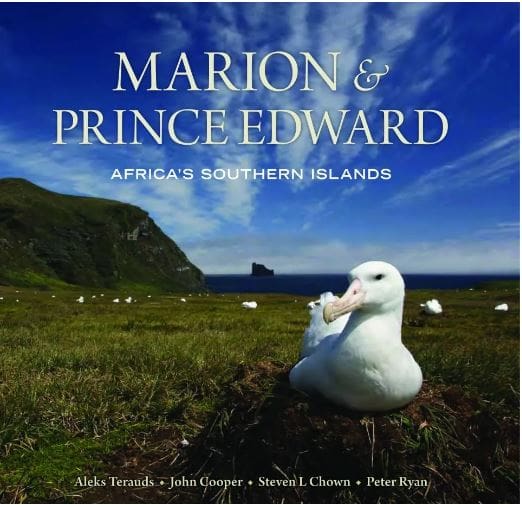
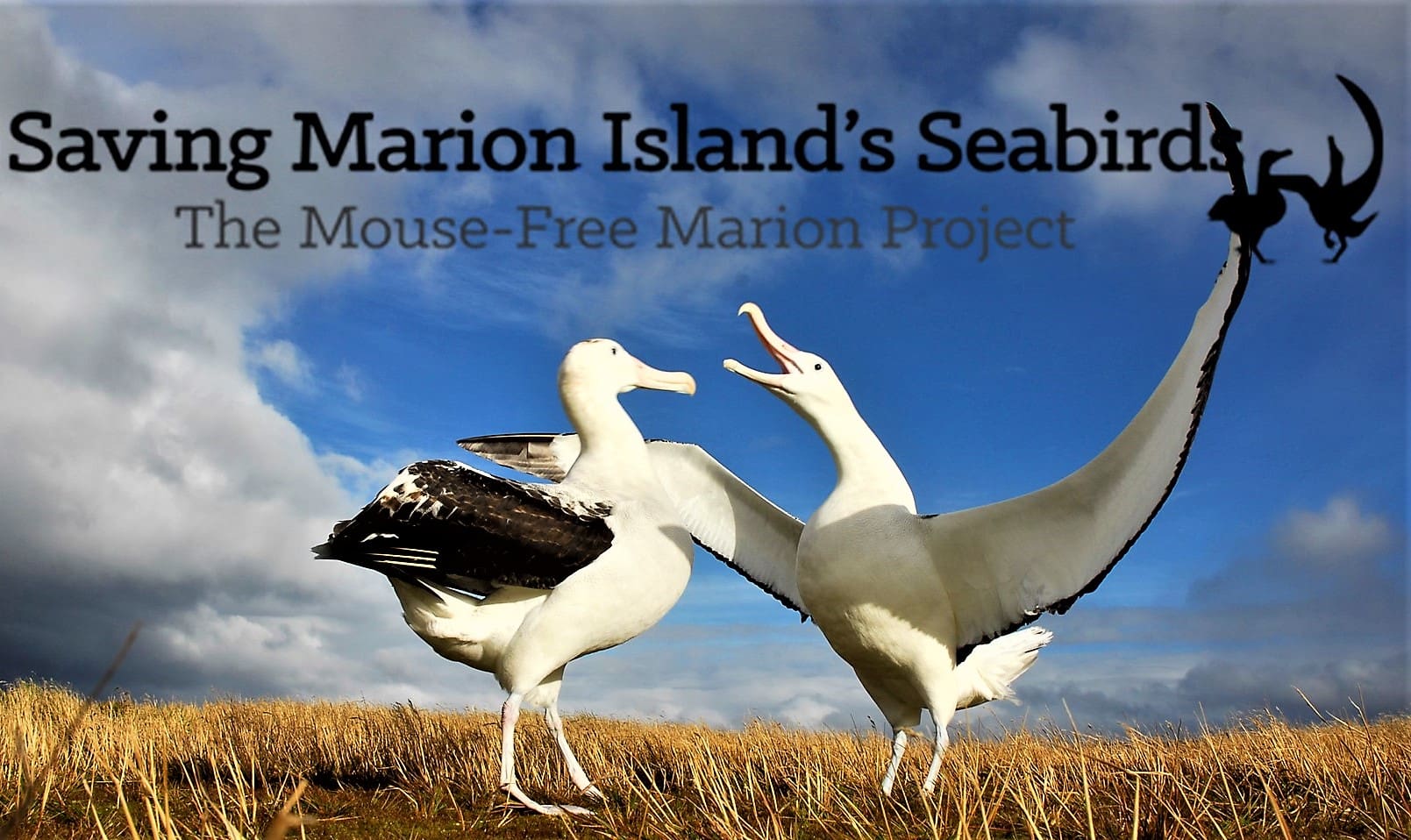
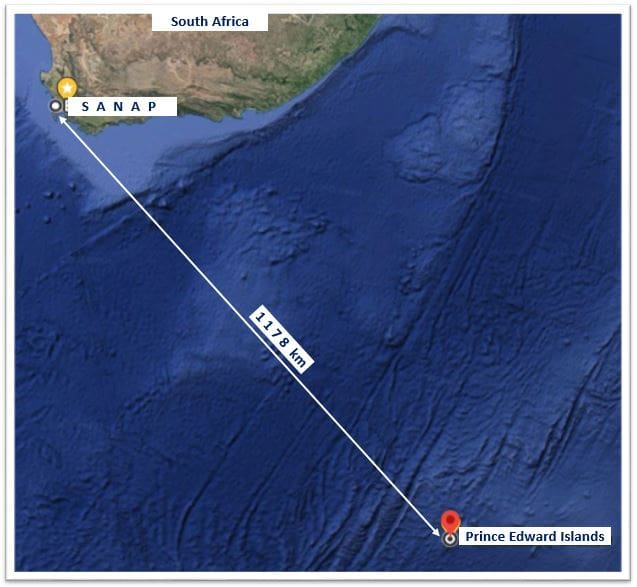
Prince Edward Islands Marine protected Area is a “A volcanic sub-Antarctic wilderness teeming with hundreds of thousands of penguins, albatrosses, petrels and seals. The Prince Edward Islands are the jewels in South Africa’s island crown. They comprise of the larger Marion Island and the smaller Prince Edward Island, which were annexed by the South African navy in 1948. A permanent weather station has been in operation ever since that provides vital information needed to monitor weather and climate change in the Southern Ocean. The islands are home to unique plants and animals not found near the South African mainland. There are millions of penguins, albatrosses, petrels, seals and a transient group of killer whales. The MPA was proclaimed in 2013 and covers 30% of South Africa’s Southern Ocean territory, representing 80% of its ecosystem diversity. It protects the productive waters surrounding the islands, as well as important features such as seamounts. This ensures that the krill and fish stocks that top predators depend on are not overexploited. Historically, there was intense fishing for Patagonion toothfish, but this collapsed and has been restricted to two vessels to allow for their recovery. The terrestrial ecosystems are under threat from invasive house mice that were accidentally introduced in the 1800s. The Mouse Free Marion project plans to eradicate the mice in 2021 to allow for the ecological recovery of the island’s plant, insect and seabird communities.” –https://www.marineprotectedareas.org.za/prince-edward-islands-mpa
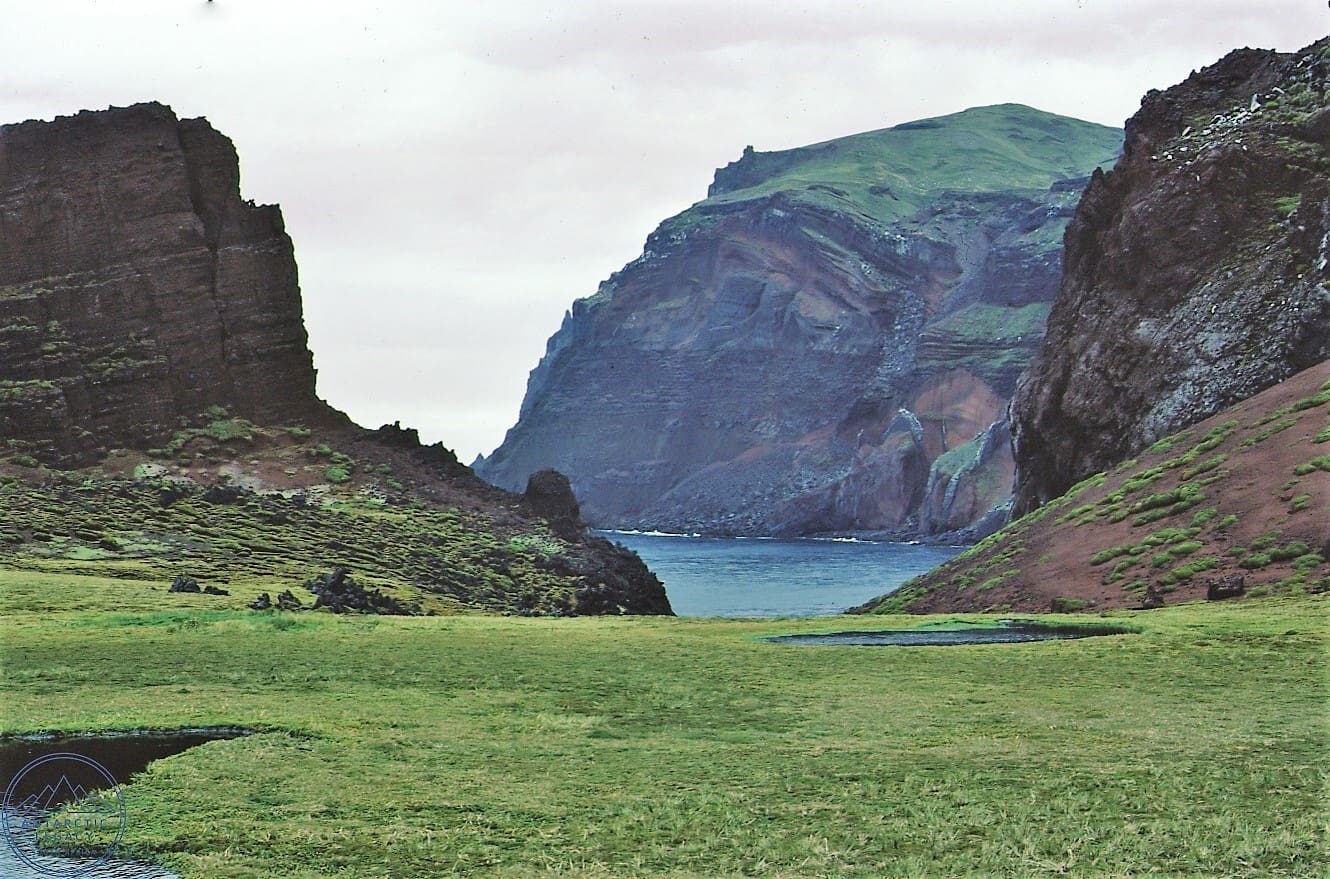
Prince Edward Island
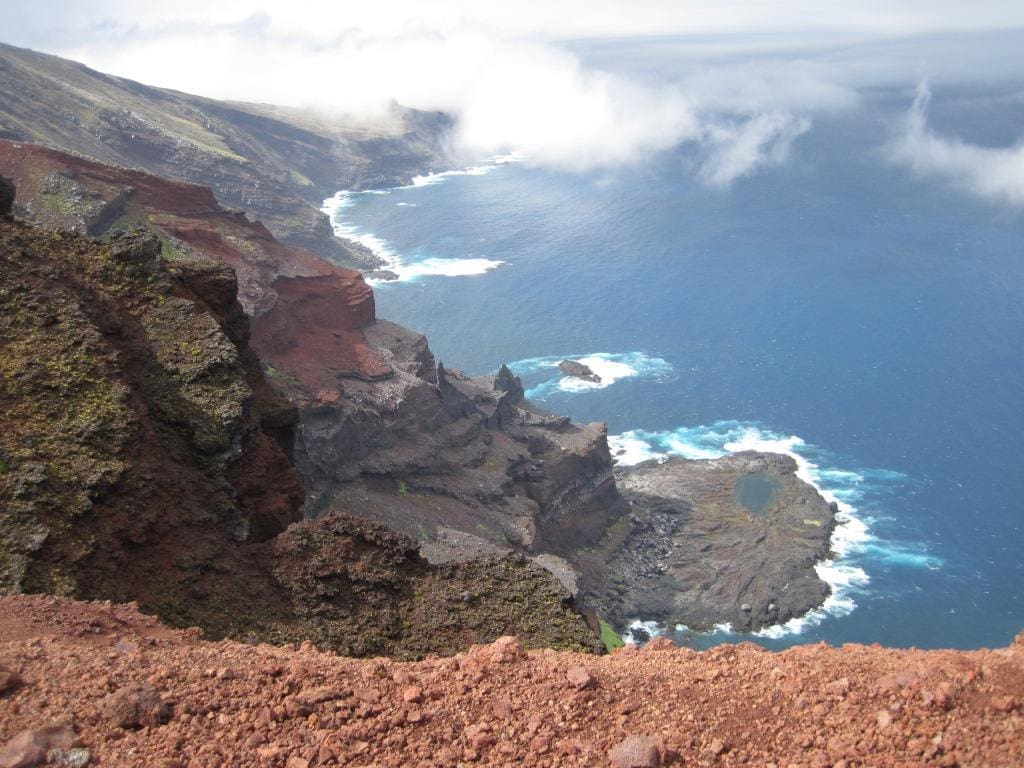
Marion Island
Images, videos and documents available on the Antarctic Legacy of South Africa’s Archive:


 The 1st of August 2021 represents Africa’s first ever Marine Protected Area Day. “A Marine Protected Area (MPA) is an area of coastline or ocean that is specially protected for the benefit of people and nature The rich diversity of coastal and ocean ecosystems in South Africa are protected through a network of MPAs. Prior to 2019, there were 25 formally declared MPAs including 23 permanent coastal MPAs, including the large Prince Edward Islands (PEIs) MPA in the Southern Ocean. Thirty percent of South Africa’s territory in the Southern Ocean is protected by Prince Edward Islands MPA-
  Prince Edward Islands Marine protected Area is a “A volcanic sub-Antarctic wilderness teeming with hundreds of thousands of penguins, albatrosses, petrels and seals. The Prince Edward Islands are the jewels in South Africa’s island crown. They comprise of the larger Marion Island and the smaller Prince Edward Island, which were annexed by the South African navy in 1948. A permanent weather station has been in operation ever since that provides vital information needed to monitor weather and climate change in the Southern Ocean. The islands are home to unique plants and animals not found near the South African mainland. There are millions of penguins, albatrosses, petrels, seals and a transient group of killer whales. The MPA was proclaimed in 2013 and covers 30% of South Africa’s Southern Ocean territory, representing 80% of its ecosystem diversity. It protects the productive waters surrounding the islands, as well as important features such as seamounts. This ensures that the krill and fish stocks that top predators depend on are not overexploited. Historically, there was intense fishing for Patagonion toothfish, but this collapsed and has been restricted to two vessels to allow for their recovery. The terrestrial ecosystems are under threat from invasive house mice that were accidentally introduced in the 1800s. The