by Ria Olivier | Mar 1, 2020 | Antarctica, Fellowship, Marion Island, Research, SANAP, Science, Southern Ocean, Uncategorised, Women in Science
11 February 2020 was the International Day of Women and Girls in Science and 8 March 2020 is International Womens day. Within the SANAP environment there are many women, this article highlight four early women career scientists.
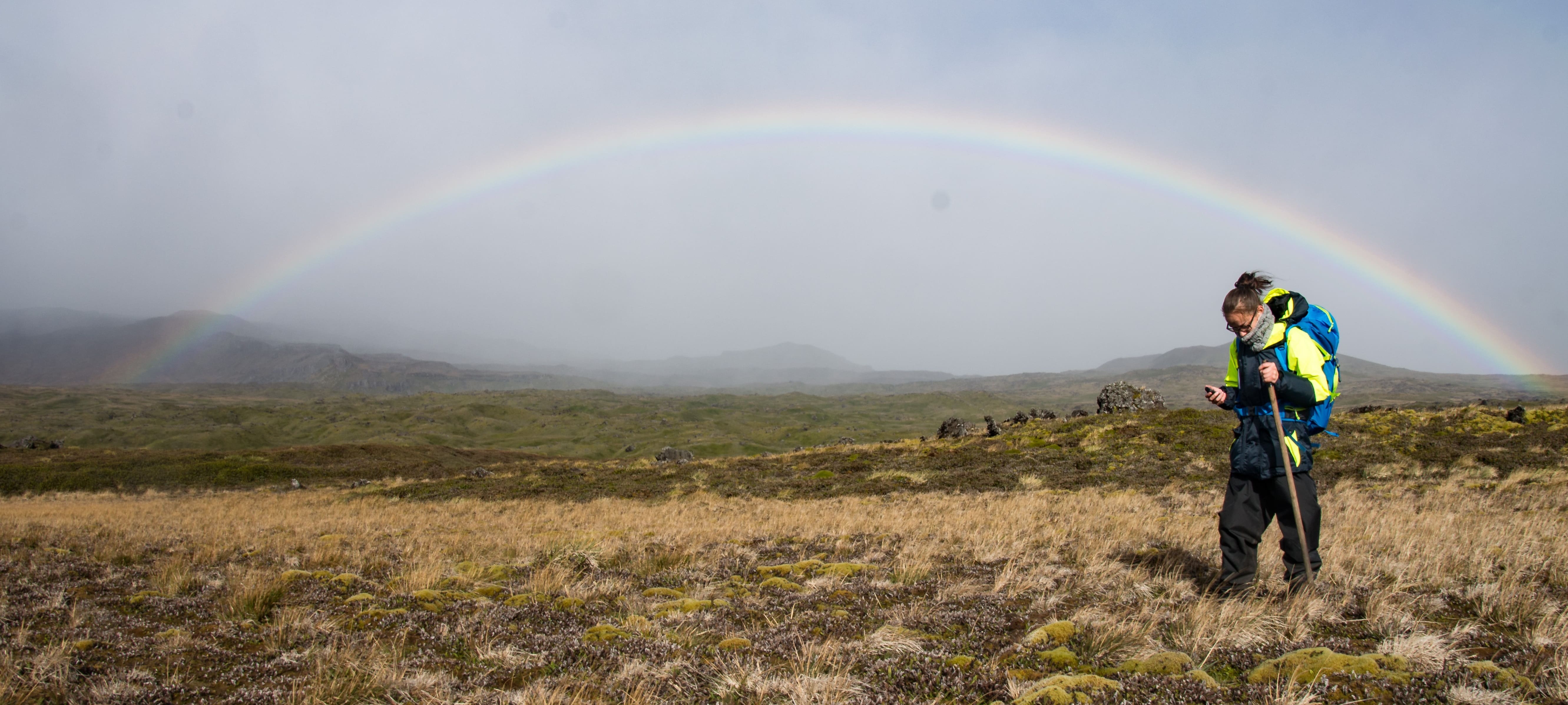
Liezel Rudolph is chair of the Association of Polar Early Career Scientists (APECS) of South Africa. She is a PhD student, working on cosmogenic nuclide surface exposure dating of Marion Island in the sub-Antarctic. Her research is on the impact of various physical factors on landscape change, for example: animals (seals in particular) on soil properties and vegetation community composition; ice, above or below the ground surface. Geomorphology or better known as Physical Geography is her area(s) of Interest and more specifically, the processes behind 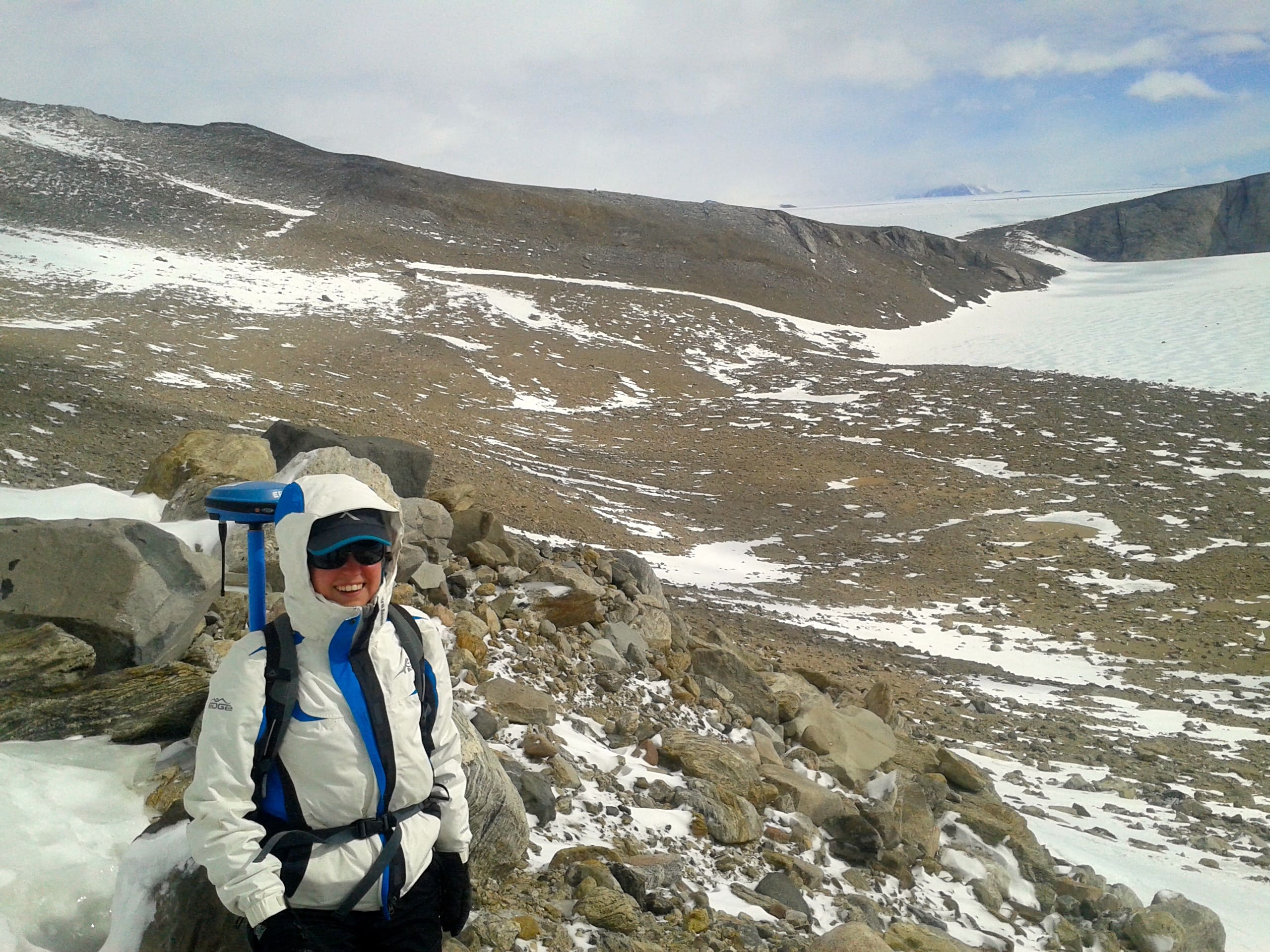 Periglacial Landforms and to a lesser extent Biogeomorphology. She is fascinated by cold and mountainous places, and thus prefer to work in environments like the High Drakensberg, Subantarctic Marion Island or Antarctica. Liezel is a lecturer at the University of the Free State, Bloemfontein and one of the founding members of APECSSA. Since June 2019 she is the APECSSA Chair. Her Master’s work on rock glaciers took her to Antarctica twice (2013/14 & 2014/15), while her Honors studies led to a visit to Marion Island (2011). Her PhD studies have since taken her to Marion Island again (in 2017), most recently in 2019.
Kolisa Yola Sinyanya is a PhD. candidate in Oceanography at the University of Cape Town (UCT). Her Ph.D. research is part of a growing body of work that critically examines biogeochemical cycling in the ocean, particularly regions that are currently under-sampled. The research aims involve exploring phytoplankton community dynamics and microbe-nutrient interactions in the Indian Ocean, including subtropical and Southern Ocean waters. To-date, Kolisa has been awarded the Advancing Womxn Fellowship in the Department of Oceanography. She is a Black Women in South Africa Fellows of 2019. In 2019 she was nominated as one of the Inspiring Fifty Women in STEM South Africa. Kolisa has a passion for learning science and for sharing her science and this PhD programme has allowed her to engage in effective science communication through both public speaking and scientific writing. Kolisa’s work has also been documented in the academic communication magazine, The Conversation Africa. Earlier this year she was invited to be on the “New Voices” panel at the annual Nature, Environment and Wildlife Filmmakers Congress. Sinyanya is committed to increasing the visibility of women in STEM and to that end, she runs a blog called Women In Science Hub.
Daniela Monsanto is a PhD Candidate at University of Johannesburg. She has just been awarded the HJ Scoonbee medal for the best MSc Dissertation in Zoology(UJ) Her work documented the fine scale genetic patterns in a springtail species on Marion Island. Daniela is using next-generation sequencing technologies to develop a suite of informative markers (including whole gnome assembly) to address ecological and evolutionary questions of the springtail species, Cryptopygus antarcticus travei, on Marion Island. Her work will allow us to identify the forces that impose strong selection pressures on the organism and the genes that experience selection in response to environmental change. Her results highlighted complex spatial genetic patterns that could be driven by micro-habitat preferences and/or a fitness funnel driven by local adaptations. This complexity illustrates that individuals respond to environmental changes. Her results may bring about far-reaching implications for conservation management on Marion Island, highlighting the importance of considering fine-scale evolutionary processes in management plans. In essence, her results emphasize that conservation efforts are best addressed in a ‘bottom-up’ approach as opposed to a ‘top-down’ approach, which is the case for (Southern Ocean) biodiversity. She is passionate about her work and is extremely fond of the world down south. Daniela loves everything about nature, the outdoors, and sports, particularly soccer, of which she is part of a ladies team in a provincial league. She enjoys spending time with her friends and family, and in her free time, she enjoys the hobby of fishkeeping.
Rudzani Silima is the first Champion for the Antarctic Cities Youth Expedition(ACYE). She is currently a Capetonian and studies towards a Masters in Physical/Chemical Oceanography, through the Nelson Mandela University. She was one of 41 students that qualified for this year’s SEAmester cruise and won the prize for best student on-board. During the SEAmester cruise, Rudzani showed her passion for science, nature and especially the Southern Ocean. She has ambition that will not be held back and we are convinced that she will become an Antarctic ambassador at heart and further the connection between Cape Town and the Antarctic, as part of the network of gateway cities toward the Antarctic. Her expectation for the expedition before she left : “I look forward especially to interacting with the other young leaders and researchers chosen for this expedition to possibly establish connections. As an aspiring Oceanographer, Antarctica is an important milestone in my career, it represents the pinnacle of science, cooperation and diplomacy. To be the South African ambassador for this project is a privilege and is extremely humbling.” Rudzi arrived back in Cape Town on 28 February 2020 from the first ACYE
These early career women scientists have done presentations all over the world at international and national events where they represented South Africa and their institutions and have been authors and co-authors of articles in scientific magazines They are an inspiration to the girls of South Africa in Science.
by Ria Olivier | Feb 24, 2020 | Announcement, Antarctica, Gough Island, Marion Island, Research, SA Agulhas II, SANAP, Southern Ocean, sub-Antarctic
South African National Programme (SANAP)
CALL
Deadline 30 April 2020
(NRF General Application Guide 2021; Grants Management and Systems Administration (GMSA)
SANAP is a region-specific, theme-driven funding instrument which supports research in the Southern Ocean, including the Prince Edward Islands, and in Antarctica. As a competitive funding instrument, the chief eligibility criteria are:
- Research in the geographic region of the Southern Ocean, including the Prince Edward Islands, and / or in Antarctica
- Alignment with the research themes as detailed in the South African Antarctic and Southern Ocean Research Plan (2014-2024)
- Scientific merit and quality of the research proposal
- Evidence of associated human capacity development
SANAP research addresses the research themes detailed in the South African Antarctic and Southern Ocean Research Plan (2014-2024), and is underpinned by the overarching South African Marine and Antarctic Research Strategy (MARS) of 2015. The Antarctic and Southern Ocean Research Plan (hereafter “the Research Plan”) is focused on an integrative systems approach to understanding the evolution of the earth systems and ecosystems in the 21st Century. The Research Plan provides the overarching framework of operations for SANAP research activities, and follows the integrated progression from Earth Systems to Ecosystems to Human Systems in the research themes. Human activities and socio-political complexities in this international arena are of equal importance.(1).
Specific research themes detailed in the Research Plan are: Earth Systems, Living Systems, Human Enterprise and Innovation: Southern Ocean and Antarctic technology and engineering
Social Sciences, Law and Humanities applications are especially encouraged, as are applications addressing innovation. Each research theme has a number of sub- themes, and applicants are strongly encouraged to familiarise themselves with the thematic focus of the Research Plan, as well as with the overall strategic context provided in the MARS (both attached hereto) so as to ensure that their applications meet the very specific scientific and strategic objectives of this funding instrument.
EXECUTIVE SUMMARY
The National Research Foundation (NRF) recognises that in order for South Africa to be internationally competitive and to meaningfully contribute to the global economy, the country must have the capability to understand the knowledge produced by others. This understanding can best be developed through performing research. Publicly funded basic and applied research is viewed as a source of new ideas, opportunities, methods, and most importantly, the means through which problem solvers can be trained.
The South African Antarctic and Southern Ocean Research Plan (2014-2024) serves to link South Africa’s comparative geographic and research advantage, regional stewardship and national interest considerations to research themes so as to stimulate systems scale integration of knowledge and understanding. This will not only strengthen South Africa’s profile and develop advanced skills, but in so doing will also support the Country’s geo-political and citizenship goals in both regional and global dialogues. The importance of South Africa’s geographical proximity to Antarctica and its position as a Southern Ocean2 littoral State cannot be overstressed.
South Africa also maintains bases at Marion and Gough Islands, administered by the Department of Environment, Forestry and Fisheries (DEFF). Marion Island and Prince Edward Island together form the Prince Edward Islands Group, annexed by South Africa in 1947. Gough Island is a British protectorate which hosts the South African meteorological station, which operates as part of an agreement between South Africa and the United Kingdom.
The country runs the risk of not fully utilizing or maximizing the benefits from this geographic advantage, owing to a lack of adequate human capital. This includes the risk that the country may own research platforms and facilities, but could be subject to a form of “knowledge colonization” from international quarters, many of whom already possess a critical mass of requisite skills. The SANAP is a long-term funding instrument designed to ensure the creation of a demographically balanced Antarctic research programme that strives for internationally competitive research, promotes inter-disciplinarity and creates links with other African countries.
(1)The South African Antarctic and Southern Ocean Research Plan (2014-2024)
(2).This area includes the Prince Edward Islands over which South Africa exercises undisputed sovereignty. The Southern Ocean is defined as the region south of Africa comprising the ocean and the sub-Antarctic Islands up to, and including, the Antarctic Continental Shelf Zone.
by Ria Olivier | Feb 5, 2020 | Announcement, Current Event, Fellowship, SA Agulhas II, SEAmester, Southern Ocean, Uncategorised
CLOSING DATE extended to 13 MARCH 2020
DOWNLOAD APPLICATION FORMS
SEAmester – South Africa’s Class Afloat aims to introduce marine science as an applied and cross-disciplinary field to students who have shown an affinity for core science disciplines. It will combine traditional class-room lectures with hands-on ship-based deck activities for a maximum of 46 students; while providing them with an opportunity to support specialist scientists in recognised marine research activities. Our research group comprises of over 30 oceanographic, fisheries, biogeochemical and biological experts, who jointly have trained over 600 Southern African students on-board a wide variety of international and local research vessels. read more at SEAmester website
How do I qualify?
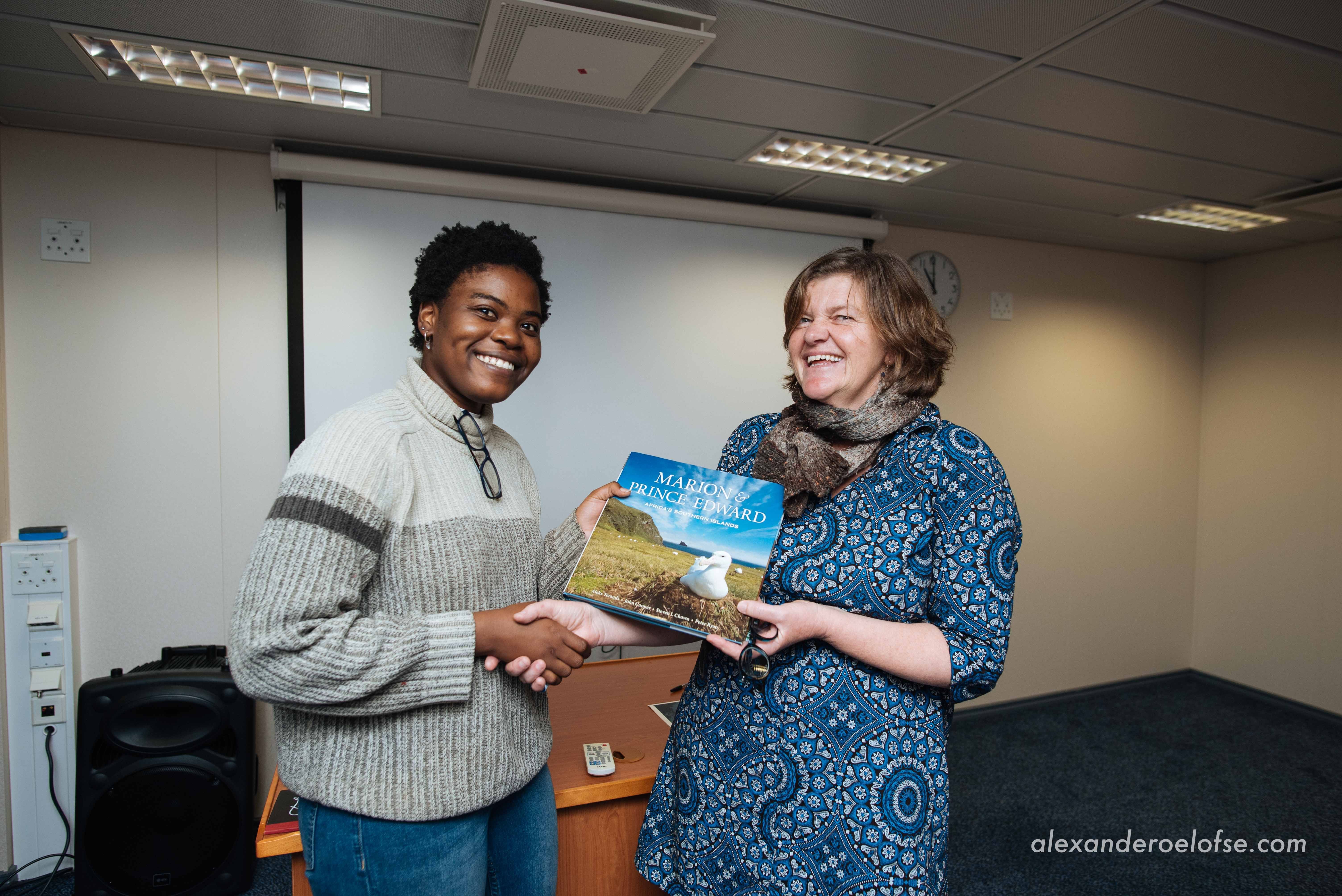
A maximum of 46 post-graduate (Honours/BTech, MSc/MTech, PhD and Interns) University and Technikon students will be selected nationwide. Applications will be accepted from currently registered post-graduate students with a background in marine or similar sciences. Past sea-going experience is not compulsory. Left: Rudzanie Silima best Student SEAmester 2019 with Prof Isabelle Ansorge of UCT
What ship will SEAmester take place on?
The new South African polar research vessel SA Agulhas II will be used for SEAmester V. The SA Agulhas II is a state-of-the-art icebreaker and is fully equipped for all marine research activities. To find out more go to https://www.sanap.ac.za/
What will it cost me?
Nothing. SEAmester is fully funded through the Departments of Science and Technology (DST) and Environmental Affairs (DEA). All board and lodging onboard the SA Agulhas II will be provided free of charge through SEAmester.
What research will SEAmester be involved in??
SEAmester will run in parallel to the scientific objectives of the Agulhas System Climate Array (ASCA) spearheaded by DSTs SAEON Egagasini node. ASCA is a multi-institutional, international collaboration and designed to provide the first long-term observations of Agulhas Current volume, heat and salt transport and its variability from seasonal to interannual timescales. ASCA’s objectives are to determine how the Agulhas Current and its role in the global conveyor belt varies over time. To find out more go to http://asca.dirisa.org
Listening for mammal sounds.
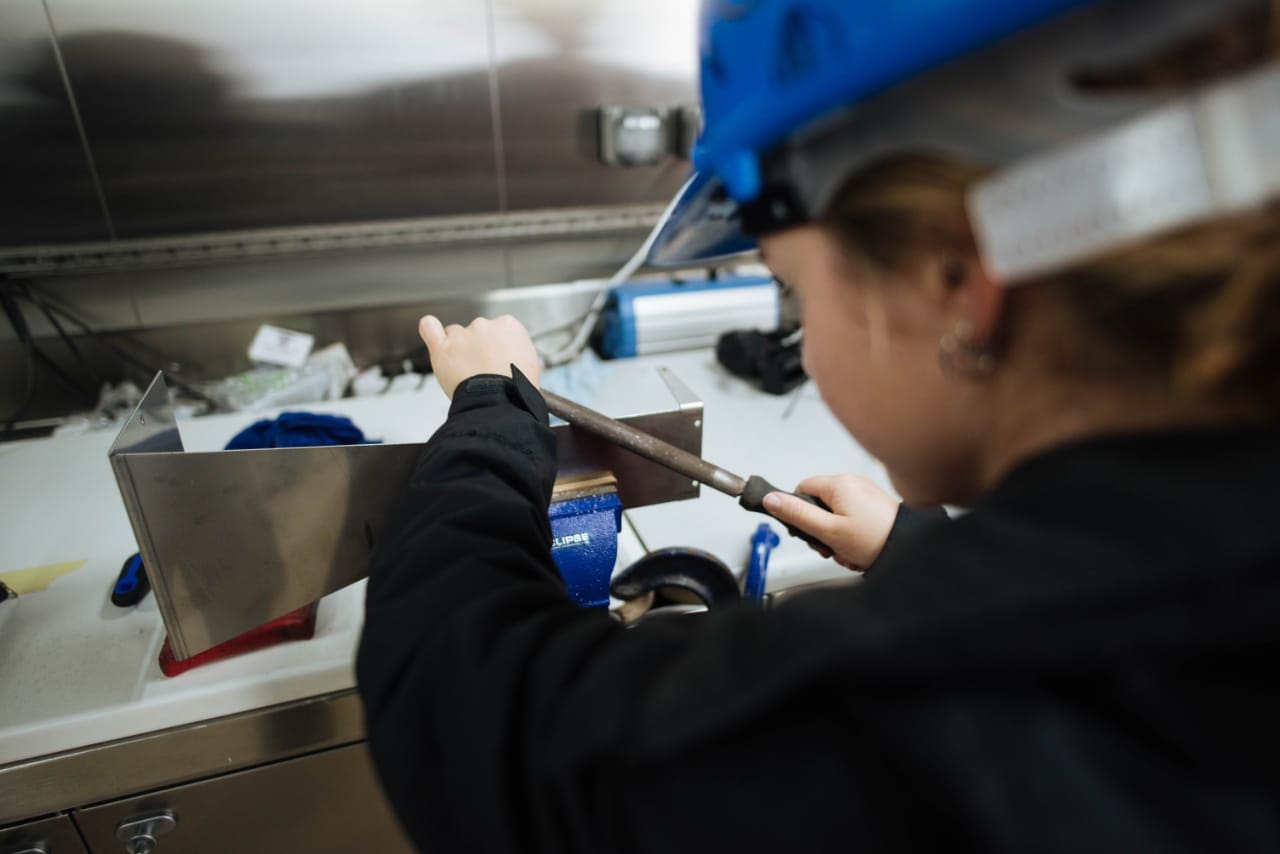
Working on their Aghulus bottle opener in the practical session.
What will be expected from me?
You will be expected to choose one of two module steams – either Tools of the Trade or Oceans in a Changing World (see overleaf). Learning will comprise of daily class-room lectures, daily assignments and deck work – running in parallel to the ASCA programme. Students from both streams will also provide research support to specialist scientists and obtain daily hands-on deck training, data collection, sampling and data analysis. Each student will gain experience working with the full suite of oceanographic, atmospheric and biological ship-based instrumentation such as CTD, underway measurements and autonomous devices such as Argo, SVP drifters as well as gain experience on all biological net tows. Training on data analysis following each deployment will be given, as well as technical and electronic experience in calibrating, assembling and modifying each instrument. In addition, each student will work on a specific scientific mini-project related to their area of interest and the scientific research underway.
What are the tentative dates for SEAmester?
SEAmester will depart on the 13th July returning to Cape Town on the 24th July 2020. Travel arrangements and costs will be made through the SEAmester programme for all students residing outside of the Western Cape. PLEASE NOTE: Applicants to be aware that the cruise dates may be subject to change by a few days.
What travel documentation must I have?
SEAmester will be working outside of South African waters and therefore all participants are requested to have a valid passport. SAMSA approved medicals will be required and costs incurred will be covered by the SEAmester programme. Students with study visas need to ensure that their visas have not expired.
Is there reading material – See the attached files (SANCOR site) for any additional reading material, or contact Isabelle.Ansorge@uct.ac.za
See SEAmester 2019 videos on SEAmester website as well as the previous years
by Ria Olivier | Nov 14, 2019 | News, Research, SA Agulhas II, Science, Southern Ocean, Team Photo
Team Leaders onboard the S.A. Agulhas II (Photo Credit: Johan Edholm).
The SCALExperiment Spring Cruise of 2019 has been a successful cruise so far, thanks to the chief scientist onboard, Dr Thomas Ryan-Keogh and the team leaders of each group pulling their weight.
Meet the team leaders:
Front (L-R): Mutshutshu Tsanwani (CO2), Elisa Seyboth (WHALES), Louise Biddle (GLIDERS), Tommy Ryan-Keogh (OCE/PRODUCTION), Martinique Engelbrecht (VIBRATION), Clare Eayrs (WAVE), Thato Mtshali (IRON), Raquel Flynn (NOCE), Jarishma Gokul (MICROBIO), Kurt Spence (NATM);
Middle (L-R): Eleanor Weideman (PLASTICS), Jan-Lukas Menzel (TRACEX), George Manville (DMS), Mardene de Villiers (SAWS), Jeff McQuaid, Alberto Alberello (WAVE), Simone Louw (PLANKTON), Sven Kranz;
Back (L-R): Joshua Huysamen (GLIDERS), Marthán Nieuwoudt Bester (SEALS), Derek Engelbrecht (BIRDS).
Where is the vessel today? Click here.
Read more about the Spring Cruise here.
Anché Louw, Antarctic Legacy of South Africa, 14 November 2019
by Fishgate Developer | Oct 15, 2019 | Antarctica, News, Research, SA Agulhas II, Science, Southern Ocean
On 12 October 2019, the S.A. Agulhas II departed on the first ever cruise to the Marginal Ice Zone during spring. This is a very exciting cruise with 97 participants onboard, representing 17 nationalities and 19 different scientific institutions.
Scientific institutions taking part in this dedicated science expedition, funded by the Department of Science and Technology (DST) through the National Research Foundation (NRF):
1. University of Cape Town
2. Stellenbosch University
3. South African Weather Service
4. Cape Peninsula University of Technology
5. Council for Scientific and Industrial Research
6. Department of Environment, Forestry and Fisheries
7. BirdLife South Africa
8. Plymouth Marine Laboratory
9. University of Exeter
10. University of Gothenburg, Sweden
11. University of Pretoria
12. University of Brest – LEMAR – IUEM
13. The University of Melbourne, Australia
14. University of Adelaide, Australia
15. Uppsala University, Sweden
16. Alfred Wegener Institute
17. Florida State University
18. New York University Abu Dhabi
19. Old Dominion University
This 47 day long cruise is managed by Dr Thomas Ryan-Keogh (CSIR), Chief Scientist onboard the vessel and by A/Prof Marcello Vichi (UCT) as land-based Chief Scientist.
The participants are distributed over 19 different teams onboard, covering all the aspects of the SCALE science plan:
| Team | Lead PI | Onboard Team Leader |
| BIRDS | Azwianewi Makhado | Derek Engelbrecht |
| DMS | Tom Bell | George Manville |
| CO2 | Pedro Monteiro | Mutshutshu Tsanwani |
GLIDERS
| Sarah Nicholson
Pedro Monteiro
Sebastian Swart | Louise Biddle
Josh Huysamen |
| IRON | Thato Mtshali | Thato Mtshali |
METEO
| Christo Rautenbach
Marc de Vos | Mardene de Villiers |
| MICROBIO | Thulani Makalanyane | Jarishma Gokul |
| NATM | Katye Altieri | Kurt Spence |
| NOCE | Sarah Fawcett | Raquel Flynn |
| OCE | Shared | Tommy Ryan-Keogh |
| PLANKTON | David Walker | Simone Louw |
| PLASTICS | Peter Ryan | Eleanor Weideman |
| PRODUCTION | Sandy Thomalla | Tommy Ryan-Keogh |
SEAICE
| Sebastian Skatulla
Marcello Vichi
Tokoloho Rampai
Amit Mishra | Justin Pead |
| SEALS | Mia Wege | Marthan Bester |
TRACEX
| Alakendra Roychoudhury
Susanne Fietz | Jan-Lukas Menzel |
| VIBRATION | Annie Bekker | Martinique Engelbrecht |
| WAVE | Alessandro Toffoli
Clare Eayrs | Alberto Alberello
Clare Eayrs |
| WHALES | Ken Findlay | Elisa Seyboth |
Meet Dr Thomas (Tommy) Ryan-Keogh:
Here is a summary of the integrated scientific themes of SCALE:
SEA ICE DYNAMICS AND AIR-SEA-ICE FLUXES
Antarctic sea ice shows a large year to year variability which is not completely captured by forecasting and climate models. Understanding ice mechanics, composition and movement is essential for ice charting and predictive models. The exchange of gases, aerosols, heat and momentum between the atmosphere and ocean through the sea ice is a key factor influencing long-term climate variability and trends. These fluxes are critical to understanding the links between carbon and climate, aerosols and albedo and the influence of terrestrial particles on ocean biogeochemistry.
BIOLOGICAL CARBON PUMP
Changes in climate and sea-ice distribution are likely to affect the composition, abundance, and productivity of phytoplankton, with feedbacks that threaten the ecosystem services they provide, namely sustaining biodiversity, fueling the food web and fisheries, and mediating global climate through an altered efficiency of the biological carbon pump.
PHYSICS TO TOP PREDATORS
The Southern Ocean is subject to strong frontal (meso to sub-mesoscale) activity due to the instability of the Antarctic Circumpolar Current. Nutrient pulses associated with frontal dynamics have the ability to propagate throughout the food chain from lower trophic levels (phytoplankton) to top predators (seabirds and marine mammals). The marginal ice zone environment is an essential habitat for seals and whales throughout the year, and its seasonal variability is a major driver of their feeding behaviour.
DECADAL CHANGES IN OCEAN INTERIOR
The Meridional Overturning Circulation is a global reaching system of surface and deep ocean currents. It is the primary mechanism for the transport and storage of heat, carbon, salt, freshwater and nutrients (including dissolved trace elements) between ocean basins; connecting the surface ocean and atmosphere with the huge reservoir of the deep sea.
DIGITAL TECHNOLOGY SOLUTIONS FOR POLAR ENGINEERING
To advance the scientific basis for ice-going vessels, the S.A. Agulhas II has been the subject of full-scale engineering measurements since 2012. These measurements focus on structural dynamics of the hull and propulsion systems, wave slamming and human comfort. The sensor infrastructure and advanced data analytics position the ship as an ideal platform to explore digital twin technology to assess the state and behaviour of the vessel in near real time within its operational context. These powerful platforms promise to advance education, research, innovation and industrial development related to shipping, oceans and polar research.
To find out more about SCALE (Southern oCean seAsonaL Experiment) and the key research objectives of the cruise – visit www.scale.org.za.
Follow @SCALExperiment on Twitter for cruise updates.
Anché Louw, Antarctic Legacy of South Africa, 15 October 2019
Edited by : A/Prof Marcello Vichi (UCT)
by Fishgate Developer | Sep 11, 2019 | Announcement, Antarctica, News, Research, Science, Southern Ocean, sub-Antarctic
Ant-ICON Science and Implementation Plan
Dear Colleagues,
At the end of July, Mecha and I traveled to Plovdiv, Bulgaria to participate in the SCAR Programme Planning Group Leaders Meeting, and present the draft Ant-ICON Science and Implementation Plan to the SCAR Executive Committee.
Both meeting were extremely useful, particularly with regard to identifying synergies between the developing SRPs, and receiving useful guidance and feedback on how the developing Ant-ICON Science and Implementation Plan could be improved.
During the meetings Mecha and I, together with some invaluable input from Daniela Liggett, Chandrika Nath and other attendees, revised the Ant-ICON S&I Plan. We have continued to work on incorporating feedback over the last few weeks, and have now arrived at a near complete draft, which is attached for your further consideration.
Some sections still need a bit of work, but we feel that it is now at a stage where it can be disseminated more broadly to interested members of the SCAR scientific community and other stakeholders to raise the profile of this emerging initiative and hear any feedback that might be forthcoming. We’d also encourage you to disseminate this through your networks to interested colleagues.
Both the plan and an updated overview presentation have been uploaded to the Ant-ICON home page, and can be accessed using the following link under the Publications tab (https://scar.org/science/ant-icon/resources/). Mecha and I will undertake the broader dissemination, through various SCAR mailing lists, directly to key policy end users and other interested stakeholders including NGOs.
Mecha and I also encourage you to disseminate this plan through your networks to help raise awareness and to ensure anyone who is interested in following progress can join the mailing list. I am currently compiling an informal mailing list of interested persons, so if people do indicate interest, please let them know they can contact me directly and I will add their names.
We have a number of tasks ahead of us over the next few months as we aim to finalize the plan. This includes the completion of the Supporting Information that will accompany the S&I Plan, the preparation of a 2-page ‘marketing document’ and finalization of the make-up of the proposed Steering Committee (see section D – Management in the attached). With regard to the latter, please let me know if you would like to express interest in any of the Steering Committee positions as we need to start a list of potential names as soon as possible.
We received considerable input again in the last round, and while it was sometimes challenging to incorporate everything, we think most people’s comments and suggestions have been addressed. Nevertheless, the Science and Implementation Plan is still a work in progress, so please don’t hesitate to let us know if you have further input.
We hope to have a final draft completed by the end of October. It is likely that most of the consultation between now and then will be electronic, however, Mecha and I will hold at least one meeting in the margins of the CCAMLR meetings, which will be in Hobart from the 21 Oct-1 Nov 2019. Please let me know if you are likely to be in Hobart for these meetings and we will ensure that we include you in any correspondence regarding Ant-ICON discussions.
Many thanks once again for your interest and active engagement. It’s a pleasure to work with such a knowledgeable and enthusiastic planning group.
All the best
Aleks and Mecha
Dr. Aleks Terauds
Senior Research Scientist and Section Head |Biodiversity Conservation | Australian Antarctic Division | Kingston | Tasmania | Australia
Chief Officer – SCAR Standing Committee on the Antarctic Treaty System
P: +61 3 6232 3339 |E: aleks.terauds@gmail.com | Alt E: Aleks.Terauds@aad.gov.au

 of Marion Island in the sub-Antarctic. Her research is on the impact of various physical factors on landscape change, for example: animals (seals in particular) on soil properties and vegetation community composition; ice, above or below the ground surface. Geomorphology or better known as Physical Geography is her area(s) of Interest and more specifically, the processes behind
  research is part of a growing body of work that critically examines biogeochemical cycling in the ocean, particularly regions that are currently under-sampled. The research aims involve exploring phytoplankton community dynamics and microbe-nutrient interactions in the Indian Ocean, including subtropical and Southern
 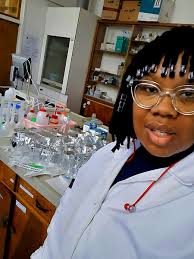 Ocean waters. To-date, Kolisa has been awarded the Advancing Womxn Fellowship in the Department of Oceanography. She is a Black Women in South Africa Fellows of 2019. In 2019 she was nominated as one of the Inspiring Fifty Women in STEM South Africa. Kolisa has a passion for learning science and for sharing her science and this PhD programme has allowed her to engage in effective science communication through both public speaking and scientific writing. Kolisa’s work has also been documented in the academic communication magazine, The Conversation Africa. Earlier this year she was invited to be on the “New Voices” panel at the annual Nature, Environment and Wildlife Filmmakers Congress. Sinyanya is committed to increasing the visibility of women in STEM and to that end, she runs a blog called Women In Science Hub.
 She has just been awarded the HJ Scoonbee medal for the best MSc Dissertation in Zoology(UJ) Her work documented the fine scale genetic patterns in a springtail species on Marion Island. Daniela is using next-generation sequencing technologies to develop a suite of informative markers (including whole gnome assembly) to address ecological and evolutionary questions of the springtail species, Cryptopygus antarcticus travei, on Marion Island. Her work will allow us to identify the forces that impose strong selection
  pressures on the organism and the genes that experience selection in response to environmental change. Her results highlighted complex spatial genetic patterns that could be driven by micro-habitat preferences and/or a fitness funnel driven by local adaptations. This complexity illustrates that individuals respond to environmental changes. Her results may bring about far-reaching implications for conservation management on Marion Island, highlighting the importance of considering fine-scale evolutionary processes in management plans. In essence, her results emphasize that conservation efforts are best addressed in a ‘bottom-up’ approach as opposed to a ‘top-down’ approach, which is the case for (Southern Ocean) biodiversity. She is passionate about her work and is extremely fond of the world down south. Daniela loves everything about nature, the outdoors, and sports, particularly soccer, of which she is part of a ladies team in a provincial league. She enjoys spending time with her friends and family, and in her free time, she enjoys the hobby of fishkeeping.
 She is currently a Capetonian and studies towards a Masters in Physical/Chemical Oceanography, through the Nelson Mandela University. She was one of 41 students that qualified for this year’s SEAmester cruise and won the prize for best student on-board. During the SEAmester cruise, Rudzani showed her passion for science, nature and especially the Southern Ocean. She has
 ambition that will not be held back and we are convinced that she will become an Antarctic ambassador at heart and further the connection between Cape Town and the Antarctic, as part of the network of gateway cities toward the Antarctic. Her expectation for the expedition before she left : “I look forward especially to interacting with the other young leaders and researchers chosen for this expedition to possibly establish connections. As an aspiring Oceanographer, Antarctica is an important milestone in my career, it represents the pinnacle of science, cooperation and diplomacy. To be the South African ambassador for this project is a privilege and is extremely humbling.” Rudzi arrived back in Cape Town on 28 February 2020 from the first ACYE
 What ship will SEAmester take place on?


 Follow