by Ria Olivier | Apr 21, 2020 | Announcement, Fellowship, Jobs, Research, SA Agulhas II, SANAP, Southern Ocean
CAREER OPPORTUNITY – Post Doctoral Fellowships. The Council for Scientific and Industrial Research (CSIR) is a leading scientific and technology research organisation that researches, develops, localises and diffuses technologies to accelerate socio-economic prosperity in South Africa. The organisation’s work contributes to industrial development and supports a capable state.
The CSIR has three opportunities for Post-Doctoral Fellowships in the Southern Ocean Carbon and Climate Observatory programme (SOCCO), within the Smart Places cluster, and hosted at the Marine Institute (Ma-Re), UCT. The purpose of the fellowships is to conduct research in line with three H2020 projects in which SOCCO is a partner. The positions are offered as a two-year contract with the possibility of extension for a third year. These opportunities are based in Rosebank, Cape Town. For more information about the programme and cluster please visit http://www.socco.org.za and http://www.csir.co.za/smart-places respectively.
- Southern Ocean CO2 and heat uptake: the future role of the Southern Ocean ininfluencing the rates of global warming depends critically on the sensitivity of its uptake and storage of heat and anthropogenic CO This sensitivity is thought to be largely dependent on the response in the physics of the mixed layer and sea ice system to climate change. This fellowship aims to use air-sea CO2 reconstructions, high resolution models as well as Earth System Models (ESM) to examine the climate sensitivity of the mechanisms that explain CO2 and heat ocean-atmosphere fluxes in the Southern Ocean.
- Southern Ocean emerging feedbacks in carbon cycle: the sensitivity of coupled ocean- atmosphere physical and ocean biogeochemical mechanisms to climate forcing can lead to regional non-linear responses that lead to changing feedbacks, thresholds of abrupt change and tipping pointes. This fellowship aims to use the South African ESM combination with other CMIP6 models to examine how non-linearities in the carbon cycle can be linked to specific physical and biogeochemical mechanisms, their scales and dynamics in the Southern
- Southern Ocean Biogeochemical model development: the sensitivity of the ocean biological carbon pump to climate forcing is critical to project changing carbon feedbacks in the second half of the 21st century, particularly in the Southern Ocean. For this fellowship the successful candidate will be a biogeochemical modeller, who will be responsible for model development through improved parameterisations of physiological processes for phytoplankton in coupled biogeochemical-physical models. This will be done based on experience in parameterisations for functional responses to multiple Observational data will be collected under varying conditions that will be used to derive and implement new relationships into numerical models.
Key responsibilities:
- Initiate further independent research within the strategic objectives of the current programme;
- Assist with Master’s and Doctoral supervision of students in support of the SOCCO/UCT- Ma-Re human capital development mission;
- Lead, assist and supervise field data collection and model development;
- Contribute to the writing of numerous reviewed journal publications, and be the lead author of at least
Qualifications, skills and experience:
- A Doctoral degree in Ocean CO2 or biogeochemical modelling and/or observations, withexperience in modelling;
- Experience in acquiring and processing large global data sets as well as running and analysing model outputs;
- Proficiency in Python
Closing date: 15 May 2020
PLEASE NOTE THAT FEEDBACK WILL BE GIVEN TO SHORTLISTED CANDIDATES ONLY.
For more info, please contact the CSIR Recruitment Centre on 012 841 4774 or email us at Recruitmentinfo@csir.co.za
The CSIR is an equal opportunity employer. As such, it is committed to the Employment Equity Act of 1998. By applying for this position at the CSIR, the applicant understands, consents and agrees that the CSIR may solicit a credit and criminal report from a registered credit bureau and/or SAPS (in relation to positions that require trust and honesty and/or entail the handling of cash or finances) and may also verify the applicant’s educational qualifications and employment history. The CSIR reserves the right to remove the advertisement at any time before the stated closing date and it further reserves the right not to appoint if a suitable candidate is not identified.
PLEASE NOTE THAT FEEDBACK WILL BE GIVEN TO SHORTLISTED CANDIDATES ONLY.
For more info, please contact the CSIR Recruitment Centre on 012 841 4774 or email us at Recruitmentinfo@csir.co.za
The CSIR is an equal opportunity employer. As such, it is committed to the Employment Equity Act of 1998. By applying for this position at the CSIR, the applicant understands, consents and agrees that the CSIR may solicit a credit and criminal report from a registered credit bureau and/or SAPS (in relation to positions that require trust and honesty and/or entail the handling of cash or finances) and may also verify the applicant’s educational qualifications and employment history. The CSIR reserves the right to remove the advertisement at any time before the stated closing date and it further reserves the right not to appoint if a suitable candidate is not identified.
by Ria Olivier | Apr 19, 2020 | geochemistry, Research, Science, Southern Ocean
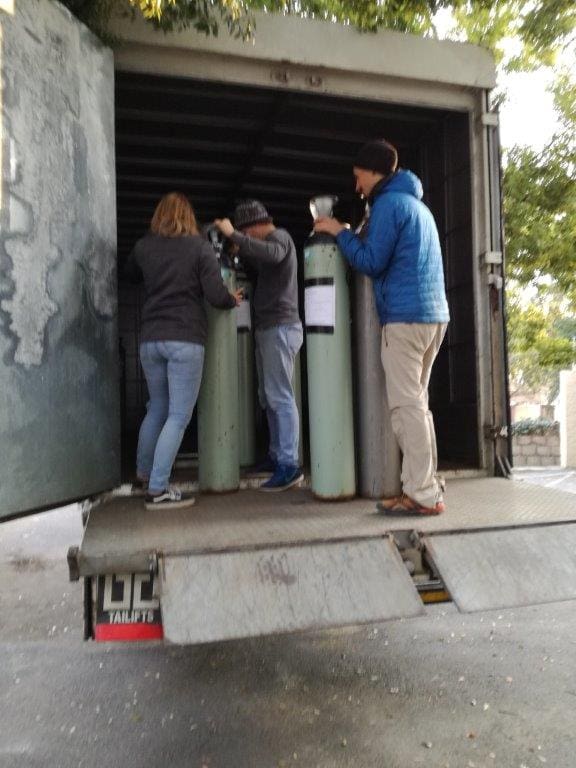
This SANAP project is part of a fantastic international collaborative effort Biogeoscapes, a follow up programme of GEOTRACES . (Left – During Winter Cruise 2017: Susanne Fietz, Ismael Kangueehi, Johan Viljoen, Ian Weir, Ryan Cloete)
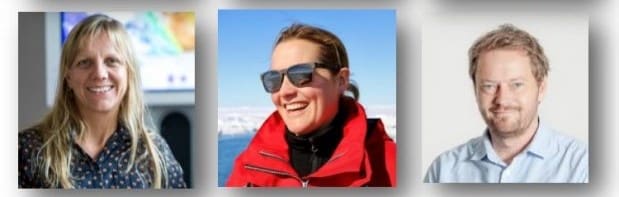
Susanne Fietz at the department of Earth Sciences at the Stellenbosch University is the principal investigator. GEOTRACES and the follow up programme Biogeoscapes are programmes which aim to improve the understanding of biogeochemical cycles and large-scale distribution of trace elements and their isotopes in the marine environment. Scientists from approximately 35 nations have been involved in the programme, which is designed to study all major ocean basins over the next decade. In this project we work together with marine biogeochemists at University of Cape Town and CSIR (SOCCO), biotechnologists and genomicists at Stellenbosch University and University of Pretoria, as well as with colleagues at the Norwegian University of Science and Technology and Universidad Nacional Autónoma de México.
The global changes affecting the terrestrial ecosystems are matched by threats on the marine ecosystems, such as the warming of the ocean and concomitant changes in ocean structure, or marine pollution. The extent of the ecosystem alteration is still a matter of heated debates, especially when including stakeholders from industry in the discussion. Science is still far away from having all answers policy makers need. Furthermore, the notion that the oceans provide unlimited resources is still widely spread in society, despite a growing perception of rather straightforward threats such as overfishing.
Oceans are changing under pressure of global changes, be it for increase in temperature, sea-ice melt, stratification, acidification or pollutants. The tiny ocean’s inhabitants, the microorganisms, will mostly adapt to it, however, it will most likely result in shifts in community composition and thus in biogeochemical fluxes, including the export of carbon, essential for an efficient drawdown of atmospheric CO2. This project focus on the link between microorganisms and the chemistry of the seawater. Two major concerns drive our focus on the microorganisms:
- We know surprisingly little about the abundance and community structure of our tiniest organisms in the ocean.
- Microorganisms do significantly affect the marine biogeochemical cycles and ultimately our climate.
Marine primary production in the world’s oceans is generally limited by the availability of nutrients in the upper, sunlit waters. Nitrogen availability tends to limit productivity throughout much of the low-latitude oceans. The primary productivity in the Southern Ocean, in contrast, is primarily limited by constraints in bioavailability of trace metals such as iron that are vital for various biochemical processes, such as chlorophyll synthesis and nitrate utilization. Phytoplankton blooms in the Southern Ocean usually occur near the few islands scattered in the Southern Ocean, such as South Georgia or Kerguelen, and close to retrieving ice around Antarctica. In addition, changes in productivity are linked to times or areas of increased dust input. Increased primary productivity leads to two major consequences: a) food-web stimulation, and thus impact on biodiversity and fisheries and b) enhanced biological pump, and thus atmospheric CO2 sequestration.
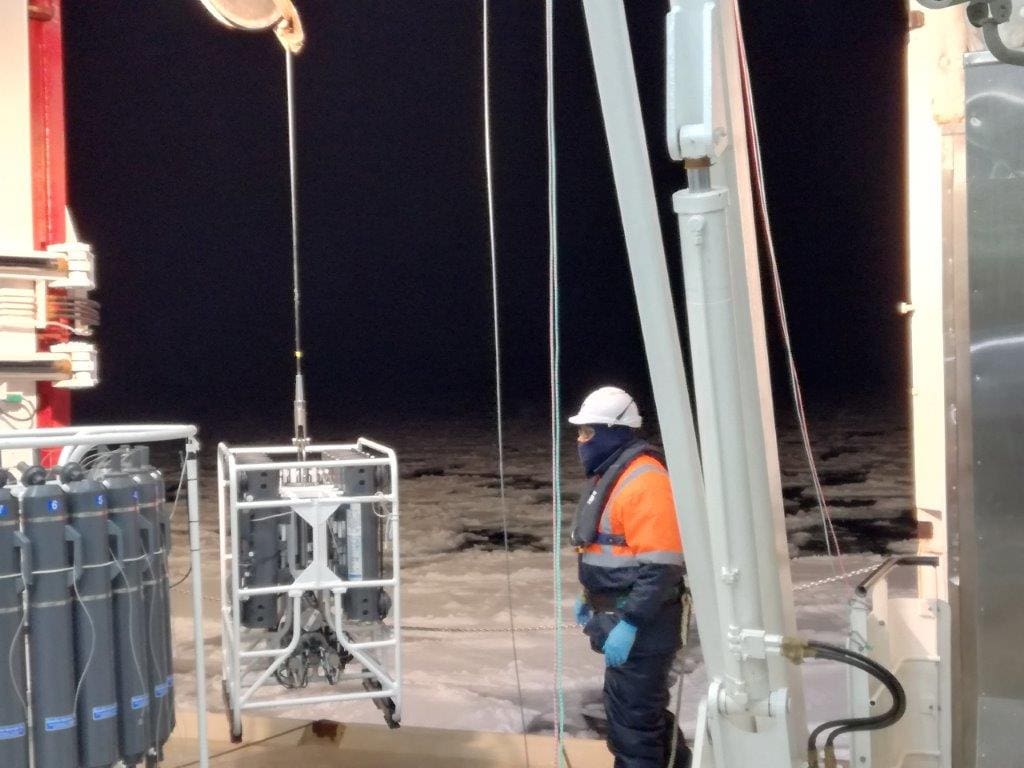
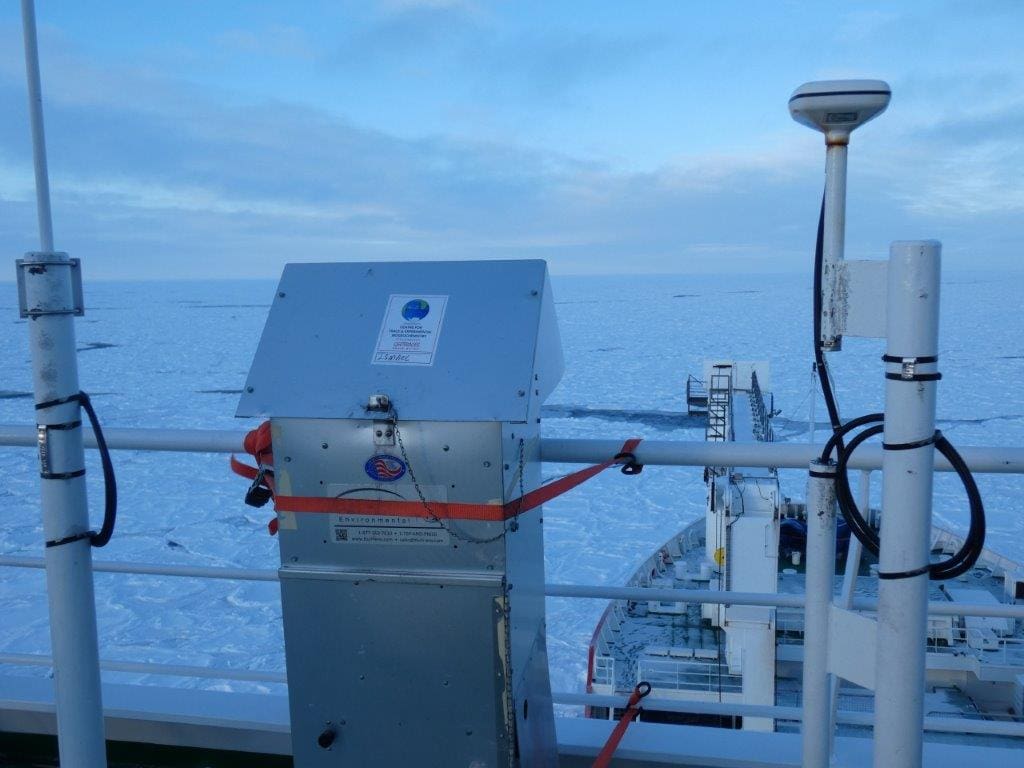
Phytoplankton and microbial communities are normally studied separately, even though it is important to assess their tight interactions. Marine microbes compete for macro- and micronutrients with phytoplankton and largely control micronutrients bioavailability at the ocean surface, but they also control an efficient recycling system below the subsurface. This tight interplay between the microorganisms and the ocean’s chemistry has thus important implications for fisheries and for the global climate. The role(s) of microbial communities in the Southern Ocean are understudied, to the extent that it is often not known what species are present. The development of fast and cheap DNA sequencing technologies allows for their identification, and we will help fill this knowledge gap. The improved understanding of the functioning of the Southern Ocean ecosystem will then allow improving models projecting future global changes.
The project is involved in science awareness (left Susanne Fietz during an interview at the East Pier, Presentattion to Sun Valley School, Presenatition to Antarctic Season 2019). For more information visit their page. The educational video is available on the ALSA archive
by Ria Olivier | Apr 18, 2020 | geochemistry, Research, Science, SEAmester, Southern Ocean
Johannes Jacobus Viljoen grew up in the small town of Wolseley in the upper Breede River Valley and started his tertiary education at Stellenbosch University after graduating high school in Ceres. He completed a BSc in Earth Science in 2015 and became the first member in his family with a university qualification. In 2016, he completed a BSc (Hons) Earth Science degree in Environmental Geochemistry where he gained a keen interest in marine biogeochemistry and research. He continued his studies as a graduate research student on phytoplankton distribution in the Southern Ocean at Stellenbosch University within the Centre for Trace and Experimental Biogeochemistry (TracEx ), earning a MSc degree (cum laude) in 2018.
Johan is currently a PhD candidate in Earth Science at Stellenbosch University (SU). His research focus is part of a larger project within the South African National Antarctic Programme (SANAP) of which the main aim is to understand the biological and biogeochemical processes occurring in the Southern Ocean, how this is linked and will affect our global climate. His PhD research within TracEx revolves around marine biogeochemistry and aims to better understand phytoplankton dynamics in the Southern Ocean and their links to macro- and micronutrients distributions across various seasons and within poorly sampled regions. He specifically strives to specialize in the use of phytoplankton pigments to identifying and quantifying phytoplankton groups essential to the marine carbon cycle and assess their photoprotective abilities and adaptability within the current changing ocean environment. To date, Johan has participated in three research cruises on board South Africa’s flagship research vessel, the S.A. Agulhas II . For his first research cruise, a summer resupply cruise to Antarctica (SANAE 56: Nov 16 – Feb 17), he skipped his BSc (Hons) graduation in December 2016 to join this cruise and collect samples for multiple projects on his own. He wrote a blog tabout his experiences during this cruise and what it was like on the Antarctic ice shelf during the SANAE 56 take-over . He participated in two further research specific cruises to the Southern Ocean during winter as a member of the TracEx team, one to the Indian sector in July 2017 (for which he had to postpone his honeymoon ) and another to the Atlantic sector during the SCALE winter cruise (July/Aug 2019).
He attended his first SANAP symposium in 2016. He attended the Polar 2018 conference in Davos, Switzerland in 2018 where he presented an oral presentation on his research. He later joined the South African branch of the Association for Polar Early Career Scientists (APECS-SA) as a committee member during his second SANAP symposium in 2018. He currently serves on the APECS-SA national committee as one of the co-chairs. From 2018 – 2019, he also served as the postgraduate representative of the Department of Earth Sciences at SU on the postgraduate committee of the Faculty of Science.
Johan is driven to learn more about marine science and sharing his research and experiences with others. To date, he has published two scientific articles from his MSc research and aims to follow an academic career. In August 2017, he was awarded the opportunity by the SU International office to attend a summer school at the University of Helsinki: Introduction to modern atmospheric science. In September 2019, he was awarded a SCOR travel bursary to attend the 2nd International Geotraces Summer School in Spain to further his knowledge about trace metals and their role in the marine environment.
He is also active on Twitter (@JohanSOV ), utilising social media to promote his and other marine science research. He also has a vested interest in science communication and attended a master class in science communication offered by CREST at SU in December 2019 to advance his skills in science communication. He has volunteered at the retirement home in his hometown, talking to those less mobile about his experiences onboard the SA Agulhas II and the history of SA in Antarctica. He and other members of TracEx have participated in multiple outreach visits of primary and high schools to their department and have been volunteer guides for first year BSc student onboard the S.A. Agulhas II.
In his free time, he enjoys spending time with his family and friends, watching documentaries and movies based on true events, reading, hiking and travelling. He considers himself to be a bit of a coffee connoisseur, a budding gardener and an experimental cook.
With determination, hard work and by accepting help when needed you can reach any goal. “Alone we can do so little; Together we can do so much.” Helen Keller
Photo Credit and Text: Johan Viljoen – Profile
by Ria Olivier | Mar 22, 2020 | SA Agulhas II, SANAP, Science, Southern Ocean
The Mid-Month series final for March is reflecting on Science projects on Sunday. The Sound and Vibration Research Group (SVRG) in the Department of Mechanical and Mechatronic Engineering is a SANAP research project. The SVRG has established expertise, equipment and laboratory facilities to conduct research and investigations into noise and vibration problems for industry as well as the public sector. Our primary field of research is associated with human response to sound and vibration where, in particular, seating dynamics and sound quality are investigated. Prof Annie Bekker is the Principal Investigator of the South African National Antarctic Programme (SANAP) – Decision aiding for the SA Agulhas II through modelling, monitoring and data capture.
Vibration and acoustic comfort on the polar supply and research vessel – S.A. AGULHAS II
As part of an international research consortium between the Universities of Aalto and Oulo, Aker Arctic, Det Norske Veritas, Rolls Royce, Wartsila and STX Europe the SVRG performed vibration comfort measurements on board the SA Agulhas II, the new polar supply research vessel. The SA Agulhas II was put to the test during two days of ice-breaking operations in the Bay of Bothnia in Finland during ice-trails as well as a 76-day voyage between Cape Town and Antarctica. Sound levels and vibration comfort will be determined in conjunction with exterior ice conditions and ice-loads on the ship hull in an on-going research project which enables a unique comparison between Arctic and Antarctic conditions.
One of SVRG objectives is to establish a centre of expertise in sound and vibration measurement, analysis and assessment with the associated measurement equipment and software tools to contribute to the international research arena. Annie Bekker host an annual Symposium on the S.A. Agulhas II where international and national stakeholders give new insight and feedback on research. During the symposium students of the SVRG also get the time to present their research. To open the minds of these students and to taught them the necessary skills Annie Bekker make use of expertise from all over the world.
SVRG recently hosted Professor Anders Brandt from the University of Southern Denmark.
“ABRAVIBE(s)”… data-driven skills, taught by a master
Prof A Brandt
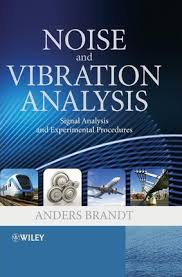
He is the author of the book “Noise and Vibration Analysis” and the MATLAB Toolbox, “ABRAVIBE” – renowned for its open code which demystifies many aspects of signal processing. Professor Brandt up-skilled students from the SVRG in select topics related to data quality control and signal processing. Three days were spent on a deep dive into theory, balanced by practical application. An essential skill of any vibration engineer is “to know how to hit a structure with a hammer”.
Under the leadership of Prof Annie Bekker, the SVRG will apply their brushed-up techniques to implement several data-driven digital services for the SA Agulhas II, South Africa’s polar supply and research vessel. The collective effort, entitled “DIGSAA” embraces Industry 4.0 technologies to enhance ship management and operation in the Southern Ocean and Antarctica. Accordingly, the visit of Prof Brandt has instilled a rigorous signal processing background to equip the group for this momentous task.
Prof Brandt and SVRG ready to work. Front (l-r): Karl Pferdkamper, Jandre Mouton, Ben Steyn. Middle: Jaco Laas, Armand van Zuydam, Martinique Engelbrecht, Prof Bekker, Prof Brandt, Nic Bunn, Nicole Taylor, Jesslyn Bossau. Back: Christof van Zijl and Brendon Nickerson.
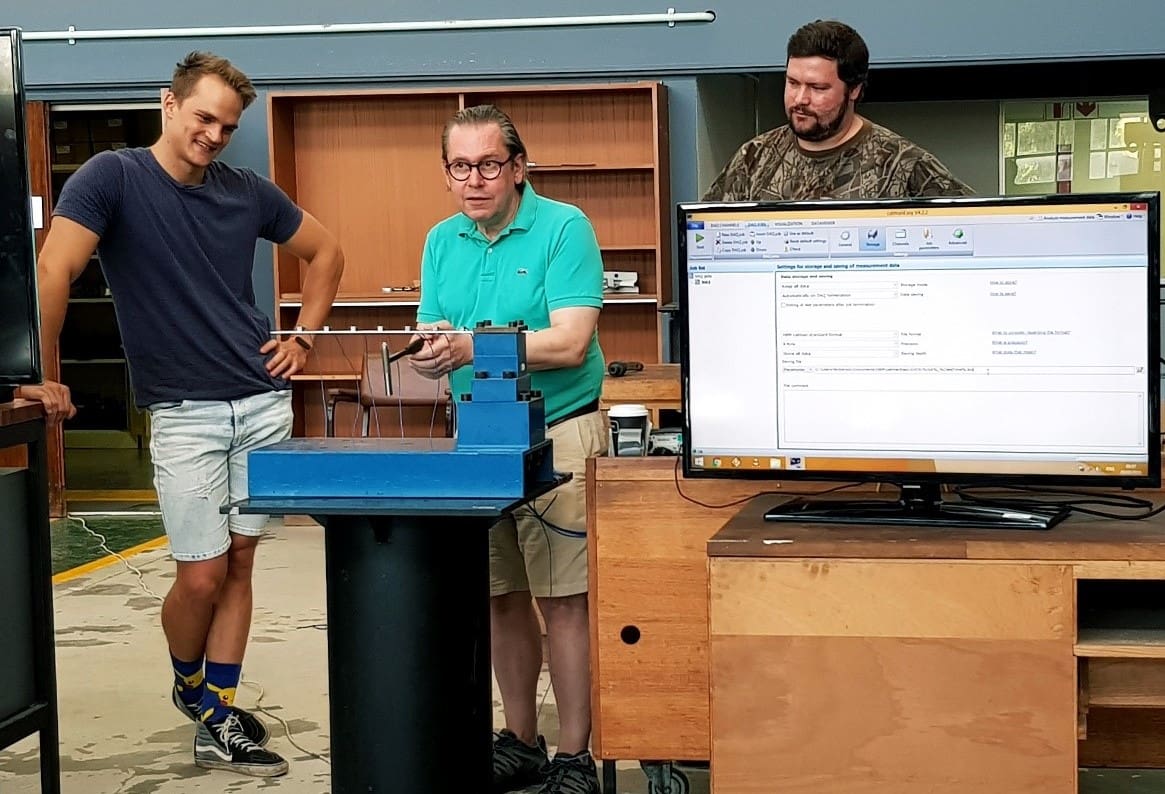
Professor Brandt, shares how a modal hammer is used to measure calibrated acceleration responses on this beam structure. Jaco Laas, M.Eng (left) and Brendon Nickerson, PhD (right).
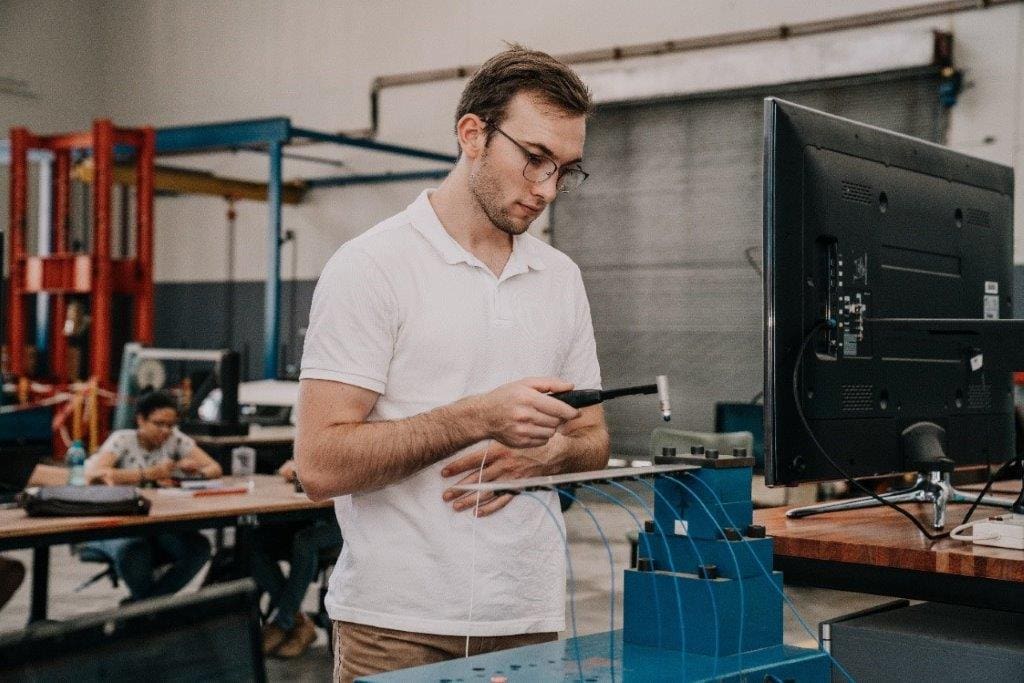
Ben Steyn (M.Eng) is perfecting hammer skills on an experimental set up.
Celebrating a successful week of signal processing and modal analysis.
by Ria Olivier | Mar 21, 2020 | Research, SANAP, SANAP Student, Science, Southern Ocean, Women in Science
Every year new students are joining the South African National Antarctic Programme(SANAP). As Saturday is probably the time to break from studies, our first “Saturday Student” in the Mid-Month series is Kolisa Yola Sinyanya or for those who are familiar with Twitter, @Kolie_Yola. I think there are not many students out there with 7070 followers (during writing of this article) – but Kolisa does. She joined the Antarctic Legacy of South Africa (ALSA) Project and contributes towards our social media campaign, therefore letting more people know about South Africa’s involvement in the Antarctic and Southern Ocean region. Upon joining ALSA, Kolisa was set to be part of the South African group to attend the SCAR biennial conference in August 2020 in Hobart, Australia(but now cancelled).
She is a PhD candidate in Oceanography at the University of Cape Town (UCT). Her PhD research is part of a growing body of work that critically examines bio-geochemical cycling in the ocean, particularly regions that are currently under-sampled. The research aims involve exploring phytoplankton community dynamics and microbe-nutrient interactions in the Indian Ocean, including subtropical and Southern Ocean waters. To date, Kolisa has been awarded the Advancing Womxn Fellowship in the Department of Oceanography awarded under the “For womxn by womxn: conducting research in a field in which womxn are in short supply” category of a new initiative at UCT championed by the Office of the Vice-Chancellor. She is one of the researchers who were on 5-week cruise to Marion Island in the Sub-Antarctic Indian Ocean in 2017.
Kolisa has a passion for learning science and for sharing her science, and her PhD has allowed Kolisa to engage in effective science communication through public speaking, scientific writing and television features. In February of 2020, she presented one of her PhD chapters at Ocean Sciences Meeting in San Diego, USA. Towards the end of 2019, the new Advancing Womxn: Ocean Womxn Fellowship at UCT recruited Kolisa to run and manage their social media accounts as a science communicator. She was one of the invited African scientists who gave ocean and climate change related talks at #VirtualBlueCOP25. In the same year Kolisa was nominated as one of the Inspiring Fifty Women in STEM South Africa and became a Black Women in Science South Africa 2019 fellow. Kolisa was the first PhD candidate in history to be selected by the Oceanography Department’s head of department (HoD), Professor Isabelle Ansorge to stand in for her as acting HoD at a departmental graduation ceremony in 2019.
She has taken part in several science communication activities, including FameLab Cape Town, the biggest science communication competition in the world, where she was the Cape Town national runner up. Other thought- and conversation-provoking science communication engagements in which Kolisa has participated in are Pint of Science South Africa and TEDxUCT. Moreover, she presented the preliminary findings of her Agulhas System Climate Array (ASCA) research at the 2018 SANAP Symposium. Kolisa’s work has also been documented in the academic communication magazine, The Conversation Africa. She’s committed to increasing the visibility of women in STEM and runs a blog called Women In Science Hub where she write about conversations she has with women who are making waves in the world of STEM. In 2018, Kolisa had the privilege to be interviewed as a woman in science under the theme “#SHEsInSTEM” by the women’s organisation, Young&BosSHE, based in the United States. In 2019, her sci comm work was featured by Crastina in Sweden under the theme Science Communication Africa. As a student leader, she was invited by the Vice-Chancellor of the University of Cape Town, Professor Mamokgethi Phakeng, to participate in a Women’s Day discussion on Power FM about South African universities. In 2019 she was invited for live interviews twice by Cape Town TV to speak about Oceanography and on Women’s Month to speak about being a black woman in STEM. Visit Kolisa’s budding YouTube channel and leave a comment.
Kolisa is also a fun loving, unconventional and free-spirited woman who has a passion for advancing the lives of others, especially young women and girls from all walks of life. Her message to fellow students:
- Believe in your contributions because no one else is like you, you bring to the table a combination of things the next person will not.
- Be in love with and have passion for your career because if you don’t your path within that career will be a chore.
- Never give up because winners never quit, and quitters never win.
- Go for your dreams. Never let anything/anyone discourage you from reaching and far surpassing those set goals.
by Ria Olivier | Mar 3, 2020 | Antarctica, Environment, Gough Island, Marion Island, Research, SANAE, SANAE Gallery, Science, Southern Ocean
On World Wildlife Day 2020, we will celebrate the special place of wild plants and animals in their many varied and beautiful forms as a component of the world’s biological diversity. World Wildlife Day in 2020 is celebrated under the theme “Sustaining all life on Earth”, encompassing all wild animal and plant species as key components of the world’s biodiversity. This aligns with UN Sustainable Development Goals 1, 12, 14 and 15, and their wide-ranging commitments on alleviating poverty, ensuring sustainable use of resources, and on conserving life both on land and below water to halt biodiversity loss. On 20 December 2013, at its 68th session, the United Nations General Assembly (UNGA) proclaimed 3 March – the day of signature of the Convention on International Trade in Endangered Species of Wild Fauna and Flora (CITES) in 1973 – as UN World Wildlife Day to celebrate and raise awareness of the world’s wild animals and plants.
Azorella selago (Photo Credit: Niek Gremmen)
Antarctic Tern (Photo Credit: Tom McSherry)
The South African National Antarctic Programme (SANAP) plays a crucial role in conserving this living laboratory – – the coldest, windiest and driest place on Earth. Studies done in the Antarctic, sub-Antarctic and Southern Ocean are inextricably linked to our understanding of the entire Earth system and signals in Antarctica indicate past and future global changes. SANAP recognises the global and national importance of safeguarding the environment of the Antarctic and Southern Ocean and protecting the integrity of ecosystems, both marine and terrestrial, in the region.
Weddell Seal – Photo Credit: Chris Oosthuizen
Photo Credit: Ben van der Walt
SANAP slogan “Understands, Develop and Conserve is celebrating World Wildlife Day 2020. See amazing images on the SANAP website under galleries of the different stations of South Africa. Go to the ALSA archive and look for the interaction images of man and the environment
 CAREER OPPORTUNITY – Post Doctoral Fellowships. The Council for Scientific and Industrial Research (CSIR) is a leading scientific and technology research organisation that researches, develops, localises and diffuses technologies to accelerate socio-economic prosperity in South Africa. The organisation’s work contributes to industrial development and supports a capable state.
 The CSIR has three opportunities for Post-Doctoral Fellowships in the Southern Ocean Carbon and Climate Observatory programme (SOCCO), within the Smart Places cluster, and hosted at the Marine Institute (Ma-Re), UCT. The purpose of the fellowships is to conduct research in line with three H2020 projects in which SOCCO is a partner. The positions are offered as a two-year contract with the possibility of extension for a third year. These opportunities are based in Rosebank, Cape Town. For more information about the programme and cluster please visit http://www.socco.org.za and http://www.csir.co.za/smart-places respectively.


 The global changes affecting the terrestrial ecosystems are matched by threats on the marine ecosystems, such as the warming of the ocean and concomitant changes in ocean structure, or marine pollution. The extent of the ecosystem alteration is still a matter of heated debates, especially when including stakeholders from industry in the discussion. Science is still far away from having all answers policy makers need. Furthermore, the notion that the oceans provide unlimited resources is still widely spread in society, despite a growing perception of rather straightforward threats such as overfishing.

 Marine primary production in the world’s oceans is generally limited by the availability of nutrients in the upper, sunlit waters. Nitrogen availability tends to limit productivity throughout much of the low-latitude oceans. The primary productivity in the Southern Ocean, in contrast, is primarily limited by constraints in bioavailability of trace metals such as iron that are vital for various biochemical processes, such as chlorophyll synthesis and nitrate utilization. Phytoplankton blooms in the Southern Ocean usually occur near the few islands scattered in the Southern Ocean, such as South Georgia or Kerguelen, and close to retrieving ice around Antarctica. In addition, changes in productivity are linked to times or areas of increased dust input. Increased primary productivity leads to two major consequences: a) food-web stimulation, and thus impact on biodiversity and fisheries and b) enhanced biological pump, and thus atmospheric CO2 sequestration.
 Phytoplankton and microbial communities are normally studied separately, even though it is important to assess their tight interactions. Marine microbes compete for macro- and micronutrients with phytoplankton and largely control micronutrients bioavailability at the ocean surface, but they also control an efficient recycling system below the subsurface. This tight interplay between the microorganisms and the ocean’s chemistry has thus important implications for fisheries and for the global climate. The role(s) of microbial communities in the Southern Ocean are understudied, to the extent that it is often not known what species are present. The development of fast and cheap DNA sequencing technologies allows for their identification, and we will help fill this knowledge gap. The improved understanding of the functioning of the Southern Ocean ecosystem will then allow improving models projecting future global changes.
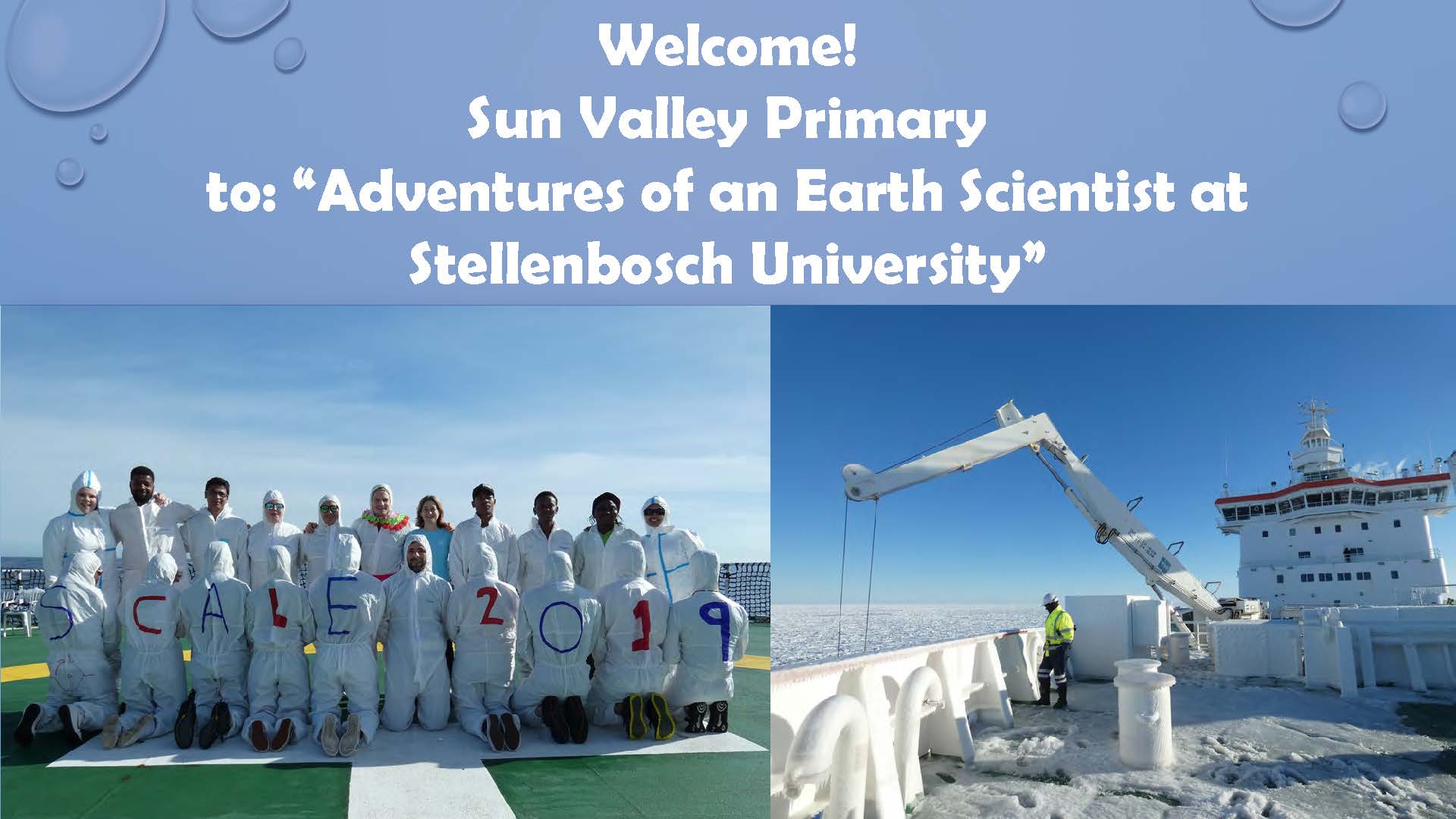
 The project is involved in science awareness (left Susanne Fietz during an interview at the East Pier, Presentattion to Sun Valley School, Presenatition to Antarctic Season 2019). For more information visit their
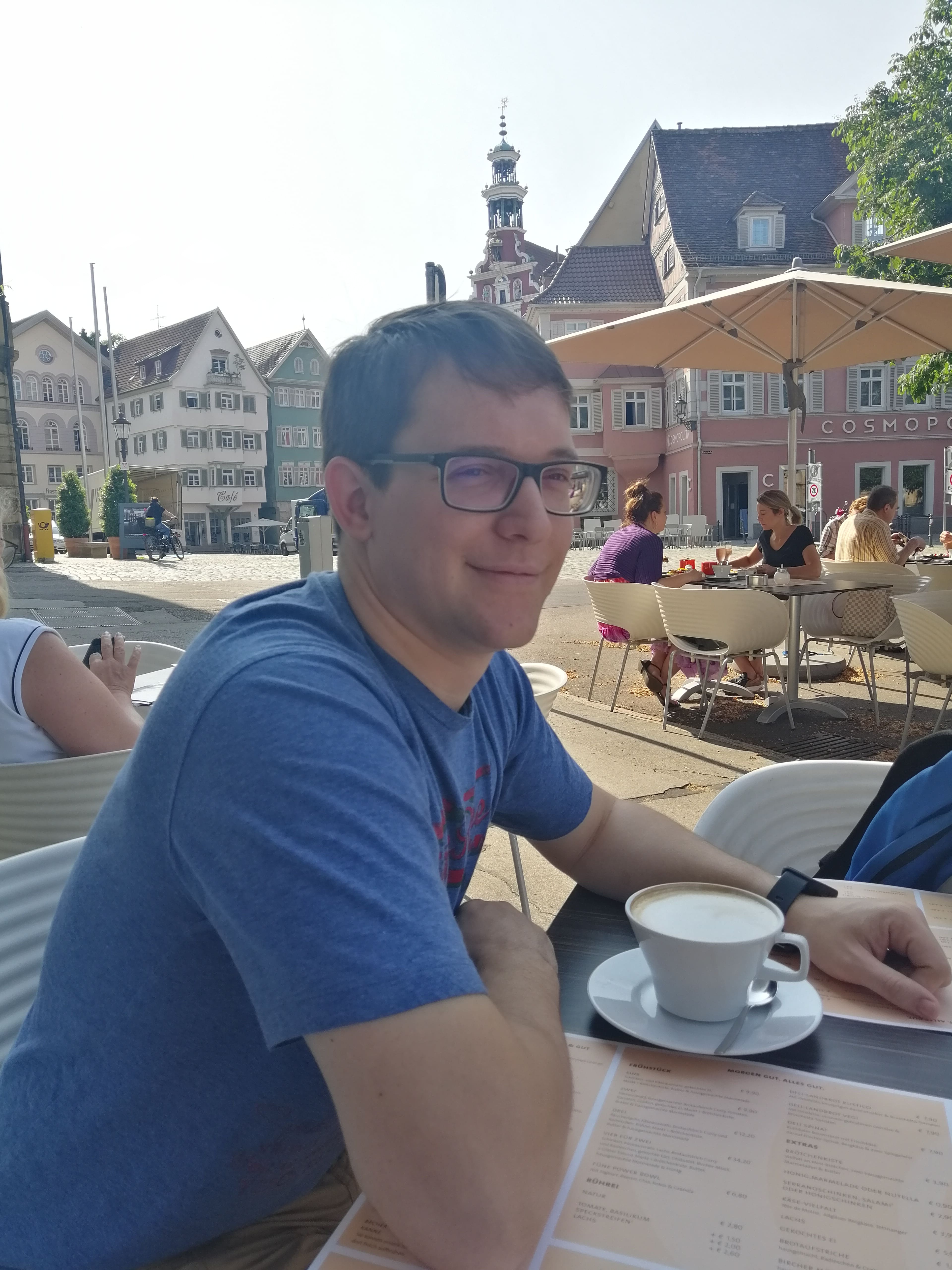
 Johannes Jacobus Viljoen grew up in the small town of Wolseley in the upper Breede River Valley and started his tertiary education at Stellenbosch University after graduating high school in Ceres. He completed a BSc in Earth Science in 2015 and became the first member in his family with a university qualification. In 2016, he completed a BSc (Hons) Earth Science degree in Environmental Geochemistry where he gained a keen interest in marine biogeochemistry and research. He continued his studies as a graduate research student on phytoplankton distribution in the Southern Ocean at Stellenbosch University within the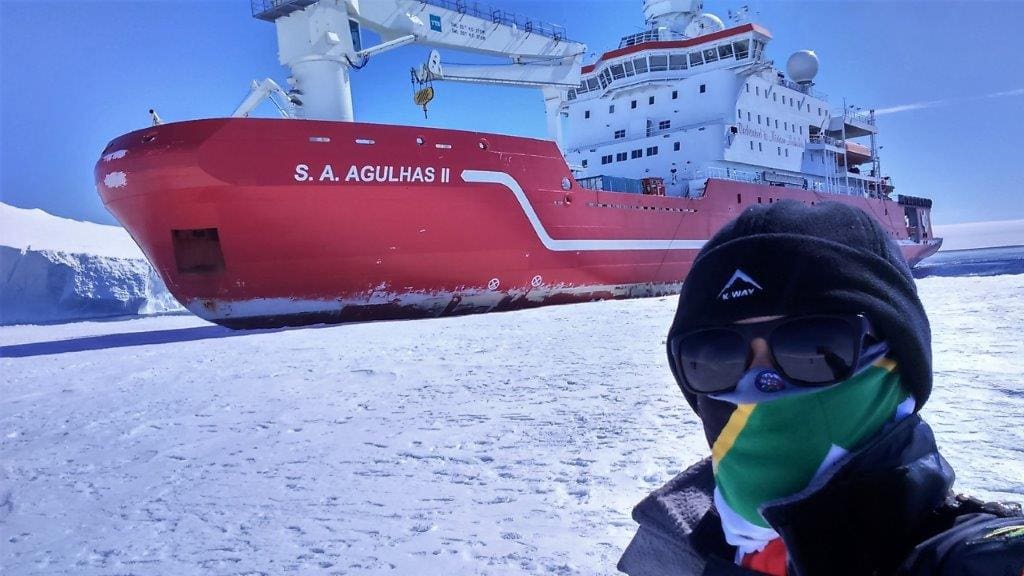
 Johan is currently a
 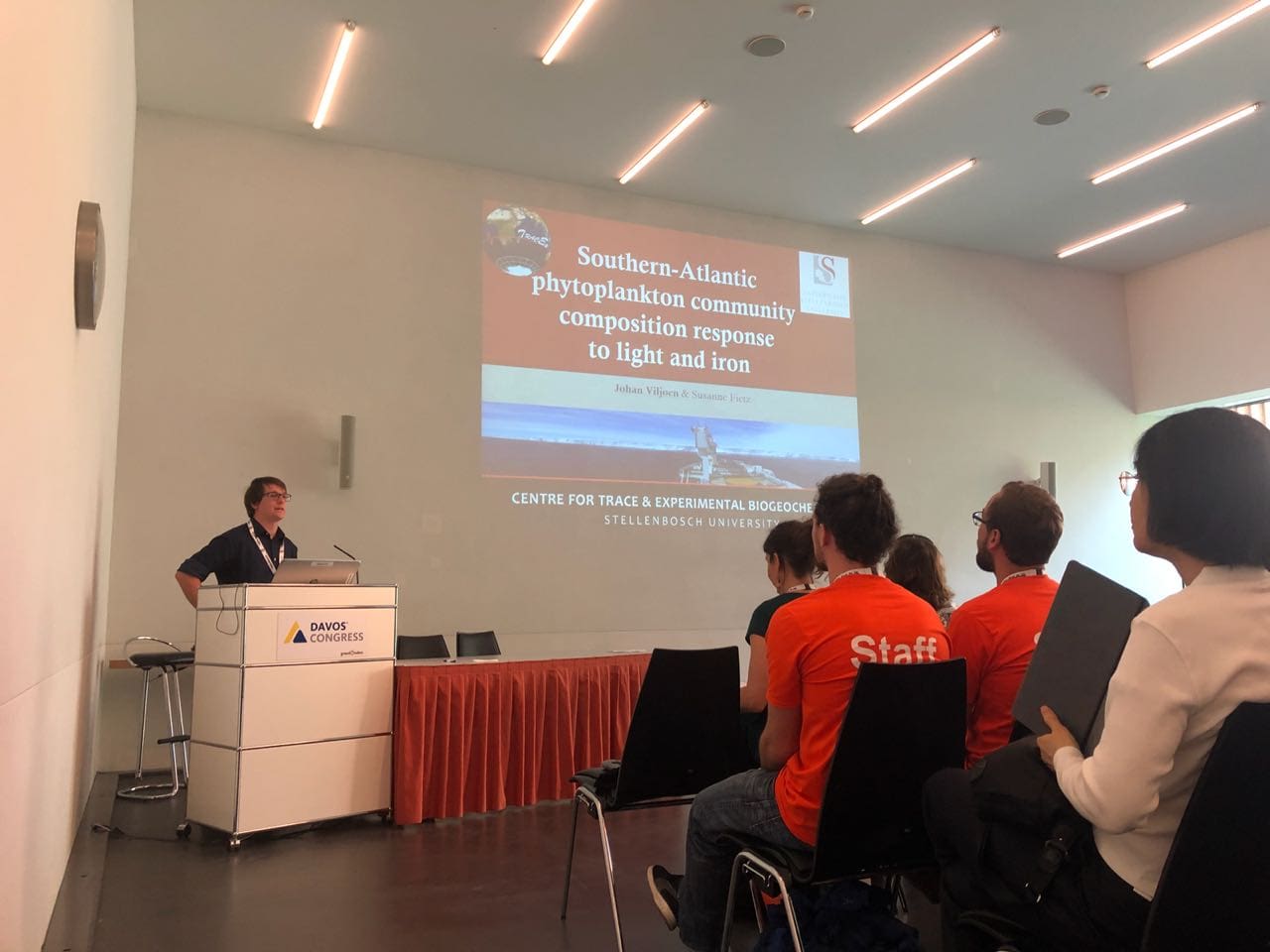 He attended his first SANAP symposium in 2016. He attended the Polar 2018 conference in Davos, Switzerland in 2018 where he presented an oral presentation on his research. He later joined the South African branch of the Association for Polar Early Career Scientists (APECS-SA) as a committee member during his second SANAP symposium in 2018. He currently serves on the APECS-SA national committee as one of the co-chairs. From 2018 – 2019, he also served as the postgraduate representative of the Department of Earth Sciences at SU on the postgraduate committee of the Faculty of Science.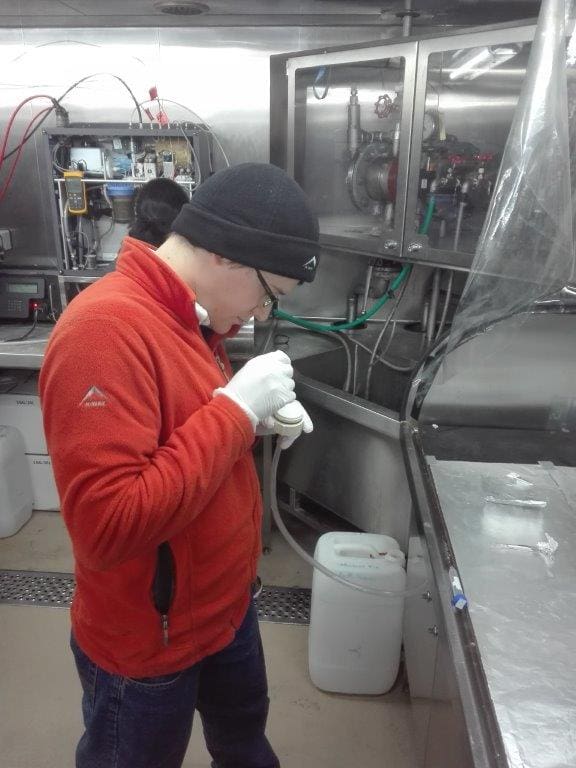
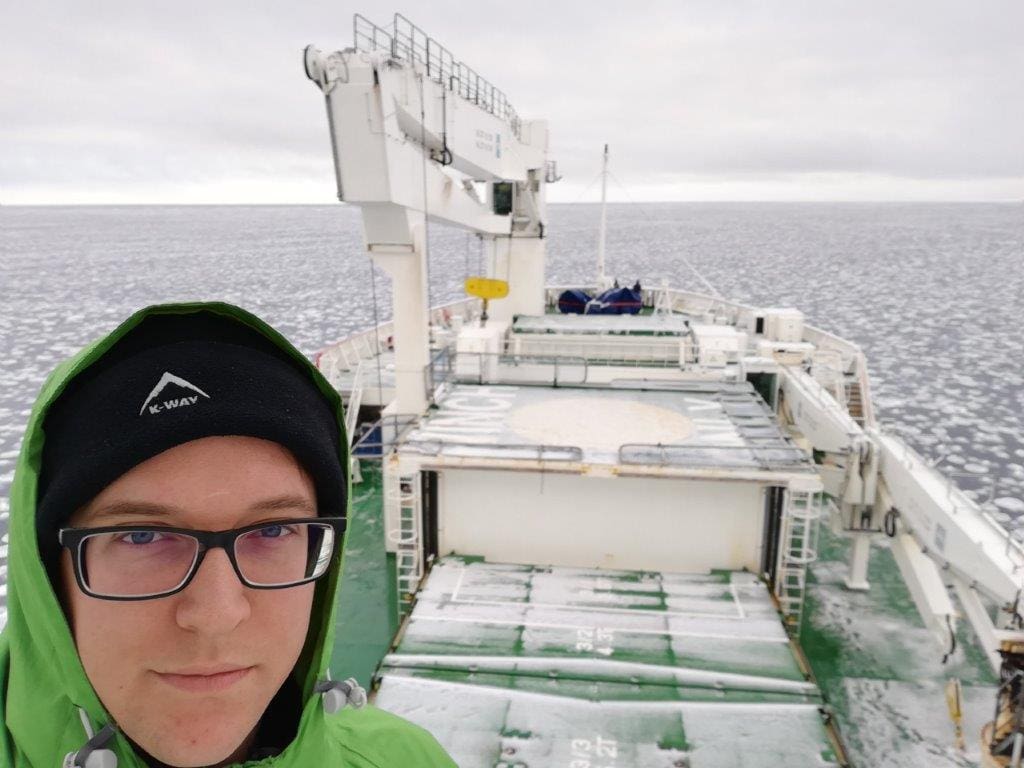 Johan is driven to learn more about marine science and sharing his research and experiences with others. To date, he has published two scientific articles from his MSc research and aims to follow an academic career. In August 2017, he was awarded the opportunity by the
 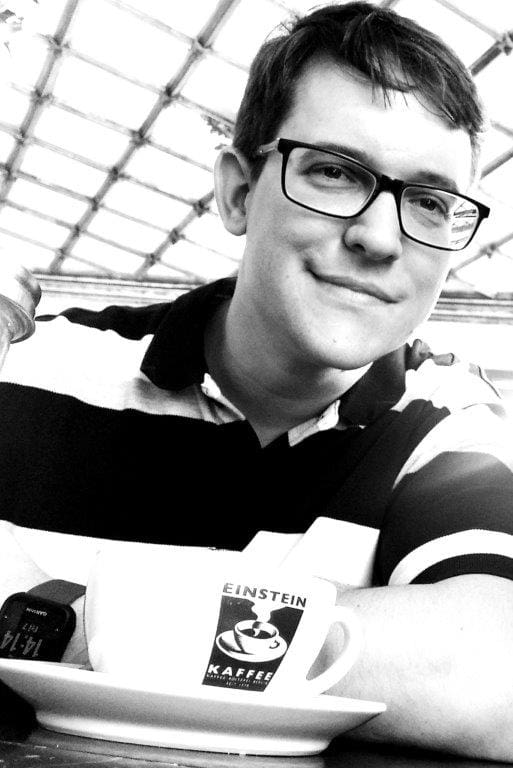 In his free time, he enjoys spending time with his family and friends, watching documentaries and movies based on true events, reading, hiking and travelling. He considers himself to be a bit of a coffee connoisseur, a budding gardener and an experimental cook.
 is a
is a  As part of an international research consortium between the Universities of Aalto and Oulo, Aker Arctic, Det Norske Veritas, Rolls Royce, Wartsila and STX Europe the SVRG performed vibration comfort measurements on board the SA Agulhas II, the new polar supply research vessel. The SA Agulhas II was put to the test during two days of ice-breaking operations in the Bay of Bothnia in Finland during ice-trails as well as a 76-day voyage between Cape Town and Antarctica. Sound levels and vibration comfort will be determined in conjunction with exterior ice conditions and ice-loads on the ship hull in an on-going research project which enables a unique comparison between Arctic and Antarctic conditions.
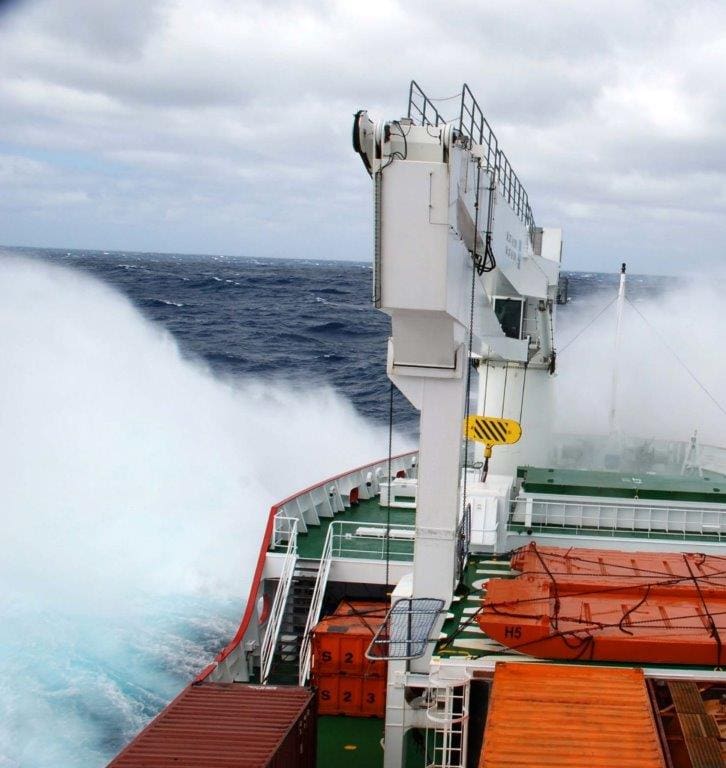 assessment with the associated measurement equipment and software tools to contribute to the international research arena. Annie Bekker host an annual Symposium on the S.A. Agulhas II where international and national stakeholders give new insight and feedback on research. During the symposium students of the SVRG also get the time to present their research. To open the minds of these students and to taught them the necessary skills Annie Bekker make use of expertise from all over the world.
 aspects of signal processing. Professor Brandt up-skilled students from the SVRG in select topics related to data quality control and signal processing. Three days were spent on a deep dive into theory, balanced by practical application. An essential skill of any vibration engineer is “to know how to hit a structure with a hammer”.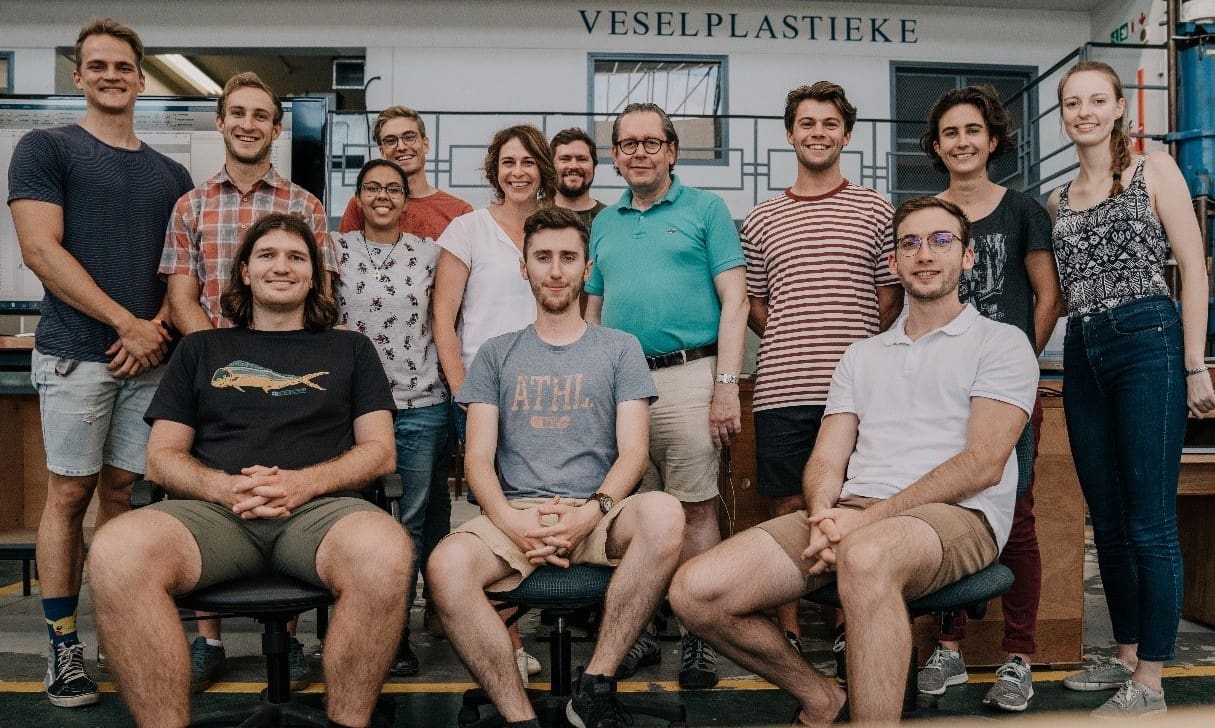

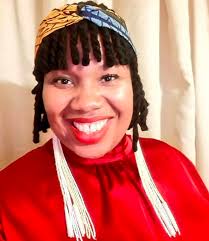 probably the time to break from studies, our first “Saturday Student” in the Mid-Month series is Kolisa Yola Sinyanya or for those who are familiar with Twitter,
  She is a PhD candidate in Oceanography at the University of Cape Town (UCT). Her PhD research is part of a growing body of work that critically examines bio-geochemical cycling in the ocean, particularly regions that are currently under-sampled. The research aims involve exploring phytoplankton community dynamics and microbe-nutrient interactions in the Indian Ocean, including subtropical and Southern Ocean waters. To date, Kolisa has been awarded the Advancing Womxn Fellowship in the Department of Oceanography awarded under the “For womxn by womxn: conducting research in a field in which womxn are in short supply” category of a new initiative at UCT championed by the Office of the Vice-Chancellor. She is one of the researchers who were on 5-week cruise to Marion Island in the Sub-Antarctic Indian Ocean in 2017.
 in effective science communication through public speaking, scientific writing and television features. In February of 2020, she presented one of her PhD chapters at Ocean Sciences Meeting in San Diego, USA. Towards the end of 2019, the new
 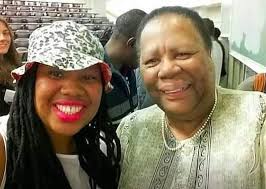 She has taken part in several science communication activities, including

 On
On 


 See amazing images on the SANAP website