Department of Environment Forestry and Fisheries : Media Statement – 15 September 2020 : SA Agulhas II will depart for Gough Island under strict health protocols:
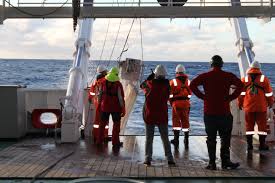
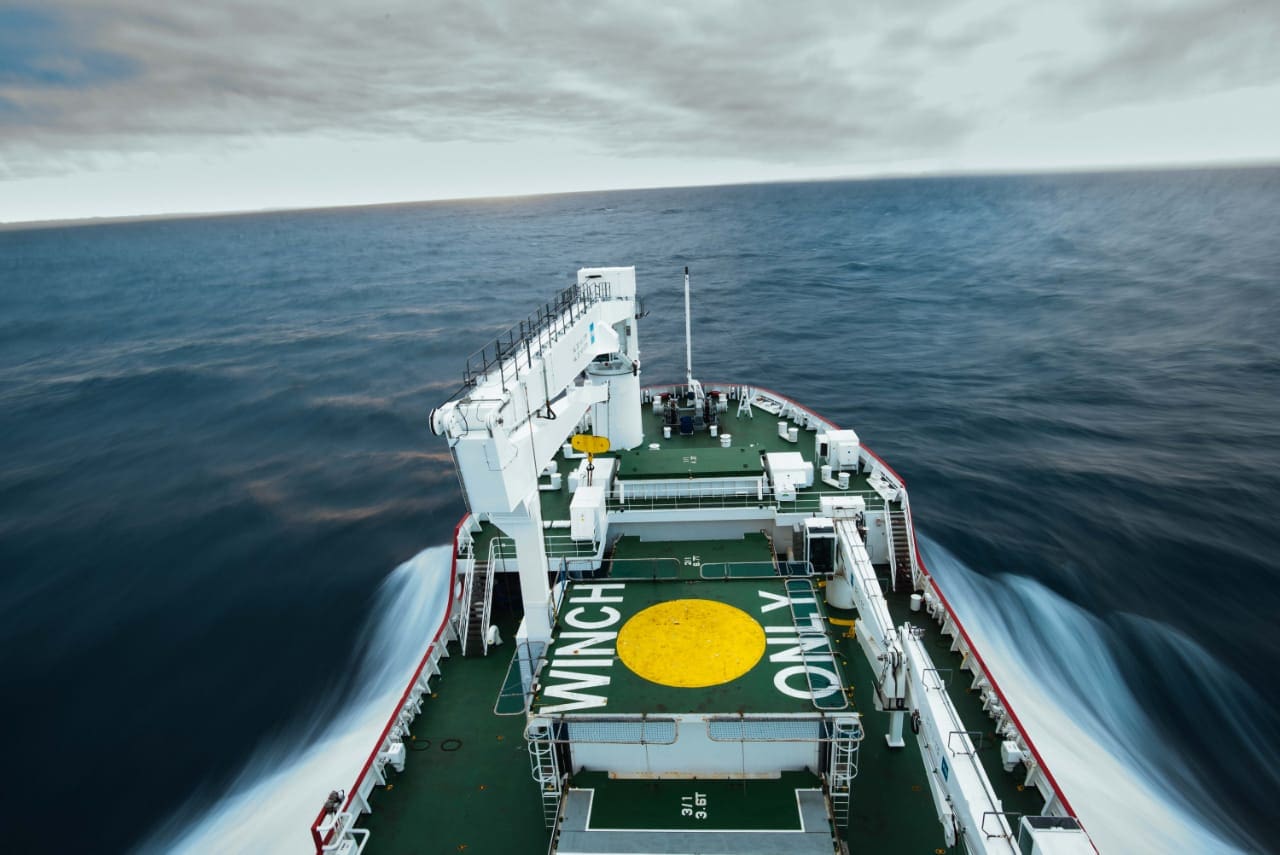
The 2020 annual SA Agulhas II relief voyage to Gough Island will depart on 17 September 2020 under strict Covid-19 health protocols.
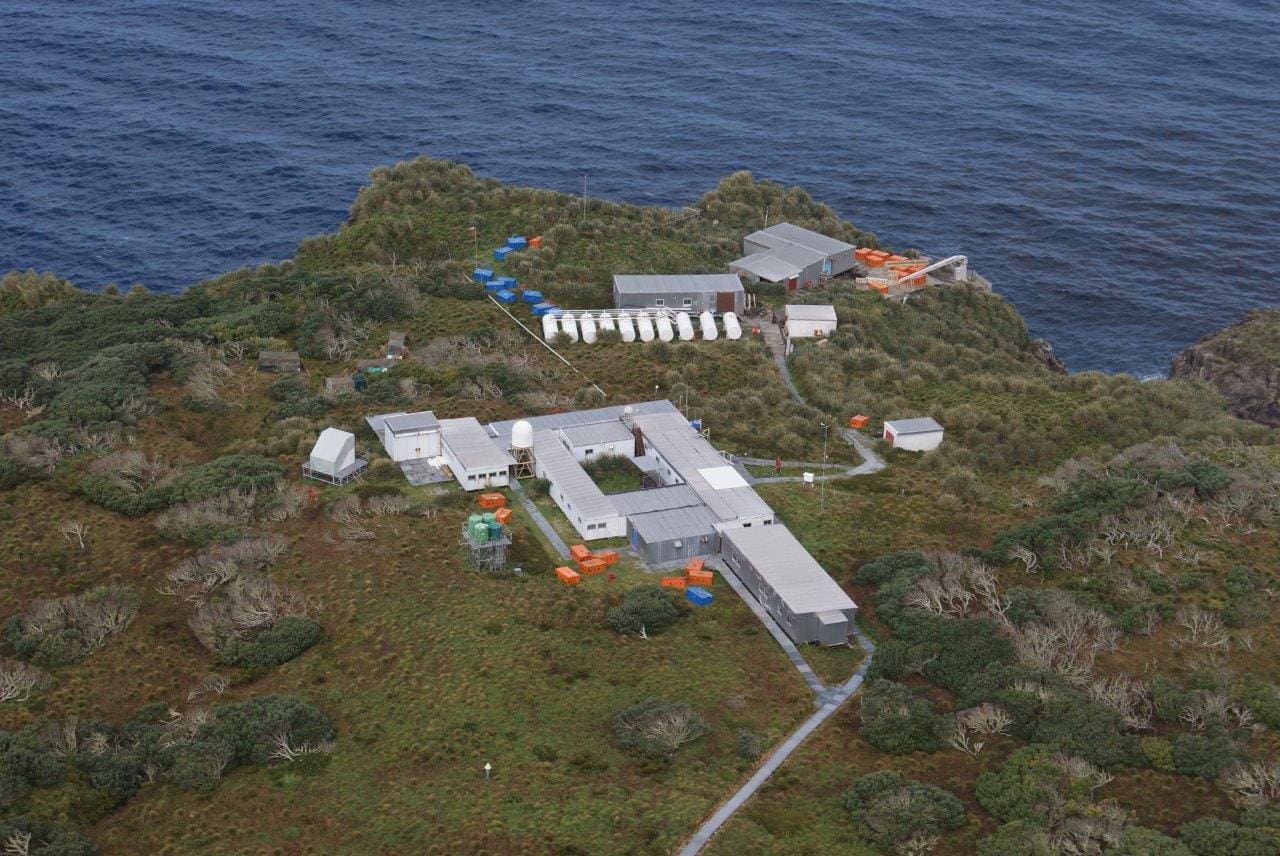
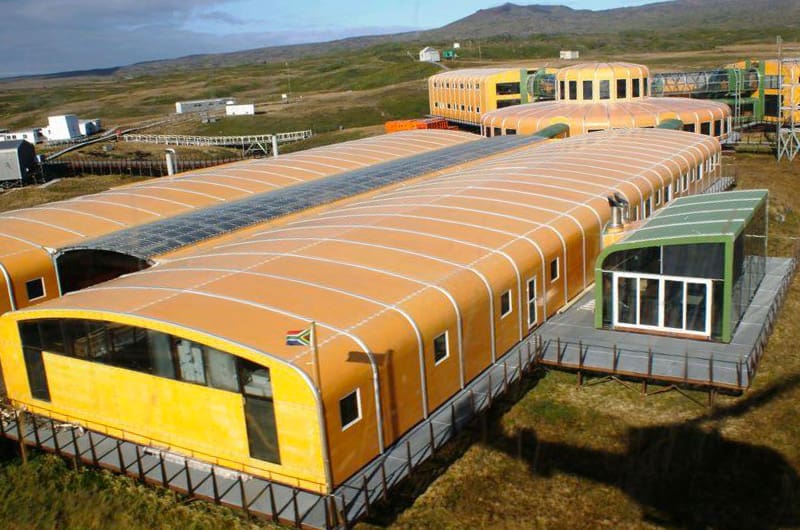
Gough Island, some 2600 km south-west of Cape Town, is very strategic for South Africa’s weather observations and forecasting. The weather data collected at Gough and Marion Islands and at SANAE IV on Antarctica, is important for the navigation of passing vessels, warning South Africa of impending severe weather systems (in the case of Gough Island), as well as providing insight into climate change. These datasets are also key to improving the accuracy of our global and regional weather forecast models.
Within the current context of the corona virus lockdown period, the schedule and the procedures were adjusted to accommodate a strict quarantine and COVID-19 testing procedure before departure, as well as a strict adherence to sanitization procedures during the loading of the vessel. The recruitment process, including psychometric testing for the expedition members, was finalised on 24 August 2020. The team also undertook training in Cape Town. Most of the team members appointed have some experience of life on Gough Island.
The strict lockdown requirements, and quarantine procedures requires a significantly reduced team for the relief voyage, that will focus on logistical functions necessary to keep the base operational. Overwintering scientific functions will be limited to maintaining the long-term meteorological record by the South African Weather Service (SAWS), and the seabird monitoring by Royal Society for Protection of Birds (RSPB) United Kingdom (UK).
All passengers will be quarantined for 10 days before departure (between 02 September and 12 September 2020) on one of the approved quarantine facilities and in accordance with requirements by the Department of Health. The passengers in quarantine will be tested for COVID-19 virus and only participants with negative test results will be allowed to continue with the voyage. At the end of the quarantine period, passengers will be transferred from the site directly to the SA Agulhas II. There will be a five-day waiting period before the departure in order to monitor that none of the passengers develop symptoms.
Gough Island is an overseas territory of the United Kingdom. A lease agreement for the island was concluded with Britain in 1956 and has been renewed over the years. The annual relief voyage on the SA Agulhas II transports scientists from the Department of Environment, Forestry and Fisheries, various tertiary institutions and research agencies, with approved scientific projects. The voyage takes place annually in September, taking approximately 4 days sailing time from Cape Town to Gough Island.
The SA Agulhas II is expected to return to Cape Town on 16 October 2020.
As a result of the streamlining, the NRF will publish the One Call for Applications for funding in February
2020 (Review Period 1) and others later in Review Period 2 under the following categories. Refer to
Appendix 1 for the Review Periods – The NRF General Application Guide (Ver 5 April 21)
Cut-off dates and Review Periods:
The NRF will accept applications for processing on the cut-off dates for the different Review Periods as
indicated in Appendix 1. No applications submitted by institutions to the NRF after that date will be considered. Applicants should therefore ensure that the institutional deadlines be strictly followed.
SA National Antarctic Programme (SANAP) Cut of date extended to 15 May 2020
CAREER OPPORTUNITY – Post Doctoral Fellowships. The Council for Scientific and Industrial Research (CSIR) is a leading scientific and technology research organisation that researches, develops, localises and diffuses technologies to accelerate socio-economic prosperity in South Africa. The organisation’s work contributes to industrial development and supports a capable state.
The CSIR has three opportunities for Post-Doctoral Fellowships in the Southern Ocean Carbon and Climate Observatory programme (SOCCO), within the Smart Places cluster, and hosted at the Marine Institute (Ma-Re), UCT. The purpose of the fellowships is to conduct research in line with three H2020 projects in which SOCCO is a partner. The positions are offered as a two-year contract with the possibility of extension for a third year. These opportunities are based in Rosebank, Cape Town. For more information about the programme and cluster please visit http://www.socco.org.za and http://www.csir.co.za/smart-places respectively.
Southern Ocean CO2 and heat uptake: the future role of the Southern Ocean ininfluencing the rates of global warming depends critically on the sensitivity of its uptake and storage of heat and anthropogenic CO This sensitivity is thought to be largely dependent on the response in the physics of the mixed layer and sea ice system to climate change. This fellowship aims to use air-sea CO2 reconstructions, high resolution models as well as Earth System Models (ESM) to examine the climate sensitivity of the mechanisms that explain CO2 and heat ocean-atmosphere fluxes in the Southern Ocean.
Southern Ocean emerging feedbacks in carbon cycle: the sensitivity of coupled ocean- atmosphere physical and ocean biogeochemical mechanisms to climate forcing can lead to regional non-linear responses that lead to changing feedbacks, thresholds of abrupt change and tipping pointes. This fellowship aims to use the South African ESM combination with other CMIP6 models to examine how non-linearities in the carbon cycle can be linked to specific physical and biogeochemical mechanisms, their scales and dynamics in the Southern
Southern Ocean Biogeochemical model development: the sensitivity of the ocean biological carbon pump to climate forcing is critical to project changing carbon feedbacks in the second half of the 21st century, particularly in the Southern Ocean. For this fellowship the successful candidate will be a biogeochemical modeller, who will be responsible for model development through improved parameterisations of physiological processes for phytoplankton in coupled biogeochemical-physical models. This will be done based on experience in parameterisations for functional responses to multiple Observational data will be collected under varying conditions that will be used to derive and implement new relationships into numerical models.
Key responsibilities:
Initiate further independent research within the strategic objectives of the current programme;
Assist with Master’s and Doctoral supervision of students in support of the SOCCO/UCT- Ma-Re human capital development mission;
Lead, assist and supervise field data collection and model development;
Contribute to the writing of numerous reviewed journal publications, and be the lead author of at least
Qualifications, skills and experience:
A Doctoral degree in Ocean CO2 or biogeochemical modelling and/or observations, withexperience in modelling;
Experience in acquiring and processing large global data sets as well as running and analysing model outputs;
Proficiency in Python
Closing date: 15 May 2020
PLEASE NOTE THAT FEEDBACK WILL BE GIVEN TO SHORTLISTED CANDIDATES ONLY.
For more info, please contact the CSIR Recruitment Centre on 012 841 4774 or email us at Recruitmentinfo@csir.co.za
The CSIR is an equal opportunity employer. As such, it is committed to the Employment Equity Act of 1998. By applying for this position at the CSIR, the applicant understands, consents and agrees that the CSIR may solicit a credit and criminal report from a registered credit bureau and/or SAPS (in relation to positions that require trust and honesty and/or entail the handling of cash or finances) and may also verify the applicant’s educational qualifications and employment history. The CSIR reserves the right to remove the advertisement at any time before the stated closing date and it further reserves the right not to appoint if a suitable candidate is not identified.
PLEASE NOTE THAT FEEDBACK WILL BE GIVEN TO SHORTLISTED CANDIDATES ONLY.
For more info, please contact the CSIR Recruitment Centre on 012 841 4774 or email us at Recruitmentinfo@csir.co.za
The CSIR is an equal opportunity employer. As such, it is committed to the Employment Equity Act of 1998. By applying for this position at the CSIR, the applicant understands, consents and agrees that the CSIR may solicit a credit and criminal report from a registered credit bureau and/or SAPS (in relation to positions that require trust and honesty and/or entail the handling of cash or finances) and may also verify the applicant’s educational qualifications and employment history. The CSIR reserves the right to remove the advertisement at any time before the stated closing date and it further reserves the right not to appoint if a suitable candidate is not identified.
Marion 77 will depart today from East Pier to Marion Island. In a press release Minister Creecy (see below) stated that :” As a result of the lockdown and as per announcement of the President, the voyage planning and arrangements have to be reconfigured to minimise risks;
We have taken decisions which we believe are in the best interest of existing participants and the overwintering team which we need to return from Marion Island to South Africa;
To this end, the Department together with key partners and specialist advisors have decided that the voyage will proceed but with a significantly reduced vessel crew and expedition complement;
The expedition will include an essential support team for logistics, maintenance and overwintering. There will be no field science activities during the relief and overwintering periods;”
As the team members is in isolation a photo of team members will be post as soon as possible
Listen to DDG Judy Beaumont speech to Marion Island Voyage Participants, wishing them all the best for this historic trip during COVID 19 pandemic. Letter to participants available on digital repository.
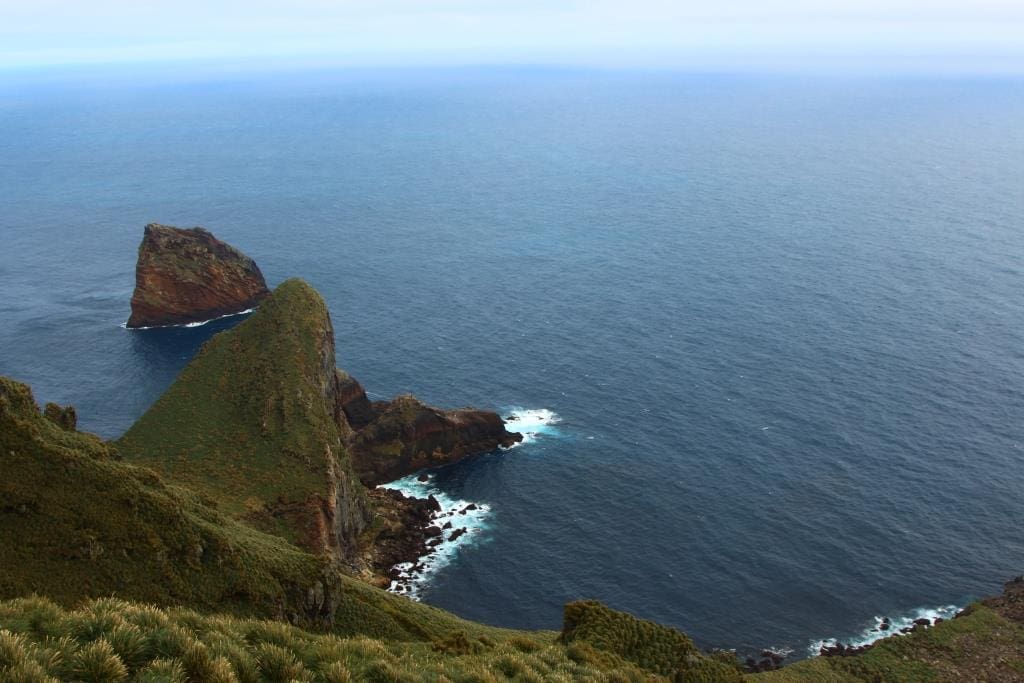
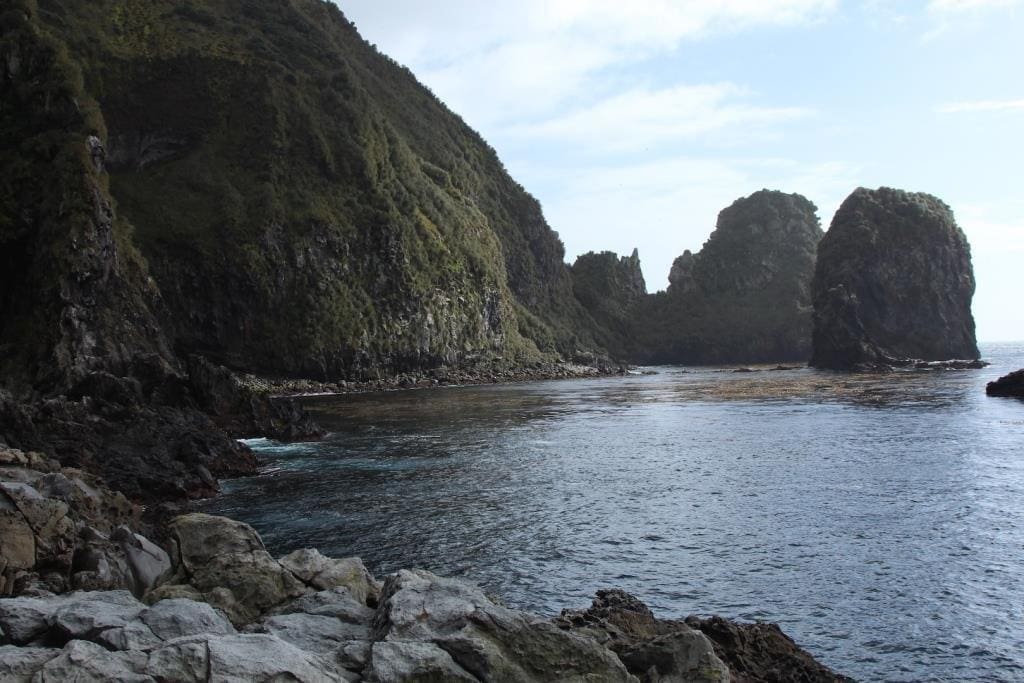
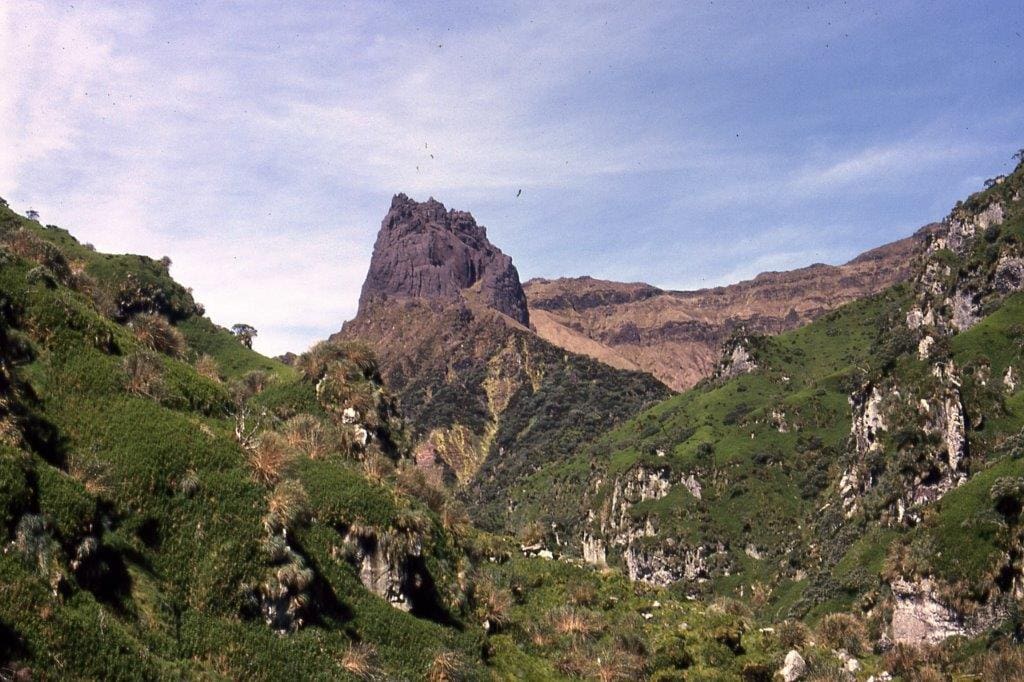
“World Heritage Day or the International Day of Monuments and Sites has always been an occasion to reflect upon – and often visit – heritage sites that are important to us. This year, during the Covid-19 crisis, most of us can only enjoy our heritage online, through virtual visits and tours, as well as social media posts.” – UNESCO (Visit the ALSA archive and the SANAP website photo galleries to see images)
Owing largely to its spectacular abundance of seabirds, and its unusual and reputedly pristine landscape, Gough Island was declared a wildlife reserve under the Tristan da Cunha Conservation Ordinance of 1976, gained Scientific/Strict Nature Reserve Status under IUCN Category I in 1985, was inscribed on the IUCN World Heritage list (under criteria iii, iv) in 1995, and in 1997 became a nature reserve under the Tristan da Cunha Conservation (Amendment) Ordinance. The nature reserve now encompasses a 12 nautical mile zone around the shore. Activities on Gough Island and in the surrounding waters are regulated by formal ordinances of Tristan da Cunha, including those for Conservation, for Export and Import Control, and for Fisheries Limits, and by the adoption of a formal manage1nent plan. (From “Gough Island; a Natural history” by C Hanel, SL Chown and KJ Gaston)
The Gough and Inaccessible Islands World Heritage Site Management Plan focuses on identifying priority actions for the conservation of the property over a five year period, and does not supersede the two existing Management Plans for Gough and Inaccessible Islands. Separate zoning strategies for Gough and Inaccessible Islands have been developed. On Gough, there are Logistic, Marine, Scientific research, and Conservation zones; on Inaccessible there are Accommodation, Natural, Wilderness, and Marine zones. Within these various areas, defined in detail in the respective Management Plans, certain activities are constrained or allowed. A single zoning strategy is needed covering the whole World Heritage property, including the marine area. –UNESCO
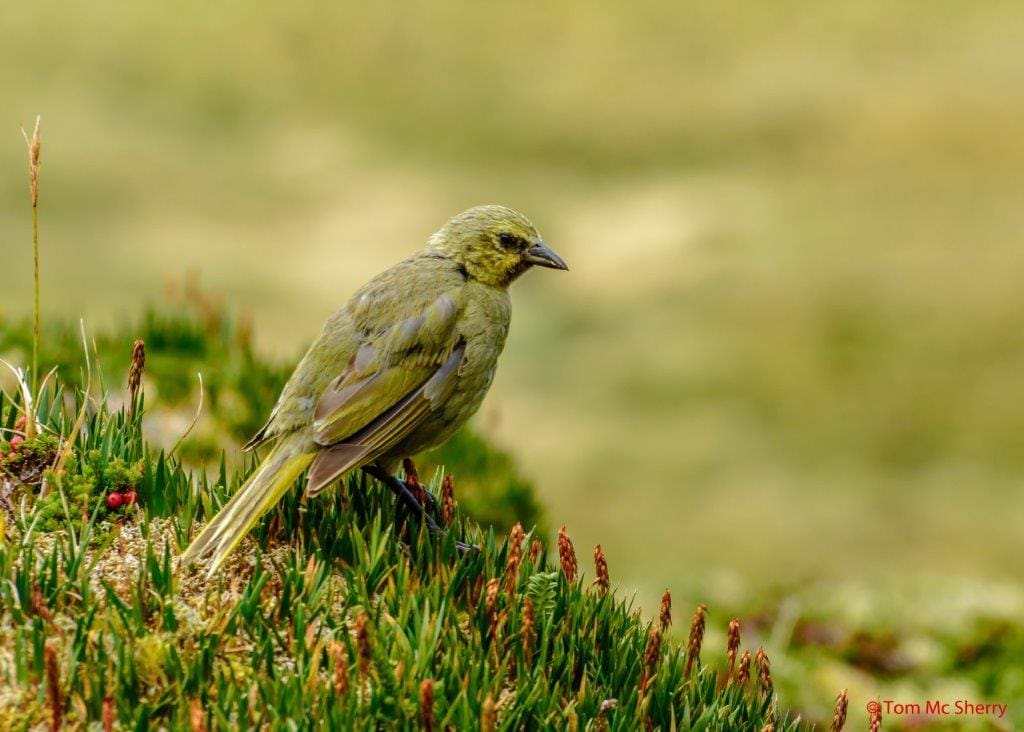
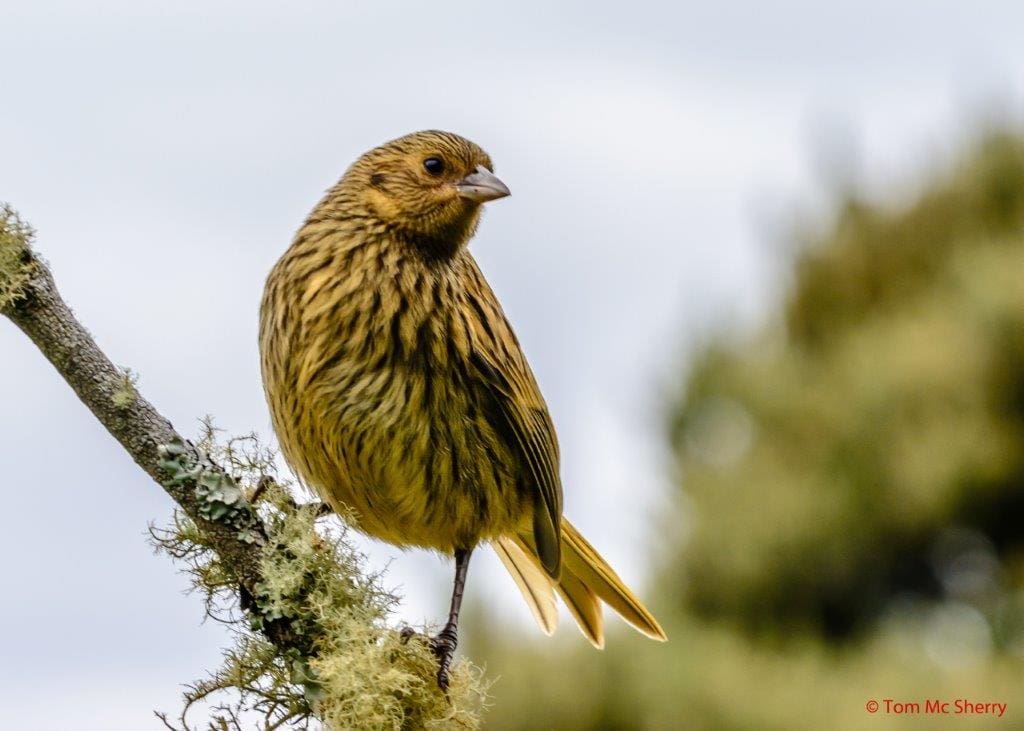
The site, located in the south Atlantic, is one of the least-disrupted island and marine ecosystems in the cool temperate zone. The spectacular cliffs of Gough, towering above the ocean, are home to one of the world’s largest colonies of sea birds. Gough Island is home to two endemic species of land birds, the Gallinule Comeri (Gough Moorhen-below left)and the Gough Rowettia Goughhensis (Gough Finch- below middle,right), as well as to 12 endemic species of plants.
Although now most widely known as a haven for seabirds and an important conservation area in the Southern Ocean, the island has long caught the attention of mariners and adventurers. At first, the island was appreciated as a source of perennial fresh water, whilst later its strategic position, unusual terrestrial flora and fauna, and marine living resources have proven the attraction.
Its position in the path of cold fronts generated in the far Southern Ocean and on their way to South Africa has meant that the conditions experienced at Gough Island serve as an early warning for those that can be expected in South Africa and along the Cape sea route. for this reason, a South African meteorological station has been maintained at the island in an agreement reached with the administration of Tristan da Cunha. From: “Gough Island; a Natural history” by C Hanel, SL Chown and KJ Gaston
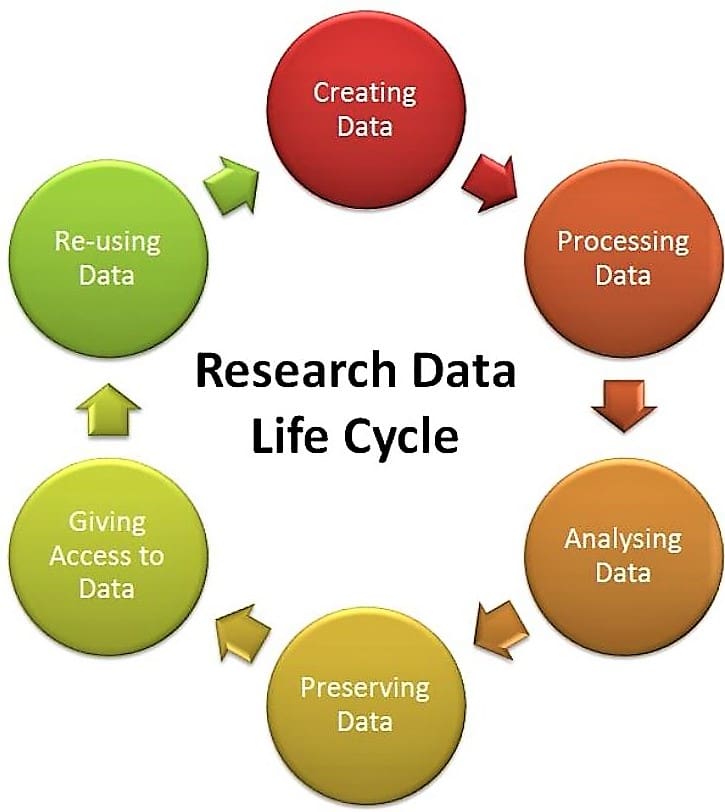
The Call for SANAP Proposal submission is 30 April. It is important that within the proposal principal investigators need to look at data management. Below information to help with the proposal.
“The amount of time and money required for coding, checking, computerizing, and documenting the data is frequently underestimated in planning a study. Successful data management depends on a sound organization that has mapped out in advance all the data preparation, processing, and documentation steps and is ready to implement these steps when data collection is about to commence. In other words, the data management system should be fully operational before the project gets buried under an avalanche of incoming data that need to be coded, checked, and entered.”Data Collection and Analysisby M Stouthamer-Loeber & W van Kammen .
The Marine and Antarctic Research Strategy (2016) states that “Data transfer, access and reliability remain a challenge when working in this research sector. Proper centralized management of data emanating from the ocean, Antarctica and the Islands is required to meet both national and international data requirements. Systems that make the data available to national and international users are required. This would require appropriate management, so as to guarantee the integrity of the data. Obviously, reliable access to this data would also be critical.”
The South African Antarctic and Southern Ocean Research Plan. 2014-2024 highlights data dynamics within SANAP. “Data transfer, access and reliability remain a challenge when working in the region. Proper centralized management of data emanating from the Southern Ocean and Antarctic is required, to meet both national and international data requirements. Systems that make the data available to national and international users are required. This would require appropriate management, so as to guarantee the integrity of the data. Obviously, reliable access to this data would also be critical.”
Scientific Committee on Antarctic Data Management. “Data and information are valuable and irreplaceable resources. Proper management of data and information is not an “add-on” or an additional task; it is a fundamental aspect of modern science”.
From the Department of Science and Innovation: “To complement the focus on global infrastructure in South Africa, a South African Research Infrastructure Roadmap (SARIR) has been developed to facilitate a research infrastructure investment programme. At the very least, information and communication technologies and data management services will be a fundamental part of every type of research infrastructure. Data-driven science implies that many of the research teams will base their scientific activity on the processing of collected data and remote access. Data management services are therefore essential to ensure the competitiveness of research groups.”
NICIS And DIRISA Function within the department of Science and Innovation. The Data Intensive Research Initiative of South Africa(DIRISA) forms part of the National Integrated Cyber Infrastructure System(NICIS). DIRISA aims to Implement a Certified Trusted Repository for research data and to operationally deploy and maintain data services and virtual research environments. They aim to initiate the establishment of federated data repositories. DIRISA is required to formulate national strategic frameworks for data intensive research and data stewardship
The Research Management Services of South Africa provide support for qualitative Data Analysis. Qualitative data analysis for empirical and theoretical data for students and staff using ATLAS.ti. They offer analysis for any research project that includes code qualitative data, categorise data, provide thematic reports and offer advice on how to interpret these themes by invoking the theory/literature. (Contact info@rms-sa.org)
Research Data Alliance announce that with the recent cancellation of Plenary 15 in Melbourne, Australia, the local organising committee, RDA Technical Advisory Board and RDA Secretariat the RDA Virtual Plenary 15 (VP 15), taking place 18 March – 10 April 2020. VP 15 will offer remote access to many of the sessions that were planned to take place in Melbourne.

 Department of Environment Forestry and Fisheries : Media Statement – 15 September 2020 : SA Agulhas II will depart for Gough Island under strict health protocols:
 Gough Island, some 2600 km south-west of Cape Town, is very strategic for South Africa’s weather observations and forecasting. The weather data collected at Gough and Marion Islands and at SANAE IV on Antarctica, is important for the navigation of passing vessels, warning South Africa of impending severe weather systems (in the case of Gough Island), as well as providing insight into climate change. These datasets are also key to improving the accuracy of our global and regional weather forecast models.



 CAREER OPPORTUNITY – Post Doctoral Fellowships. The Council for Scientific and Industrial Research (CSIR) is a leading scientific and technology research organisation that researches, develops, localises and diffuses technologies to accelerate socio-economic prosperity in South Africa. The organisation’s work contributes to industrial development and supports a capable state.
 The CSIR has three opportunities for Post-Doctoral Fellowships in the Southern Ocean Carbon and Climate Observatory programme (SOCCO), within the Smart Places cluster, and hosted at the Marine Institute (Ma-Re), UCT. The purpose of the fellowships is to conduct research in line with three H2020 projects in which SOCCO is a partner. The positions are offered as a two-year contract with the possibility of extension for a third year. These opportunities are based in Rosebank, Cape Town. For more information about the programme and cluster please visit


 Marion 77 will depart today from East Pier to Marion Island. In a press release Minister Creecy (see below) stated that :” As a result of the lockdown and as per announcement of the President, the voyage planning and arrangements have to be reconfigured to minimise risks;
 Listen to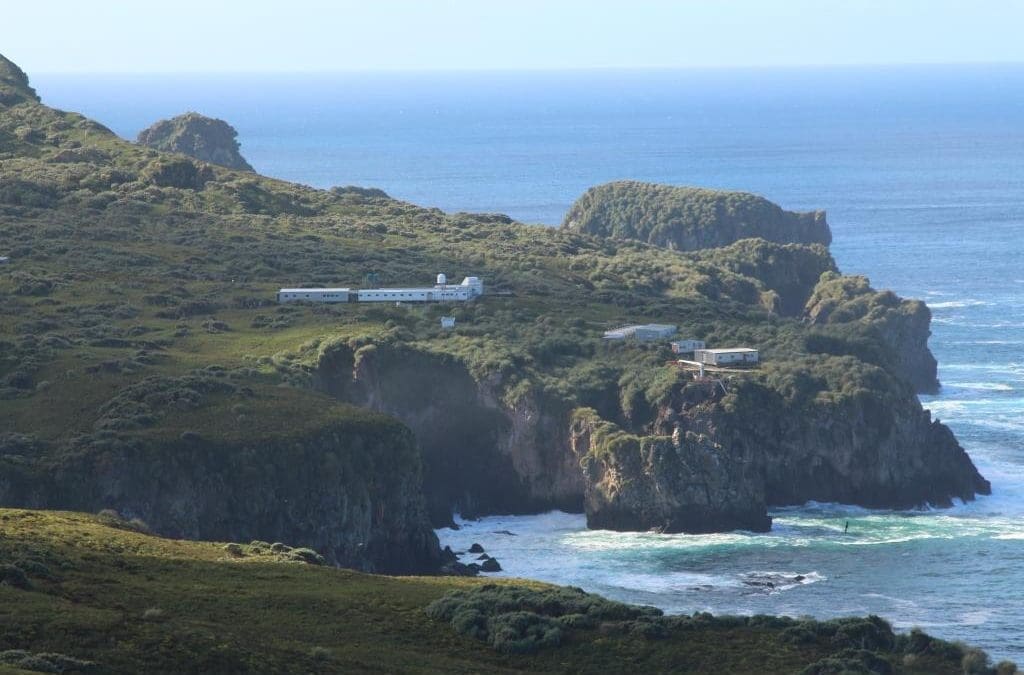
 “World Heritage Day or the International Day of Monuments and Sites has always been an occasion to reflect upon – and often visit – heritage sites that are important to us. This year, during the Covid-19 crisis, most of us can only enjoy our heritage online, through virtual visits and tours, as well as social media posts.” – UNESCO (Visit the ALSA archive and the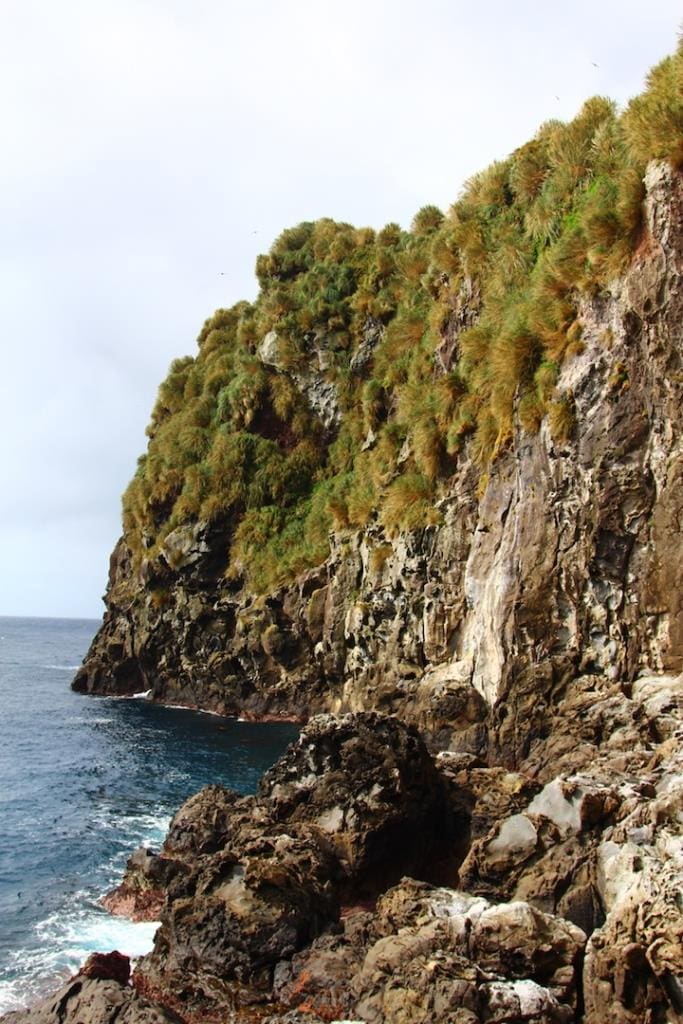
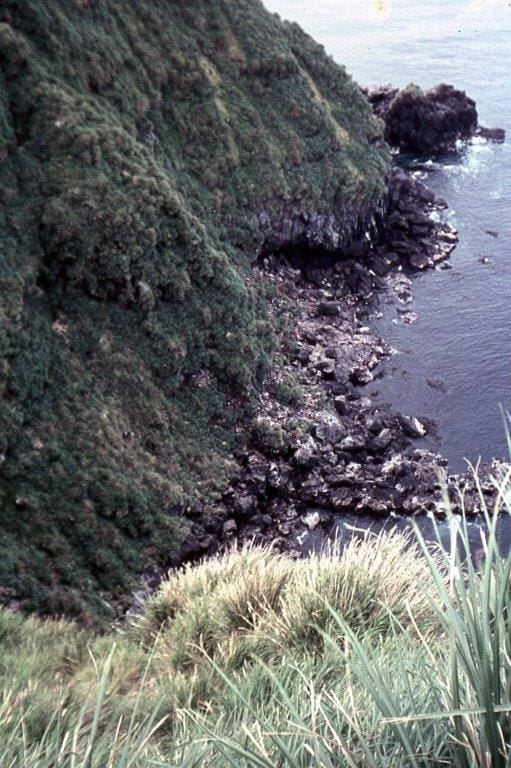
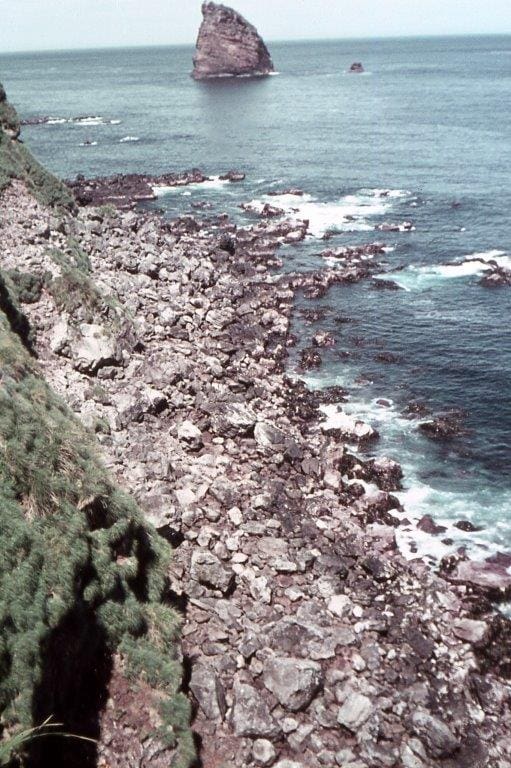
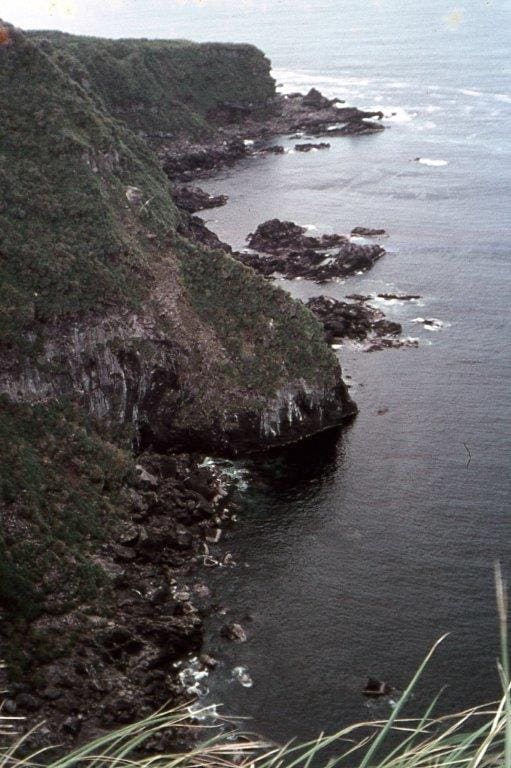 The Gough and Inaccessible Islands World Heritage Site Management Plan focuses on identifying priority actions for the conservation of the property over a five year period, and does not supersede the two existing Management Plans for Gough and Inaccessible Islands. Separate zoning strategies for Gough and Inaccessible Islands have been developed. On Gough, there are Logistic, Marine, Scientific research, and Conservation zones; on Inaccessible there are Accommodation, Natural, Wilderness, and Marine zones. Within these various areas, defined in detail in the respective Management Plans, certain activities are constrained or allowed. A single zoning strategy is needed covering the whole World Heritage property, including the marine area. –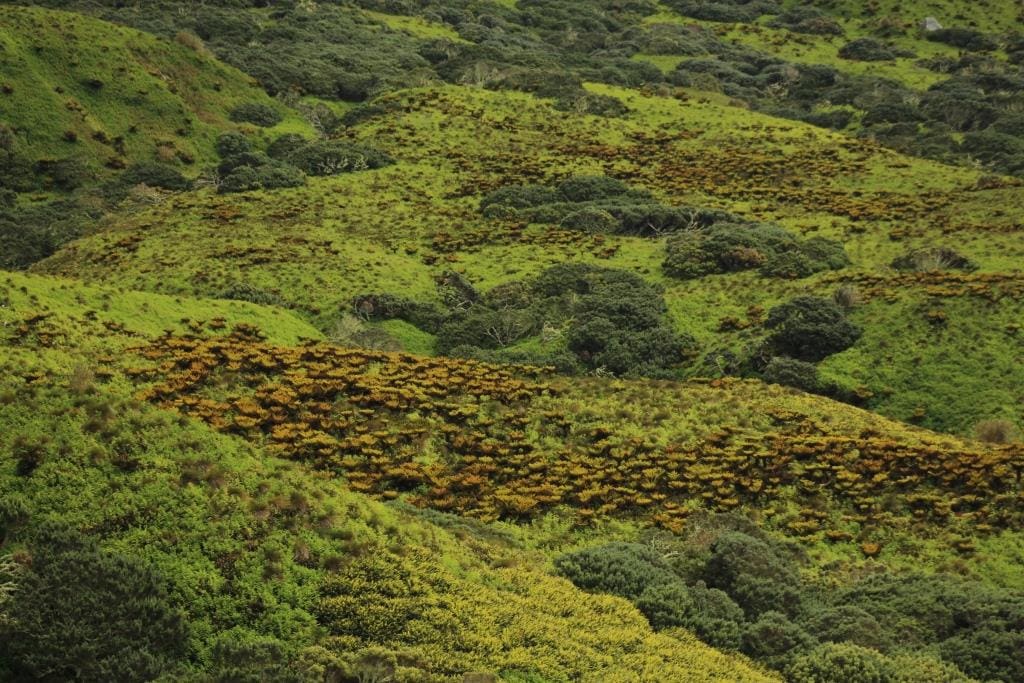
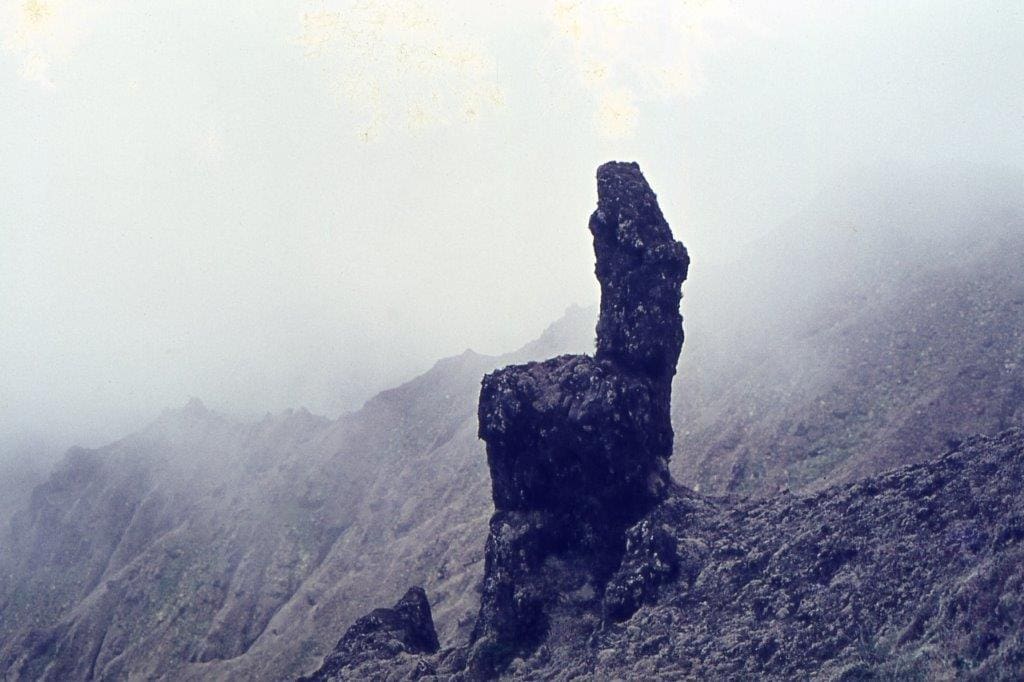
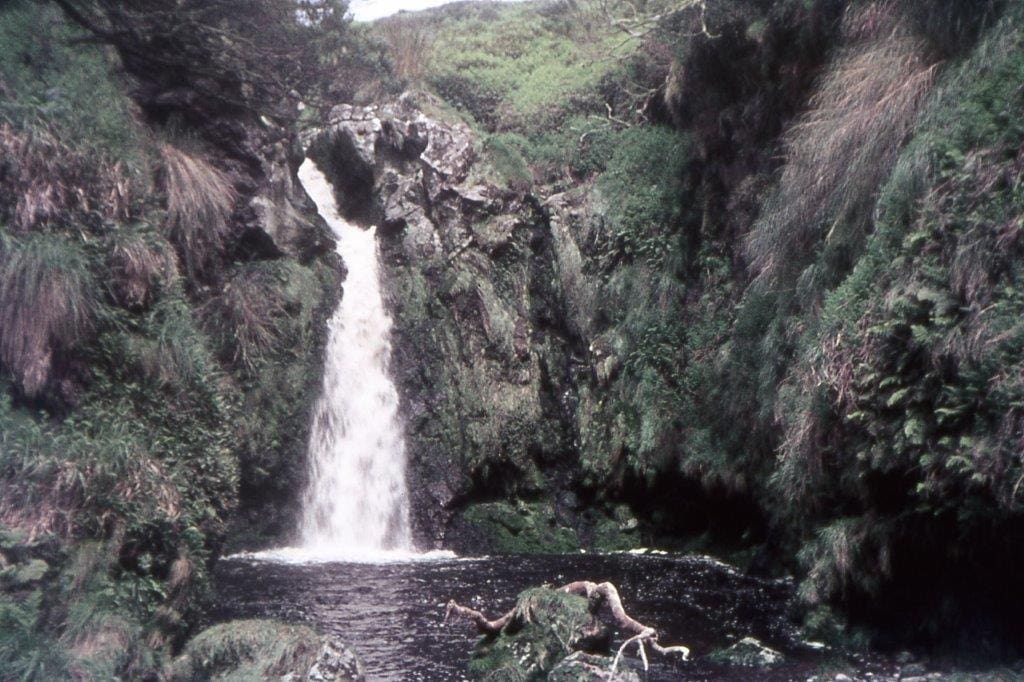 The site, located in the south Atlantic, is one of the least-disrupted island and marine ecosystems in the cool temperate zone. The spectacular cliffs of Gough, towering above the ocean, are home to one of the world’s largest colonies of sea birds. Gough Island is home to two endemic species of land birds, the Gallinule Comeri (Gough Moorhen-below left)and the Gough Rowettia Goughhensis (Gough Finch- below middle,right), as well as to 12 endemic species of plants.
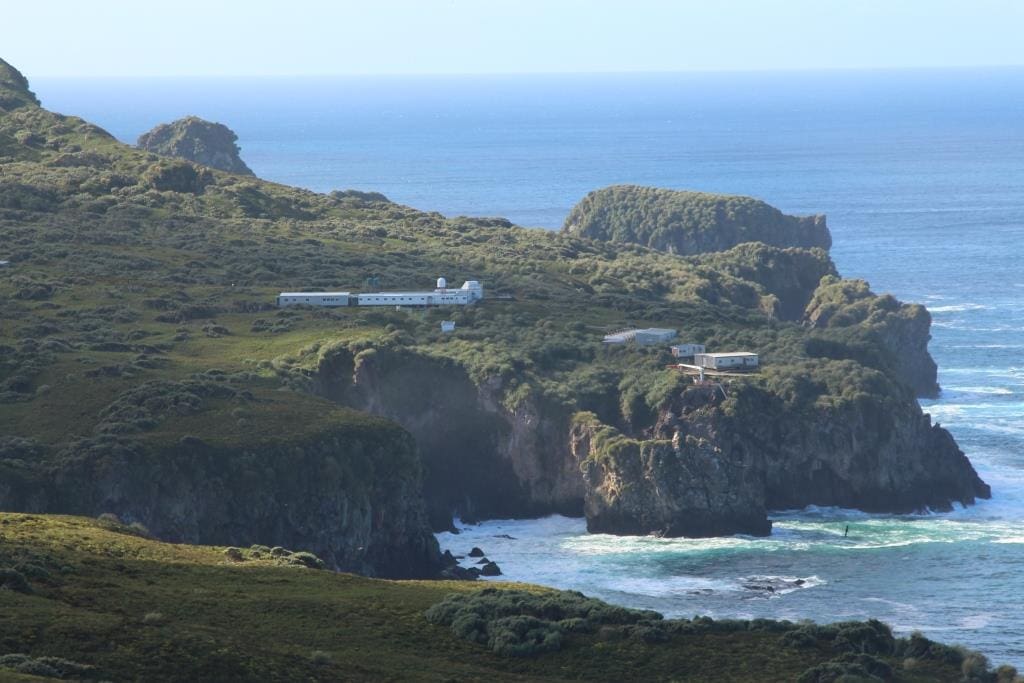 Its position in the path of cold fronts generated in the far Southern Ocean and on their way to South Africa has meant that the conditions experienced at Gough Island serve as an early warning for those that can be expected in South Africa and along the Cape sea route. for this reason, a South African meteorological station has been maintained at the island in an agreement reached with the administration of Tristan da Cunha. From: “Gough Island; a Natural history” by C Hanel, SL Chown and KJ Gaston
 The Call for
  The
The  From the Department of Science and Innovation: “To complement the focus on global infrastructure in South Africa, a
 Trusted Repository for research data and to operationally deploy and maintain data services and virtual research environments. They aim to initiate the establishment of federated data repositories. DIRISA is required to formulate national strategic frameworks for data intensive research and data stewardship
 The Research Management Services of South Africa provide support for qualitative Data Analysis. Qualitative data analysis for empirical and theoretical data for students and staff using
  local organising committee, RDA Technical Advisory Board and RDA Secretariat the