by Ria Olivier | Feb 9, 2026 | Antarctica, Engineering, geochemistry, Research, SANAP
The Duration: Life and Science on the Fimbulisen Ice Shelf
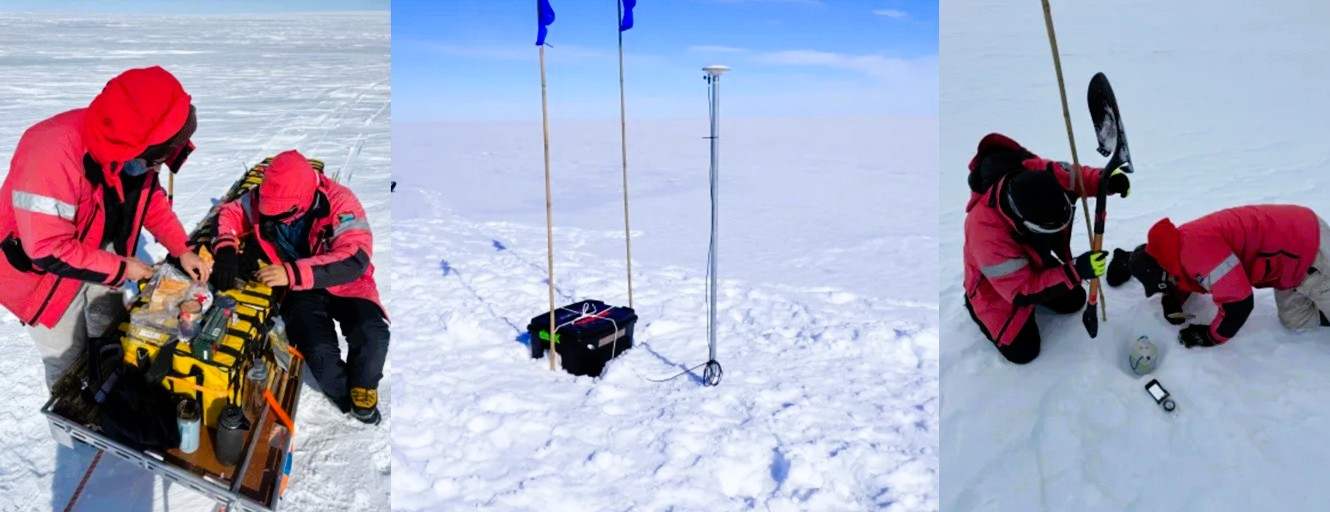 Through mid- and late January, the team balanced demanding science with the realities of Antarctic fieldwork. GNSS stations positioned around major basal crevasses provided precise measurements of ice motion and fracture growth, helping assess the risk of large calving events. Complementary radar surveys quantified changes in ice thickness, supplying key inputs for ice-shelf flow models.
Seismic surveys used arrays of geophones and controlled energy sources to image the ice shelf and the ice–ocean interface. Drone-based ground-penetrating radar revealed the structure and evolution of deep basal crevasses, building on data from the previous season.
Fieldwork was frequently interrupted by severe storms, including wind gusts exceeding 120 km/h. Despite delays, the team adapted schedules and used downtime for maintenance and data checks. A major milestone was the first deployment of SAR corner reflectors on an Antarctic ice shelf, enabling highly accurate satellite tracking of ice motion.
Together, these measurements produced a unique dataset capturing both surface and subsurface behaviour of the Fimbulisen Ice Shelf.
Full Article
by Ria Olivier | Feb 7, 2026 | Antarctica, Engineering, geochemistry, Research, SANAP
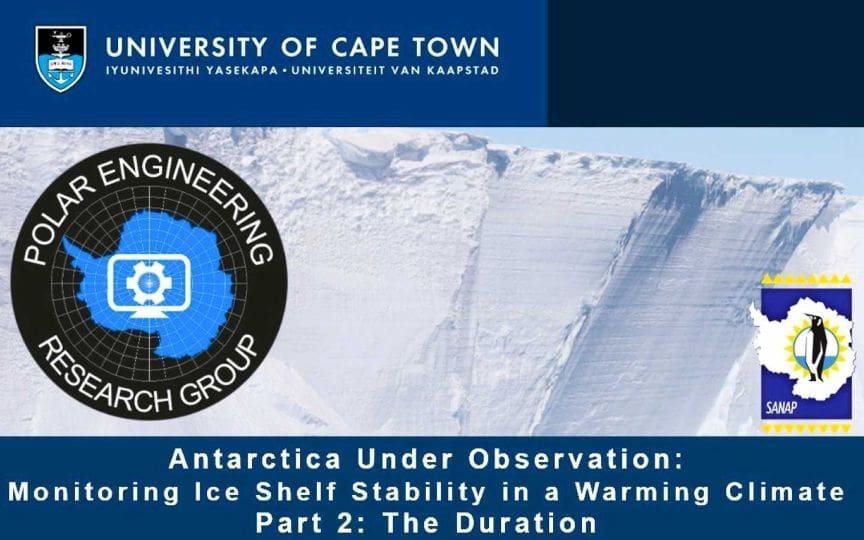
Monitoring Antarctic Ice Shelf Stability. Antarctic ice shelves play a critical role in controlling future sea-level rise.
In January 2026, an international research team began the second field campaign of Structural Glaciological Analysis of the Antarctic Ice Shelves, supported by the National Research Foundation and the South African National Antarctic Programme (SANAP). Led by the University of Cape Town’s Polar Engineering Research Group, the project combines expertise in engineering, geophysics, and glaciology.
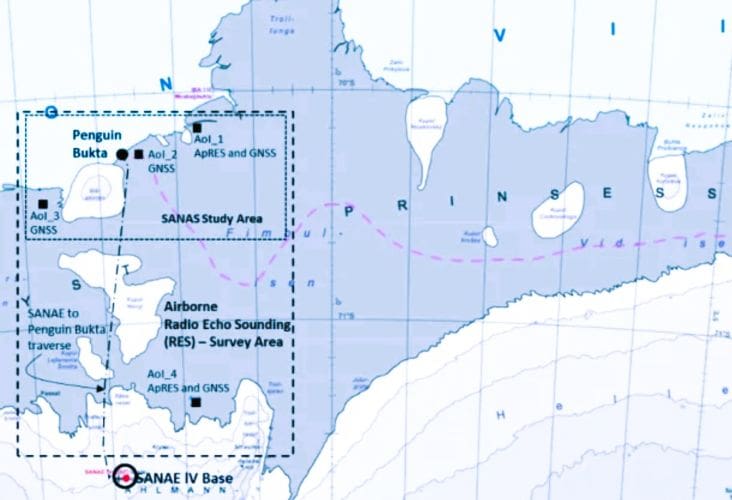
The focus is the western Fimbulisen Ice Shelf , which regulates ice flow from the Antarctic interior into the Southern Ocean via the Jutulstraumen Glacier. Changes in its stability directly affect ice discharge and global sea level.
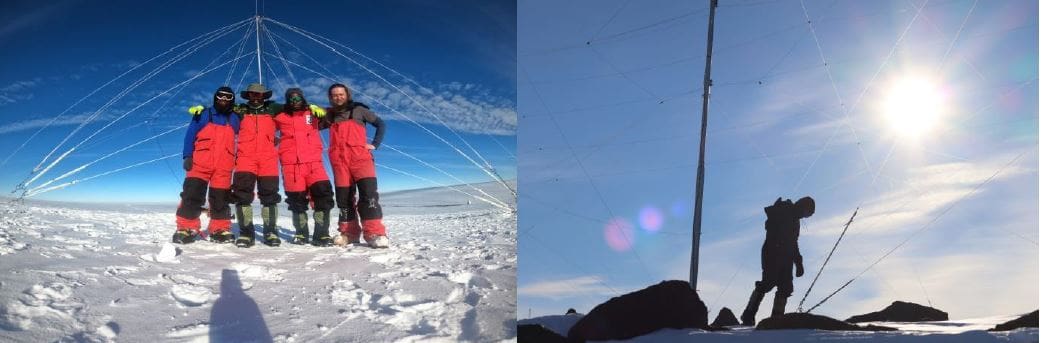
The SANAP 2025/2026 team arrived aboard SA Agulhas II on 11 January 2026 and established a field camp on the ice shelf. Early work centred on retrieving data from permanent GNSS stations and phase-sensitive radar instruments measuring ice motion, thickness, and basal melt.
These efforts marked the start of five intensive weeks of fieldwork aimed at understanding how Antarctic ice shelves respond to a warming climate.
Full Article
by Ria Olivier | Oct 2, 2025 | Antarctica, Engineering, Jobs, Research, SANAE, Science
Programme: Space Science: Volunteer
This is a unique opportunity for individuals with a scientific and/or engineering background, who are eager for an extraordinary experience in a remote Antarctic environment. We are currently assembling a team to participate in the annual relief expedition to SANAE IV, Antarctica. The SANAE IV station in Antarctica lies at 71°S, 2°W – 4280 km from East Pier in Cape Town Harbour. (Photo above taken in 2022 during the annual relief voyage)
Successful candidates will embark on the SA Agulhas II, South Africa’s polar research and supply vessel, for a voyage of approximately 14 days to Antarctica. Upon arrival, they will be stationed at the SANAE IV research base for the entire relief period. Volunteers will work under the guidance of the Group Leader/Senior Engineer, assisting with critical infrastructure maintenance, scientific instrument servicing, and logistical operations during the expedition.
Voyage Dates: 9 December 2025 – 9 February 2026 (TBC)
For more information: Click Here
by Ria Olivier | Mar 1, 2024 | Antarctica, Engineering, Research, SANAP, SANAP Student
The last session on research themes were earth observations within the Marine and Antarctic Research Strategy research themes. The session on Space Physics was chaired by Dr Stefan Lotz. Dr Michael Kosch was not available in person but joined online with his presentation. (Above: group photo of presenters). All the presenters are from the South African National Space Agency (SANSA) based in Hermanus.
Above(l-r): Michael Kosch, Tshimangadzo M. Matamba, Nkosinathi Masango, Pierre Cilliers, Alicreance Hiyadutuje
- Dr Michael Kosch: How blue skies auroral research created and saved billions. (abstract)
- Tshimangadzo M. Matamba: Monitoring the Impact of Space Weather using South African Near-Real Time Space Weather GNSS Products. (abstract)
- Nkosinathi Masango: Analysis of ionospheric storm effects based on GPS and ionosonde data during geomagnetic storms. (abstract)
- Dr Pierre Cilliers: The long-term variation of the geomagnetic field in Antarctica as measured in Hermanus, Maitri and at SANAE-IV since 2007. (abstract)
- Alicreance Hiyadutuje: Sporadic E layer altitude modulated by the Traveling Ionospheric Disturbances at high latitudes. (abstract)
- Dr Stefan Lotz: Observation of powerful gamma ray burst GRB221009A from Marion Island. (abstract)
by Ria Olivier | Feb 28, 2024 | Engineering, Research, SA Agulhas II, SANAP, SANAP Student
Another session within the Marine and Antarctic Research Strategy research theme : Innovation and engineering was chaired by Annie Bekker of the Sound and Vibration Group (SVG) at Stellenbosch university. This was an evening session done in a round table format and included international speakers from Finland. Prof Bekker gave an overview of the research and the sessions format tool on a round table/panel discussion. (Picture: Presenters of the session at the venue)
Above (l-r): Annie Bekker, Gerhard Durandt, Chante Van der Spuy, Nico de Koker
- Annie Bekker SA Agulhas II – Flagship for vessel 4.0. (Abstract)
- Gerhard Durandt The Development of a Structural Digital Twin for the SA Agulhas II. (Abstract)
- Chante Van der Spuy The Classification of Multi-Impact Events by the Application of Inverse Methods and Machine Learning. (Abstract)
- Nico de Koker Inversion and Extreme Value Analysis of Ice Loading on Propulsion Shaft of the SA Agulhas II. (Abstract)
Above(l-r): Micaela Melim, Ben Steyn, Brendon Nickerson, Nicole Taylor
- Micaela Melim Expanding the Capabilities of Mariner 4.0: A human-centred monitoring and research tool. (Abstract)
- Ben Steyn A Longitudinal Study of the Open-Water Performance of an Ice-Class Vessel. (Abstract)
- Brendon Nickerson Inverse calculations of ice impacts on propulsion machinery. (Abstract)
- Nicole Taylor The berth of Mariner 4.0: A human-centred monitoring and research tool. (Abstract)
International speakers join the session and Sarah Nicholson of SOCCO present on robotics innovation. JP Barnard gave a presentation on data management during the cross-theme session chaired by Anne Treasure on day 1. Above(l-r): Jukka Tuhkuri, Miko Lensu, Sarah Nicholson, JP Barnard
- Jukka Tuhkuri Ice Load measurement and ice condition monitoring onboard S.A. Agulhas II. (Abstract)
- Miko Lensu Sea ice research of Finnish Meteorological Institute. (Abstract)
- Sarah Nicholson South African Robotics and Ocean Technology Innovation Centre (SA-RobOTIC). (Abstract)
by Ria Olivier | Feb 26, 2024 | Antarctica, Biosecurity, Engineering, Mammology, Marine Protected Area, Marion Island, Research, SANAP
Dr Mia Wege chaired the session on Marine Mammals during the 6th SANAP Symposium that resorts within the Marine and Antarctic Research Strategy – ecosystems, biodiversity and biodiscovery. The session includes talks on various marine and the presentations were arranged according roughly to species and area. This Included elephant seals, fur seal, Ross seal, whales in ice, whales along the Southern African coast The session was presented in panel, discussion format, that allowed for questions form the audience. (Photo Credit: ALSA Archive)
- Dr Christian Murray: Understanding the drivers of Marion Island’s elephant seal population. (Abstract)
- Leandri de Kock: Considering individual variation when investigating marine predator behaviours during life- history events(Abstract)
- Dr Liezl Pretorius and Dr Greg Hofmeyr (presenting): Canine morphometrics as a tool for distinguishing species, sex and age in Southern Ocean fur seals(Abstract)
- Dr Mia Wege: The conveyor belt of Ross seals in the Lazarev Sea and their behaviour. (Abstract)
- Matthew Germishuizen: Sea ice declines coincide with a period of reduced reproductive success in Southern Ocean top predator (Abstract)
- Oluwaseyi Paul Babalola: Entropy-based Detection and Classification of Bryde’s Whale Vocalizations: An Approach for Understanding and Conserving an Endangered Species(Abstract)
(Above L-R: Dr Christian Murray, Leandri de Kock, Dr Greg Hofmeyr, Oluwaseyi Paul Babalola)
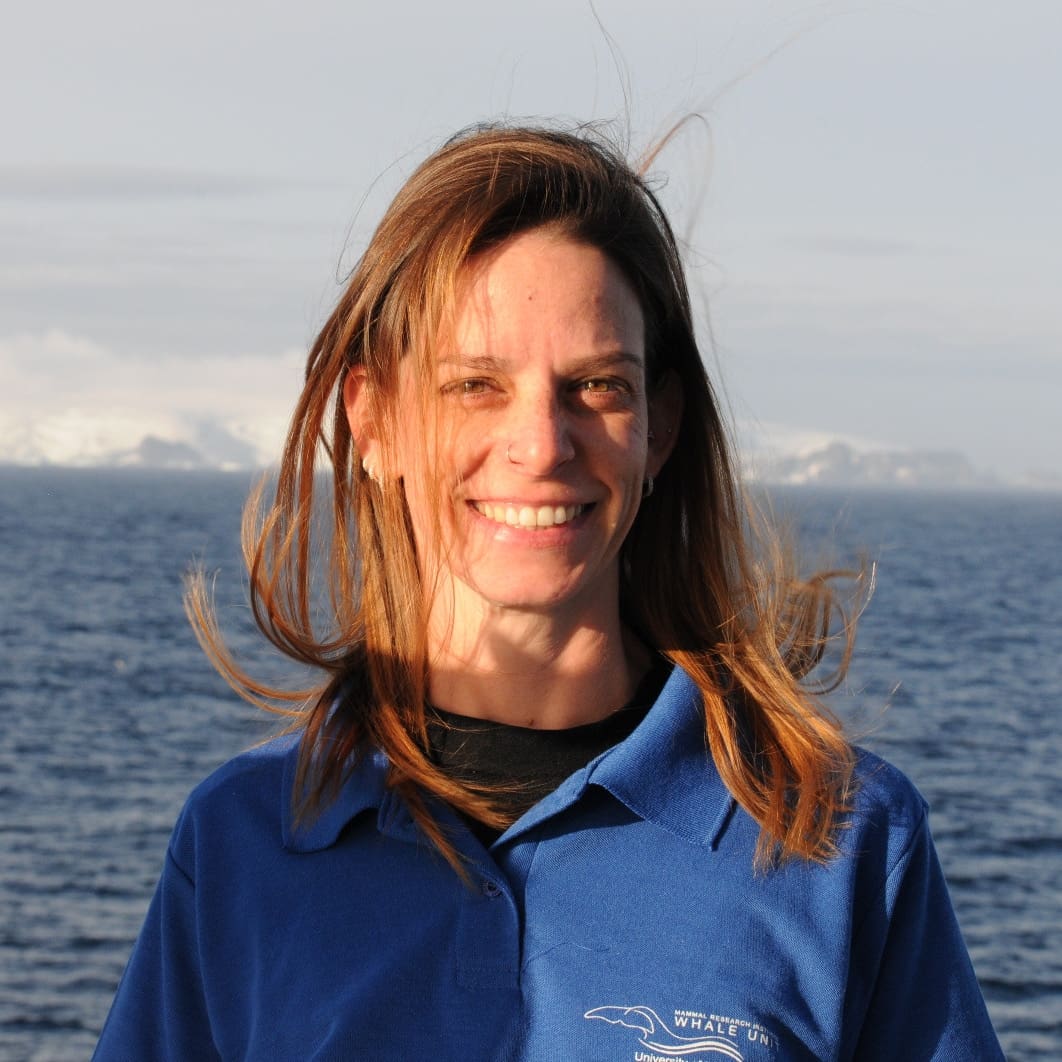
It was great to see the Mammal Research Institute Whale Unit of the University of Pretoria based in Hermanus, Western Cape represented during the symposium by Dr Els Vermeulen, Matthew Germishuizen, Elisa Seyboth and Antonia Immerz. (Above L-R)
The Prince Edward Island scientific expedition was able to join the symposium on the 30th November and Chris Oosthuizen did his presentation in the session, ‘Data Management and the Summer Survey Participants’ chaired by Dr Christel Hansen. Liezel Pretorius was also able to join the conference on the Thursday. (Above L-R: Chris Oosthuizen, Liezel Pretorius, Yinhla Shihlomuhle)
- Dr Chris Oosthuizen. Marine predators: ecosystem sentinels that help inform Southern Ocean management. (Abstract)
An initiative by Mia Wege was to use the SANAP symposium to bring all “bio loggers/trackers” together, that included researchers who tag animals, mostly top predators across the globe. The purpose was to get some structure going and talk about a potential larger workshop specifically for the entire community. The meeting was well represented, and this was a great opportunity used.
Two of the Principal investigators of the project were able to attend the symposium. ( Nico de Bruyn(left) – University of Pretoria and Jaco Versfeld (Right) Stellenbosch University)
 Monitoring Antarctic Ice Shelf Stability. Antarctic ice shelves play a critical role in controlling future sea-level rise.
 Programme: Space Science: Volunteer
  This is a unique opportunity for individuals with a scientific and/or engineering background, who are eager for an extraordinary experience in a remote Antarctic environment. We are currently assembling a team to participate in the annual relief expedition to SANAE IV, Antarctica. The SANAE IV station in Antarctica lies at 71°S, 2°W – 4280 km from East Pier in Cape Town Harbour. (Photo above taken in 2022 during the annual relief voyage)
 Successful candidates will embark on the SA Agulhas II, South Africa’s polar research and supply vessel, for a voyage of approximately 14 days to Antarctica. Upon arrival, they will be stationed at the SANAE IV research base for the entire relief period. Volunteers will work under the guidance of the Group Leader/Senior Engineer, assisting with critical infrastructure maintenance, scientific instrument servicing, and logistical operations during the expedition.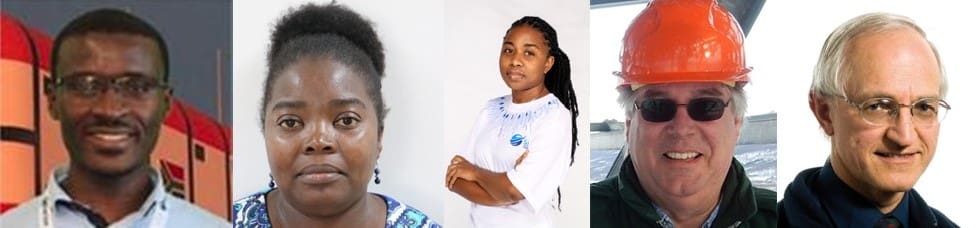


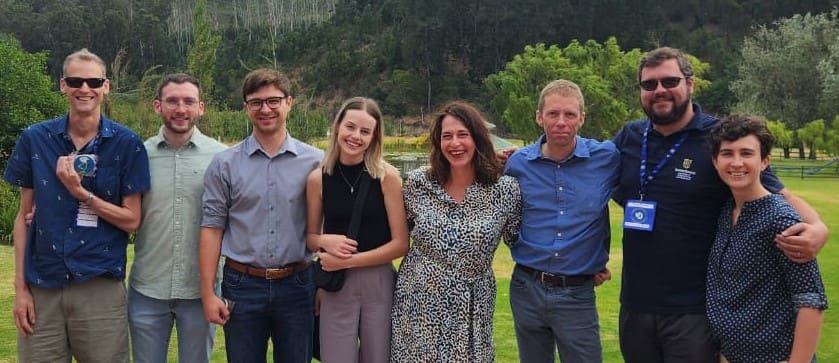
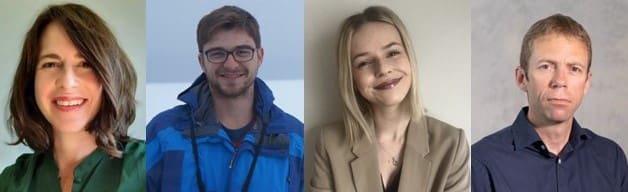 Above (l-r): Annie Bekker, Gerhard Durandt, Chante Van der Spuy, Nico de Koker
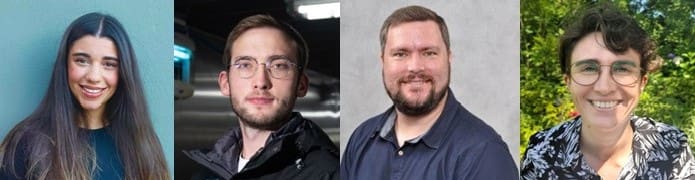 Above(l-r): Micaela Melim, Ben Steyn, Brendon Nickerson, Nicole Taylor
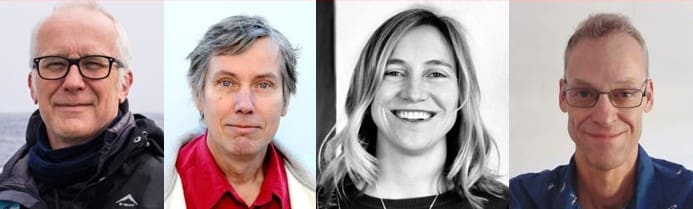 International speakers join the session and Sarah Nicholson of SOCCO present on robotics innovation. JP Barnard gave a presentation on data management during the cross-theme session chaired by Anne Treasure on day 1. Above(l-r): Jukka Tuhkuri, Miko Lensu, Sarah Nicholson, JP Barnard
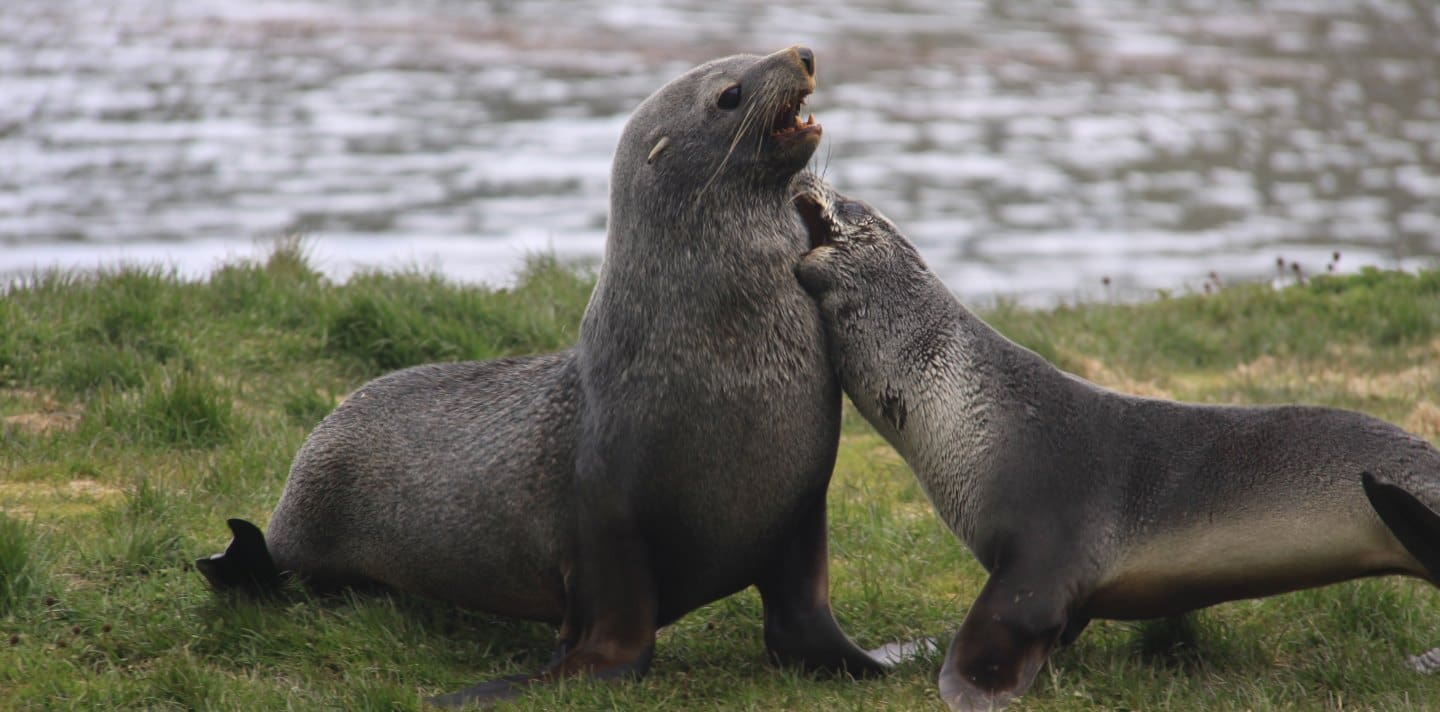
 Dr Mia Wege chaired the session on Marine Mammals during the 6th SANAP Symposium that resorts within the Marine and Antarctic Research Strategy – ecosystems, biodiversity and biodiscovery. The session includes talks on various marine and the presentations were arranged according roughly to species and area. This Included elephant seals, fur seal, Ross seal, whales in ice, whales along the Southern African coast The session was presented in panel, discussion format, that allowed for questions form the audience. (Photo Credit: ALSA Archive)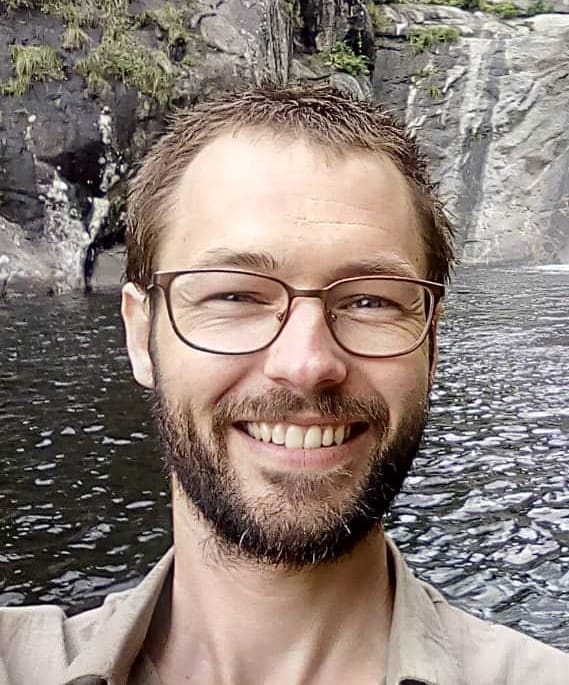

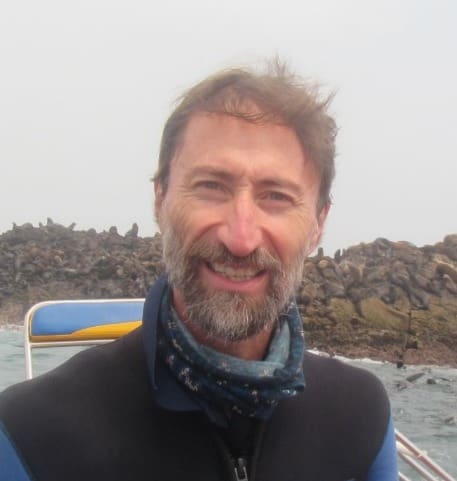






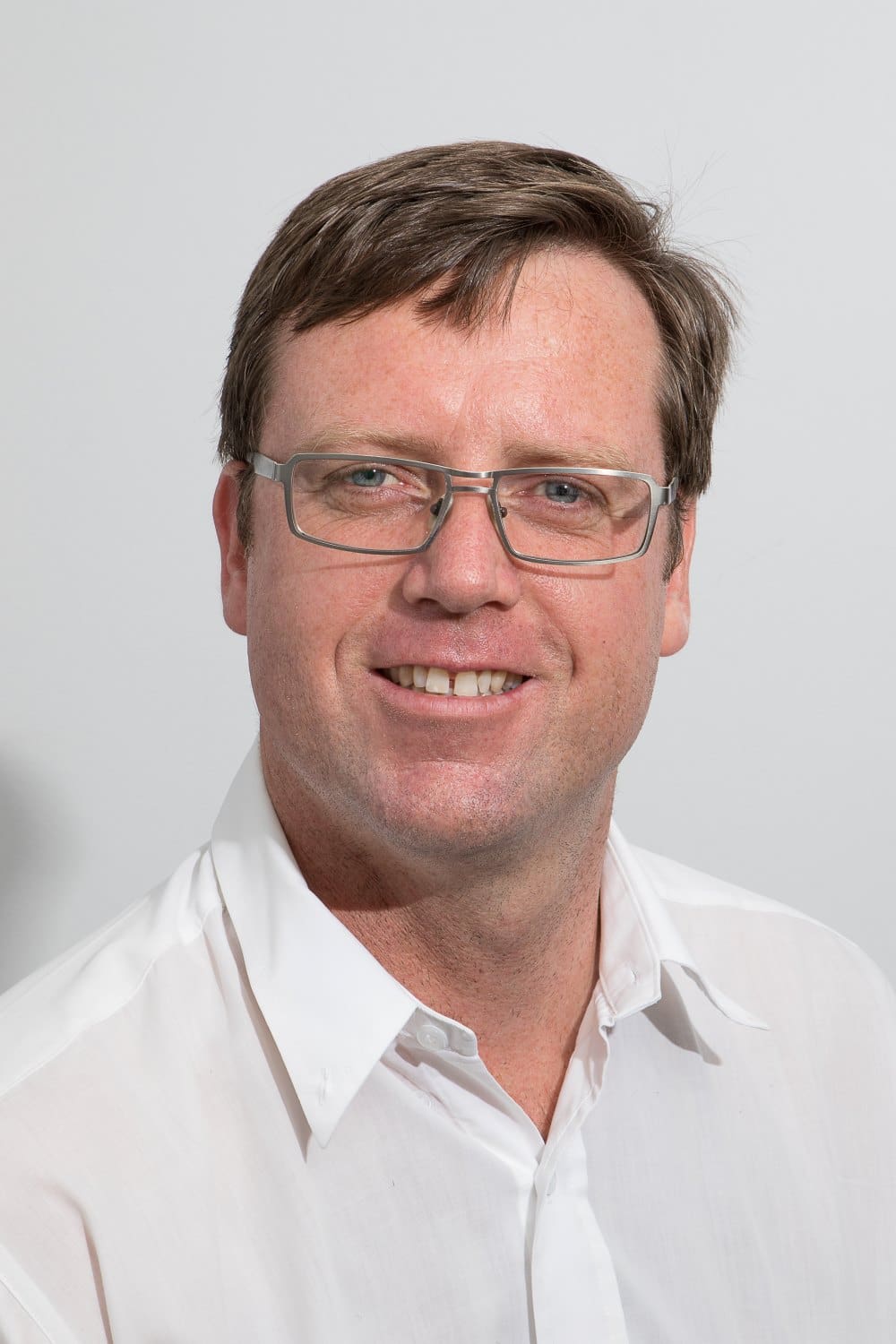 Two of the Principal investigators of the project were able to attend the symposium. ( Nico de Bruyn(left) – University of Pretoria and Jaco Versfeld (Right) Stellenbosch University)