
South African Polar Research Infrastructure (SAPRI): Feedback and start of the Preparatory Phase
 South African Polar Research Infrastructure (SAPRI): Launch of the Preparatory Phase

 The SAPRI team is pleased to inform you that the contractual agreement for the starting of the SAPRI implementation phase is being finalized between the Department of Science and Innovation (DSI) and National Research Foundation of South Africa (NRF). We have now entered the Preparatory Phase of SAPRI’s operationalisation and interim measures are being put in place to ensure progress is made. Until the formal signature of the contract, the SAPRI cannot officially initiate Phase 1, but in the interim the Preparatory Phase will continue the conceptual design of the RI and predispose priority actions with the support of the community.

 These achievements would not have been possible without the trust demonstrated by the scientific SANAP community towards the SAPRI team, the contribution and constructive support of the DFFE Oceans & Coasts Branch managing the SANAP logistics, and the commitment to collaborate offered by other institutions that have historically been involved in polar research. This gestation and birth of SAPRI is a major advancement to streamline, consolidate and grow the South African polar sciences, and represent a systemic innovation to maximize the investments of the various governmental institutions involved. The SAPRI will officially start from the advantageous position of being incubated within South African Environmental Observation Network (SAEON), which will fast-track the establishment of the governance and of the consortium agreements.
 The launch of the SAPRI Preparatory Phase was announced via a webinar and a Q&A session to illustrate the main aspects of SAPRI, its organization into integrated facilities, and the first steps of the implementation phase listed in the business plan. To accelerate the implementation phase, it is proposed to initiate an informal Preparatory Phase of SAPRI and to discuss the following actions with the community of stakeholders:
- Establishment of the User Fora overseeing the requirements of the integrated facilities.
- Implementation of the Task Team for the reorganization of SANAP within the NRF.
- Consultation and discussion on the implementation steps for the Polar Science Transformation Plan.
- Establishment of the DFFE-SAPRI Task Team for assisting with science-related logistics. This will include discussions around the SA Agulhas II dry dock scheduled for November 2021.
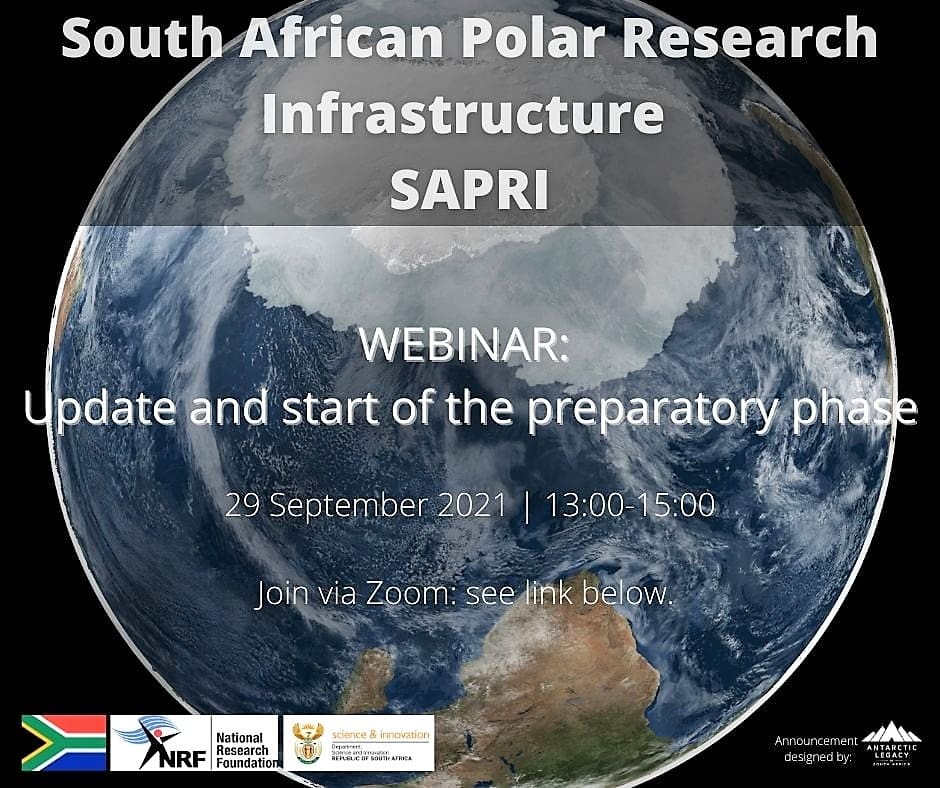 The virtual webinar took place on 29th September 13:00-15:00 and was led by the SAPRI team; Tamaryn Morris, Marcello Vichi, Juliet Hermes, Johannes Pauw.
- Overview of SAPRI
- Current status, Business Plan priorities, budget requirements and transformation actions
- Q&A
- Preparatory phase
The following links are available to the Antarctic Legacy of South Africa Archive of the webinar recordings and presentations of the South African Polar Research Infrastructure (SAPRI): launch of the Preparatory Phase:
- Announcement (details of webinar)
- Full recording (unedited)
- Text transcript (unedited)
- Audio recording (unedited)
- Presentation(pdf) by Marcello Vichi and Tamaryn Morris
- Presentation(pdf) by Juliet Hermes
- South African Polar Research Infrastructure (SAPRI) Proposal
IMPORTANT documents related to and to be read together with SAPRI proposal available on ALSA archive:

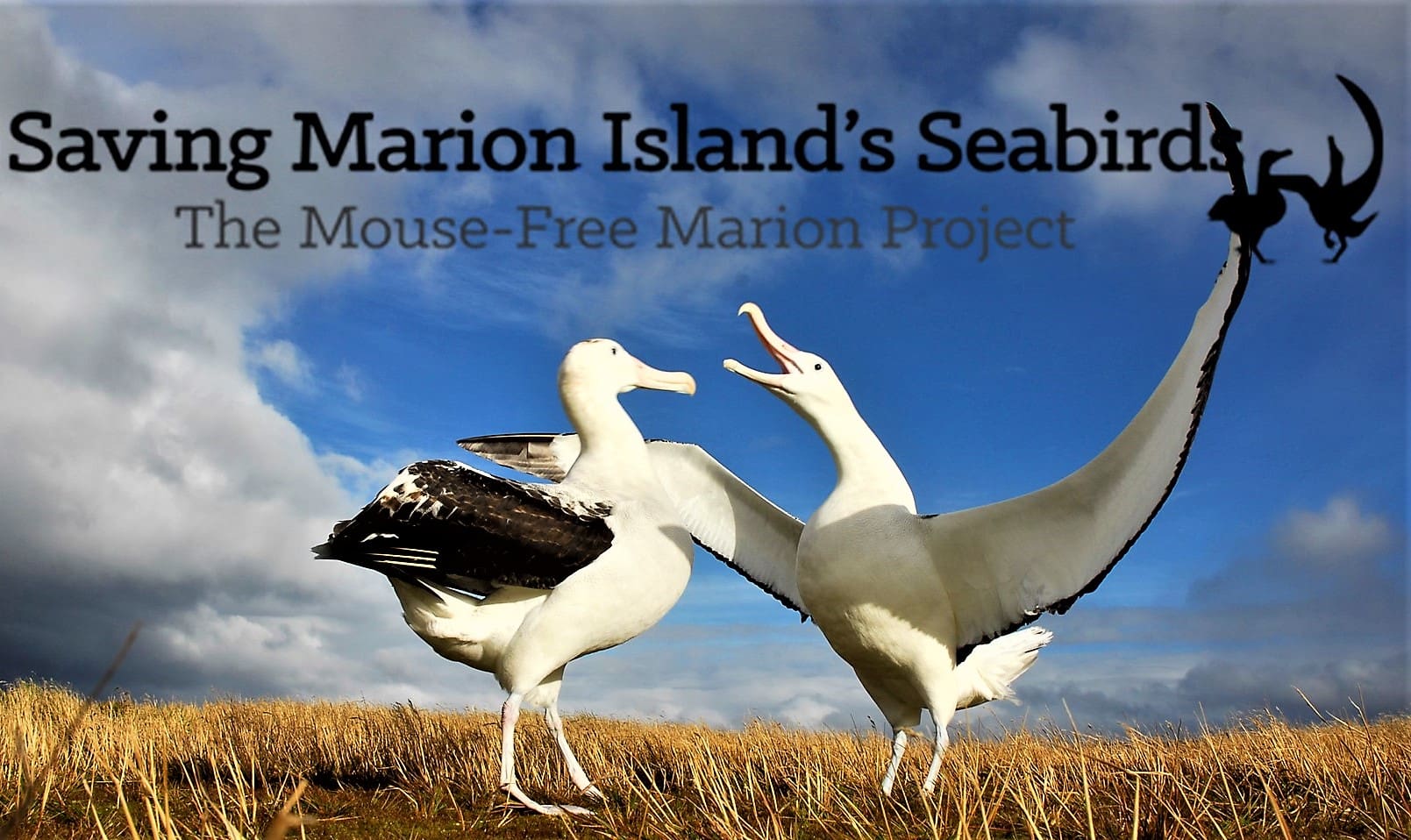 The 1st of August 2021 represents Africa’s first ever Marine Protected Area Day. “A Marine Protected Area (MPA) is an area of coastline or ocean that is specially protected for the benefit of people and nature The rich diversity of coastal and ocean ecosystems in South Africa are protected through a network of MPAs. Prior to 2019, there were 25 formally declared MPAs including 23 permanent coastal MPAs, including the large Prince Edward Islands (PEIs) MPA in the Southern Ocean. Thirty percent of South Africa’s territory in the Southern Ocean is protected by Prince Edward Islands MPA-
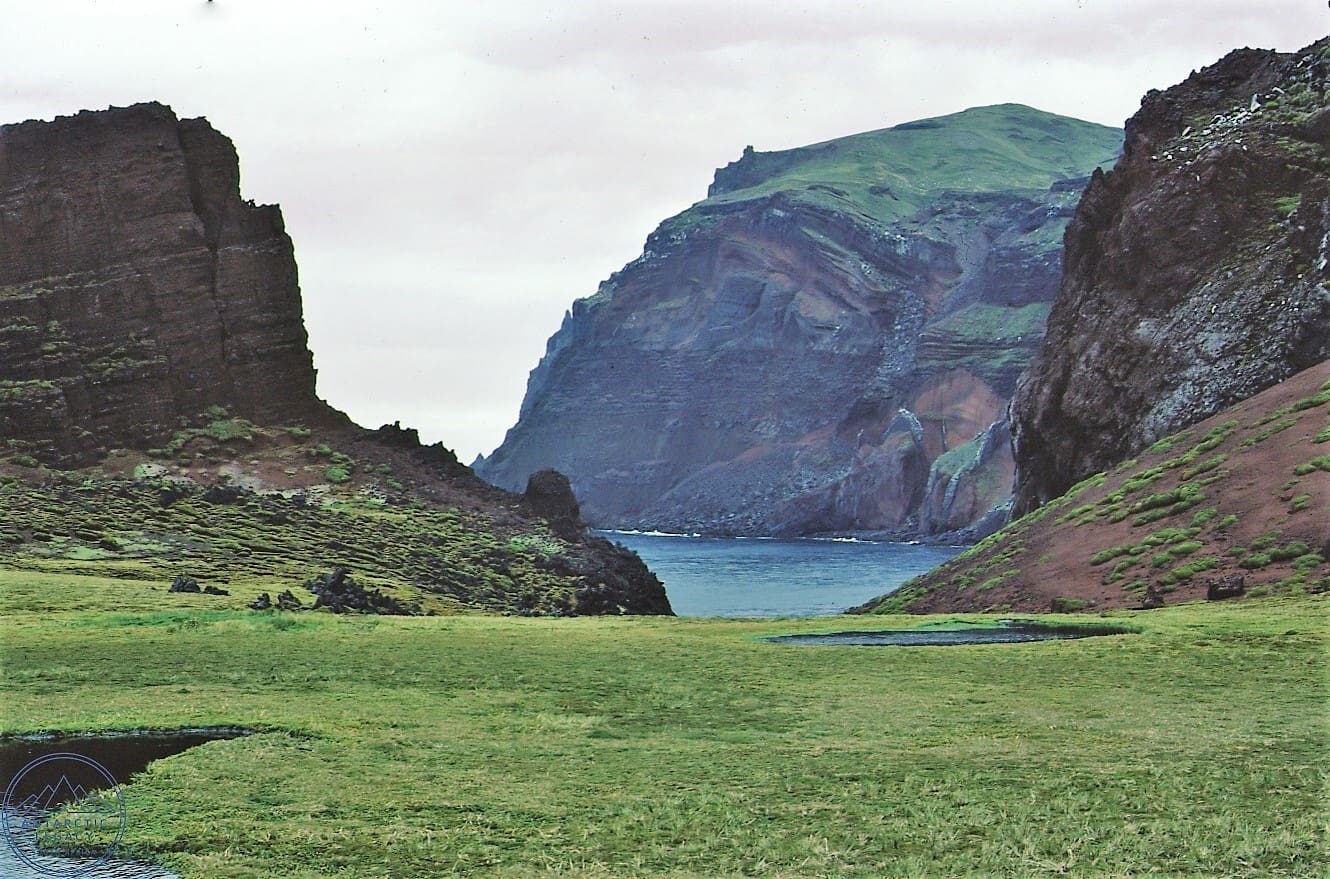
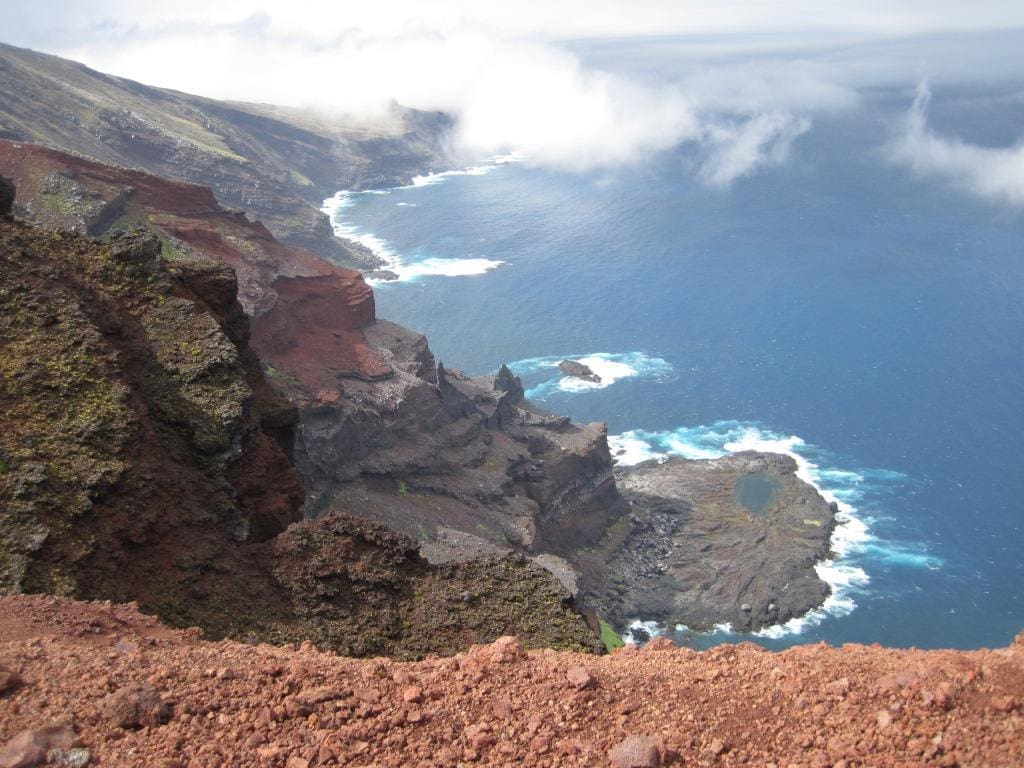
 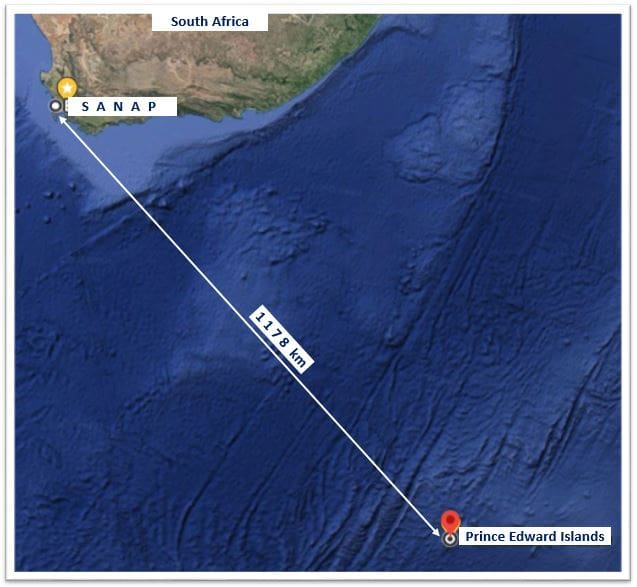 Prince Edward Islands Marine protected Area is a “A volcanic sub-Antarctic wilderness teeming with hundreds of thousands of penguins, albatrosses, petrels and seals. The Prince Edward Islands are the jewels in South Africa’s island crown. They comprise of the larger Marion Island and the smaller Prince Edward Island, which were annexed by the South African navy in 1948. A permanent weather station has been in operation ever since that provides vital information needed to monitor weather and climate change in the Southern Ocean. The islands are home to unique plants and animals not found near the South African mainland. There are millions of penguins, albatrosses, petrels, seals and a transient group of killer whales. The MPA was proclaimed in 2013 and covers 30% of South Africa’s Southern Ocean territory, representing 80% of its ecosystem diversity. It protects the productive waters surrounding the islands, as well as important features such as seamounts. This ensures that the krill and fish stocks that top predators depend on are not overexploited. Historically, there was intense fishing for Patagonion toothfish, but this collapsed and has been restricted to two vessels to allow for their recovery. The terrestrial ecosystems are under threat from invasive house mice that were accidentally introduced in the 1800s. The