by Ria Olivier | Oct 22, 2024 | Antarctica, Research, SA Polar Research Infrastructure, SANAP
Antarctica, a pristine and remote frontier of scientific discovery, has long been a region of international interest for climate research, biodiversity, and understanding global environmental changes. In a recent meeting, held at SAEON Egagasini Node in Cape Town the event brought together South African National Antarctic Programme (SANAP) researchers and South African Polar Research Infrastructure (SAPRI) personnel to discuss how we can collaborate with the Arctic and Antarctic Research Institute (AARI) to share resources, infrastructures and expertise to protect and study this unique region.
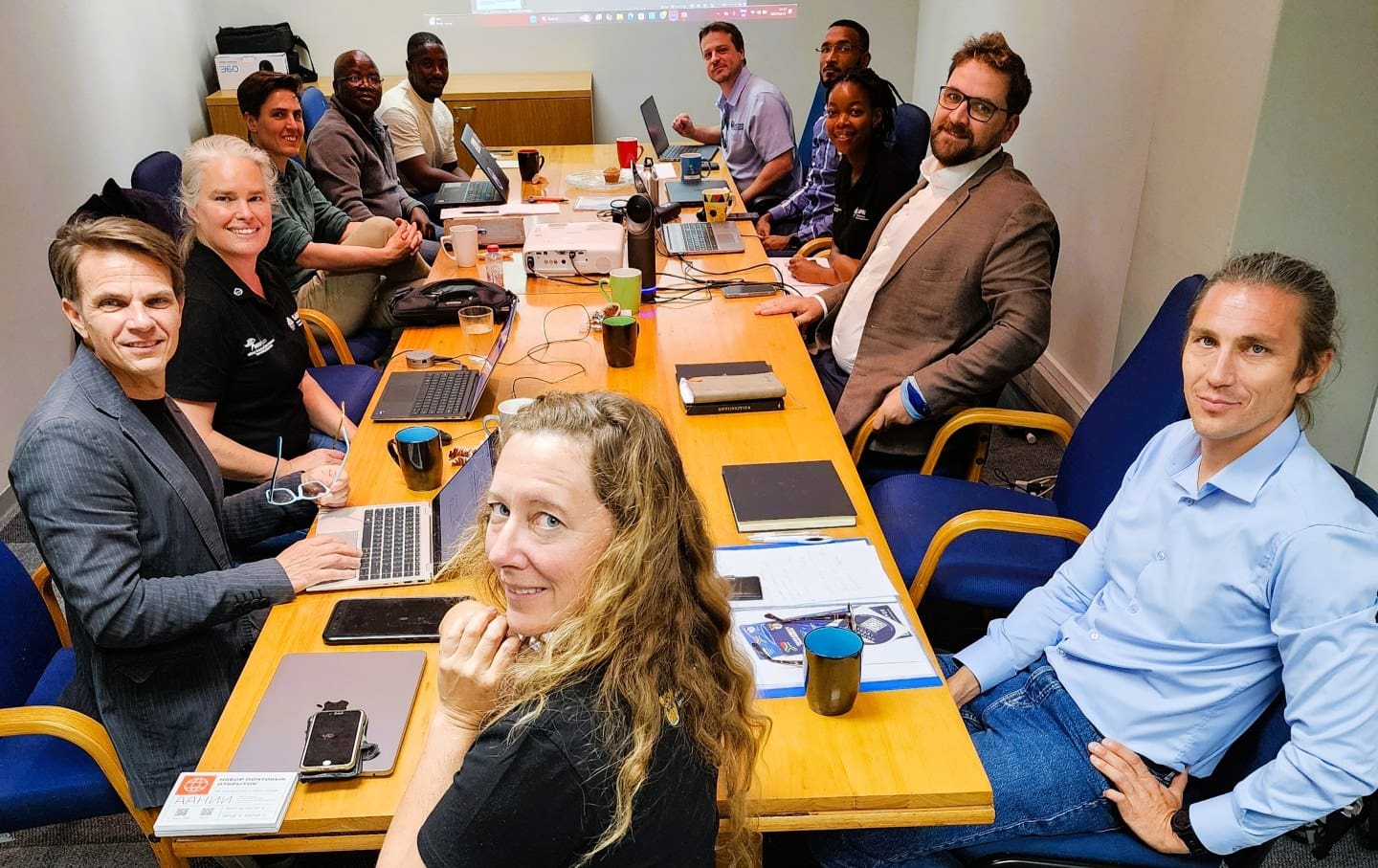 Attending in Person, Prof Juliet Hermes, Prof Marcello Vichi, Dr Anne Treasure, Ria Olivier, Dr Robyn Verrinder, Thomas Mtontsi, Steve Tebele, Jonathan Ward, Mark McKechnie, Rabia Mathakutha, Dr Sandy Thomalla, Dr Alexander Makarov, Dr Maxim Tatarkin
The meeting was focused on several aspects, including enhancing scientific cooperation in the Antarctic, and exploring ways to share logistical and research capacities. Both SANAP and AARI have a long history of involvement in Antarctic studies, and these discussions is a step forward in research and innovation collaboration.
The meeting was in hybrid format and was attended online by Dr Michael Kosch, Dr David Hedding, Dr Geoff Grantham and Yinhla Shihlomule
Dr Makarov introduced the activities, research and infrastructure of the AARI. He provided context to the visit and introduced AARI science and collaboration strategy. Highlights were the major directions of AARI are Meteorology, glaciology, Sea-ice research, Ice physics, ocean-atmosphere interaction, polar geography, geophysics, oceanography, interaction of ship hull with sea-ice, multi-year permafrost, hydrochemistry and hydrology of estuaries and water resources
Short presentations by the South African delegation with discussions followed (Presentations available on ALSA archive)
The in-person presenters that started the South African Discussions and presenatations: Dr Sandy Thomalla – SOCCO, Rabia Mathakutha – SAPRI, Ria Olivier- ALSA, Dr Robyn Verrinder-MARIS
The following presentations were done:
- SOCCO: South Africa’s ocean-climate science and innovation programme:
Taking ocean climate science to society. Sandy Thomalla.
- The South African Polar Research Infrastructure. Rabia Mathakutha
- An Overview of the Antarctic Legacy of South Africa Ria Olivier
- Antarctic MIZ Observations: Interdisciplinary approaches to resolve seasonal sea-ice variability. Robyn Verrinder
- Geology of Western Dronning Maud Land, Antarctica – a brief history of Geological Evolution insights. Geoffrey Grantham
- SANAP Geological Research program 2024-2026 in western Dronning Maud Land, Antarctica. Geoffrey Grantham
- Landscape and climate interactions in the sub-Antarctic. David Hedding
- SuperDARN HF radar at SANAE, Instrument infrastructure for space weather research. Michael Kosch
- SANSA – Jonathan Ward
- BRICS-RELAY and Antarctica InSync. Marcello Vichi
Through collaboration, we are expanding our ability to understand and protect one of the planet’s most critical ecosystems as Antarctica holds answers to some of the world’s biggest environmental questions, and through collaboration, we can unlock those answers.”
Dr Makarov present a gift to Prof Juliet Hermes of the ice resistant platform ‘North Pole’
The discussion between AARI and SANAP and SAPRI signals a collaboration for Antarctic research, through shared resources, expertise, and data, both nations are poised to make significant contributions to global climate science. As the world watches the impacts of climate change unfold, this international collaboration offers hope for a deeper understanding of our planet and the preservation of its most fragile regions.
by Ria Olivier | Oct 11, 2024 | Announcement, Jobs, Marion Island, News, Overwintering Team, Research, SANAP, Science, Southern Ocean, Stations, sub-Antarctic, Team member
The following positions are available on the sub-Antarctic, Marion Island for the overwintering period (April 2025 to May 2026)
Environmental Officer Assistant Environmental Officer
Communications Engineer Diesel Mechanic Electrical Engineer Medical Orderly
Senior Meteorological Technician Assistant Meteorological Technician
2 X Field Assistants – Sea Birds
Closing Date: 28 OCTOBER
Click here: View all positions
by Ria Olivier | Oct 10, 2024 | Announcement, Antarctica, Arts, Humanities, Research, SANAP, SANAP Student
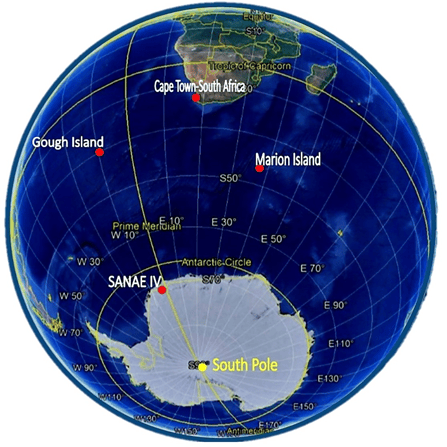
South Africa has long had an Antarctic research programme, including a base on the Antarctic continent and a polar vessel. It is the only African country with these facilities and uniquely an early signatory to the Antarctic Treaty System which governs the southern continent. Other countries with Antarctic science programmes—including the US, Australia, and the UK—have Artists and Writers Programmes (AWPs) which include artists, writers and scholars in their scientific programmes. We are piloting a similar programme for South Africa.
The project works together with scientific research but is focused on approaching the relationship between Africa and Antarctica from a different lens: creative, critical, historical, futurist; focused on questions of aesthetics, ethics, value, storytelling; and with the explicit intention to transform Antarctic participation in relation to race, class and gender.
This project aims to plan and pilot a South African Antarctic Artists and Writers Programme (AWP), and in so doing to improve public engagement with South African Antarctic involvement through arts production and humanities research. Arts production will be supported by giving artists and writers a formal structure through which access the Antarctic and subantarctic regions, through exhibitions of their work, and through promotion by public events, publication and/or online platforms. Humanities research will provide the context, background, and cultural histories to develop and deepen both arts production and public engagement
Disciplines include: English, Fine Art, Creative Writing, History, Geography, Psychology, Anthropology, Science Communication, Journalism, Media Studies, Music, Dramatic Arts, and related disciplines.
Residency call 2024-2025
Calling artists and writers for a residency on, or about, the sea. The residency offers a 1-3 month immersive experience spending time at sea on a research vessel (the S.A. Agulhas II) or in a polar science lab, with a view to producing an artwork or publication. This residency is part of a pilot project that aims to bring Antarctica, the sub-Antarctic Islands and the Southern Ocean closer to a South African audience through the production of creative works.
FULL DETAILS
CLOSING DATE: 31 October 2024
by Ria Olivier | Oct 8, 2024 | Antarctica, Research, SANAP, SANAP Student, SCAR
A dive into the latest research and activities within the Scientific and Antarctic Research community during the biannual conference in Chile.
In today’s rapidly evolving scientific landscape, research conferences serve as vital hubs for knowledge exchange, fostering innovation, and building collaborations across disciplines. The recent SCAR conference held in Pucon, Chile during August brought together leading scholars and emerging researchers from around the globe. The event was packed with groundbreaking presentations, hands-on workshops, and insightful discussions that highlighted the latest trends shaping the future of research.
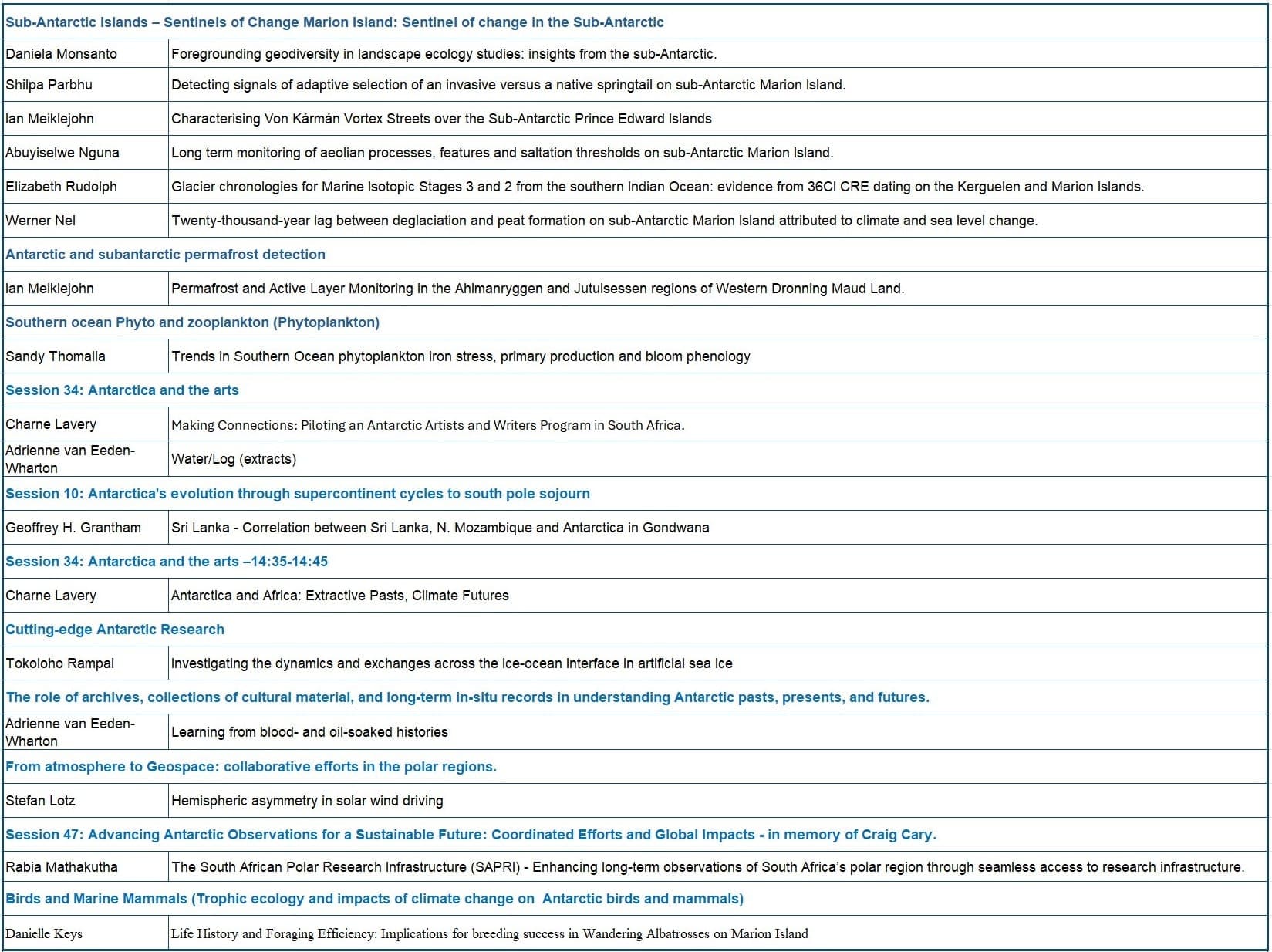
Here’s a closer look at the highlights and takeaways from this year’s conference. (above: Session on sub-Antarctic was an all South African session)
Plenary Lectures and Mini Symposia: The conference had a series of plenary lecture from some of the most respected minds in academia. Dr Victoria Nuviala from Madrid Institute for Advanced Study (MIAS), shared insights into An Architectural Biography of Antarctica. The reckoning: how #MeTooAntarctica is changing fieldwork a presentation by Dr Meredith Nash
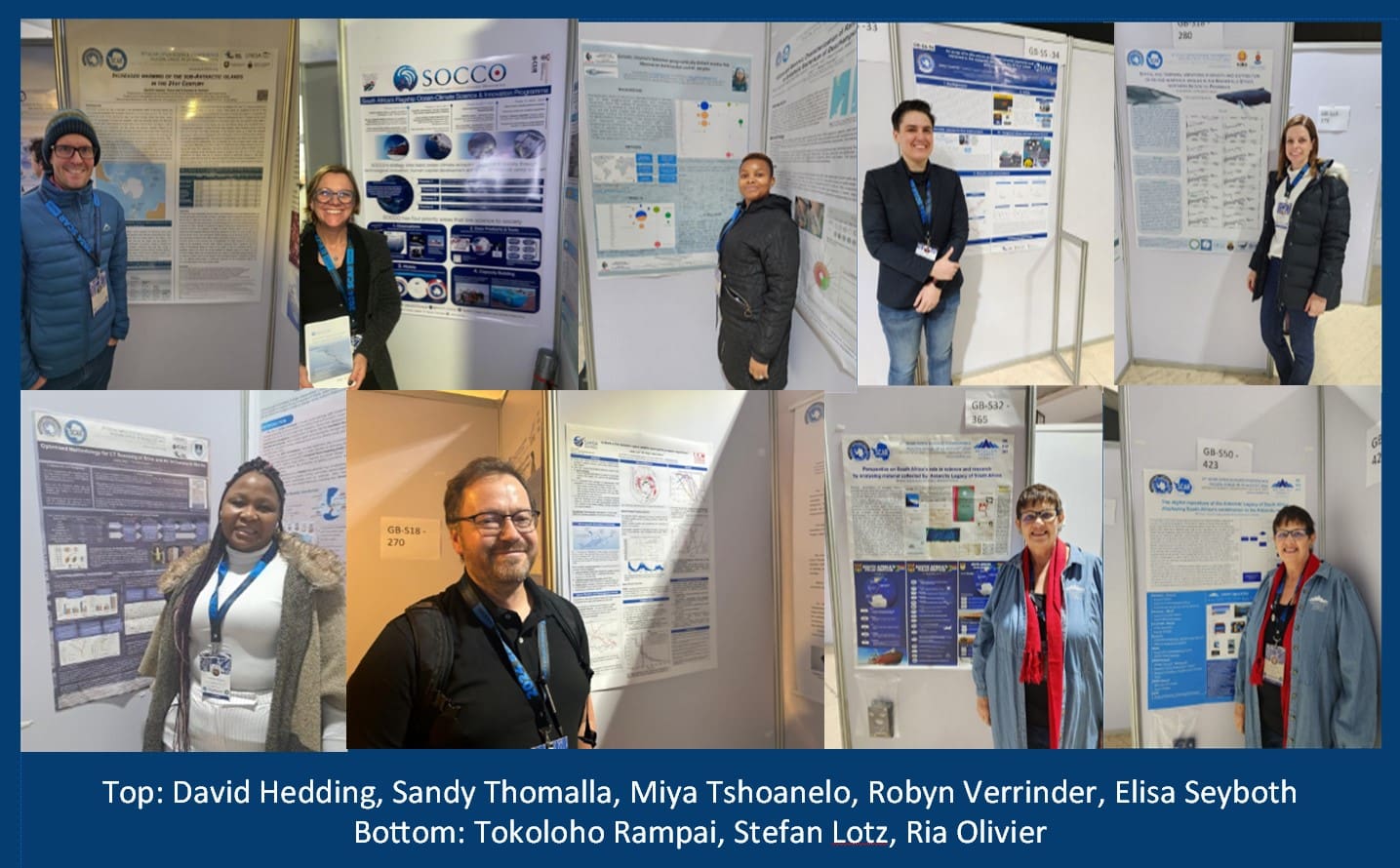
Groundbreaking Research Papers. One of the conference’s core components was the presentation by researchers during the different parallel sessions. Each session provided opportunity for Q&A, enabling in-depth conversations between the audience and the researchers, fostering a true sense of intellectual community. South African researchers presented during these sessions. (above a few presenters captured during their present picture above: Session on sub-Antarctic was an all South African sessions)
Workshops. Experts from organizations guided participants through various disciplines. Ria Olivier held a workshop on publications in the Antarctica Community and resources on data management
Poster Sessions: Spotlight on Research in addition to formal presentations, these sessions provided a platform for researchers to showcase their work.
Networking and Collaboration. Beyond the formal sessions, the networking opportunities were an integral part of the conference. Through social events, coffee breaks, and an industry exhibition, participants had the chance to connect with peers, potential collaborators, and mentors.
NEXT SCAR in Norway in 2026! !
Conclusion – SCAR2024 was a celebration of innovation, collaboration, and cutting-edge research. It provided a rich platform for learning, networking, and exchanging ideas that will shape the future of research. For attendees, the event was not only an opportunity to showcase their work but also a reminder of the collaborative spirit that drives scientific progress. As we look forward to next conference, it’s clear that the future holds exciting developments in Antarctic Research, and conferences like this one will continue to play a crucial role in fostering those advancements.
Activities during SCAR2024
Oral & Poster Presentations
by Ria Olivier | Sep 5, 2024 | Gough Island, Overwintering Team, SANAP
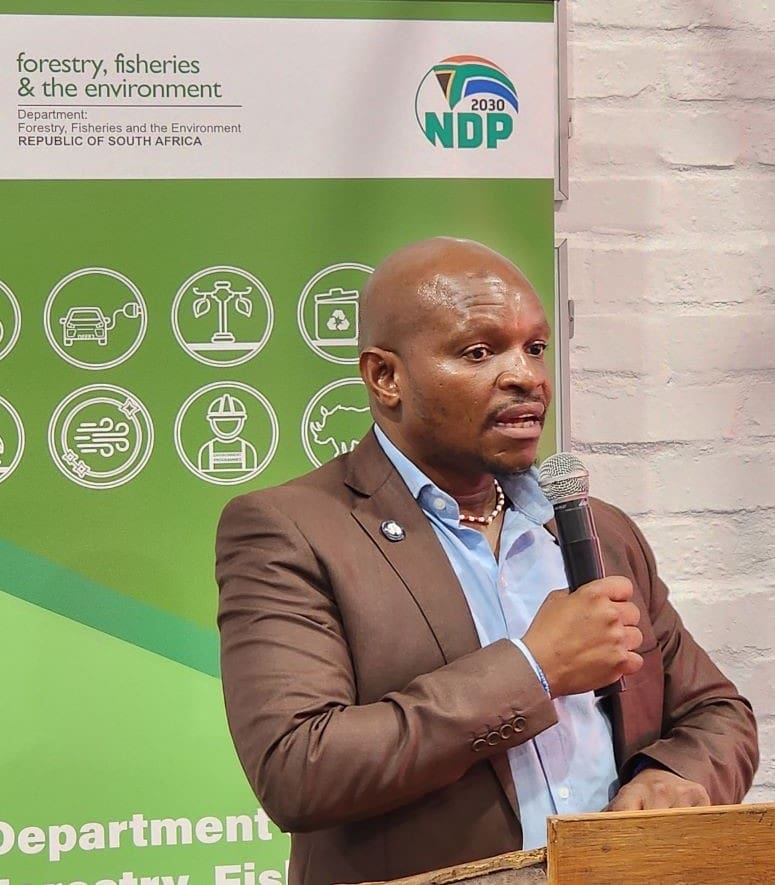
A departure ceremony took place at East Pier, Cape Town today. Mr. Rodgerson Hlophe(right) – Acting Director: Southern Oceans and Antarctic Support was the Programme director and introduce the takeover personnel and the Gough 70 overwintering team.
Acting Chief Director: Specialist Monitoring Services Ashley Johnson gave a farewell speech to GOUGH 70 overwintering team. and wishes them all the best for the time they will spend on Gough Island.
Cover Photo: Tom McSherry
by Ria Olivier | Aug 19, 2024 | Current Event, Research, SANAP
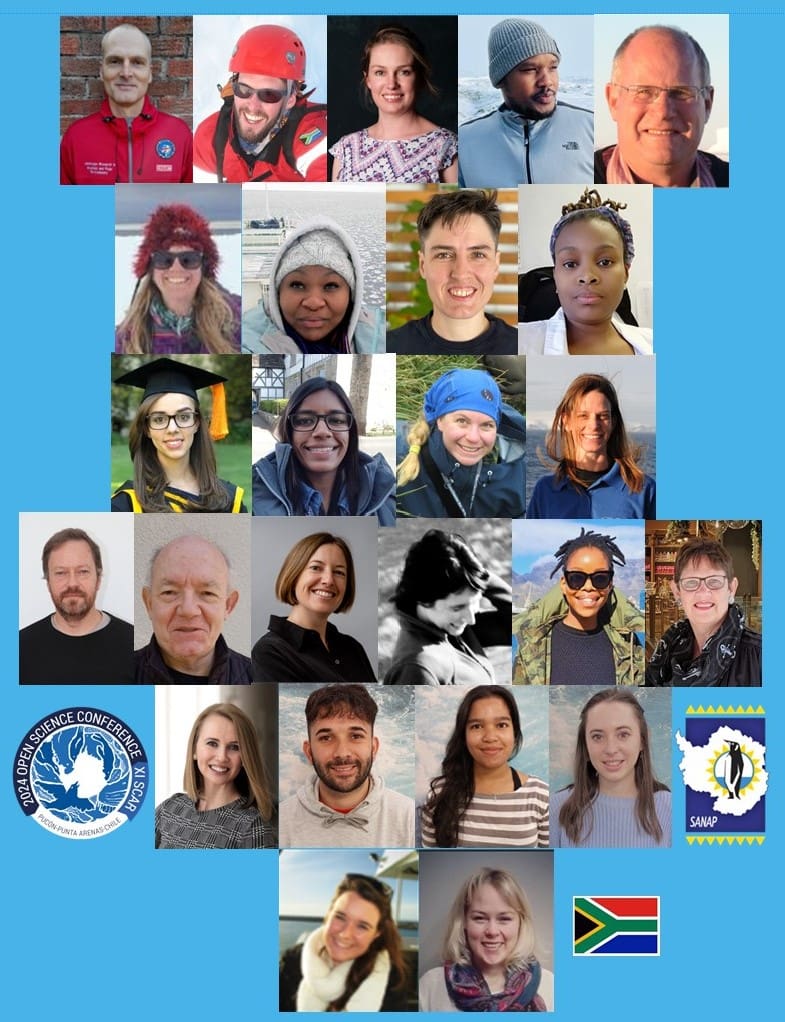
The XIth SCAR – Open Science Conference & Biennial Meetings is held in Pucón– Chile in August 2024. There are many researchers from South Africa that will be presenting during the conference. We wish them all the best.
SCAR2024 Information and Programme
Follow us on Twitter for updates!


 Antarctica, a pristine and remote frontier of scientific discovery, has long been a region of international interest for climate research, biodiversity, and understanding global environmental changes. In a recent meeting, held at SAEON Egagasini Node in Cape Town the event brought together South African National Antarctic Programme (SANAP) researchers and South African Polar Research Infrastructure (SAPRI) personnel to discuss how we can collaborate with the Arctic and Antarctic Research Institute (AARI) to share resources, infrastructures and expertise to protect and study this unique region.
 The meeting was in hybrid format and was attended online by Dr Michael Kosch, Dr David Hedding, Dr Geoff Grantham and Yinhla Shihlomule
 The in-person presenters that started the South African Discussions and presenatations: Dr Sandy Thomalla – SOCCO, Rabia Mathakutha – SAPRI, Ria Olivier- ALSA, Dr Robyn Verrinder-MARIS
 The following presentations were done:
 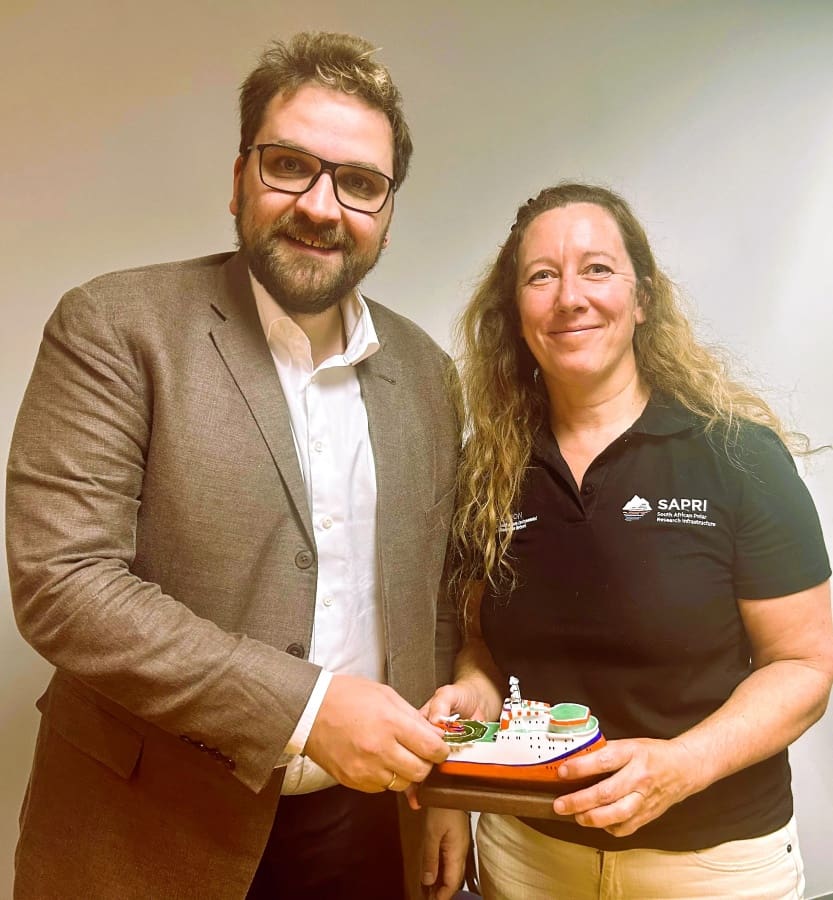 Dr Makarov present a gift to Prof Juliet Hermes of the ice resistant platform ‘North Pole’


 South Africa has long had an
  The project works together with scientific research but is focused on approaching the relationship between Africa and Antarctica from a different lens: creative, critical, historical, futurist; focused on questions of aesthetics, ethics, value, storytelling; and with the explicit intention to transform Antarctic participation in relation to race, class and gender.
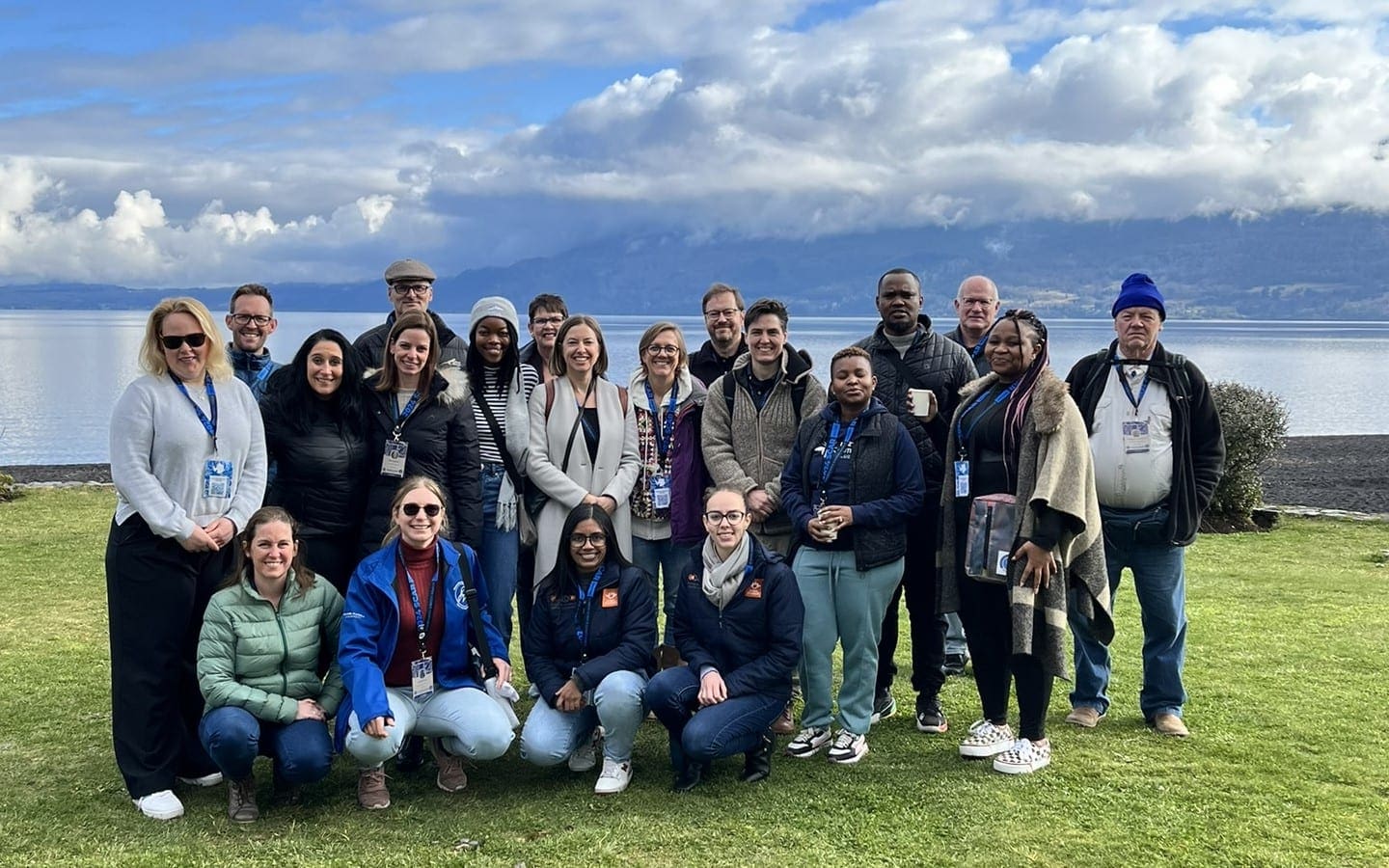
 In today’s rapidly evolving scientific landscape, research conferences serve as vital hubs for knowledge exchange, fostering innovation, and building collaborations across disciplines. The recent SCAR conference held in Pucon, Chile during August brought together leading scholars and emerging researchers from around the globe. The event was packed with groundbreaking presentations, hands-on workshops, and insightful discussions that highlighted the latest trends shaping the future of research.
 Here’s a closer look at the highlights and takeaways from this year’s conference. (above: Session on sub-Antarctic was an all South African session)
 Networking and Collaboration. Beyond the formal sessions, the networking opportunities were an integral part of the conference. Through social events, coffee breaks, and an industry exhibition, participants had the chance to connect with peers, potential collaborators, and mentors.
 A departure ceremony took place at East Pier, Cape Town today. Mr. Rodgerson Hlophe(right) – Acting Director: Southern Oceans and Antarctic Support was the Programme director and introduce the takeover personnel and the Gough 70 overwintering team.
 Acting Chief Director: Specialist Monitoring Services Ashley Johnson gave a farewell speech to GOUGH 70 overwintering team. and wishes them all the best for the time they will spend on Gough Island.