by Ria Olivier | Jun 20, 2020 | Research, SANAP, SANAP Student, SCAR, Science, Southern Ocean, Uncategorised
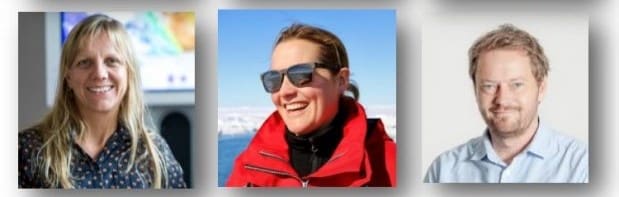
Luca Stirnimann received his BSc at the University of Genova (Italy) in 2013, majoring in Environmental Science. He was introduced to his first marine applications of ecology and taxonomy during a summer school spent on the Linosa Island (Mediterranean Sea) as an undergraduate, investigating invasive marine alien species. During his MSc in Genova, he could study time series and regime shifts analysis on plankton systems. After graduated summa cum laude in Marine Sciences (2015) at the University of Genova, he spent one year at the Marine Biological Association (Plymouth, UK) attending the MRes in Marine Biology, where he could continue his studies on plankton and experimenting the life as a scientific researcher.
From 2017, he is a PhD student at the University of Cape Town. He analyses the samples he collected during several expeditions to Antarctica, in order to investigate zooplankton and phytoplankton dynamics in the Southern Ocean in the context of nutrient cycling and primary production. He is comparing ecosystem dynamics in the vicinity of Subantarctic island systems with the open Southern Ocean. Luca’s project falls under the current SANAP Project: “A nitrogen cycle view of atmospheric CO2 sequestration in the Antarctic Ocean” (Principal Investigator: Dr SE Fawcett, University of Cape Town)
Why you love your career in science?
Earth science, in general, has always been fascinating to me and since I was little, my desire was to discover and learn new things related to our oceans.
As I do love Sherlock Holmes stories, in this job I see myself as a detective that has to solve a case. In fact, any phenomenon in nature may be more or less complicated to be described or understood, but the samples and the analysis are like clues of a case and using them, it is possible to solve any scientific mystery.
Thanks to oceanography, I can attend fantastic expeditions anywhere in the world, exploring from the icy polar seas to the warmer waters of the equator, spending weeks or even months on board of research vessels. During these trips, I always meet colleagues and extraordinary scientists that share the same interests and passions of mine, even if they are from different fields. Furthermore, coming to South Africa, I joined two great scientific communities: one is the SANAP group, where all the experts of the Antarctic systems meet all together to share their works and thoughts; and the second, the South African Association of Polar Early Career Scientists (APECSSA), which gives me the privilege to develop a South African group of scientists with the Polar Science as a common interest.
This is a great career that stimulates you at any moment of your life, and if you are curious, motivated, and resourceful, well… this job is waiting for you.
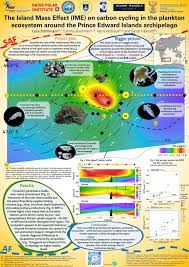
In 2018 at POLAR2018 (SCAR/IASC Open Science Conference 2018) he was awarded with the 1st prize for the Association of Polar Early Career Scientists (APECS) Poster Awards (Sector: Africa and Middle). Poster Title: “The Island Mass Effect (IME) on carbon cycling in the plankton ecosystem around the Prince Edward Islands archipelago”.
Luca is current a committee member of APECSSA. Follow @LStirnimann and @apecssa on Twitter
by Ria Olivier | Apr 2, 2020 | Announcement, Research, SCAR, Science
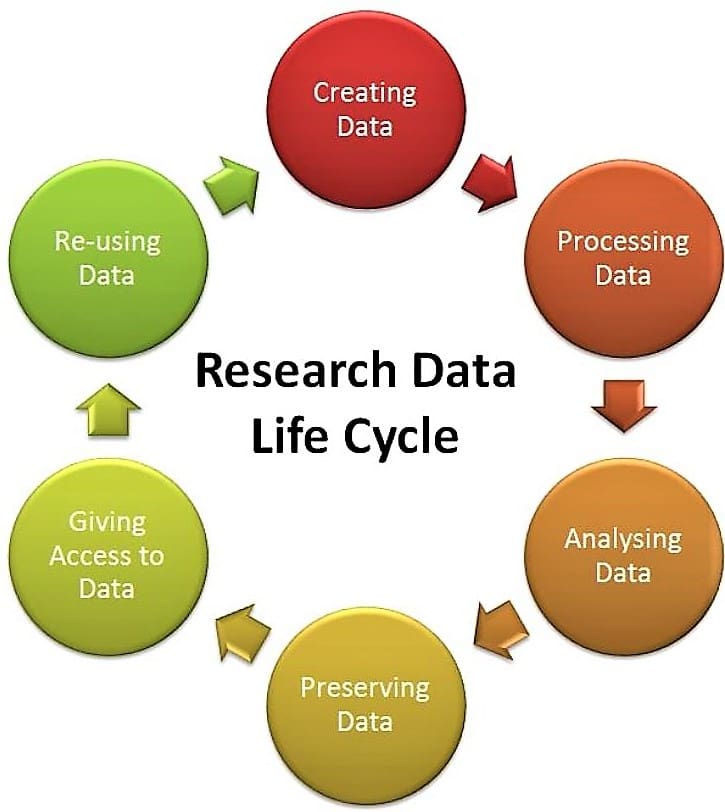
The Call for SANAP Proposal submission is 30 April. It is important that within the proposal principal investigators need to look at data management. Below information to help with the proposal.
“The amount of time and money required for coding, checking, computerizing, and documenting the data is frequently underestimated in planning a study. Successful data management depends on a sound organization that has mapped out in advance all the data preparation, processing, and documentation steps and is ready to implement these steps when data collection is about to commence. In other words, the data management system should be fully operational before the project gets buried under an avalanche of incoming data that need to be coded, checked, and entered.” Data Collection and Analysis by M Stouthamer-Loeber & W van Kammen .
The Marine and Antarctic Research Strategy (2016) states that “Data transfer, access and reliability remain a challenge when working in this research sector. Proper centralized management of data emanating from the ocean, Antarctica and the Islands is required to meet both national and international data requirements. Systems that make the data available to national and international users are required. This would require appropriate management, so as to guarantee the integrity of the data. Obviously, reliable access to this data would also be critical.”
The South African Antarctic and Southern Ocean Research Plan. 2014-2024 highlights data dynamics within SANAP. “Data transfer, access and reliability remain a challenge when working in the region. Proper centralized management of data emanating from the Southern Ocean and Antarctic is required, to meet both national and international data requirements. Systems that make the data available to national and international users are required. This would require appropriate management, so as to guarantee the integrity of the data. Obviously, reliable access to this data would also be critical.”
Scientific Committee on Antarctic Data Management. “Data and information are valuable and irreplaceable resources. Proper management of data and information is not an “add-on” or an additional task; it is a fundamental aspect of modern science”.
From the Department of Science and Innovation: “To complement the focus on global infrastructure in South Africa, a South African Research Infrastructure Roadmap (SARIR) has been developed to facilitate a research infrastructure investment programme. At the very least, information and communication technologies and data management services will be a fundamental part of every type of research infrastructure. Data-driven science implies that many of the research teams will base their scientific activity on the processing of collected data and remote access. Data management services are therefore essential to ensure the competitiveness of research groups.”
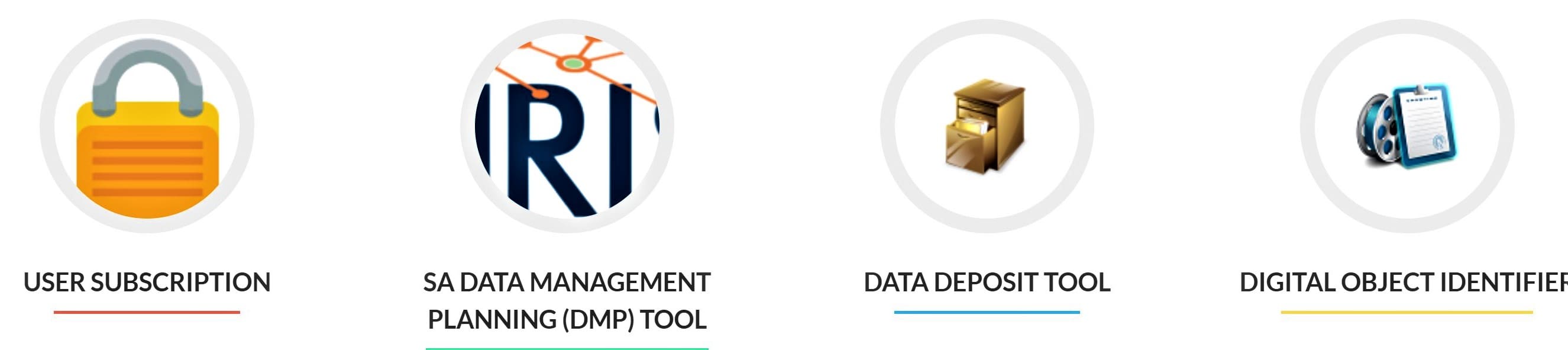
NICIS And DIRISA Function within the department of Science and Innovation. The Data Intensive Research Initiative of South Africa(DIRISA) forms part of the National Integrated Cyber Infrastructure System(NICIS). DIRISA aims to Implement a Certified Trusted Repository for research data and to operationally deploy and maintain data services and virtual research environments. They aim to initiate the establishment of federated data repositories. DIRISA is required to formulate national strategic frameworks for data intensive research and data stewardship
The Research Management Services of South Africa provide support for qualitative Data Analysis. Qualitative data analysis for empirical and theoretical data for students and staff using ATLAS.ti. They offer analysis for any research project that includes code qualitative data, categorise data, provide thematic reports and offer advice on how to interpret these themes by invoking the theory/literature. (Contact info@rms-sa.org)
Research Data Alliance announce that with the recent cancellation of Plenary 15 in Melbourne, Australia, the local organising committee, RDA Technical Advisory Board and RDA Secretariat the RDA Virtual Plenary 15 (VP 15), taking place 18 March – 10 April 2020. VP 15 will offer remote access to many of the sessions that were planned to take place in Melbourne.
by Ria Olivier | Mar 18, 2020 | Discover, Jobs, Legacy, Marion Island, Research, SANAP, SCAR, Science
I completed all my science degrees at the University of Pretoria after some time at Wits studying law. I was fortunate to be appointed at Stellenbosch University in 2000, spent 2001 in France, and returned to Stellenbosch University in 2002 where I worked first as a Senior Technical Officer, then as a Researcher and finally an Associate Professor before relocating to the University of Johannesburg in 2011, and became a Full Professor in 2012. Our research group at UJ transitioned into a Research Centre, and we currently house a number of postdoctoral fellows and postgraduate students. We have collaborations with a number of groups both within South Africa, and internationally.
I have been involved in research on the Prince Edward Islands since 2004 and have been fortunate to work with some of the legends as well as bright upcoming researchers (then students, now fully established and leading their own research groups). For my sins, I was appointed as Chief shore-based Scientist in 2006 (the first time that a woman held this position), and managed to get all people to relevant huts on time, even though we almost had to put together a rescue party to retrieve Valdon Smith and Sarette Slabber from Mixed Pickle (typical Marion Island bad weather meant that they could not walk over Azorella Kop). Thankfully the weather cleared, and all shore-based people made it back to the SA Agulhas I.
Bettine van Vuuren is currently the Chair of the South African National Committee for SCAR, and a Principal Investigator in the South African National Antarctic Programme (SANAP) – see Biocomplexity: Understanding biological patterns in space and time.
Why you love your career in science?
I have always thought that animals are interesting and wondered why they act in certain ways. Why do some dogs get on well, while others fight? How do bees know where to find flowers and pollen, and how do they get back to their hives? Are they really all female? Why are some species so successful while others are continuously threatened and faced with extinction; especially considering that our world is changing much faster than ever before?
Once I understood that the answers to most of these questions have a strong genetic basis, I was hooked. My work allows me to search for the answers to many of these questions, and I work in some of the most extraordinary and beautiful places on earth (from our hot and dry desert and semi-desert regions to extremely wet and cold sub-Antarctic islands). I am privileged to work and interact with extremely talented people (both within and outside South Africa; old and young); there is not a day that I am not thankful for the way my life turned out. What is perhaps the strongest motivating factor is that I can make a difference in the lives of younger people (through education, working at the University of Johannesburg), and this is priceless.
Why you believe more women should pursue a career in science?
The first thing to say is that I believe there is nothing that any person can’t do if they apply their mind (and time) to it. We often set our own ceilings based on the general beliefs that society or others impose on us; and it is crucial that we break through these (non-real) boundaries. STEM fields are a case in hand. This is especially true for woman, who traditionally were considered homemakers or child-carers. In STEM specifically, fields such as mathematics, physics and engineering, and traditionally more field-based disciplines such as zoology, botany, or oceanography, are seen as more suited to men (either because women were not traditionally considered as analytically strong, capable to work in the field, or for that matter, be away from home for any period of time). It is critical that any person (both men and women) should carefully consider what they enjoy, what their specific strengths are (be that a STEM career for a woman, or as a child carer / homemaker for a man), and then pursue that with all their strength and passion. Personally, I was initially directed into a field that I had no interest in (because I could not answer questions asked regarding where I would work if my husband lived in a small town), and from a personal perspective I strongly urge and support woman that want to step out of the “beaten track”, i.e., what is typically expected from you by society, and follow what they are passionate about.
Latest research or study you’re working on?
I am currently involved in a number of larger projects which aim to understand how species (individuals / populations) respond to change. One such project is on sub-Antarctic Marion Island (funded through the South African National Antarctic Programme), where we are assembling the full genomes of a number of macroinvertebrate species, with the ultimate aim to understand genes under selection, and how biotic and abiotic factors shape the genetic diversity on oceanic islands. In South Africa, and in collaboration with national (SANBI) and international partners (an NSF/NRF funded project), we are investigating how reptile species adapt to changing and transformed landscapes, and what the downstream impacts are on their genes, morphology and behaviour. Across the African continent, and in collaboration with the Research Centre in Biodiversity and Genetic Resources (Portugal), we are documenting the spatial genetic patterns in a number of economically important larger antelope species (such as roan- and sable antelope); our work here directly informs South African policies on translocations.
Student: Daniela Monsanto
Colleagues & Students at a conference
Students often ask me about their future careers, what they can do with a BSc degree (or broader, a Science degree), or where they will find employment. And my answer is always the same: You can be whatever you want to be. The ultimate aim of science education should be to train students to critically assess situations, to learn how to solve complex problems, and to find solutions to questions. If you have mastered this skill, you can become the President of South Africa, an artisan, an entrepreneur, or a brilliant scientist.
Presentation on Youtube: UJ zoologist on the management and eradication of invasive species
Profile on Wikipedia and on Researchgate
Follow Bettine on Twitter @bettinevv
Visit website www.molzoolab.co.za
by Ria Olivier | Mar 16, 2020 | Antarctica, Legacy, Research, SANAP, SCAR, Science, Uncategorised
To start off SANAP Mid-Month series we have Thulani Makhalanyane as our first Monday Man.
Thulani Peter Makhalanyane was educated at the North West University (Mafikeng Campus), where he completed a BSc (Hons) degree in Microbiology. He then moved to the University of the Western Cape to begin microbial ecology research, earning both an MSc degree at the Institute for Microbial Ecology and Genomics in the Department of Biotechnology (obtained cum laude, 2010) and PhD (2013).
Dr Makhalanyane is a lecturer in the Department of Genetics. His lectures to third-year students are in the fields of phylogenetics and microbial ecology. He also serves as a Young Ambassador for the International Society for Microbial Ecology (ISME), Reviews Editor for Frontiers in Microbiology and currently Guest Associate Editor for the Terrestrial Microbiology section.
Why you love your career in science?
There are very few careers which allow you to generate new knowledge and acquire new insights on a daily basis. Working as a scientist allows me to be at the very cutting edge of knowledge generation within my field. I love being able to work in a team of scientist working on exciting projects. I get to mentor a range of students, from undergraduates to PhD, all with unique perspectives and insights. As a SANAP researcher, my work allows me access to unique study sites and locations and allows me to work on topics very few people have access to.
Latest research or study you’re working on;
We have several exciting ongoing studies. These questions aim to go beyond cataloguing microbial species diversity but assessing their ecosystem services. We typically use a combination of bioinformatics studies for these but are moving towards integrated ‘omics’ to answer our questions. Typical questions centre around, for instance, understanding the evolution of resistance gene mechanisms in natural environments.
Thulani’s Message:
Compared to choosing to work in more mainstream professions, such as medicine, careers in science can often be challenging. The challenges relate to the long periods of study required, it can take more than 8 years before attaining doctoral degrees, and the salaries are comparatively lower. However, the joys and benefits of following a career in science are extremely fulfilling and rewarding. I would encourage any student interested in science to stay focused on their goal and not be distracted. They will find that working as a scientist is probably the most rewarding endeavour.
Dr Thulani Makhalanyane was the 2014/15 winner of a TW Kambule-NSTF Award for Emerging Researchers. Dr Makalanyane received his NSTF Award trophy from the Minister of Science and Technology, Naledi Pandor, and the Chairman of proSET, Reinhard Meyer
Thulani is also on the South African National Committee for SCAR
See his profile Thulani Makhanlanyani and a presentation on available youtube
by Ria Olivier | Mar 10, 2020 | Announcement, Antarctica, Current Event, Fellowship, News, Research, SCAR, Science, Stations
INVITATION FOR INNOVATIVE RESEARCH PROPOSALS
40th INDIAN SCIENTIFIC EXPEDITION TO ANTARCTICA (40-ISEA)
National Centre for Polar and Ocean Research, an Earth System Science Organization (ESSO-NCPOR & erstwhile NCAOR), under the Ministry of Earth Sciences (MoES), Government of India, is the nodal agency for implementation of the Indian Antarctic Programme. Hitherto, thirty-nine scientific expeditions to Antarctica have been successfully completed. The fortieth Antarctic Expedition, scheduled to be launched in October- November 2020 is being initiated through this advertisement.
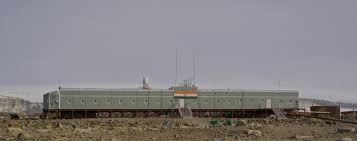
-NCPOR operate two-year round stations in Antarctica, which are~ 3000 km apart
The 40th Indian Scientific Expedition to Antarctica (40-ISEA) embarks on a new journey of scientific research. ESSO-NCPOR welcomes long-term innovative scientific proposals in thematic areas and its sub-themes in different disciplines. In addition to the ongoing programmes
Bharati Station
of different institutions, ESSO-NCPOR welcomes scientific projects under the following broad areas with area of focus being Amery Ice-Shelf in Prydz Bay region for multi-national, multi-institutional programme with special reference to geoscientific program viz identification of orogenic and cratonic components to arrive at a refined India-Antarctica geological correlation.
Maitri Station
Travel arrangements for all expedition members from Goa to Antarctica and back is taken care of by ESSO-NCPOR. Travel only available in Summer Season
Read more about the Expedition on the NCPOR website and download the Call for Research Proposal
by Ria Olivier | Jan 7, 2020 | Antarctica, Fellowship, Marion Island, Research, SCAR, Science
2020 funding and research opportunities for scientists and researchers. See all the inks below and make 2020 count.
University of Johannesburg, South Africa: Postdoctoral fellowship in marine and/or sub-Antarctic island genomics.
The Centre for Ecological Genomics and Wildlife Conservation at the University of Johannesburg
(https://molzoolab.co.za/) invites applications for a Global Excellenece and Stature (GES 4.0)
postdoctoral research fellowship. Full details
SCAR 2020 Symposium
SERCE will be offering grants to support travel and registration costs associated with attending SCAR2020. These will be up to $2,000 USD, and will be awarded to early-career researchers (ECRs) or researchers from countries with emerging Antarctic programs. An ECR is defined broadly as those researchers who have accumulated up to 7 years of research since completing their PhD (taking into account periods of part-time research or career breaks). link: https://www.scar.org/scar-news/serce-news/serce-funding-scar2020/
Swedish Institute Scholarships for South Africa (SISSA)
Are you a talented and ambitious citizen of South Africa and want to study for a master’s degree in Sweden on a fully-funded scholarship? Find out if you can apply to the Swedish Institute Scholarships for South Africa. Read more at
Swedish Institute
If you have any information of research opportunities, mail us at antarcticlegacy@sun.ac.za

 Luca Stirnimann received his BSc at the University of Genova (Italy) in 2013, majoring in Environmental Science. He was introduced to his first marine applications of ecology and taxonomy during a summer school spent on the Linosa Island (Mediterranean Sea) as an undergraduate, investigating invasive marine alien species. During his MSc in Genova, he could study time series and regime shifts analysis on plankton systems. After graduated summa cum laude in Marine Sciences (2015) at the University of Genova, he spent one year at the Marine Biological Association (Plymouth, UK) attending the MRes in Marine Biology, where he could continue his studies on plankton and experimenting the life as a scientific researcher.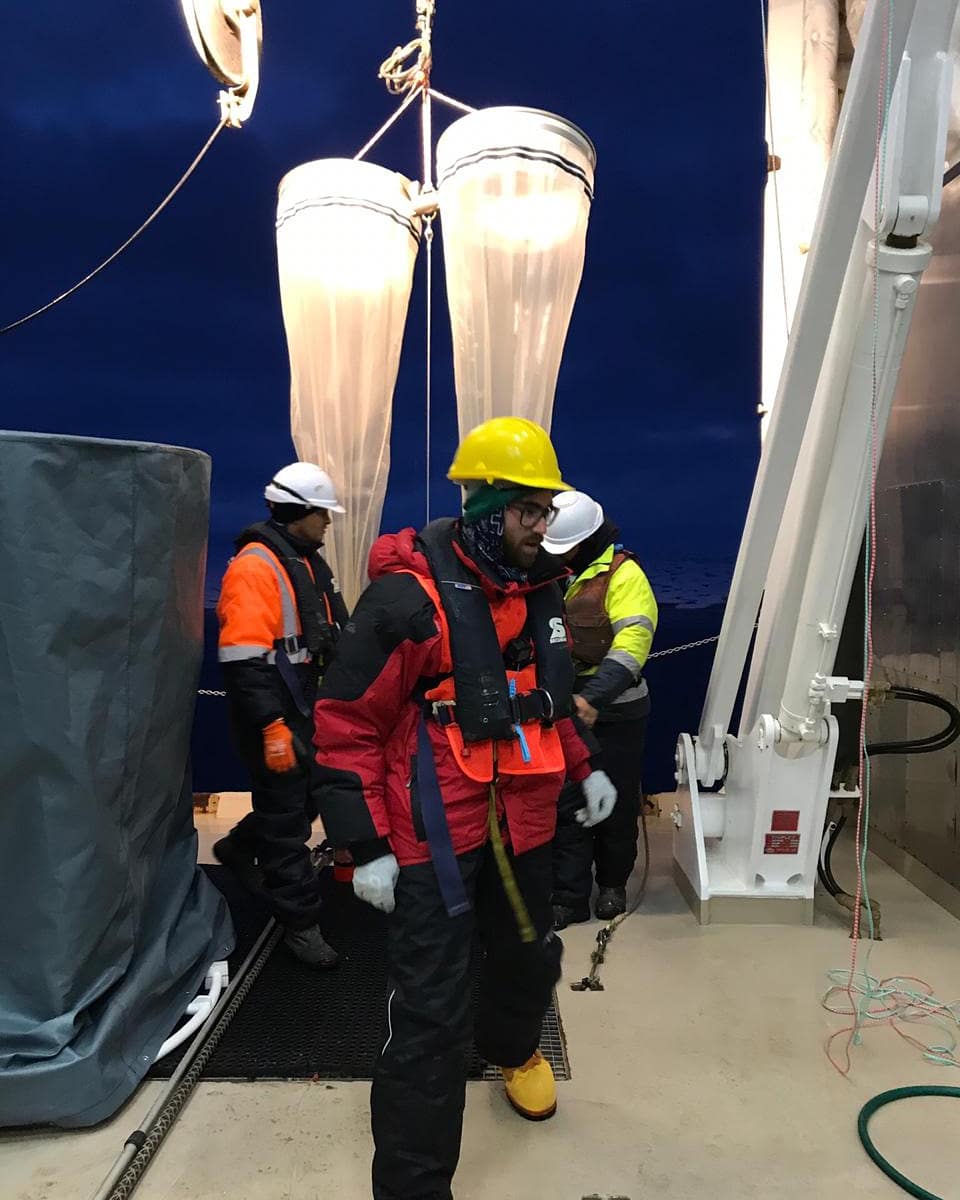
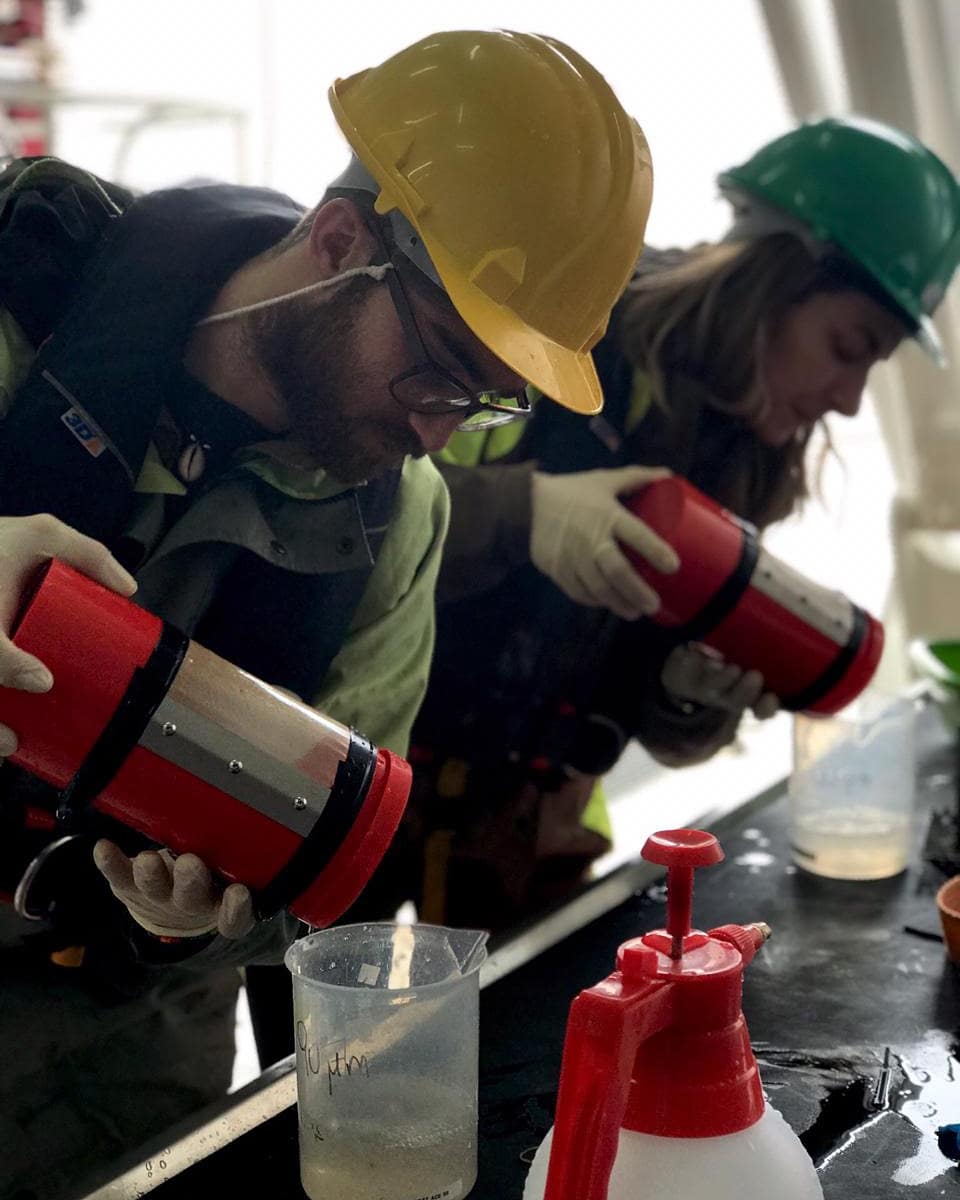
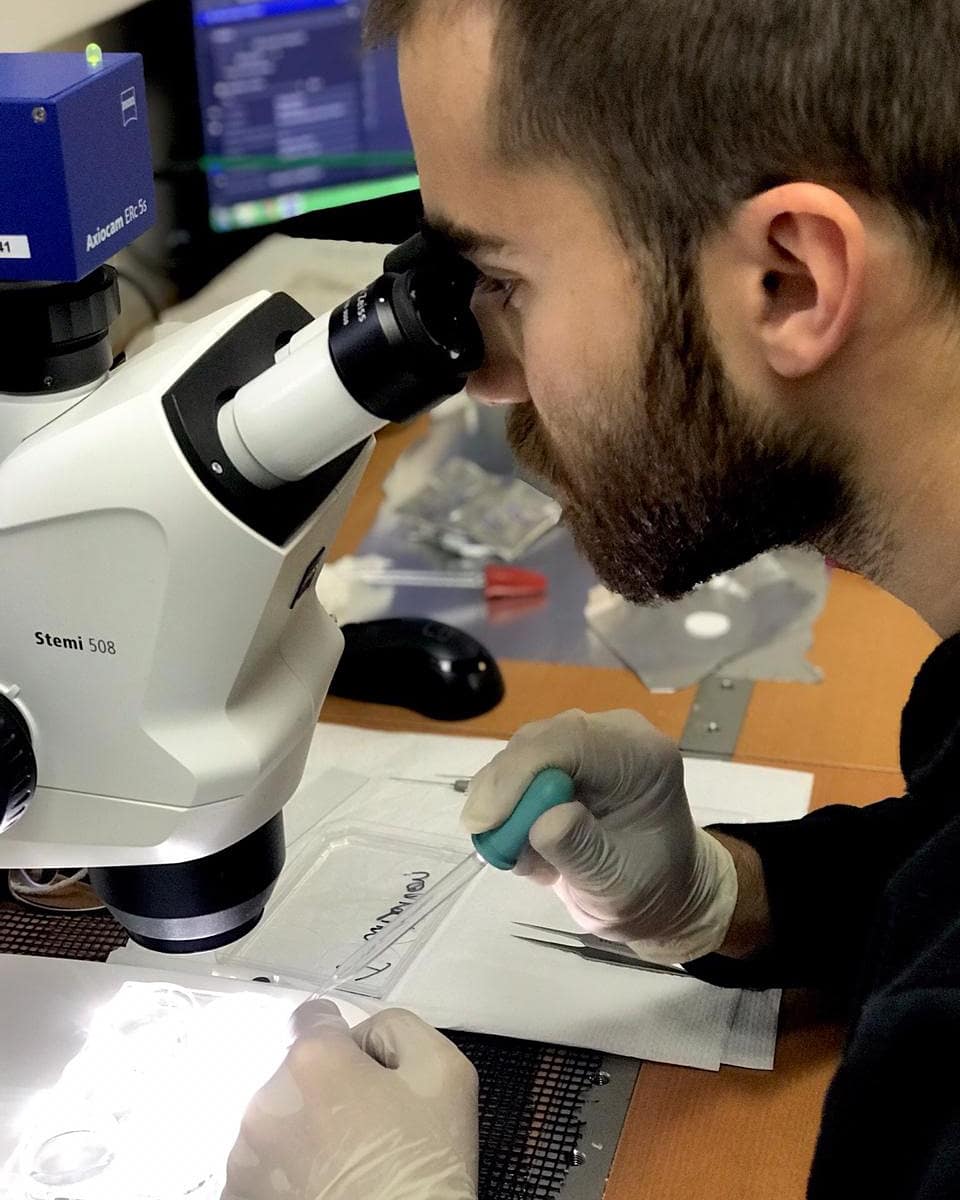
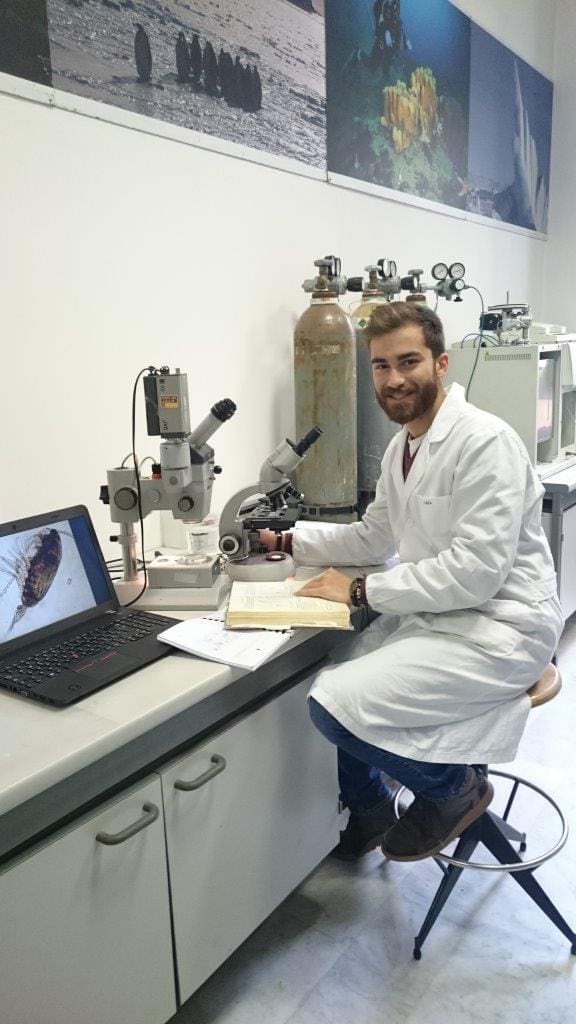 From 2017, he is a PhD student at the University of Cape Town. He analyses the samples he collected during several expeditions to Antarctica, in order to investigate zooplankton and phytoplankton dynamics in the Southern Ocean in the context of nutrient cycling and primary production. He is comparing ecosystem dynamics in the vicinity of Subantarctic island systems with the open Southern Ocean. Luca’s project falls under the current SANAP Project: “A nitrogen cycle view of atmospheric CO2 sequestration in the Antarctic Ocean” (Principal Investigator: Dr SE Fawcett, University of Cape Town)
 Earth science, in general, has always been fascinating to me and since I was little, my desire was to discover and learn new things related to our oceans.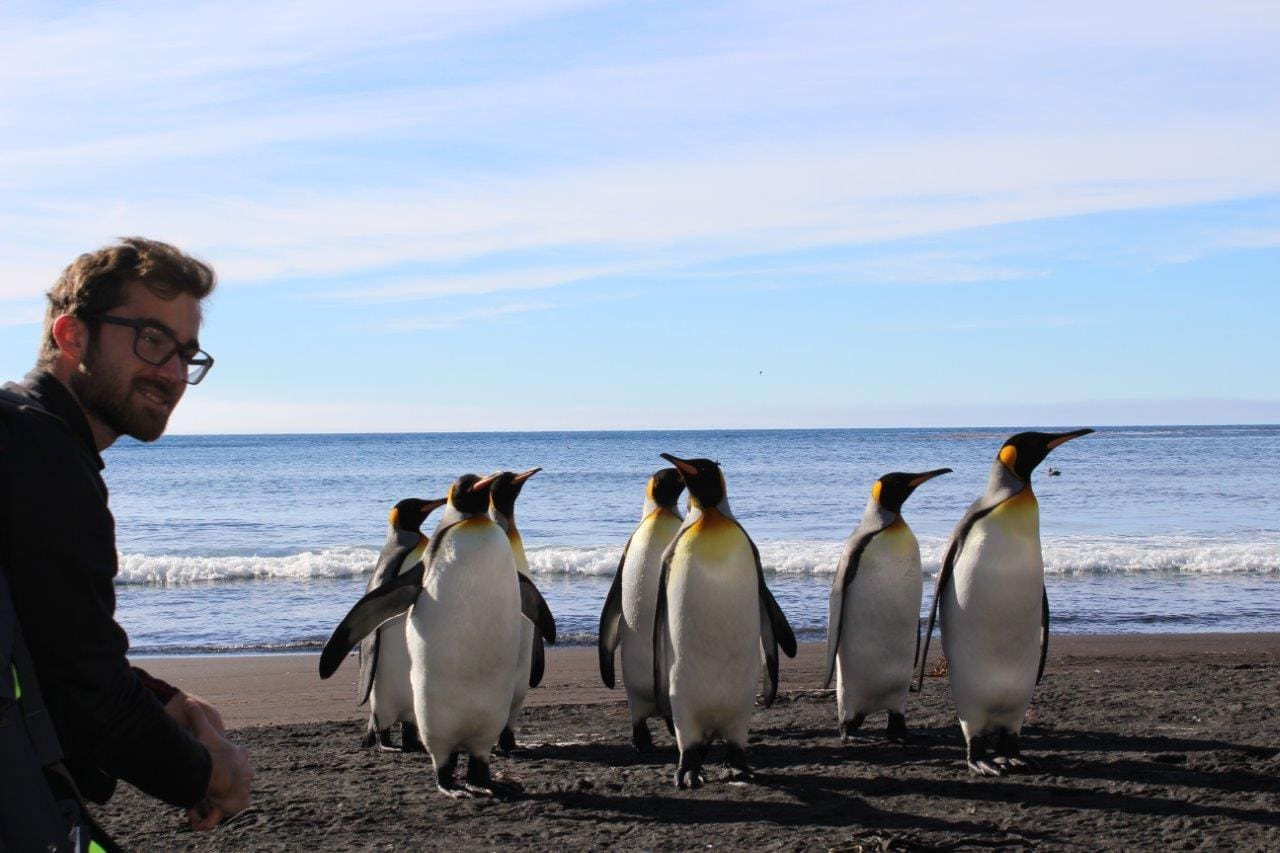
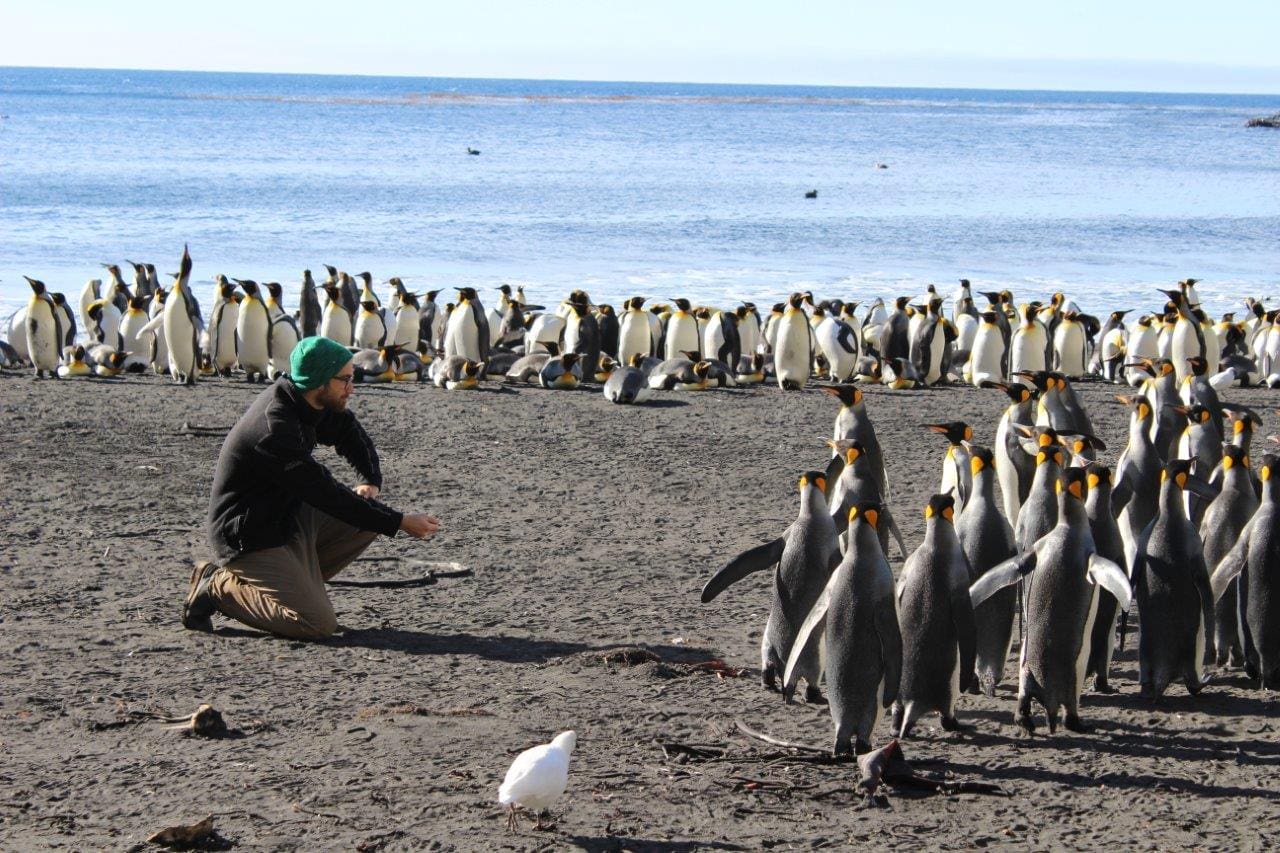
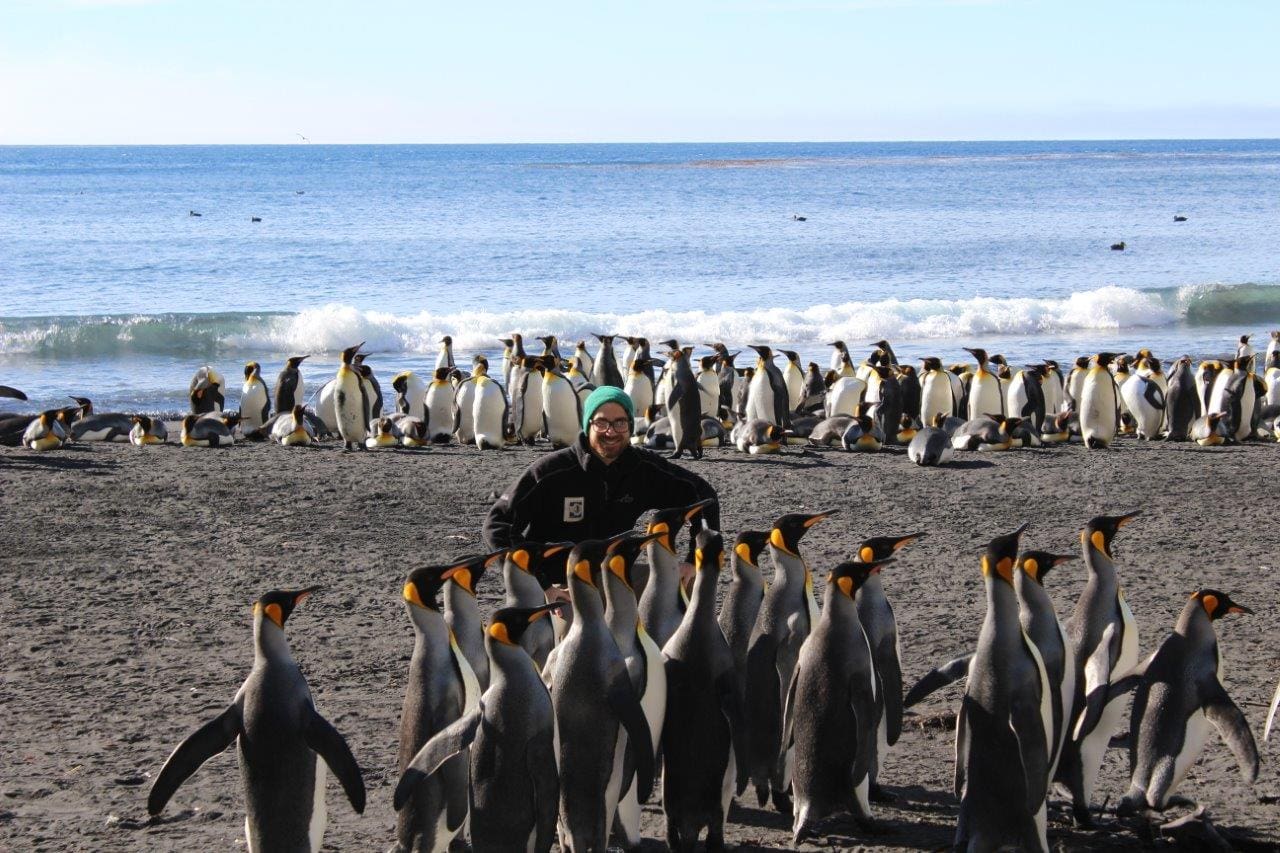 Thanks to oceanography, I can attend fantastic expeditions anywhere in the world, exploring from the icy polar seas to the warmer waters of the equator, spending weeks or even months on board of research vessels. During these trips, I always meet colleagues and extraordinary scientists that share the same interests and passions of mine, even if they are from different fields. Furthermore, coming to South Africa, I joined two great scientific communities: one is the SANAP group, where all the experts of the Antarctic systems meet all together to share their works and thoughts; and the second, the South African Association of Polar Early Career Scientists (APECSSA), which gives me the privilege to develop a South African group of scientists with the Polar Science as a common interest.
 This is a great career that stimulates you at any moment of your life, and if you are curious, motivated, and resourceful, well… this job is waiting for you.
 The Call for
  The
The 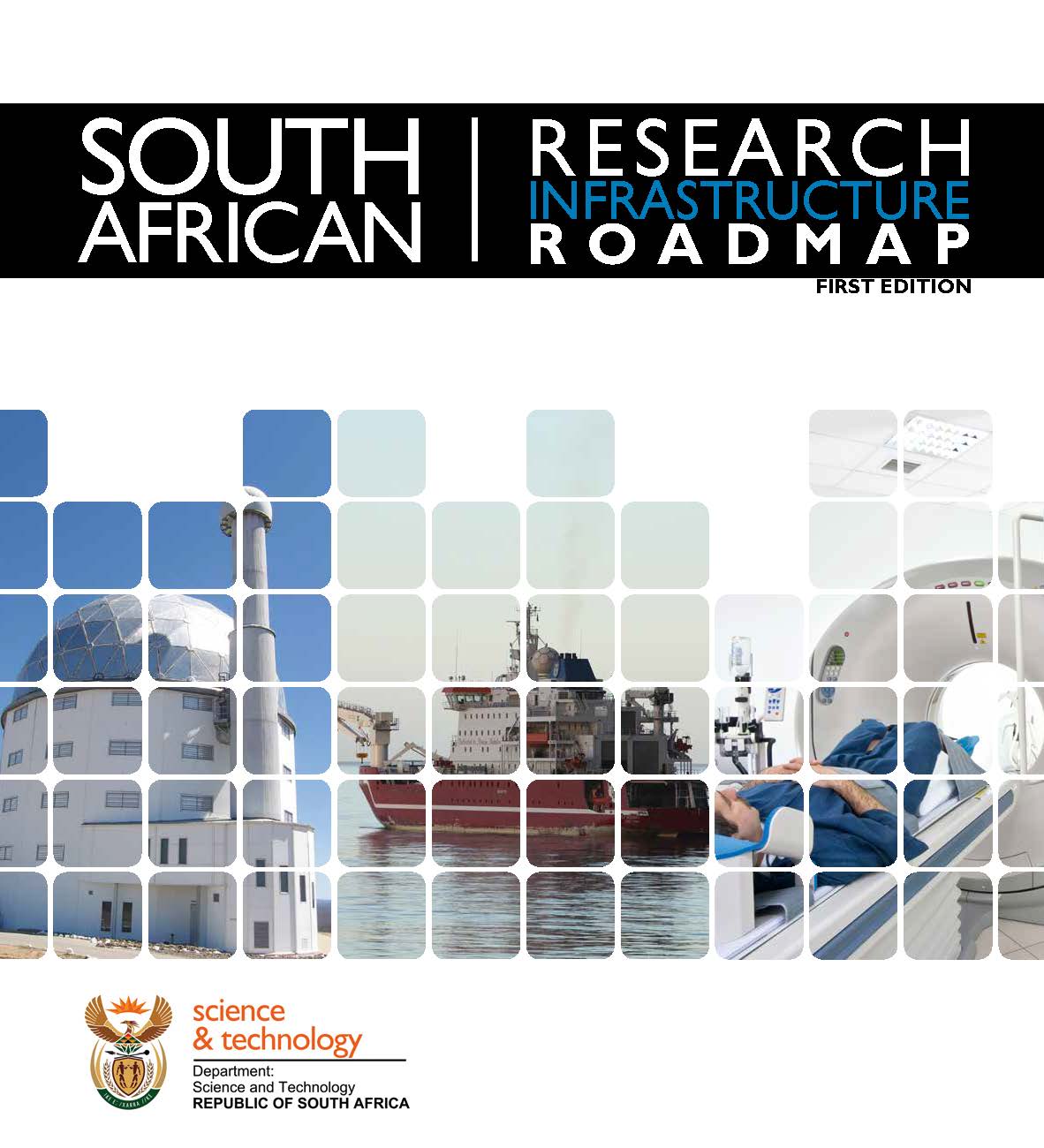 From the Department of Science and Innovation: “To complement the focus on global infrastructure in South Africa, a
 Trusted Repository for research data and to operationally deploy and maintain data services and virtual research environments. They aim to initiate the establishment of federated data repositories. DIRISA is required to formulate national strategic frameworks for data intensive research and data stewardship
 The Research Management Services of South Africa provide support for qualitative Data Analysis. Qualitative data analysis for empirical and theoretical data for students and staff using
  local organising committee, RDA Technical Advisory Board and RDA Secretariat the
 and became a
  Islands since 2004 and have been fortunate to work with some of the legends as well as bright upcoming researchers (then students, now fully established and leading their own research groups). For my sins, I was appointed as Chief shore-based Scientist in 2006 (the first time that a woman held this position), and managed to get all people to relevant huts on time, even though we almost had to put together a rescue party to retrieve Valdon Smith and Sarette Slabber from Mixed Pickle (typical Marion Island bad weather meant that they could not walk over Azorella Kop). Thankfully the weather cleared, and all shore-based people made it back to the SA Agulhas I.
 flowers and pollen, and how do they get back to their hives? Are they really all female? Why are some species so successful while others are continuously threatened and faced with extinction; especially considering that our world is changing much faster than ever before?
 or others impose on us; and it is crucial that we break through these (non-real) boundaries. STEM fields are a case in hand. This is especially true for woman, who traditionally were considered homemakers or child-carers. In STEM specifically, fields such as mathematics, physics and engineering, and traditionally more field-based disciplines such as zoology, botany, or oceanography, are seen as more suited to men (either because women were not traditionally considered as analytically strong, capable to work in the field, or for that matter, be away from home for any period of time). It is critical that any person (both men and women) should carefully consider what they enjoy, what their specific strengths are (be that a STEM career for a woman, or as a child carer / homemaker for a man), and then pursue that with all their strength and passion. Personally, I was initially directed into a field that I had no interest in (because I could not answer questions asked regarding where I would work if my husband lived in a small town), and from a personal perspective I strongly urge and support woman that want to step out of the “beaten track”, i.e., what is typically expected from you by society, and follow what they are passionate about.
 I am currently involved in a number of larger projects which aim to understand how species (individuals / populations) respond to change. One such project is on sub-Antarctic Marion Island (funded through the South African National Antarctic Programme), where we are assembling the full genomes of a number of macroinvertebrate species, with the ultimate aim to understand genes under selection, and how biotic and abiotic factors shape the genetic diversity on oceanic islands. In South Africa, and in collaboration with national (SANBI) and international partners (an NSF/NRF funded project), we are investigating how reptile species adapt to changing and transformed landscapes, and what the downstream impacts are on their genes, morphology and behaviour. Across the African continent, and in collaboration with the Research Centre in Biodiversity and Genetic Resources (Portugal), we are documenting the spatial genetic patterns in a number of economically important larger antelope species (such as roan- and sable antelope); our work here directly informs South African policies on translocations.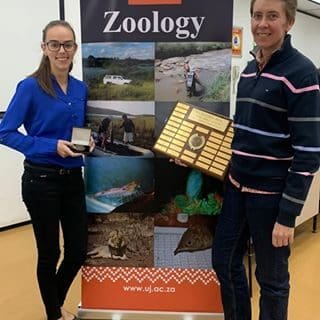

 website
 as our first Monday Man.
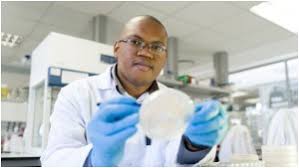 There are very few careers which allow you to generate new knowledge and acquire new insights on a daily basis. Working as a scientist allows me to be at the very cutting edge of knowledge generation
 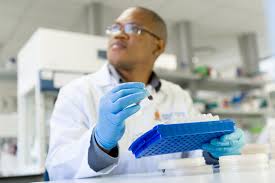 within my field. I love being able to work in a team of scientist working on exciting projects. I get to mentor a range of students, from undergraduates to PhD, all with unique perspectives and insights. As a SANAP researcher, my work allows me access to unique study sites and locations and allows me to work on topics very few people have access to.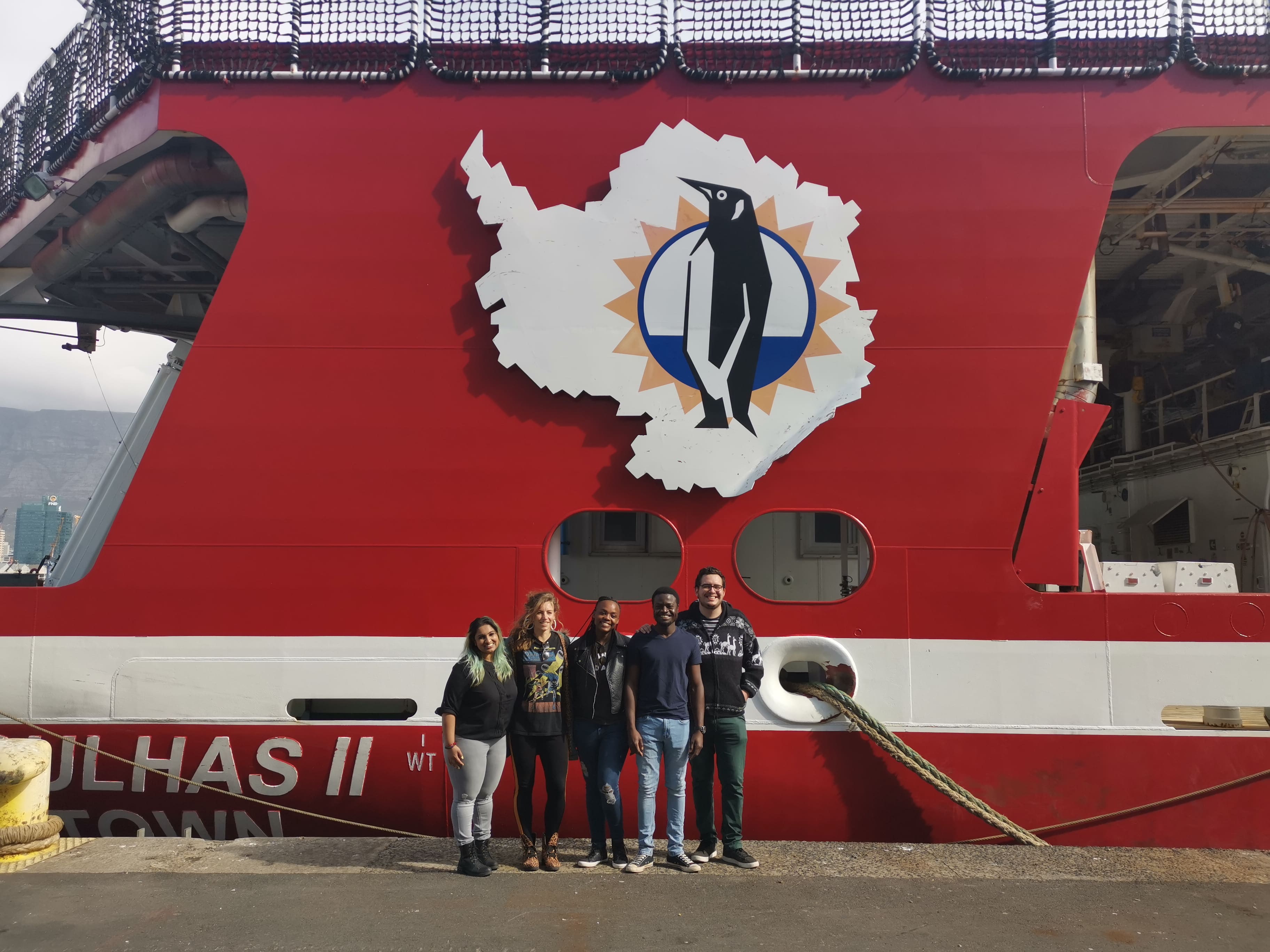

 Dr Thulani Makhalanyane was the 2014/15 winner of a TW Kambule-
 INVITATION FOR INNOVATIVE RESEARCH PROPOSALS
  (40-ISEA)
 -NCPOR operate two-year round stations in Antarctica, which are~ 3000 km apart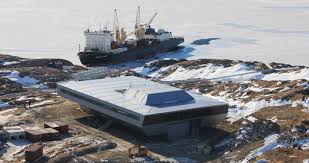
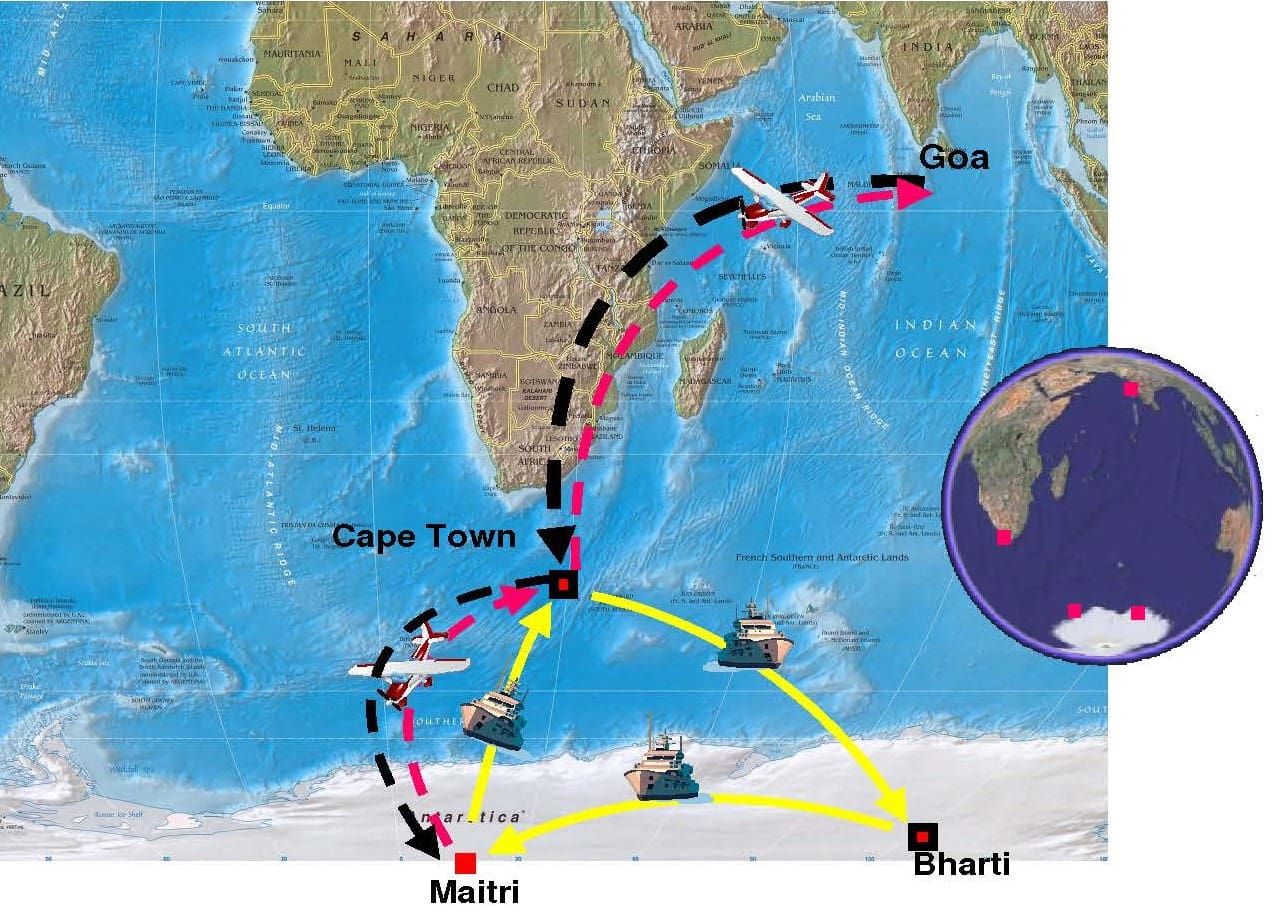 from Goa to Antarctica and back is taken care of by ESSO-NCPOR. Travel only available in Summer Season