by Ria Olivier | Oct 12, 2022 | Uncategorised

In this edition:
- Get to know the team’s medical doctor and team leader, JC Laubscher
- Find out more about his work at SANAE IV as a medical doctor.
- He speaks about his Antarctic journey, expectations vs reality of Antarctica and much more.
“ I think that’s the allure of this place for me – it’s that cocktail of danger, beauty, violent temperament and tranquil majesty all rolled into one”.
July/August Birthdays
Click here to view all the newsletters SANAE 61 has published to this date.
Anche Louw, Antarctic Legacy of South Africa, 12 October 2022
by Ria Olivier | Feb 3, 2022 | Not-Assigned, Uncategorised
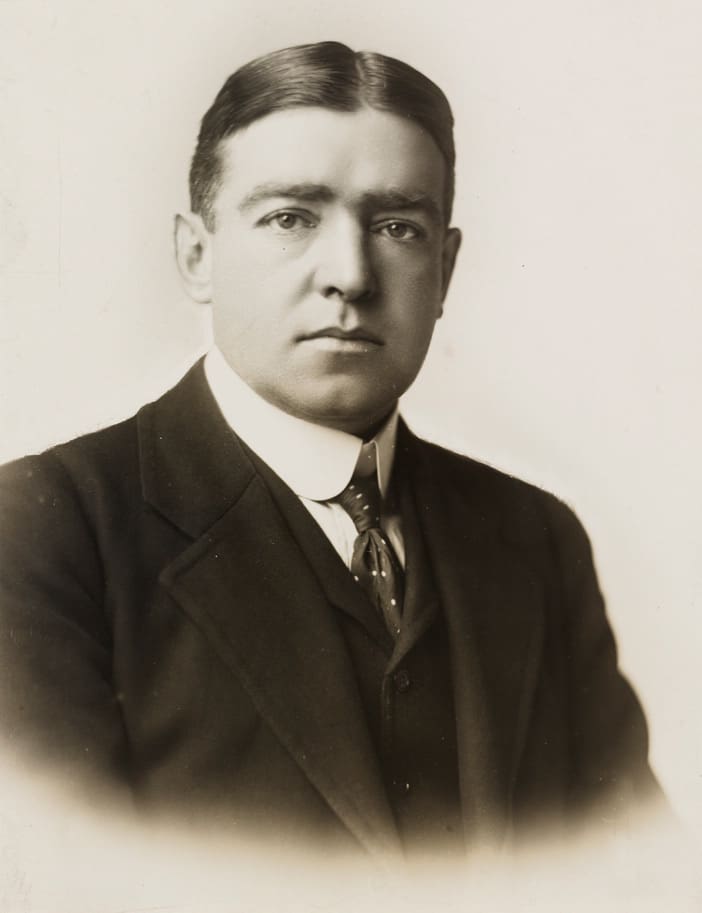
Sir Ernest Shackleton.
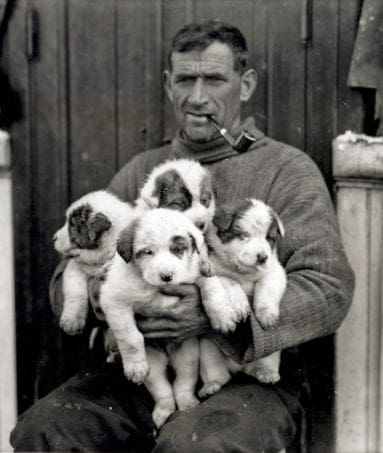
Tom Crean with puppies.
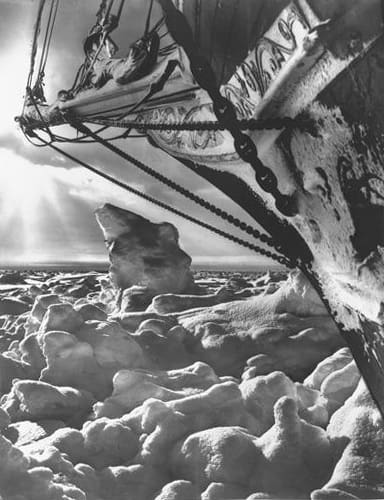
The year is 1914, with the imminent threat of World War I, Sir Ernest Shackleton was on the cusp of embarking on a journey to the uncharted South Ocean and treacherous Antarctic region. Upon learning about the mobilization of troops, supplies and volunteer soldiers, Shackleton offered up his ship the “Endurance”, men, and services in the event of war breaking out. He was initially given the “Proceed” command from the Admiralty office, however soon after received a telegram from Winston Churchill thanking him for the offer but would prefer that they proceed with the expedition.
Sir Ernest Shackleton and Frank Wild with the crush “Endurance”.
The “Endurance”
Thus, giving birth to one of history’s most epic expeditions, tale of bravery, resilience and spirit of adventure. The “Endurance” set sail for South Georgia, where it was stocked, and preparations made for the harrowing journey into the uncharted Weddell Sea. Unfortunately, the “Endurance” was met with an unforgiving sea and severe ice conditions which soon caused the untimely demise of the expedition and eventual loss of the vessel, beneath the frozen tundra. Although the ship was lost to the sea, the spirit of survival and unshakeable brotherhood of the “Endurance” crew is a timeless tale echoed throughout history. Shackleton’s efforts in rescuing his men and safe return of every crew member remains a remarkable story never to be forgotten and has paved the way for future intrepid explorers.
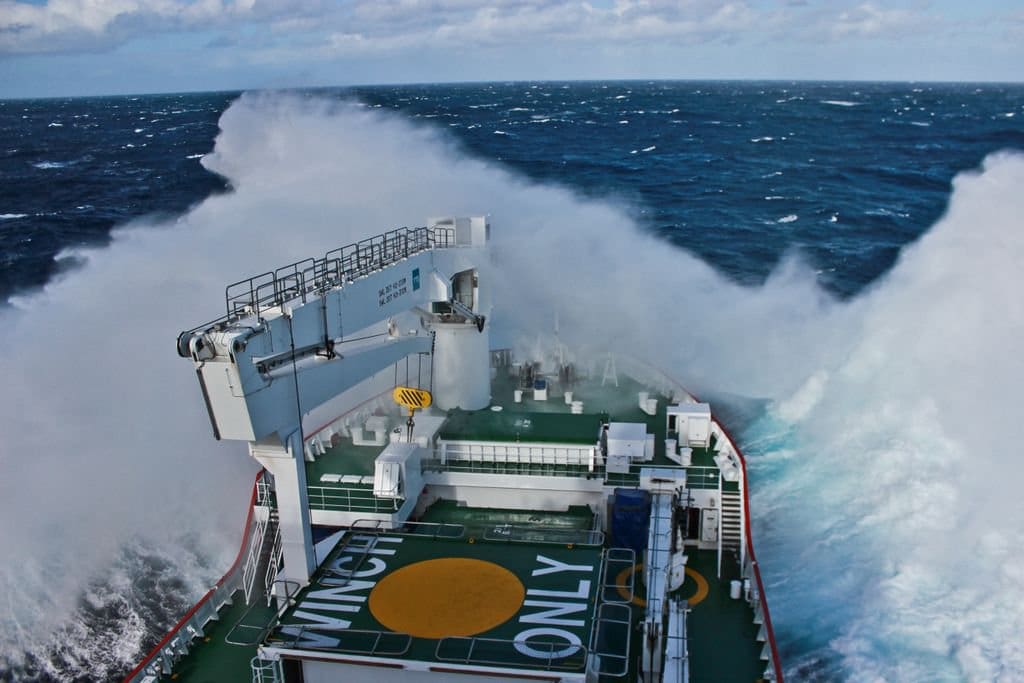
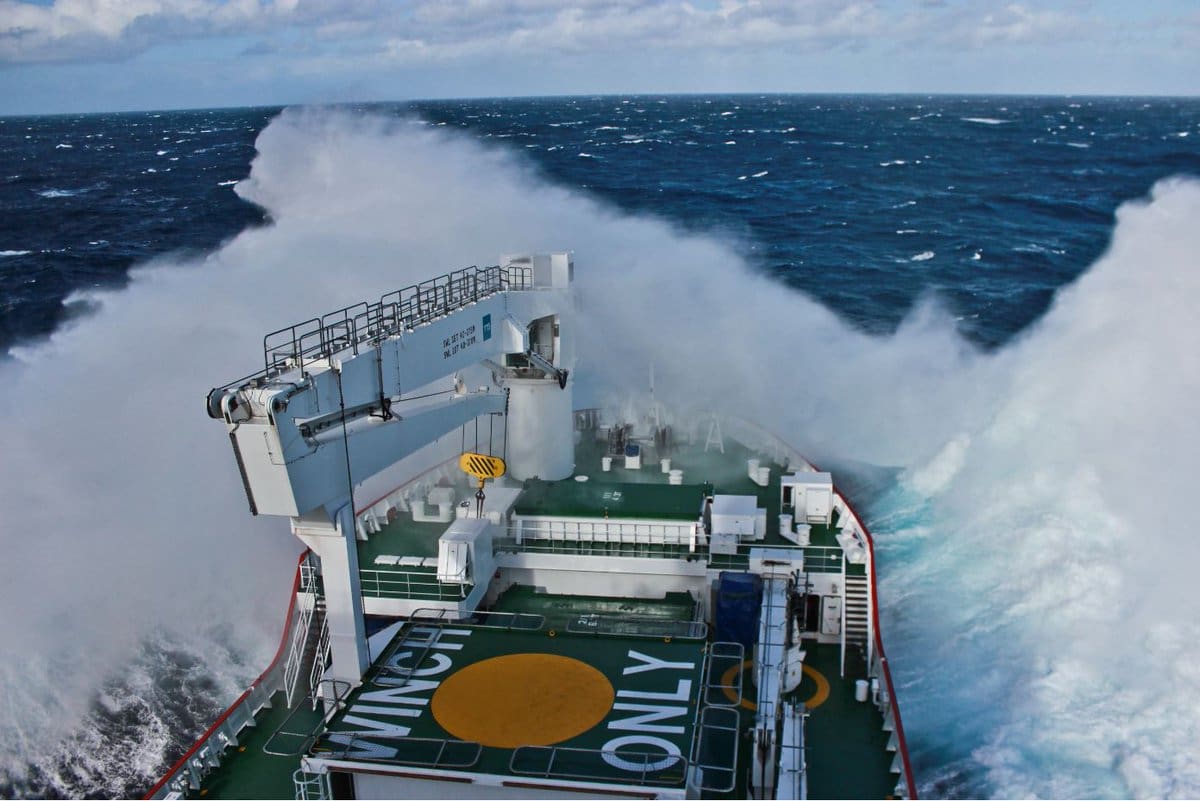
SA Agulhas II sailing bow-slamming in the Southern Ocean. Photograph: Marcel du Plessis
Fast forward 104 years, in February 2019, the S.A. Agulhas II set out to make the first attempt (Weddell Sea Expedition 2019) in reaching the last known sinking site of the “Endurance” with the hopes of uncovering the wreck. The expedition was successful in that the vessel, along with its ambitious expedition team reached the sinking site and conducted a plethora of oceanographic operations. Unfortunately, the search for the “Endurance” was abandoned due to the technical difficulties and subsequent loss of oceanographic equipment. The expedition team and S.A .Agulhas II crew faced treacherous seas and extreme ice conditions, indicative of the Weddell Sea. Thus, serving as firm reminder of the unforgiving nature of the Southern Ocean, but with that said the Weddell Sea Expedition team (Endurance 22) returns with renewed hopes in discovering Shackleton’s lost “Endurance”.
Coverage and updates of Endurance 22 Expedition will be covered by and ALSA via social media channels (Twitter, Facebook and Instagram). There is also an amazing opportunity for schools to engage and gain wonderful insight into the voyage through a virtual classroom made possible by “Reach the World” foundation. Register here: https://bit.ly/3HtS8jK
Reach the World, in partnership with the Falklands Maritime Heritage Trust will be the largest virtual exchange expedition in organisational history! Real-time articles, video content from explorers and scientists will be made available as well as communication from Endurance 22 participants throughout the voyage. A number of classroom subjects will be addressed such as STEM, Social Studies, English Language Arts (ELA), and Social-Emotional Learning (SEL)
Learn more and register at explore.reachtheworld.org
Track the S.A. Agulhas II during the Endurance22 Expedition with Captain Knowledge Bengu in the bridge and Freddie Ligthelm as Ice pilot.
Ice-Core and UCT Team of Weddell Sea Expedition 2019. Photograph: Tamara Stubbs
Image above and below taken during the Endurance Expedition in 2019
UCT scientists conducting ice core work during WSE 2019. Photograph: Hermann Luyt
“Sir Ernest Shackleton’s name will for evermore be engraved with letters of fire in the history of Antarctic exploration.” – Roald Amundsen
Images from Sir Ernest Shackleton obtained from : https://www.coolantarctica.com. A great source that can be used in the classroom.
Tahlia Henry, Antarctic Legacy of South Africa, 03 February 2022
by Ria Olivier | Sep 10, 2021 | Mammology, Research, SANAP, Uncategorised
Ross seal ecology, behaviour and physiology in a changing environment
SANAP research project by Prof Trevor Mcintyre in die Department of Life and Consumer Sciences at University of South Afrcia as principal investigator and Dr Mia Wege , Co-Invesitigator from Department of Zoology and Entomology at University of Pretoria.
Antarctica and the surrounding Southern Ocean marine ecosystems are changing rapidly due to anthropogenic climate change. Seals, whales and seabirds, i.e. top-predators, are abundant and conspicuous components of the Southern Ocean ecosystem. Far-ranging and numerous consumers, they connect food webs and are influenced by the distribution of their prey. Labelled as sentinels of change, they are well-studied in comparison to other Antarctic and Southern Ocean taxa. (Image above: Ross Seal. Credit: Mia Wege)
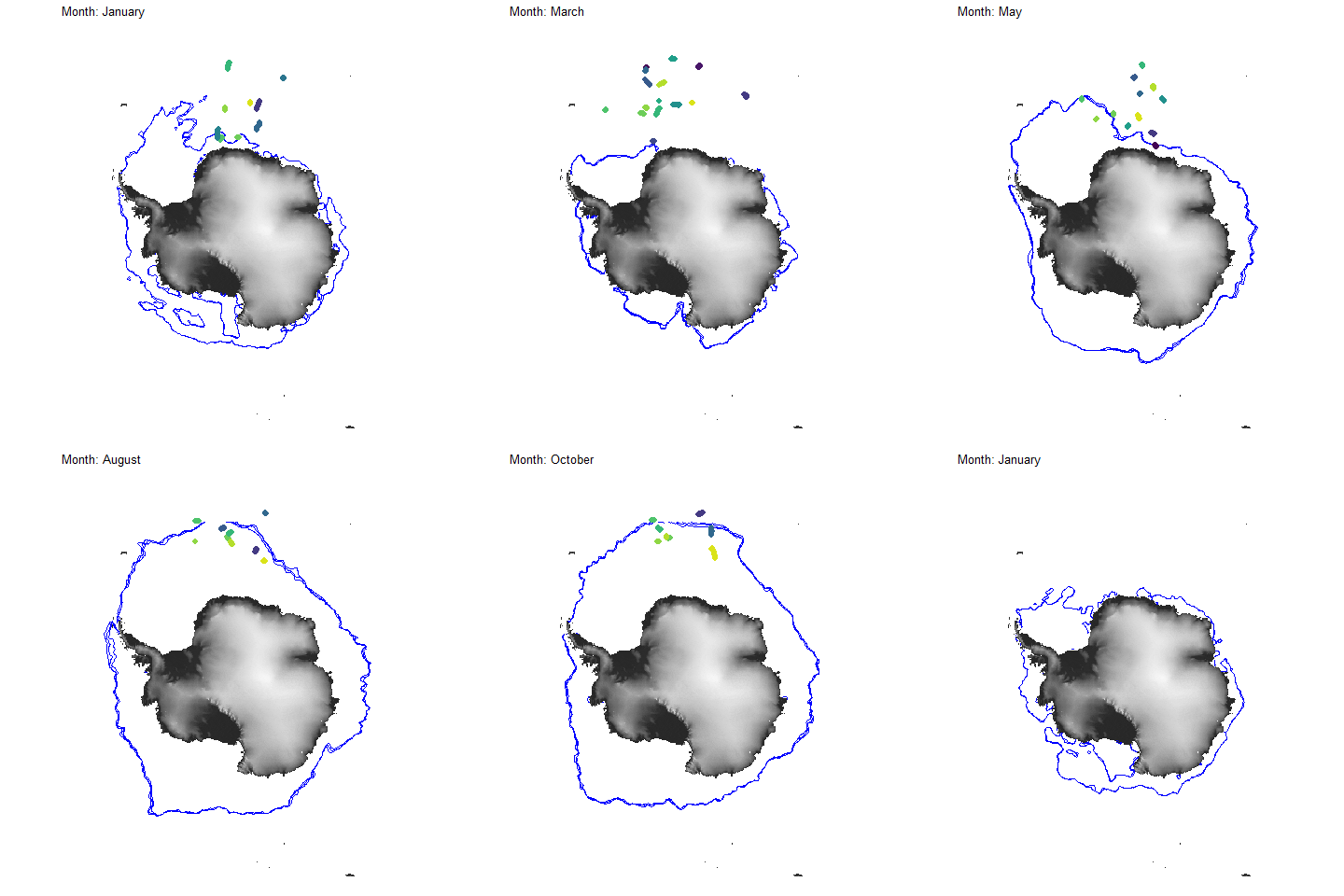
Ross seals (Ommatophoca rossii), the least-studied of all the Antarctic pinnipeds, are unique in their foraging behaviour. Unlike other Antarctic marine predators, they travel north and away from the Antarctic continent. In summer, they hunt for prey in the open ocean, while in winter they spent the majority of their time within the Marginal Ice Zone (MIZ), tracking the seasonal ice edge as it grows within winter. This unique behaviour raises several questions and opportunities to study the impacts of climate change on their ocean habitat. (Image above: Ross Seal Credit: Mia Wege)
This project aims to create an integrative view of Ross seals focusing on foraging ecology, physiology, and interactions with the MIZ. Fine-scale dive recorders will measure how Ross seals adapt their behaviour within the water column in response to environmental change. Novel physiological data collected on their aerobic dive limit and oxygen storage capabilities will determine whether this species is operating at, or close to, its maximum physiological capacity and therefore less capable of compensating for natural or anthropogenic changes in the environment.
A time-series created for compound-specific isotope analyses of amino acids using whisker segments will be able discern how specialised these predators are in their diet in relation to changes in a shifting isotopic baseline.Combining these three facets will determine the level of behavioural plasticity in Ross seals and their ability to cope with a changing environment.
Above: (Left) Trevor McIntyre (Right) Mia Wege
Read article by Mia Wege et al: “Distribution and Habitat Suitability of Ross Seals in a Warming Ocean”
To indulge in a few more images of of seals. Credit: Mia Wege
Crabeater seals
Weddell Seals
Text and images supllied by Trevor McIntyre and Mia Wege.
by Ria Olivier | Sep 2, 2021 | Legacy, Marion Island, Uncategorised
Marion 78, our Overwintering team members at Marion Island celebrate Spring 2021. (Above(l-r: Alicia Siyasanga, Tlhonolofatso)
Our Meteorologist team of the South African Weather Services, Alicia Phakula (Meteorologist Technician), Siyasanga Mpehle (senior Meteorologist) and Tlhonolofatso Tebele (Meteorologist Technician) made some time to take these pictures on Spring day in the snow and share their experience with us.
Danielle Conri, field assistant on killer whales of the Marion Island Marine Mammal Program of Pretoria University celebrates spring day while crossing though Marion Island to sensus seals (photo credit Wild Ocean Wanderers)
Always good to make a snow angel.
Follow Wild Ocean Wanderers on Facebook to keep up to date with the Marion 78 team
by Ria Olivier | Jun 25, 2021 | International Days, Oceanography, Research, SA Agulhas II, Uncategorised
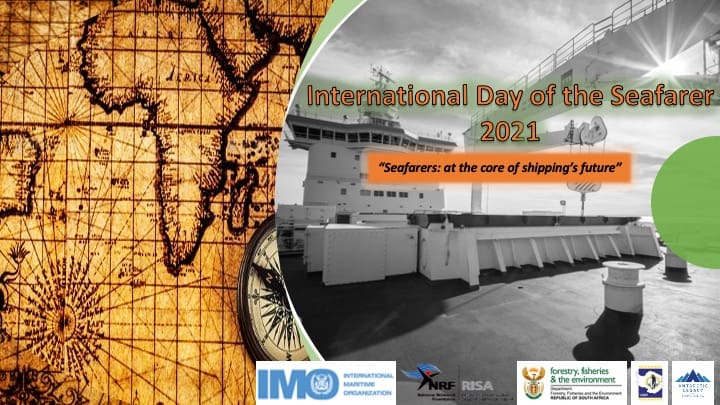
On the 25th June, we celebrate International Day of the Seafarer and recognise the invaluable contribution seafarers make to world trade and the global economy.
The Day of the Seafarer was established in 2010 by a resolution adopted in Manila during a diplomatic conference and has since been driven by the International Maritime Organization (IMO). This year is the 11th anniversary of the Day of the Seafarer and the IMO has outlined the following theme: “Seafarers: at the core of shipping’s future”. The theme “seeks to increase the visibility of seafarers by drawing attention to the invaluable role they play now and will continue to play in the future.”
This day allows for the recognition of the unique and vital roles seafarers play in the global community and the United Nations recognise this as an observance day. The Day of the Seafarer encourages the public and ignites official conversations about seafarers and the need to uphold their well-being, ensure a safe working environment and pay tribute to the great sacrifices made within this industry.
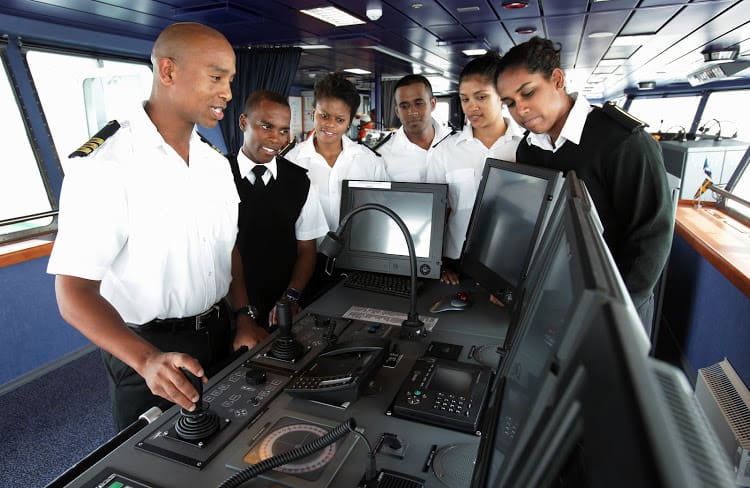
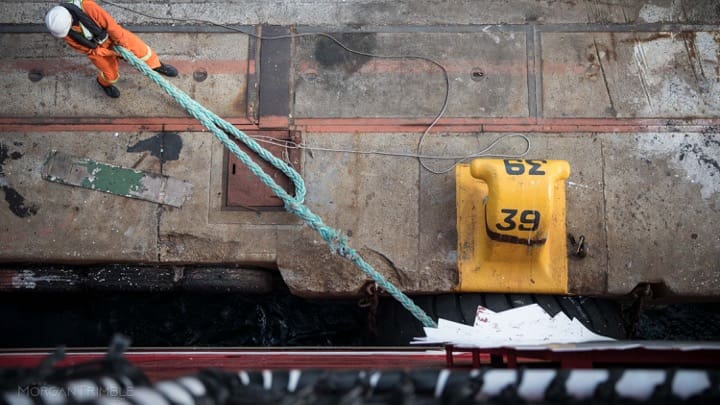
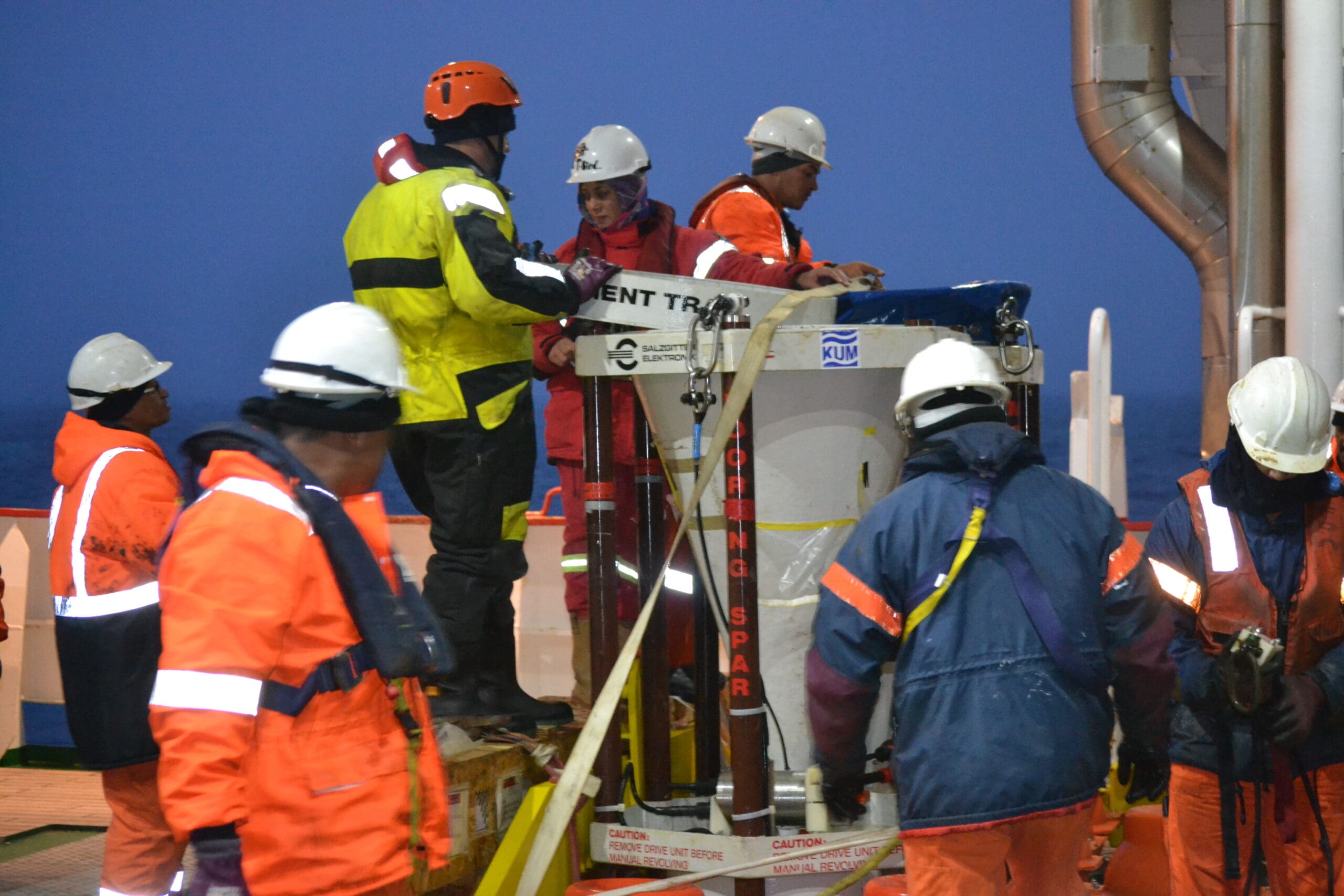
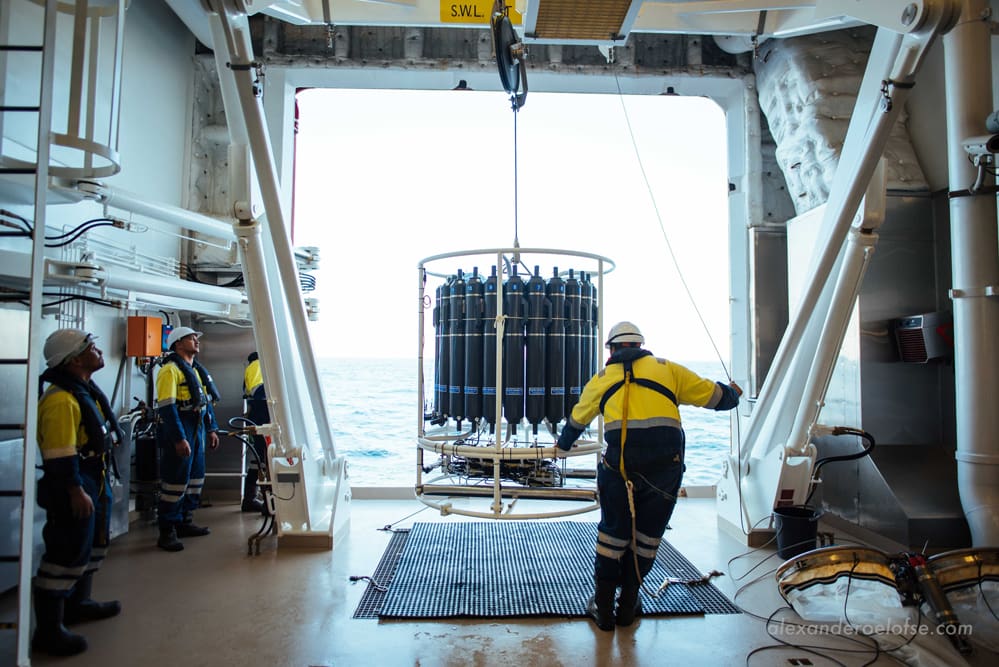
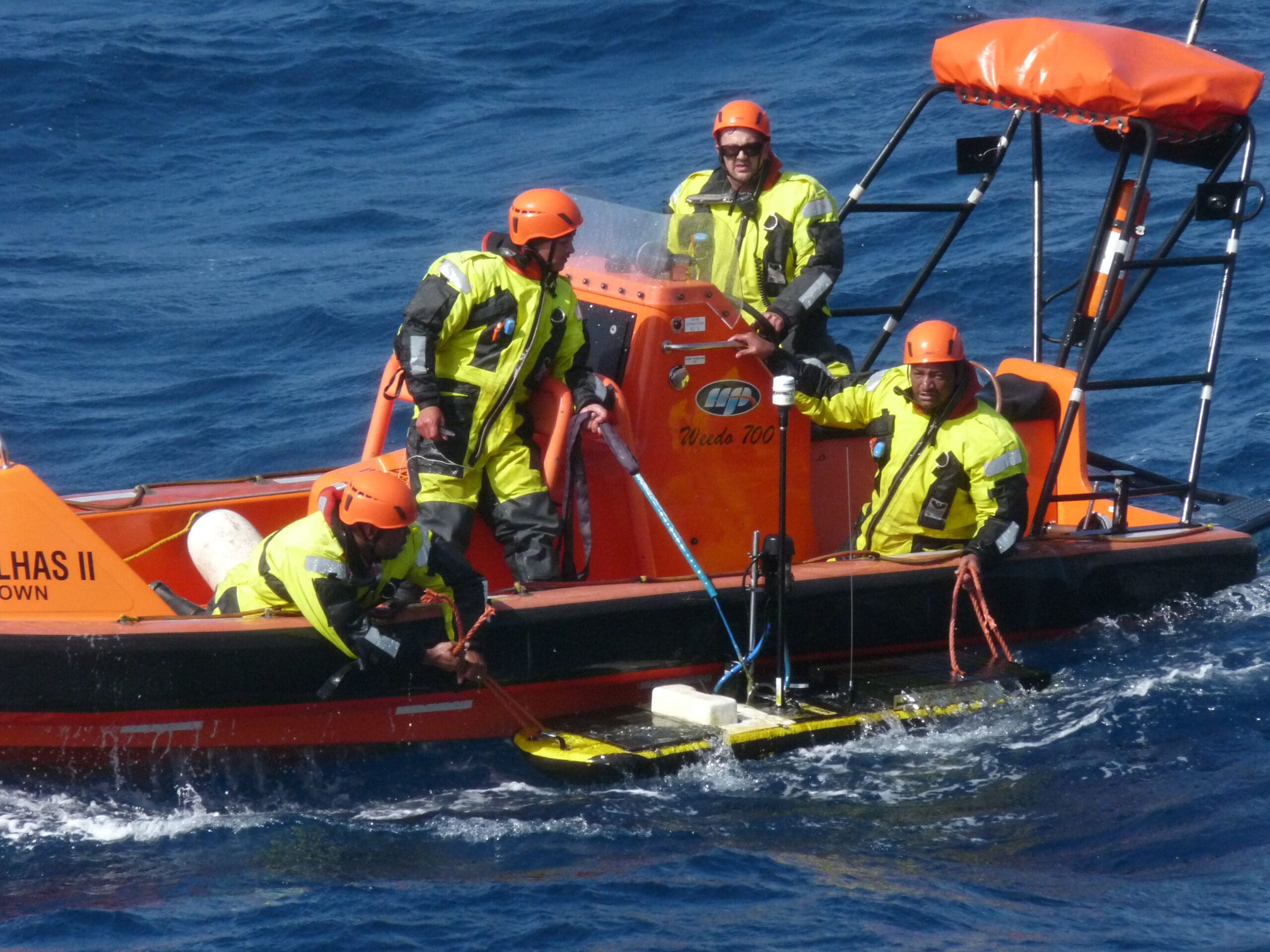
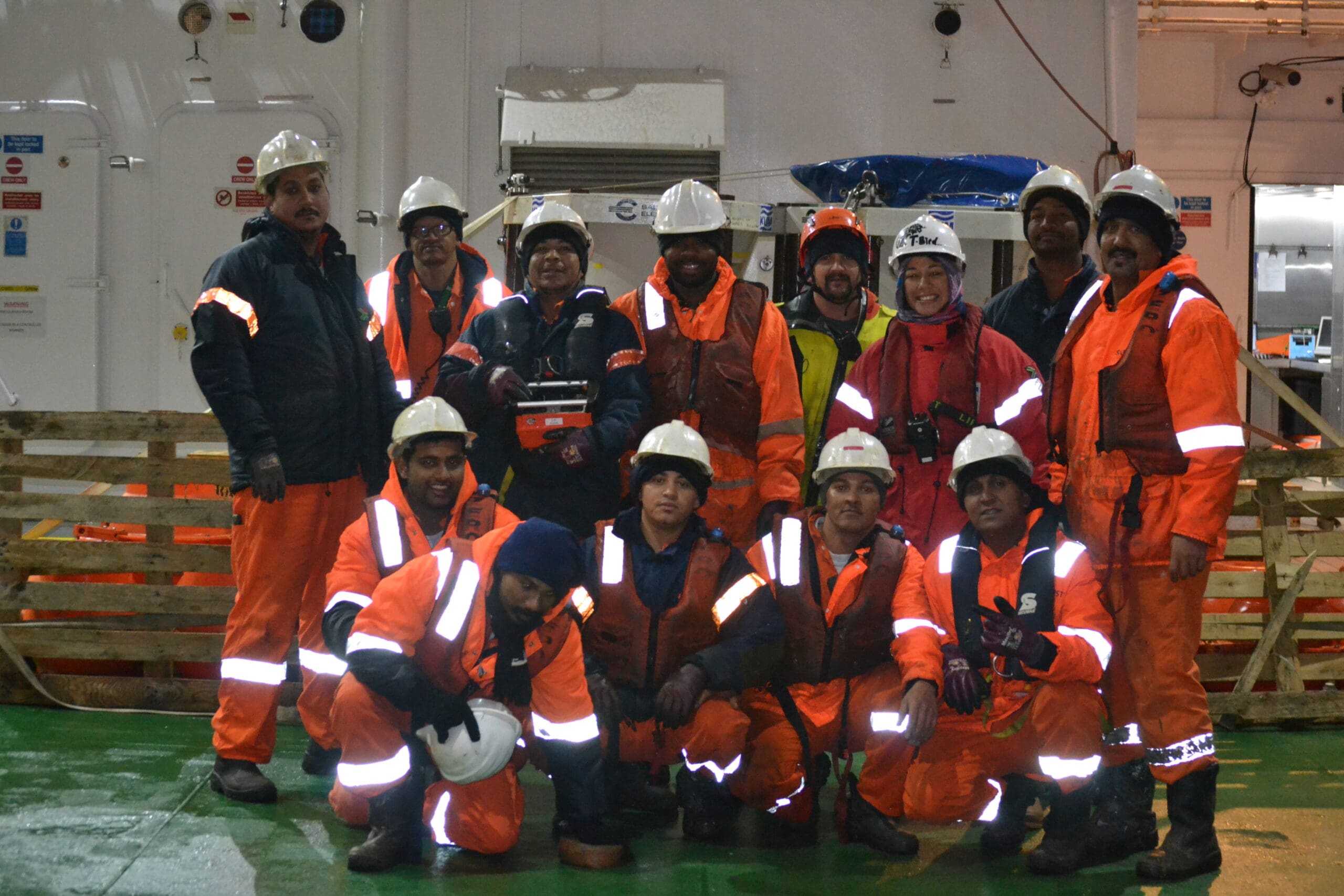
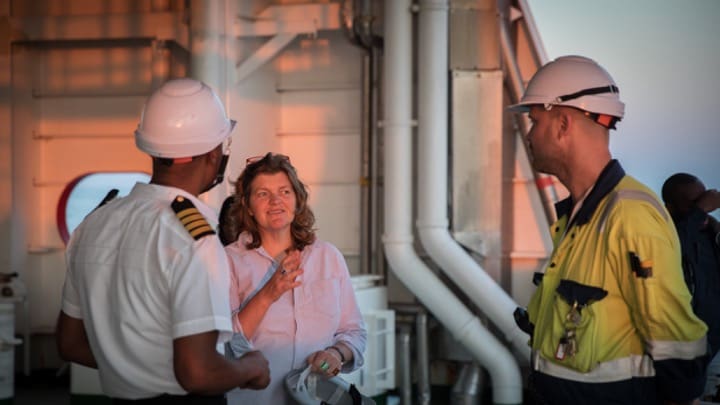
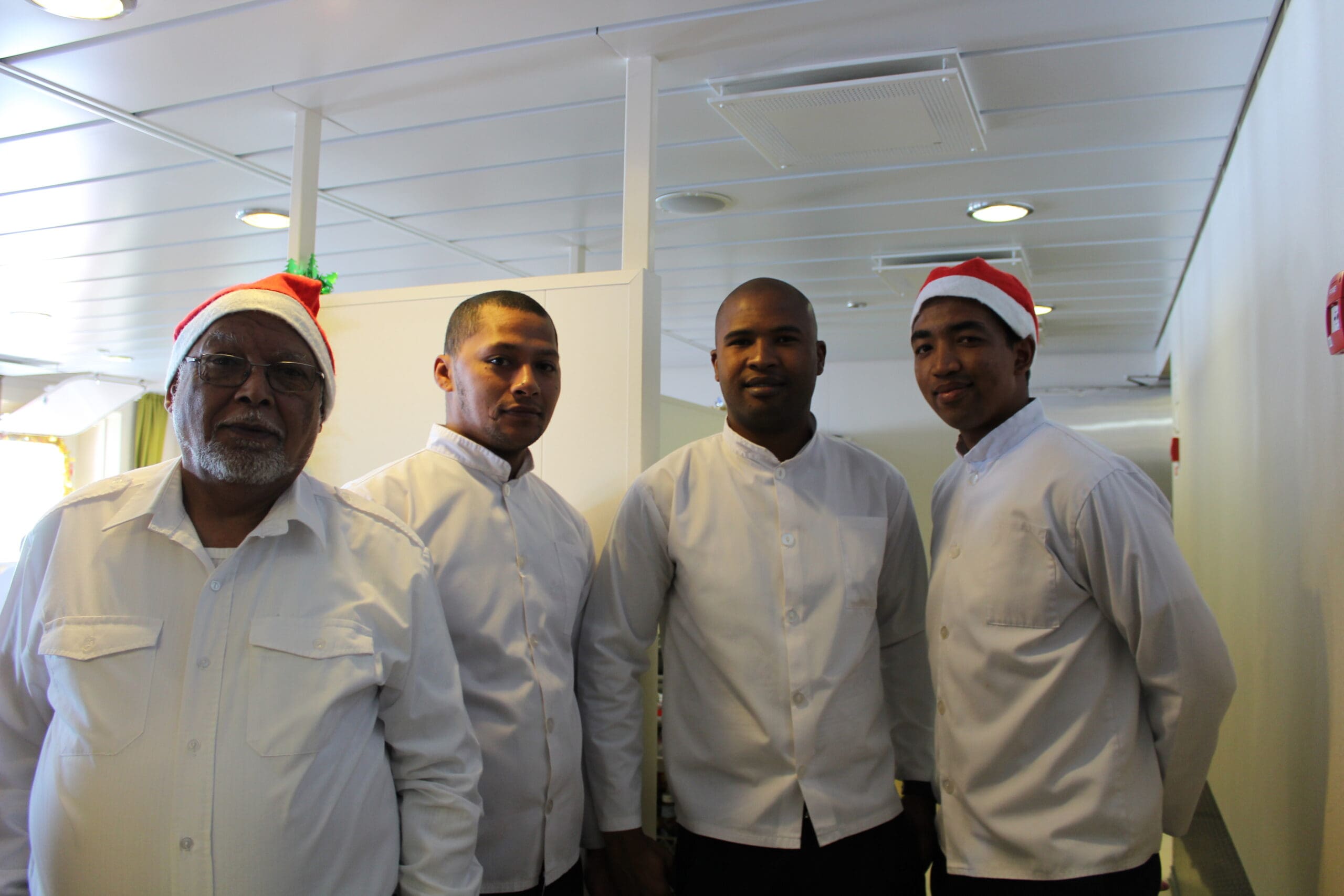
The Antarctic Legacy of South Africa (ALSA) wishes to extend our thanks to the African Marine Solutions: AMSOL seafarers that have served aboard the SA Agulhas I and II over the years. The SA Agulhas II has played host to many Overwintering teams, ushered to the Sub-Antarctic Islands and “home” to SANAP scientists and students for research expeditions. Captains, officers, engineers, deck crew and stewards all play an essential role in the success of a research cruise. Working round the clock to ensure the smooth execution of scientific operations, ensuring a safe working environment and navigating through some of the world’s most treacherous seas.
This is an industry which requires great sacrifice and time away from home, however the AMSOL personnel have a level of professionalism which makes working on board efficient and turns the vessel into a “home away from home” for many scientists.
A great sense of pride and honour is instilled in all who sail aboard the SA Agulhas II and is seen as privilege to be part of this legacy of exploration. We thank all administrative staff involved with ensuring safe and efficient operations and celebrate all seafarers, without whom our scientific endeavours in the Southern Ocean would not be possible.
Tahlia Henry, Antarctic Legacy of South Africa, 25 June 2021
by Ria Olivier | Jun 19, 2021 | Uncategorised
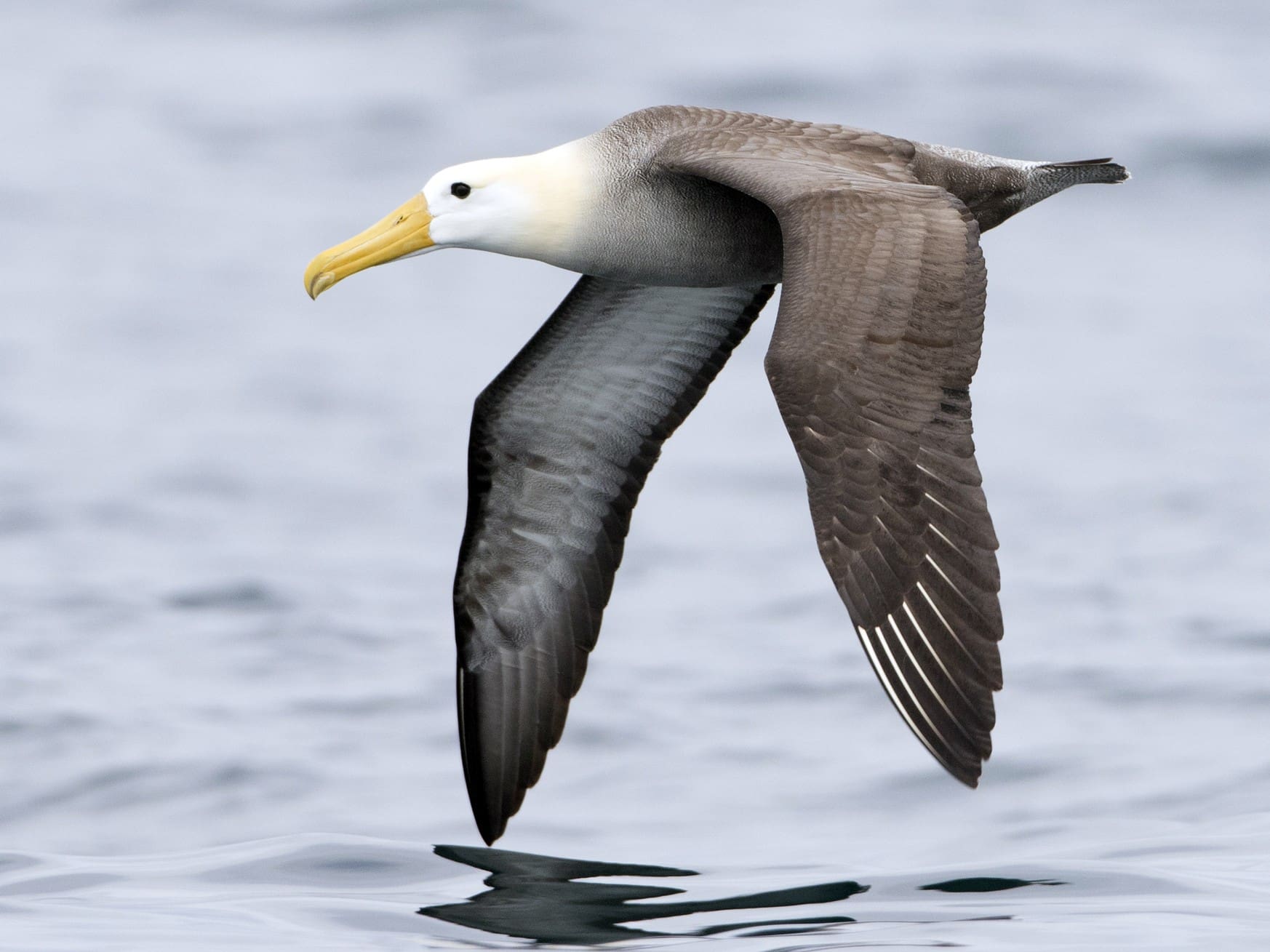
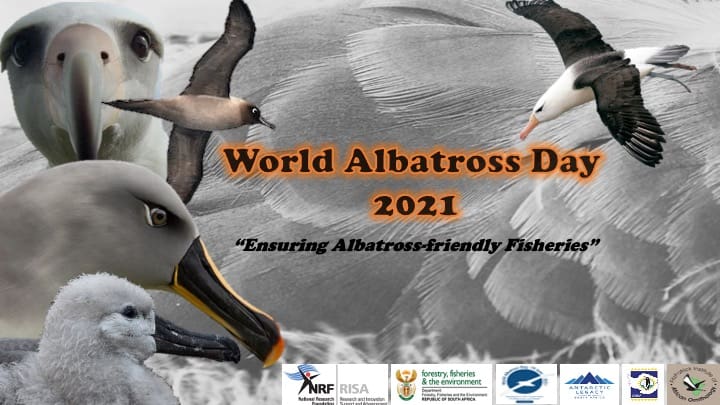
World Albatross Day 2021 is finally here! In May 2019, The Agreement of Conservation of Albatrosses and Petrels (ACAP) Advisory Committee stated that a conservation crisis is faced by 31 listed species of seabirds. Thousands of petrels, shearwaters and albatrosses are dying every year due to the impact of the fishing industry. The need to increase global awareness was instituted by the ACAP in 2020 and thus World Albatross Day is now celebrated every year on the 19th June.
The theme for World Albatross Day 2021 is “Ensuring Albatross-friendly Fisheries”. Due to the large number of seabirds killed as a result of fisheries industry was a main catalyst for the establishment of ACAP and the need to continue and strengthen conservation efforts on a global scale.
Fun and amazing facts about the albatross is that there are 22 species in the world and they can fly 16,000 km without returning to land! These seabirds are incredible and in support of World Albatross Day, ACAP have created posters and artwork of the 22 albatross species which can be downloaded at (www.acap.aq). The hope is that through the use of these resources, awareness and appreciation for the albatross will be steered amongst members of the public, organisations, schools and Trusts. More albatross images can be viewed on the Antarctic Legacy of South Africa digital repository, which have been collected over the years from Overwintering team members and Takeover Personnel.
Furthermore, South African National Antarctic Programme (SANAP) in conjunction with Birdlife – South Africa and Percy Fitzpatrick Institute of African Ornithology (UCT) has played an integral role in seabird preservation through ongoing conservation programmes and research projects. Ornithologists form part of the Overwintering teams stationed at South Africa’s research bases namely, Marion Island and Gough Island. Their aim is to conduct conservation research on the seabird population and how best to combat the threats impacting the seabird population. The Gough Island Restoration Programme, was established to eradicate the invasive mice species (introduced by sailors during the 19th century) which exploit available food resources and cause bodily harm to albatross chicks and adults. The Mouse-Free Marion programme objectives are as follows: – as seen on Gough Island Restoration Programme webpage.
- To prevent the extinction of the Critically Endangered Tristan albatross, the Endangered MacGillivray’s prion, and several other small seabird species that are affected by invasive non-native mice.
- To restore the fortunes of Gough Island’s seabirds and ensure the island remains one of the world’s most important seabird nesting sites, worthy of its World Heritage Site status.
- To support Tristan da Cunha in ensuring the long-term future of this special island and its unique wildlife.
Tristan Albatross
Waved Albatross
Two critically endangered albatross species (namely: Tristan and Waved albatross) from Gough Island and the Galapagos islands have been chosen to serve as the “feature species” to draw attention to the continuing threats all the world’s species of albatrosses face. It is essential to protect and conserve seabirds as they form an integral part of the oceanic ecosystem. Let’s celebrate World Albatross Day, by raising awareness, educating the public about the ongoing issues and show our support of research endeavours such as the Mouse-Free Marion project: https://blogs.sun.ac.za/antarcticlegacy/2021/04/16/do-you-want-to-be-part-of-the-legacy-to-make-marion-island-mouse-free/
Cover photo: Tahlia Henry



 Coverage and updates of Endurance 22 Expedition will be covered by and ALSA via social media channels (Twitter, Facebook and Instagram). There is also an amazing opportunity for schools to engage and gain wonderful insight into the voyage through a virtual classroom made possible by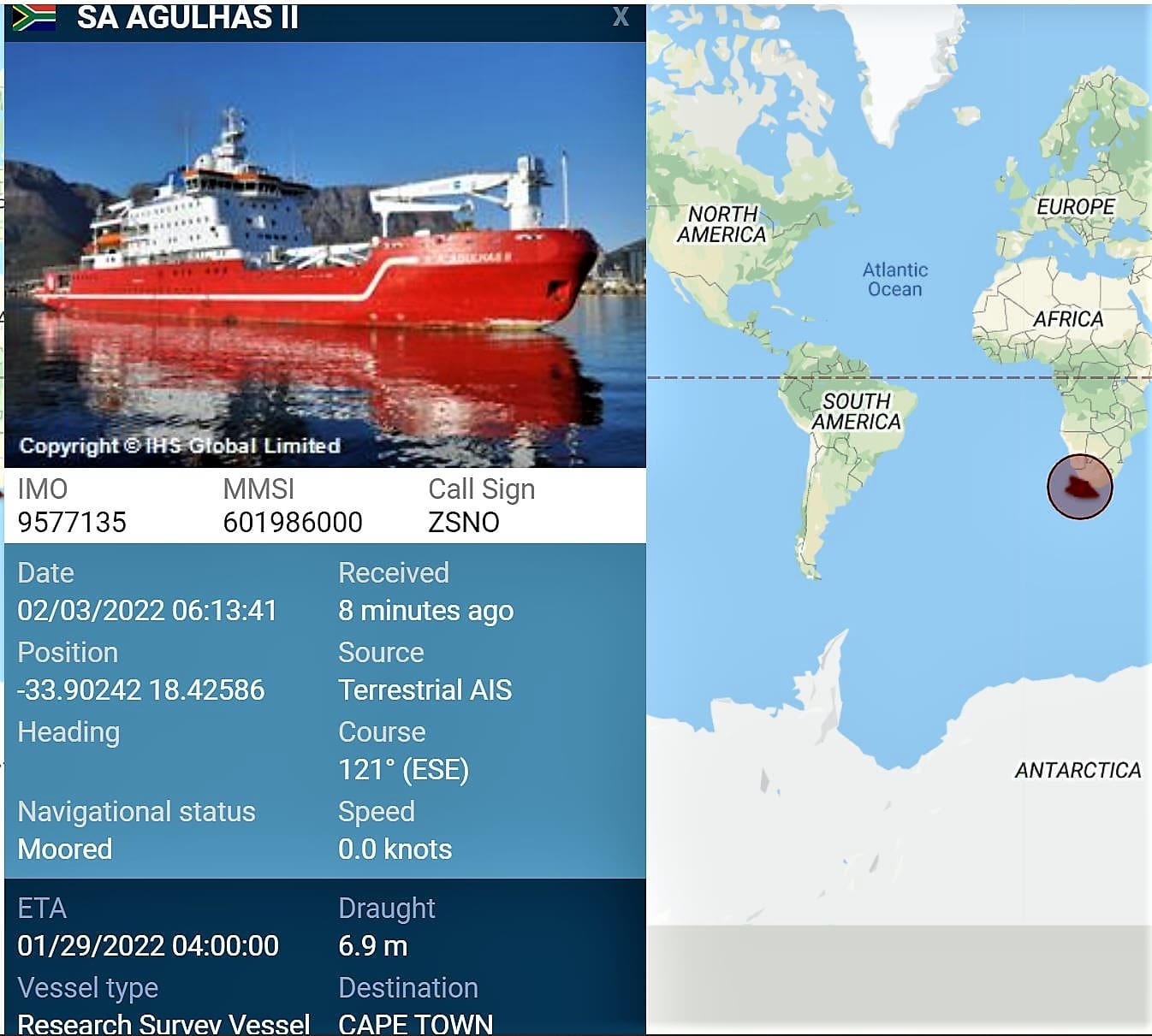



 Antarctica and the surrounding Southern Ocean marine ecosystems are changing rapidly due to anthropogenic climate change. Seals, whales and seabirds, i.e. top-predators, are abundant and conspicuous components of the Southern Ocean ecosystem. Far-ranging and numerous consumers, they connect food webs and are influenced by the distribution of their prey. Labelled as sentinels of change, they are well-studied in comparison to other Antarctic and Southern Ocean taxa. (Image above: Ross Seal. Credit: Mia Wege)
 Ross seals (Ommatophoca rossii), the least-studied of all the Antarctic pinnipeds, are unique in their foraging behaviour. Unlike other Antarctic marine predators, they travel north and away from the Antarctic continent. In summer, they hunt for prey in the open ocean, while in winter they spent the majority of their time within the Marginal Ice Zone (MIZ), tracking the seasonal ice edge as it grows within winter. This unique behaviour raises several questions and opportunities to study the impacts of climate change on their ocean habitat. (Image above: Ross Seal Credit: Mia Wege)
 A time-series created for compound-specific isotope analyses of amino acids using whisker segments will be able discern how specialised these predators are in their diet in relation to changes in a shifting isotopic baseline.Combining these three facets will determine the level of behavioural plasticity in Ross seals and their ability to cope with a changing environment.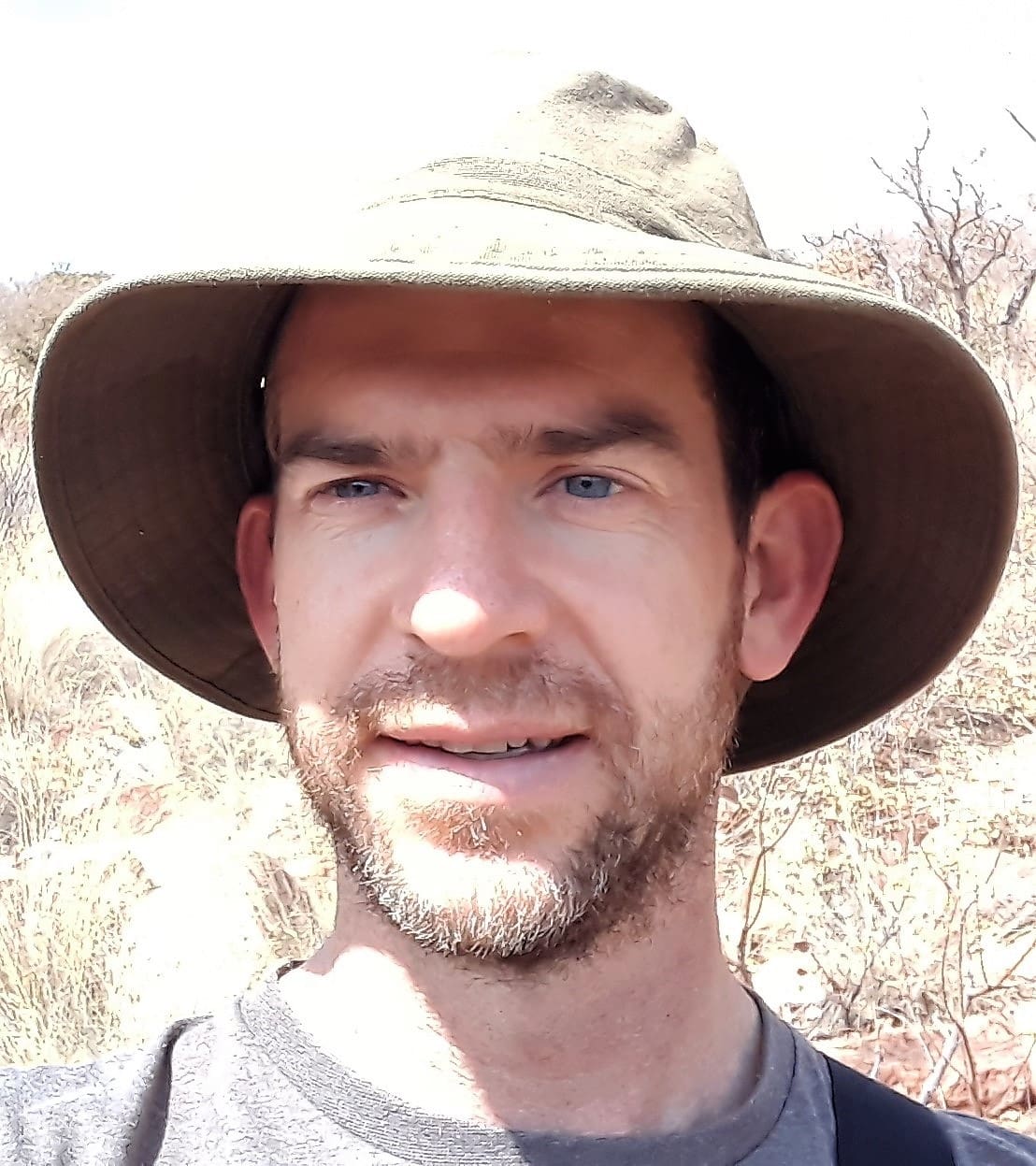
 Above: (Left)
 Crabeater seals


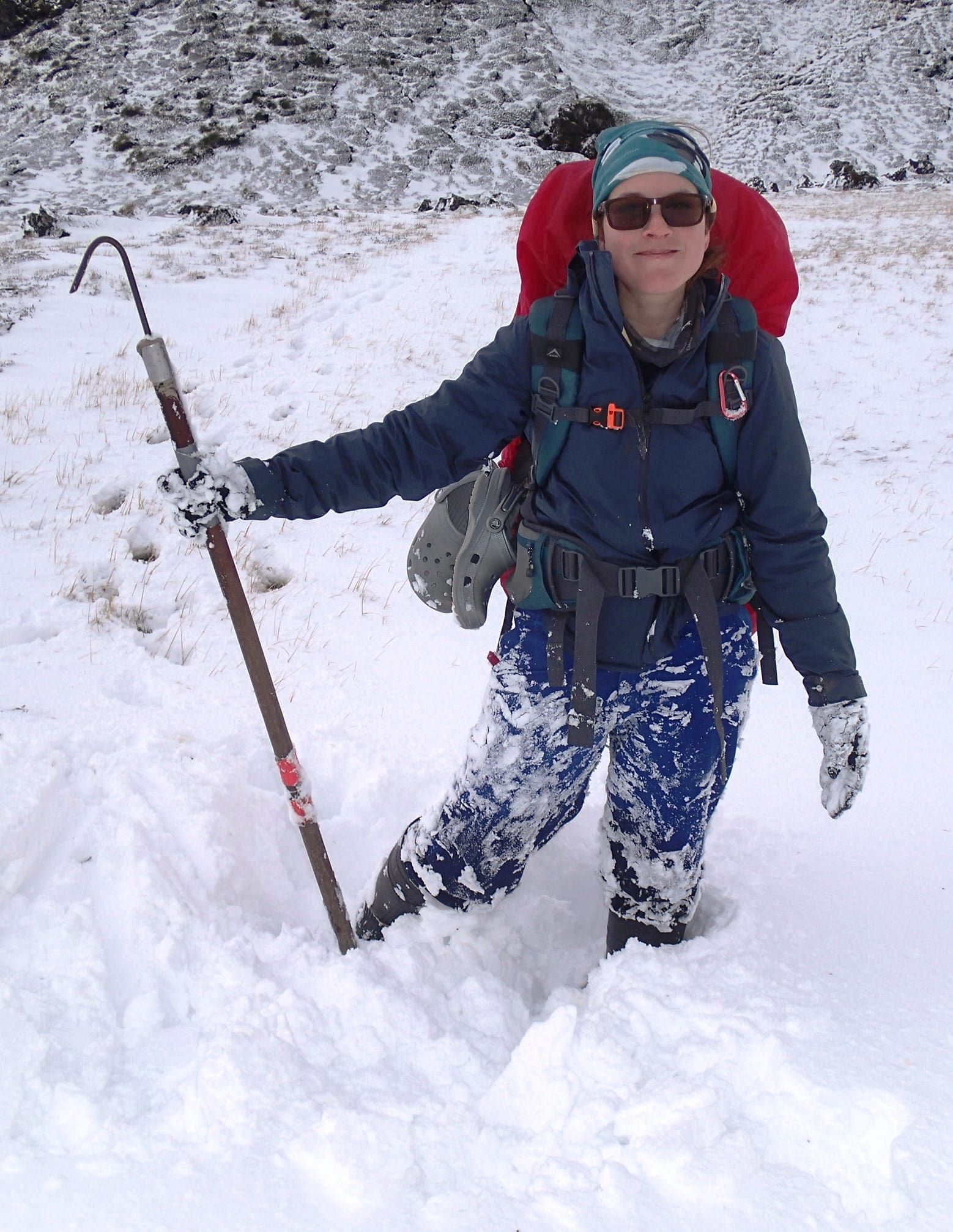 Danielle Conri, field assistant on killer whales of the
 Always good to make a snow angel.

 A great sense of pride and honour is instilled in all who sail aboard the SA Agulhas II and is seen as privilege to be part of this legacy of exploration. We thank all administrative staff involved with ensuring safe and efficient operations and celebrate all seafarers, without whom our scientific endeavours in the Southern Ocean would not be possible.
 Fun and amazing facts about the albatross is that there are 22 species in the world and they can fly 16,000 km without returning to land! These seabirds are incredible and in support of World Albatross Day, ACAP have created posters and artwork of the 22 albatross species which can be downloaded at (
 Furthermore,