by Ria Olivier | Jul 19, 2020 | Fellowship, Research, SA Agulhas II, SANAP, Science, SEAmester, Southern Ocean
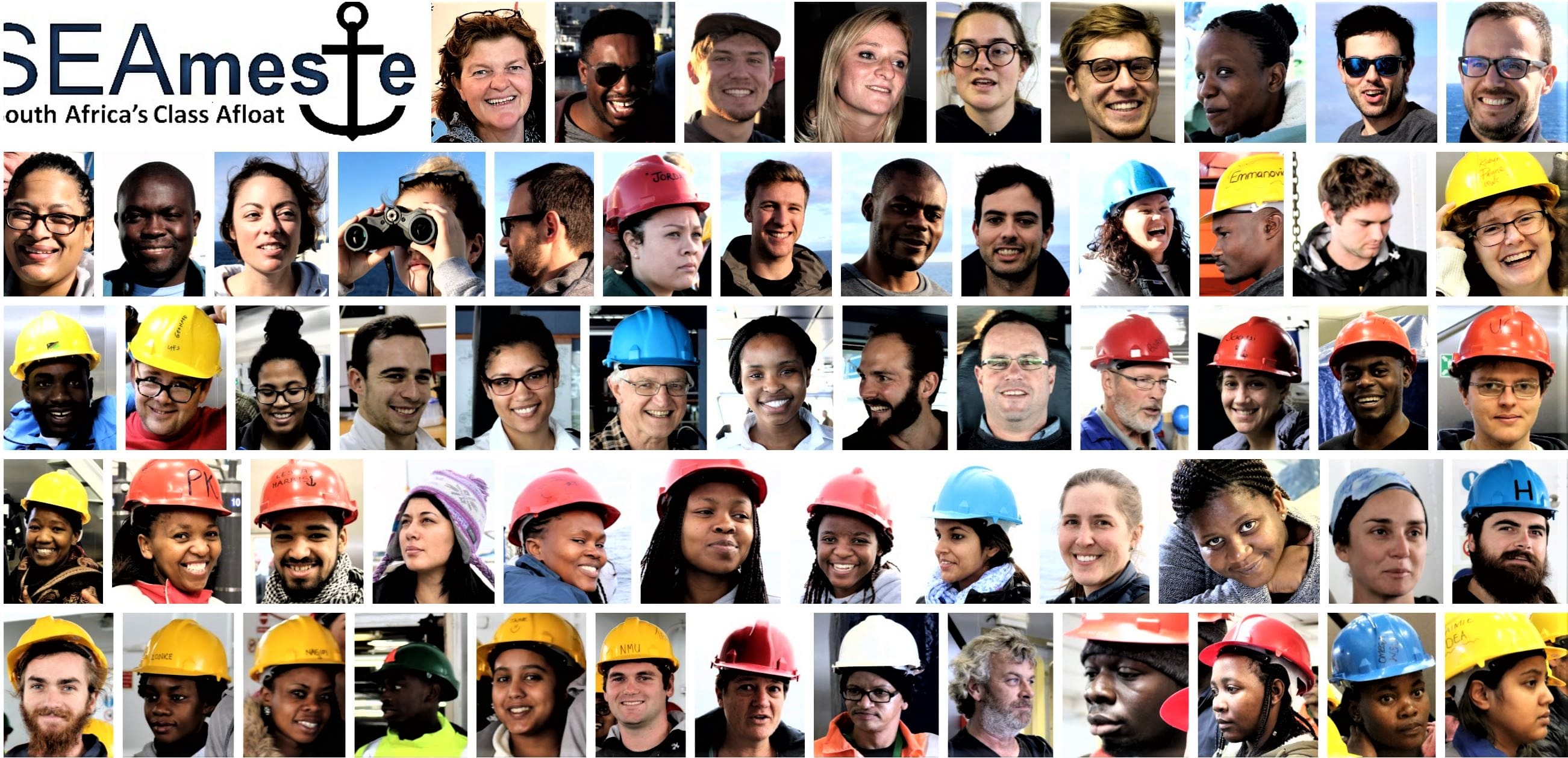
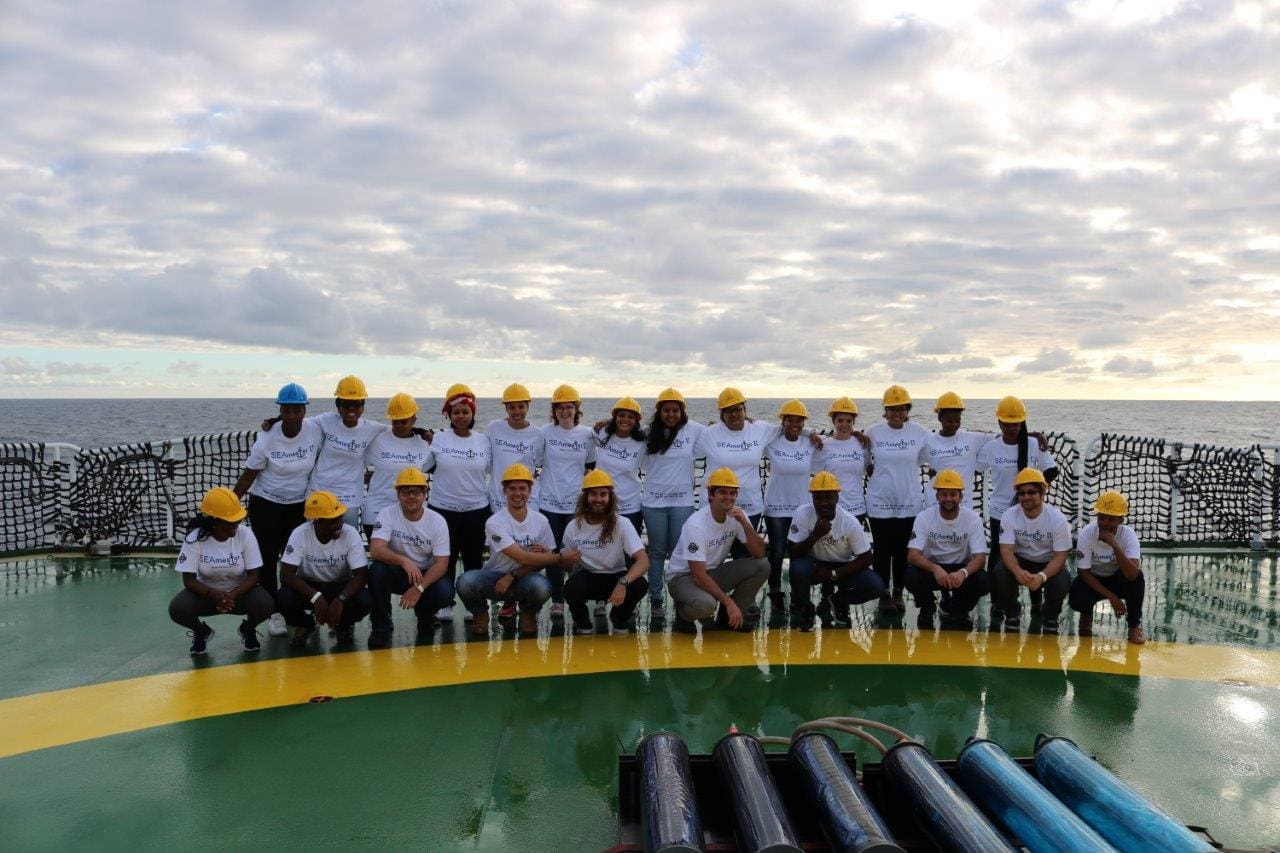
The SEAmester programme is a marine science winter school founded by Prof. Isabelle Ansorge of UCT which takes place at sea and provides the perfect platform for coupling both academic research and learning. Every year approximately 100 students, lecturers and scientists from over 15 different institutions (both local and international) come together for approximately 10 days at sea onboard the SA Agulhas II. SEAmester exposes postgraduate students to multiple different marine science disciplines through daily lectures, practicals, and regular interaction with many professionals conducting their research onboard South Africa’s state of the art research vessel.
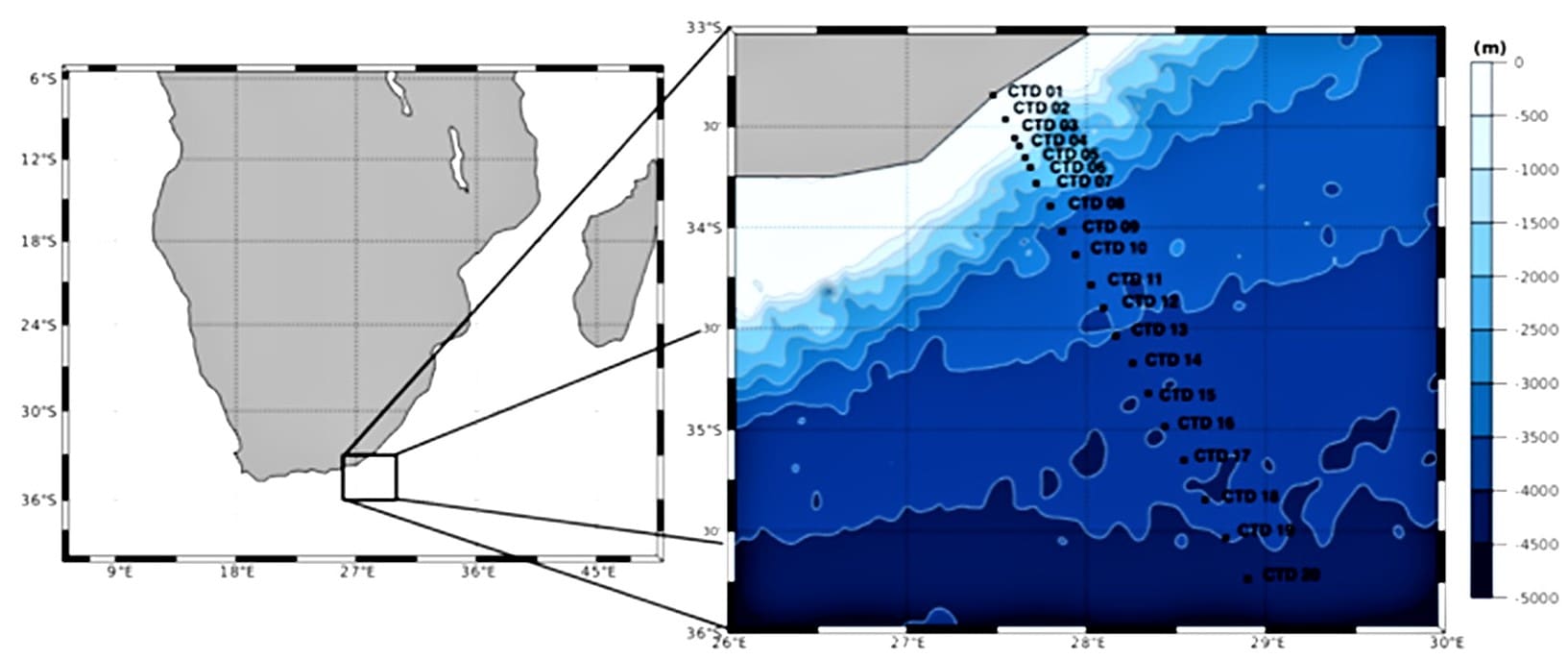
3 of the 4 previous SEAmester cruises have sampled the Agulhas System Climate Array (ASCA) transect. ASCA was an array of moorings deployed across the Agulhas Current from April 2016 to May 2018, in order to better understand the physical properties and dynamics of the Agulhas Current. The ASCA project extended the research undertaken along this array during the Agulhas Current Time-series project by continuing to sample the same 20 hydrographic stations. In-situ data in the Agulhas Current is very rare, and the collaborative, multi-disciplinary approach adopted during SEAmester has greatly improved our understanding of the complex Agulhas Current System. More information in paper by Morris et al., 2017 Above: Location of the stations sampled during SEAmester. Figure by James Maitland.
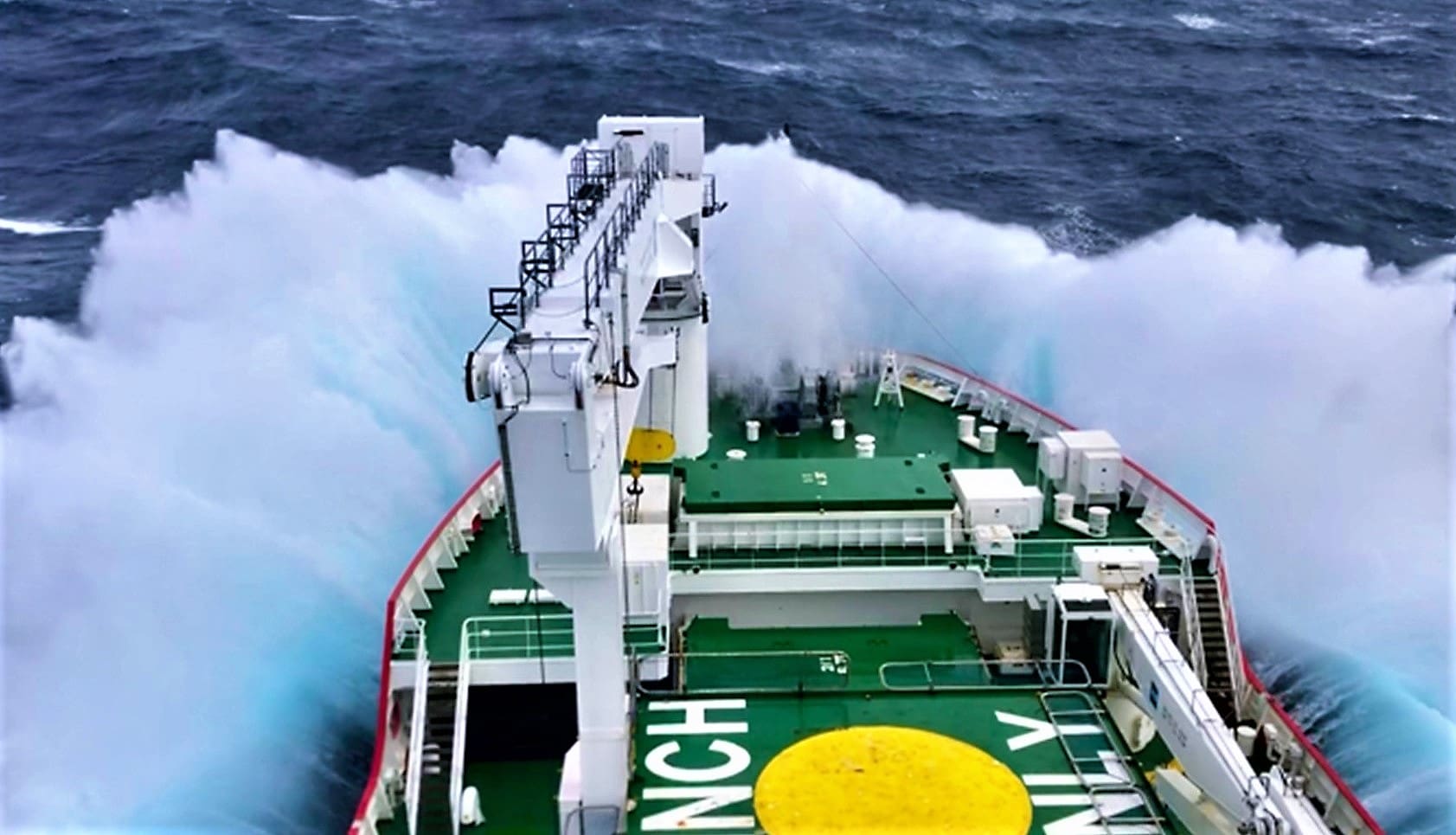
Left: Last year during SEAmester IV we experienced 3 consecutive cold fronts with resulting waves of up to 10m in size. This rough weather meant we were only able to sample 16 out of 20 of our planned stations. Photo credit: Thando Mazomba
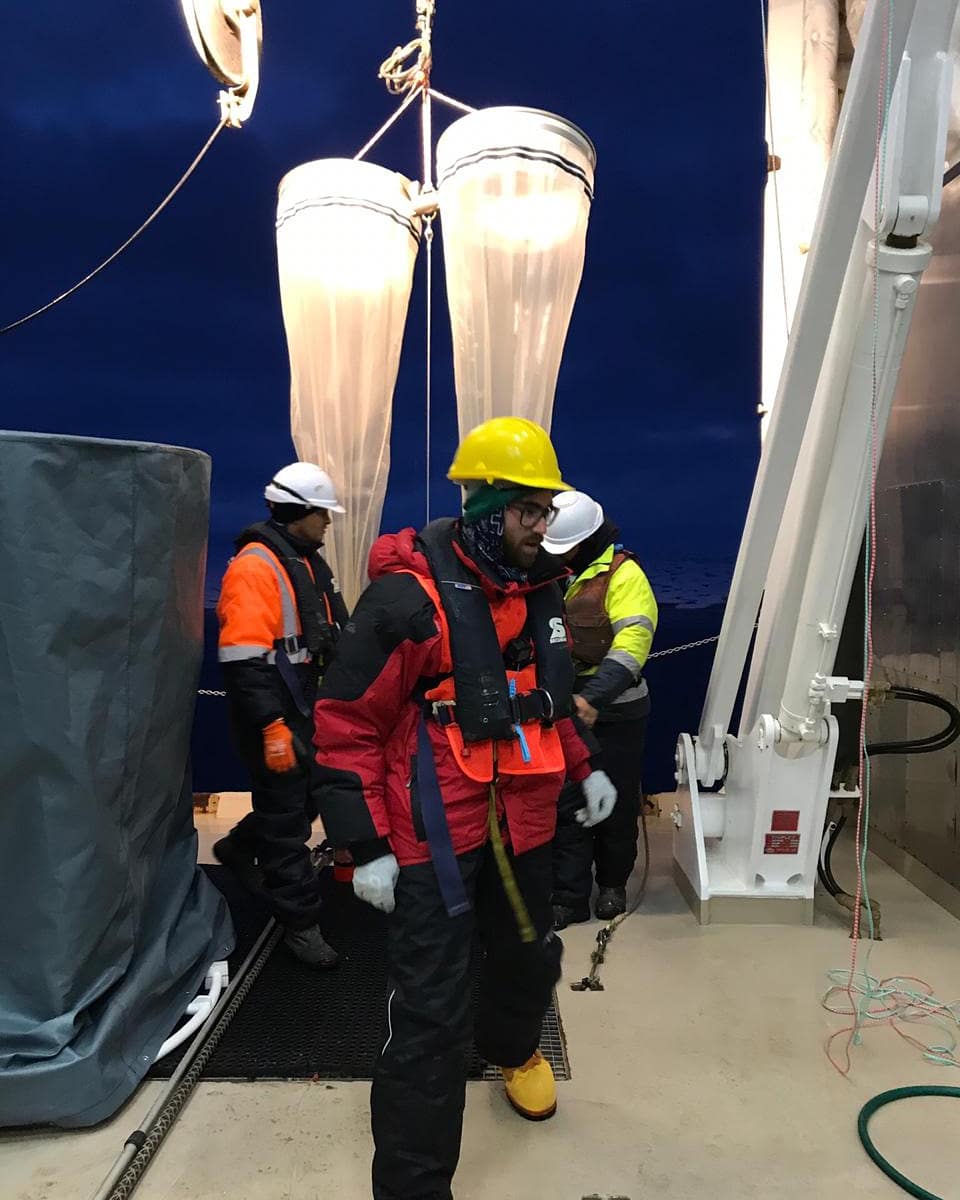
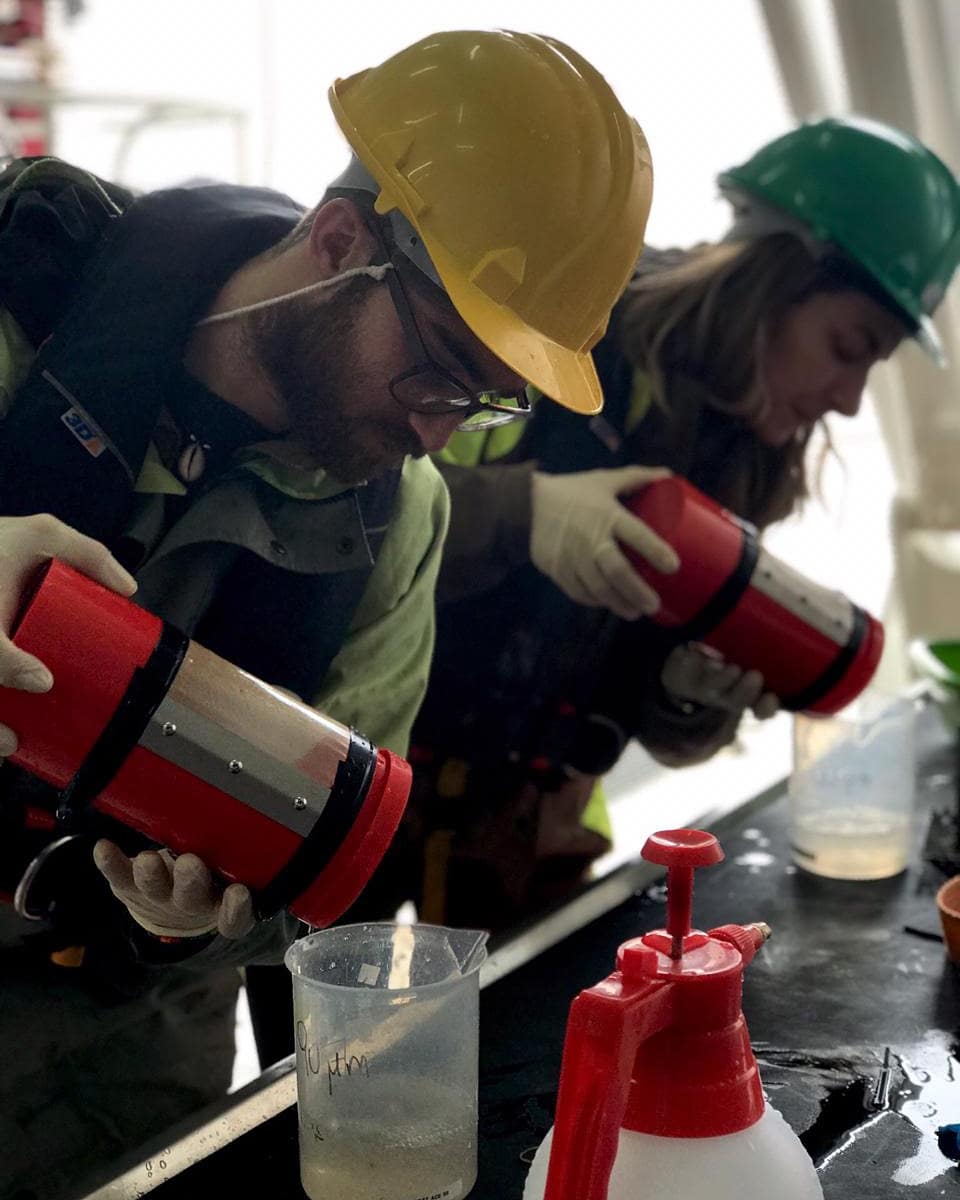
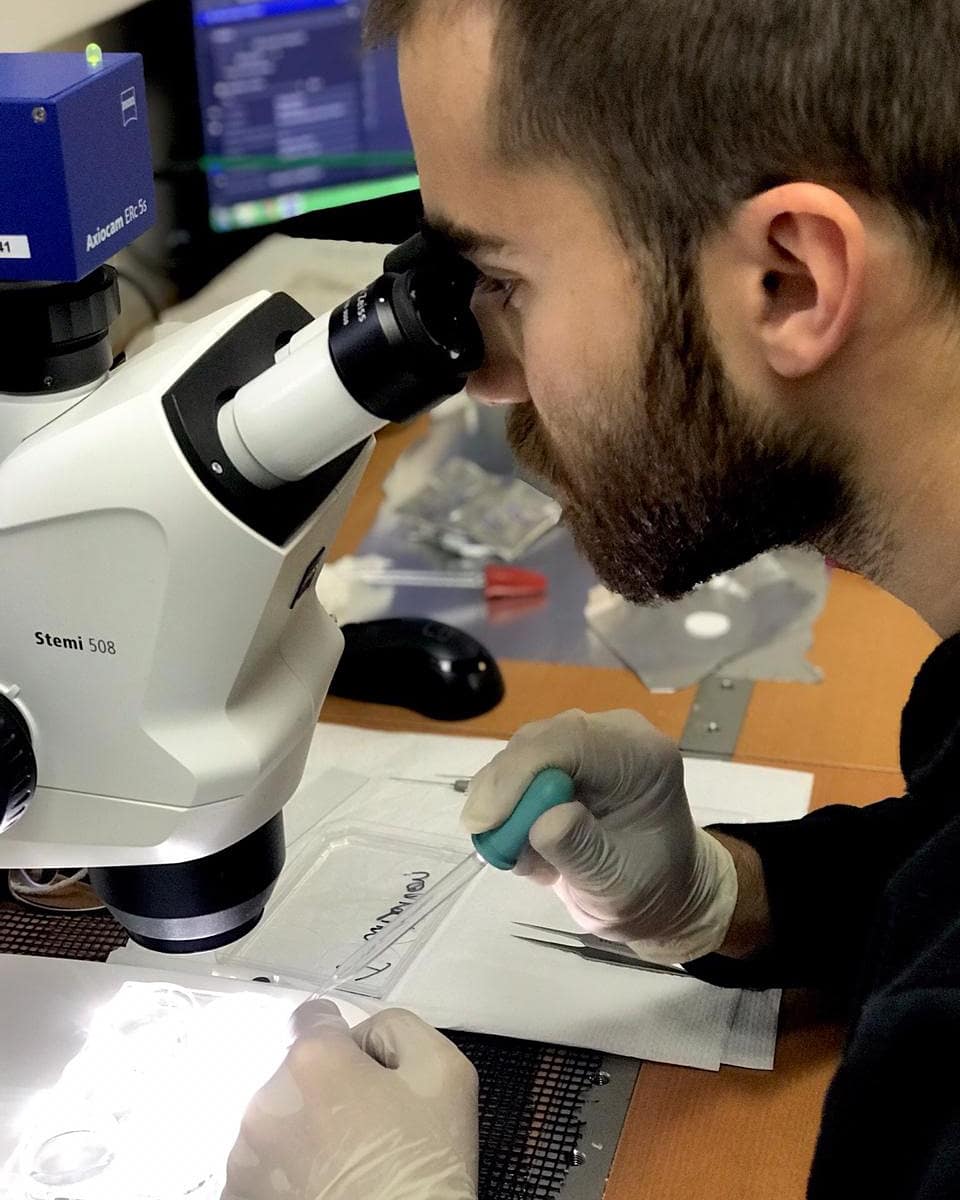
Sampling during SEAmester IV has included physical oceanography, biogeochemistry, phytoplankton, zooplankton, ichthyoplankton, microplastics, marine parasites, marine bacteria, marine seabirds and mammals, meteorology, benthic dredge sampling and more. SEAmester has provided an incredible opportunity for scientists from different disciples to work together and at the same time providing students with invaluable seagoing experience. The 5th SEAmester cruise which was due to take place this week has unfortunately been postponed until next year due to COVID-19.
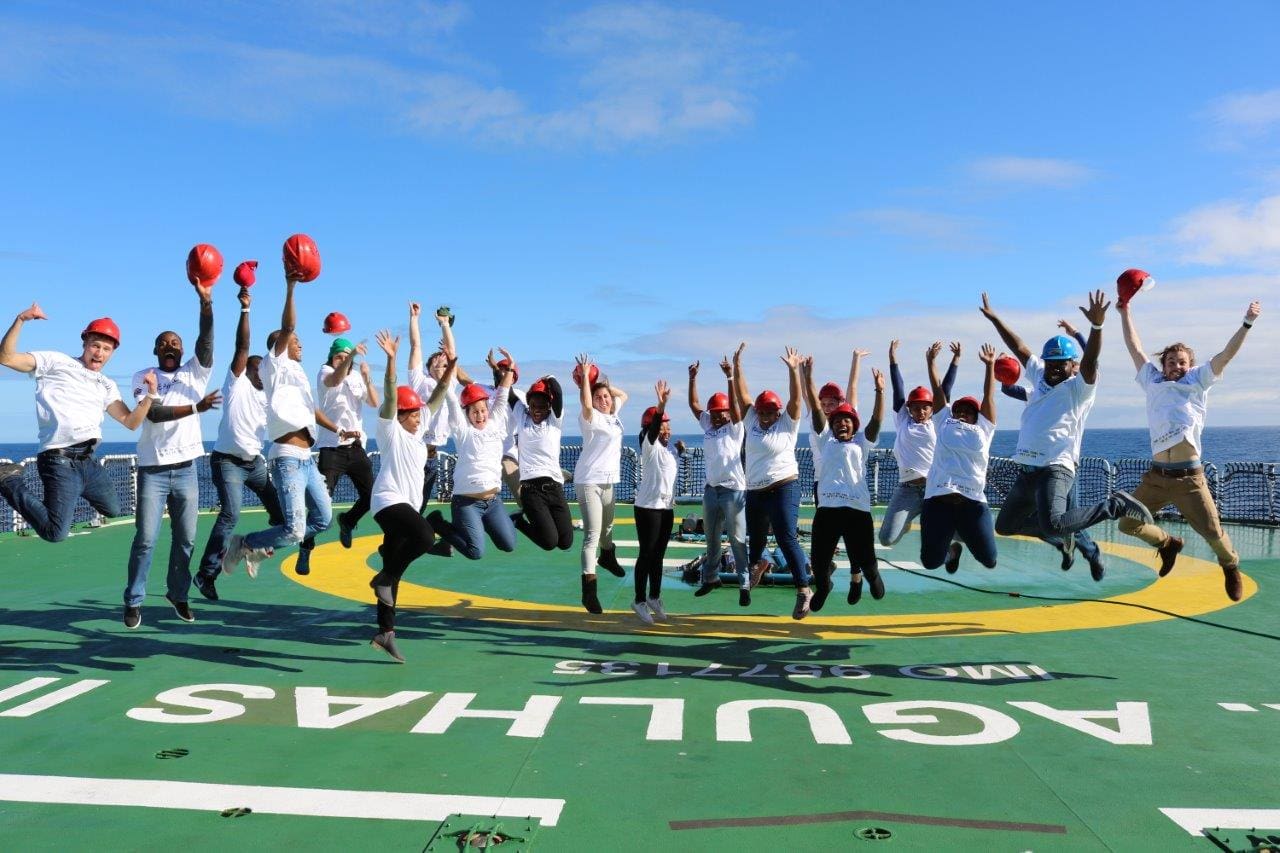
SEAmester has changed the lives of students! “Department of Science and Innovation’s 10-year Global Change Grand Challenge programme requires platforms to ‘attract young researchers and retain them by exciting their interest in aspects of global change; while developing their capacity and professional skills in the relevant fields of investigation.” – Isabelle Ansorge
- “This programme has been the best experience in my life. It changed my outlook on how to gather knowledge, where to do research, how to think logically as well as to be creative and intuitive”
- “I have made so many new friends and build up my contacts for future endeavours”
- “SEAmester has made me realise that I have a passion for ocean-based research”
- “It has greatly influenced my general career goals and aims”
- “I really enjoyed meeting so many people from a diverse range of backgrounds and sciences”
- “I loved the way the content of SEAmester has helped me to link up all the theory that I have learnt over the years”
- “SEAmester was the best experience of my life”
- “I hope that SEAmester will continue in years so other students get the chance to have such an awesome experience”
- “I have been changed positively by this course – I am more motivated to tackle my studies”
- Just being together as a team – it didn’t matter what your background was”
- “It was a time of my life that I will never ever forget”
Text Supplied by Laura Braby – SAEON- Egagasini Node. Student Comments supplied by Isabelle Ansorge. Images available on Antarctic Legacy of South Africa Archive. More videos and images available at www.seamester.co.za
by Ria Olivier | Jul 17, 2020 | Antarctica, Research, SA Agulhas II, SANAP Student, Science, SEAmester, Southern Ocean
Where did it all started for Tahlia: “From an early age I have had an unbridled passion for the ocean and understanding technology, which led me to pursue my studies in Oceanography at the Cape Peninsula University of Technology (CPUT). I chose to study here as it provided a platform to not only gain academic experience within an oceanographic context, but to also gain field experience. In my third year (2014) I was placed at Bayworld Centre of Research and Education (BCRE) in order to complete a number of research projects which spanned across an array of oceanographic disciplines, namely: Marine Instrumentation, Marine Resource Management, Ocean Sciences and Marine Outreach. This placement exposed me to the different aspects of oceanography and allowed me to find my particular field of interest. It was there, at BCRE, that I was exposed to physical oceanography, data processing and development of marine instrumentation. I knew that I had found my niche within the oceanographic community and would strive to further my education, work experience and continue to learn and grow within this sector. After earning a National Diploma, I completed a BTech degree where I continued to work part-time at BCRE and develop my final research project. This project focused on the development of two sub-sea moorings, each housing a 75 kHz Acoustic Doppler Current Profiler (ADCP), which I was fortunate enough to deploy between two sub-Antarctic Islands—Marion Island and Prince Edward Island—while aboard the research vessel, SA Agulhas II.
Following the completion of my BTech degree, I continued to work on this mooring data over the next four years, returning to Marion Island and ensuring the safe retrieval and re-deployment of the sub-sea moorings. The data collected formulated the basis of my MSc research project, entitled Impact of ocean variability on Shelf-Seas surrounding the sub-Antarctic Prince Edward Islands.
In conjunction with my studies I’ve had the opportunity to take part in numerous oceanographic research cruises and expeditions. My first cruise, on board the RV Algoa with the operational oceanographic team from BCRE, exposed me to deep-sea mooring operations, in-situ data collection and hydrographic measurements. After this I joined the SA Agulhas II on its annual expedition to Gough Island and Tristan da Cunha, thereafter opening the door for numerous further excursions to sea. My subsequent extensive seagoing experience of over 20 cruises, from the North Sea, to sub-Antarctic islands, to Antarctica, has seen my responsibilities range from regularly being an oceanographic technician to acting as chief scientist on multiple occasions. In 2016 I was appointed as the co-ordinator of SEAmester, South Africa’s Class Afloat, which revealed a very different aspect of seagoing work, mainly from a logistic point of view and stepping into a teaching role. It has been truly rewarding to watch this programme grow over the last 5 years while working closely with Prof. Isabelle Ansorge, the Head of Department of Oceanography at the University of Cape Town. Together, we were able to mimic this programme on an international multi-disciplinary research cruise, the Antarctic Circumpolar Expedition (ACE), on board the RV Akademik Tryoshnikov as Leg Zero of a three-legged voyage.
More recently I have been exposed to the commercial oceanographic industry by working as a marine technician for Lwandle Marine Technologies. Albeit a brief time spent with Lwandle, I have experienced a very different aspect of oceanography in practice. I worked on a variety of contracts utilising skills I’ve gained over the years such as commercial diving operations, in situ data collection and hands-on instrumentation repairs/maintenance. These contracts also opened the door to innovative ways of thinking, problem solving and team work. I was also involved in equipment sales, field trip logistics and ‘meet and greets’ with clients which have been a great learning opportunity.
In December 2018 I was hired by the Flotilla Foundation and Weddell Sea Expedition (WSE) to serve on board the SA Agulhas II for the WSE chartered voyage. I was employed as the CTD technician, CTD data analyst, laboratory manager and winch driver for all tethered instruments. It was truly a great privilege to form part of this prestigious voyage, conducting science around the Larsen ice-shelf, Weddell Sea basin and finally hunting for Sir Ernest Shackleton’s Endurance.
In September 2019, I was accepted into the Hydrography MSc (taught Masters) programme offered at Plymouth University in England. Moving away from my family to a new country and starting a new masters seemed a daunting task. However, it was made easier by the amazing friends I made abroad. Plymouth became my home away from home and my friends became family. I gained an incredible amount of hands on experience within the Hydrographic industry and gained invaluable skills as a junior surveyor. Our lecturers are extremely dedicated and ensured that we were saturated in hydrographic literature and at the fore front of cutting edge hydrographic technology used within the industry. I am currently completing my dissertation in volumetric analysis of sediment transport over a prestigious ship wreck site. This is to aid the conservation, management of the wreck site and to provide first pass description of the sedimentology of the area. I am so excited about what the future may hold and look forward to blazing a path within the hydrographic industry and grow as a hydrographic surveyor.
I love my career as it is ever changing and growing with the current climate or latest technological advances. I have been able to see the world, visit remote and beautiful locations, sail the high seas and build incredible bonds with fellow scientists. It isn’t always an easy journey, but conquering the challenge of this lifestyle and career choice is what makes it worthwhile. The sense of adventure is never ending and I’m always learning along the way. Madame Curie once said that nothing in life is to be fear but rather understood, so that we understand more and fear less. I think this gives us a great sense of pride in what we do and to strive to be curious about our world, to best understand, preserve it and pass the torch on to future generations.
To future researchers, be diligent, work hard and persevere throughout your career. There will be challenging days but there will also be days that out shadow the challenges and fuel your passion for science. Always be teachable no matter your age, and always willing to learn and lend a hand to your fellow scientists. The work you do throughout your career will not only impact and improve your life but will pave the way for those coming up behind you. So take pride in what your work, rise up to the challenges and enjoy the journey! (Right: Photo credit:Alexander Oelofse during SEAmester)
Links to follow Tahlia or read more
Text and Images supplied by Tahlia Henry
by Ria Olivier | Jul 15, 2020 | Discover, Research, SA Agulhas II, SANAP, Science, SEAmester, Southern Ocean, STEM, Women in Science
Isabelle as a child always wanted to be an oceanographer. “When I was 13 my father sent me off for 6 months on a Tall Ship to sail around Africa. And so, having grown up on sailing ships and sailing the world at a very young age it seemed only natural to follow in my passion to build a career around the sea.
I first studied at Plymouth University in the UK, where I completed a BSc in Ocean Sciences in 1992. I came to South Africa in 1993 and under the mentorship of Professor Lutjeharms in the Oceanography Department at UCT I started to turn this passion into a sea-going academic career.
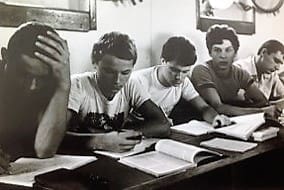
One of my first jobs at UCT was to gain seagoing experience in working with all ship-based equipment. I loved being at sea and felt that after my many experiences on both national and international research vessels that I would be good at teaching practical oceanography. And so began a long period of sea-going adventures between 1996 and 2016 in which UCT Honours students were taken to sea onboard the old SA Agulhas I and from 2012 the new SA Agulhas II. The training was always part of the 5 week Prince Edward Island relief voyage and in those days students had to work the winches, drive the CTD software, work up the data for mini-projects!
Isabelle’s Working Life: “I was employed as a lecturer at UCT in 2006 and have worked hard to build a career both nationally and internationally in observational oceanography. My passion and love for the sea can be seen in the many opportunities that I create for students both at UCT, and as can be seen from the SEAmester Floating University across the entire country. I was the first female PhD graduate in Oceanography at UCT in 2000, I am the only female Full Professor in the Oceanography Department and the first female Head of Department in 2016. “
What drives me:” I love teaching students. Taking a student to sea and watching them learn and seeing their eyes light up when they first board the SA Agulhas II is extremely rewarding. Many of my former students have returned to sea either as senior researchers leading their own cohort of students, or they have built their career in marine management or moved into the academic field. It is so rewarding see young inexperienced students join a cruise and leave imbued with a new confidence and a passion for their discipline.
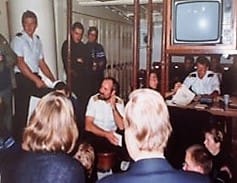
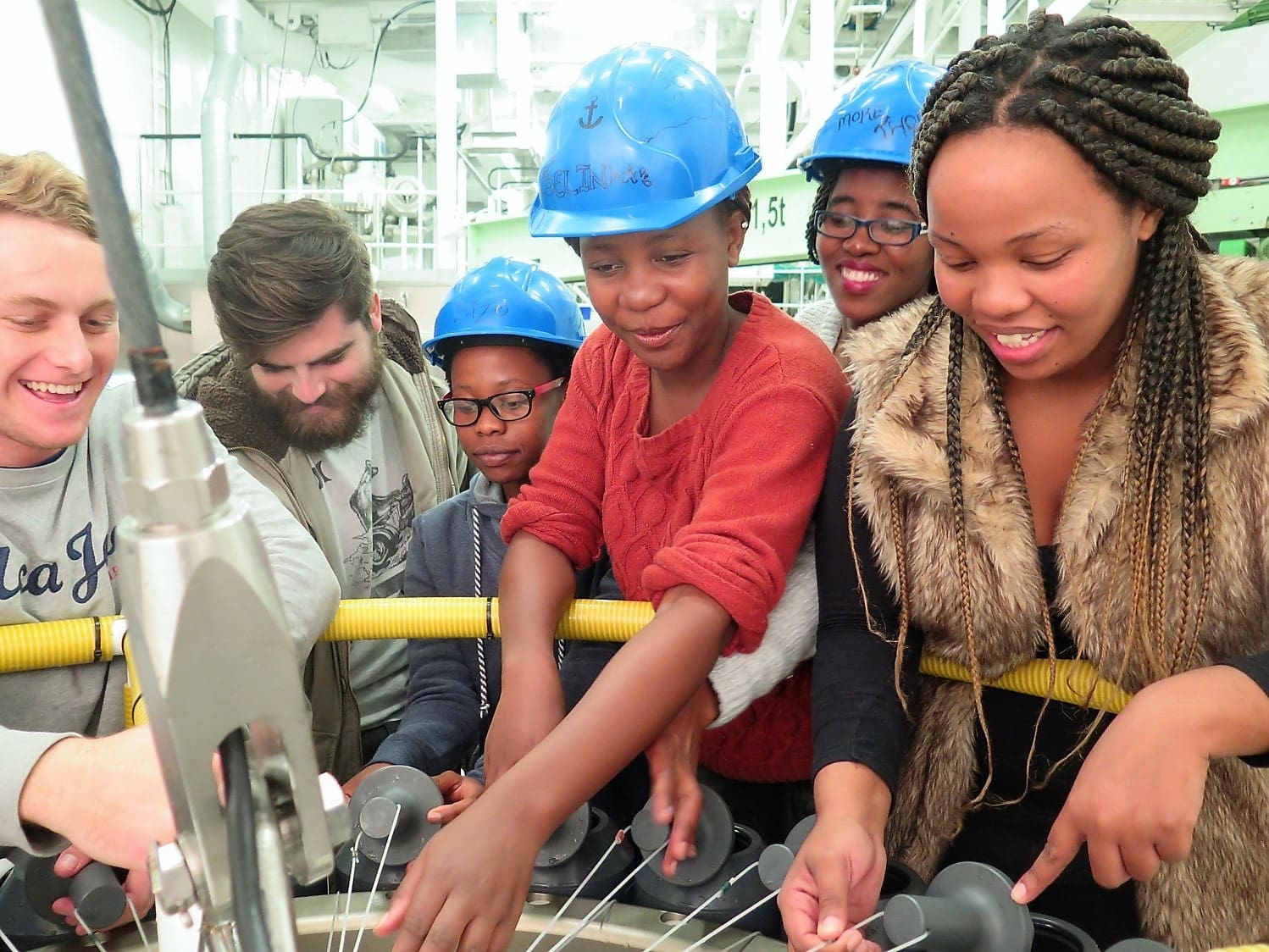
“I am proud of the SEAmester programme and how we have been able to develop linkages with traditionally non marine universities both through their students joining as SEAmester students or their own Lecturers joining the academic programme. The state-of-the-art research vessel, SA Agulhas II, provides such an incredible teaching and research platform for this programme; its size, comfort and shipboard facilities allow groups of 46 students and 30 lecturers to productively interact over a period of 10 days as can the photo of Prof Gammon teaching students in the ship’s stairwell shows so well!.”
My advice to the young generation: “Four words – always take the initiative! In the UK the only sea-going opportunity I had was to work on the River Tamar outside of Plymouth! In South Africa our students go to Antarctica! But it takes you to make that difference. We have so many wonderful opportunities in South Africa and access to such incredible marine programmes and platforms but the sparkplug to get started must come from you. All academics get frustrated by students not willing to engage with their surroundings and not even realise the enormous privilege it is to be on a research vessel such as the SA Agulhas II. You don’t have to be the brightest student in the class but by staying engaged, enthusiastic, interactive and dedicated to your studies you will always go much further in life. Opportunities are endless but it takes you to grab it!”
Text and Images supplied by Isabbelle Ansorge.
Visit SANAP website on Isabelle Ansorge’s current research projects within the program. Also see Sunday Science on SEAmester
https://youtu.be/0LUpdr-masA
by Ria Olivier | Jun 20, 2020 | Research, SANAP, SANAP Student, SCAR, Science, Southern Ocean, Uncategorised
Luca Stirnimann received his BSc at the University of Genova (Italy) in 2013, majoring in Environmental Science. He was introduced to his first marine applications of ecology and taxonomy during a summer school spent on the Linosa Island (Mediterranean Sea) as an undergraduate, investigating invasive marine alien species. During his MSc in Genova, he could study time series and regime shifts analysis on plankton systems. After graduated summa cum laude in Marine Sciences (2015) at the University of Genova, he spent one year at the Marine Biological Association (Plymouth, UK) attending the MRes in Marine Biology, where he could continue his studies on plankton and experimenting the life as a scientific researcher.
From 2017, he is a PhD student at the University of Cape Town. He analyses the samples he collected during several expeditions to Antarctica, in order to investigate zooplankton and phytoplankton dynamics in the Southern Ocean in the context of nutrient cycling and primary production. He is comparing ecosystem dynamics in the vicinity of Subantarctic island systems with the open Southern Ocean. Luca’s project falls under the current SANAP Project: “A nitrogen cycle view of atmospheric CO2 sequestration in the Antarctic Ocean” (Principal Investigator: Dr SE Fawcett, University of Cape Town)
Why you love your career in science?
Earth science, in general, has always been fascinating to me and since I was little, my desire was to discover and learn new things related to our oceans.
As I do love Sherlock Holmes stories, in this job I see myself as a detective that has to solve a case. In fact, any phenomenon in nature may be more or less complicated to be described or understood, but the samples and the analysis are like clues of a case and using them, it is possible to solve any scientific mystery.
Thanks to oceanography, I can attend fantastic expeditions anywhere in the world, exploring from the icy polar seas to the warmer waters of the equator, spending weeks or even months on board of research vessels. During these trips, I always meet colleagues and extraordinary scientists that share the same interests and passions of mine, even if they are from different fields. Furthermore, coming to South Africa, I joined two great scientific communities: one is the SANAP group, where all the experts of the Antarctic systems meet all together to share their works and thoughts; and the second, the South African Association of Polar Early Career Scientists (APECSSA), which gives me the privilege to develop a South African group of scientists with the Polar Science as a common interest.
This is a great career that stimulates you at any moment of your life, and if you are curious, motivated, and resourceful, well… this job is waiting for you.
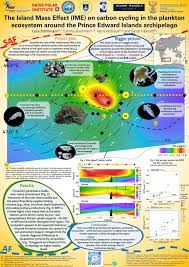
In 2018 at POLAR2018 (SCAR/IASC Open Science Conference 2018) he was awarded with the 1st prize for the Association of Polar Early Career Scientists (APECS) Poster Awards (Sector: Africa and Middle). Poster Title: “The Island Mass Effect (IME) on carbon cycling in the plankton ecosystem around the Prince Edward Islands archipelago”.
Luca is current a committee member of APECSSA. Follow @LStirnimann and @apecssa on Twitter
by Ria Olivier | Jun 17, 2020 | Research, Science, Southern Ocean, Uncategorised
Sandy Thomalla only ever wanted to be two things in my life; when I was really young I wanted to be a pilot, and from the age of about 10, I wanted to become a marine biologist. Which is perhaps a bit surprising for someone that grew up in Brakpan (yes that is a real town and not just the butt end of South African jokes), which is VERY far away from the sea. But like a lot of typical ‘inlanders’, we made our way to the Natal coast for family holidays and according to my parents I could snorkel in a rock pool before I could walk. My love of the sea (and all creatures in it) was also fueled by my father who is passionate about the ocean and an avid yachtsman (who gave up on his dream of sailing around the world when he had my sister and I …. Sorry Dad.). We spent countless hours swimming in the sea (jumping over and diving under waves) and exploring rock pools in search of starfish and anemones. By the time I was in high school I had my sights firmly set on UCT as my university of choice to study marine biology and made sure that I took all the right subjects to matric to be eligible to register for a Bachelor of Science degree. In my third year at UCT I majored in Marine biology and Oceanography and at honours level I chose biological oceanography as the field of research that would support the rest of my career. Unlike marine biology (more typically rocky shore invertebrates and vertebrates such as fish, dolphins, whales and sharks), biological oceanography deals with organisms at the smaller end of the spectrum such as phytoplankton and zooplankton. This field of research focuses on how marine organisms interact with and adapt to their environment, and what processes control their distribution in the ocean. As such, work in this field is highly interdisciplinary and often involves aspects of microbiology, physical oceanography and marine chemistry.
Why you love your career in science?
There are many reasons why I love my career and these have also changed over the years. The first, and probably most important one, is that I get to go to sea. I get to sail on ships in wild oceans like the Southern Ocean and experience epic storms that drive 15m waves and winds so strong they whip off the crests of the waves and yet still are no match for a .Wandering Albatross that holds its own in any weather. Or sail across the equator on a sea that is mirror still and so blue that it defies your eyes, while flying fish burst the surface leaving a trail of ripples as their tail fins propel them through the air. My career has also allowed me to travel extensively to many countries around the world for cruises, conferences, meetings and workshops. With each trip (particularly before I had children) I would always make sure I took some time to explore the country or city I was visiting, be it India, Russia, Croatia, Iceland or South Korea. Then there are the people, I would have to say that scientists in general are just pretty awesome people. They are typically down to earth, aware, curious, rational, open minded and free of bias. I have had the pleasure of meeting, working with, and getting to know so many wonderful people from around the world, and I treasure every one of them. In more recent years, being able to teach, supervise students and pass on some of my knowledge and passion has also been very rewarding. Finally, the science itself is very stimulating. Every day you learn something new, and you will never stop learning and reading and expanding your horizons, as this is core to what it means to be a scientist, to gain and share knowledge and understanding.
Message to future scientists researchers:
Hmmm ….. I guess I have a few:
- It is extremely important to love what you do for a living. You will spend an overwhelming majority of your adult life at work, so try to ensure that you enjoy what you do. This, in my opinion, is more important than the size of the paycheck as it is more likely to sustain your mental and emotional wellbeing.
- I would recommend a scientific career in which your research can make a tangible difference to the world we live in. It means a lot to me knowing that by studying phytoplankton, I contribute to the knowledge required to address sustainability and help constrain climate risk and the associated societal challenges of the 21st century.
- You don’t need to be particularly clever to be a scientist. Getting a PhD is more about guts, stamina and determination than anything else. I struggled my way through matric and first year maths and chemistry. It never came easy to me. Indeed, I failed first year chemistry and had to repeat the whole course in second year. Maths, physics and chemistry are now a part of my everyday life and although perhaps still not considered among my strengths relative to biology, nonetheless, here I am.
Latest research or study you’re working on?
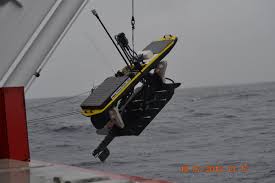
My latest research is a very exciting study that uses autonomous underwater robots (called gliders and floats) that are deployed in the oceans to profile the water column from the surface to 1000m. My colleague Thomas Ryan-Keogh and I have developed a proxy that uses the sensors on these robots to determine the degree of iron limitation of phytoplankton. Iron is a micronutrient in the oceans that is necessary for phytoplankton to photosynthesise, and as such affects the ability of phytoplankton to remove CO2 from surface waters and subsequently from the atmosphere (thus impacting climate change). Preliminary results suggest that phytoplankton in the Southern Ocean are becoming more iron limited over time, which could negatively impact the important role that they play in removing carbon.
Find more information about Sandy on the World Wide Web
https://scholar.google.com/citations?user=lbS84F8AAAAJ&hl=en
https://socco.org.za/
Articles: SA Scientists gather cold facts about global warming &
Secrets of the Southern Ocean Probed
Documentary Film: Woman and Oceans – Sandy Thomalla – The Unknown South
Video: Using science and Innnovation to understand the role of the
Southern Ocean in a changing climate
Twitter @SOCCOgliders & Facebook: Southern Ocean Carbon and Climate Observatory
Collection of Images will be available on ALSA repository by end of 2020
Text and images supplied by Sandy Thomalla
by Ria Olivier | Jun 15, 2020 | geochemistry, Research, SA Agulhas II, Science, Southern Ocean
Alakendra N Roychoudhury (Roy) grew up in India where he completed his post-graduate degree, Master of Science and Technology, in the field of Applied Geology from the Indian School of Mines. My career in Geology started because of my intense love for the outdoors and travelling to places where mainstream people don’t go. Believe it or not, one of the reasons going into geology was also to avoid Mathematics at college. I wouldn’t recommend it though, as I had to learn all the mathematics while pursuing my PhD in Marine Biogeochemistry at Georgia Institute of Technology, Atlanta, USA. You cannot be a good scientist without having a good grasp of mathematical principals. After finishing my doctoral degree, I joined as a lecturer at Northwestern University, Chicago, USA and eventually moved to University of Cape Town, South Africa as a senior lecturer. At present I am a Professor of Marine and Environmental Biogeochemistry at Stellenbosch University where I also acted as the Head of the Department of Earth Sciences in the past. As for Southern Ocean research, I developed and expanded the research program and research facilities in South Africa in open ocean trace metal biogeochemistry and currently head the TracEx research group at Stellenbosch University.
Why you love your career in science
Choosing a career in Science is not easy. There is always a pressure to go into fields where there are prospects of high paying jobs. One can survive in science only if they love what they are doing. My love developed from the sense of adventure that came with scientific research and travelling for fieldwork in remote places. Thanks to Science, I have been fortunate enough to touch all of the seven continents and the seven seas. Science constantly provides you with new opportunities and challenges that keeps the monotony at bay, which I think was the most critical for me. I will never survive in a suit and tie doing a 9 to 5 job. What excites me most is the realization that the deeper you investigate the more questions emerge and at some point, different fields of science seem to merge in developing a better understanding of the natural processes. A big part of my love for science is also teaching it because I like to see the same excitement in the eyes of my student for a research field that has consumed the better part of my life.
Message to future scientists and researchers:
(Above: Images of Science Cruises in the Southern Ocean on the S.A. Agulhas II with Susan Fietz colleague and students) If you don’t ask the question “Why?” all the time until you run out of answers, you cannot be a scientist. Science thrives on curiosity and there is a lot to be curious about when it comes to the oceans. Oceans are truly the last frontier because we know more about space than oceans. Large parts of the oceans are unexplored and there are huge opportunities for one to make their mark. Marine chemistry or biogeochemistry in South Africa is highly underdeveloped, but this is a field that can answer the most critical questions such as climate change and anthropogenic influences on ocean processes, on which survival of the living planet depends. To be a good researcher in ocean sciences, you will have to have a good understanding of the principles and advanced knowledge of chemistry, physics, biology and mathematics and you will need an open mind to take on the teaching of these different fields while pursuing your focused research.
Links to read more about Prof Roy and his work
https://scholar.google.co.za/citations?user=kpXyzCYAAAAJ&hl=en
https://tracexsite.wordpress.com
https://www.whalesandclimate.org
https://alakendra.weebly.com
Like on Facebook: https://www.facebook.com/TracEx
Follow on Twitter: @geotracesSA
Listen to a media interview: https://youtu.be/1YUUpD87DBg
Text and images supplied by Roy Alakendra N Roychoudhury

 The SEAmester programme is a marine science winter school founded by Prof. Isabelle Ansorge of UCT which takes place at sea and provides the perfect platform for coupling both academic research and learning. Every year approximately 100 students, lecturers and scientists from over 15 different institutions (both local and international) come together for approximately 10 days at sea onboard the SA Agulhas II. SEAmester exposes postgraduate students to multiple different marine science disciplines through daily lectures, practicals, and regular interaction with many professionals conducting their research onboard South Africa’s state of the art research vessel.
 3 of the 4 previous SEAmester cruises have sampled the Agulhas System Climate Array (ASCA) transect. ASCA was an array of moorings deployed across the Agulhas Current from April 2016 to May 2018, in order to better understand the physical properties and dynamics of the Agulhas Current. The ASCA project extended the research undertaken along this array during the Agulhas Current Time-series project by continuing to sample the same 20 hydrographic stations. In-situ data in the Agulhas Current is very rare, and the collaborative, multi-disciplinary approach adopted during SEAmester has greatly improved our understanding of the complex Agulhas Current System. More information in paper by Morris et al., 2017 Above: Location of the stations sampled during SEAmester. Figure by James Maitland.
 Left: Last year during SEAmester IV we experienced 3 consecutive cold fronts with resulting waves of up to 10m in size. This rough weather meant we were only able to sample 16 out of 20 of our planned stations. Photo credit: Thando Mazomba
 SEAmester has changed the lives of students! “Department of Science and Innovation’s 10-year Global Change Grand Challenge programme requires platforms to ‘attract young researchers and retain them by exciting their interest in aspects of global change; while developing their capacity and professional skills in the relevant fields of investigation.” – Isabelle Ansorge
 Text Supplied by Laura Braby – SAEON- Egagasini Node. Student Comments supplied by Isabelle Ansorge. Images available on Antarctic Legacy of South Africa Archive. More videos and images available at www.seamester.co.za
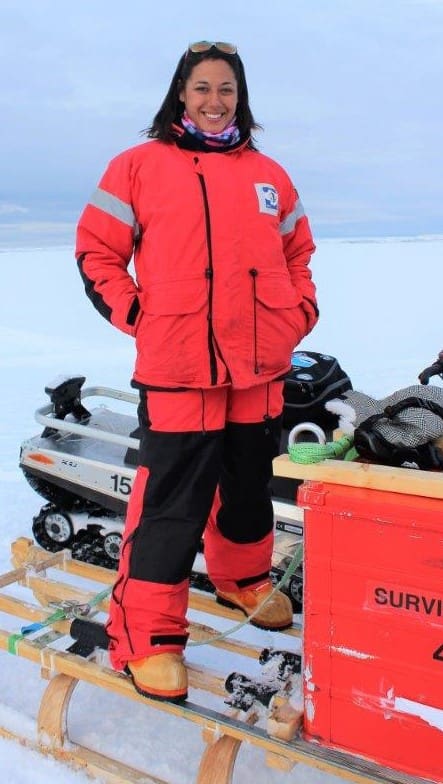 Where did it all started for Tahlia: “From an early age I have had an unbridled passion for the ocean and understanding technology, which led me to pursue my studies in Oceanography at the Cape Peninsula University of Technology (CPUT). I chose to study here as it provided a platform to not only gain academic experience within an oceanographic context, but to also gain field experience. In my third year (2014) I was placed at Bayworld Centre of Research and Education (BCRE) in order to complete a number of research projects which spanned across an array of oceanographic disciplines, namely: Marine Instrumentation, Marine Resource Management, Ocean Sciences and Marine Outreach. This placement exposed me to the different aspects of oceanography and allowed me to find my particular field of interest. It was there, at BCRE, that I was exposed to physical oceanography, data processing and development of marine instrumentation. I knew that I had found my niche within the oceanographic community and would strive to further my education, work experience and continue to learn and grow within this sector. After earning a National Diploma, I completed a BTech degree where I continued to work part-time at BCRE and develop my final research project. This project focused on the development of two sub-sea moorings, each housing a 75 kHz Acoustic Doppler Current Profiler (ADCP), which I was fortunate enough to deploy between two sub-Antarctic Islands—Marion Island and Prince Edward Island—while aboard the research vessel, SA Agulhas II.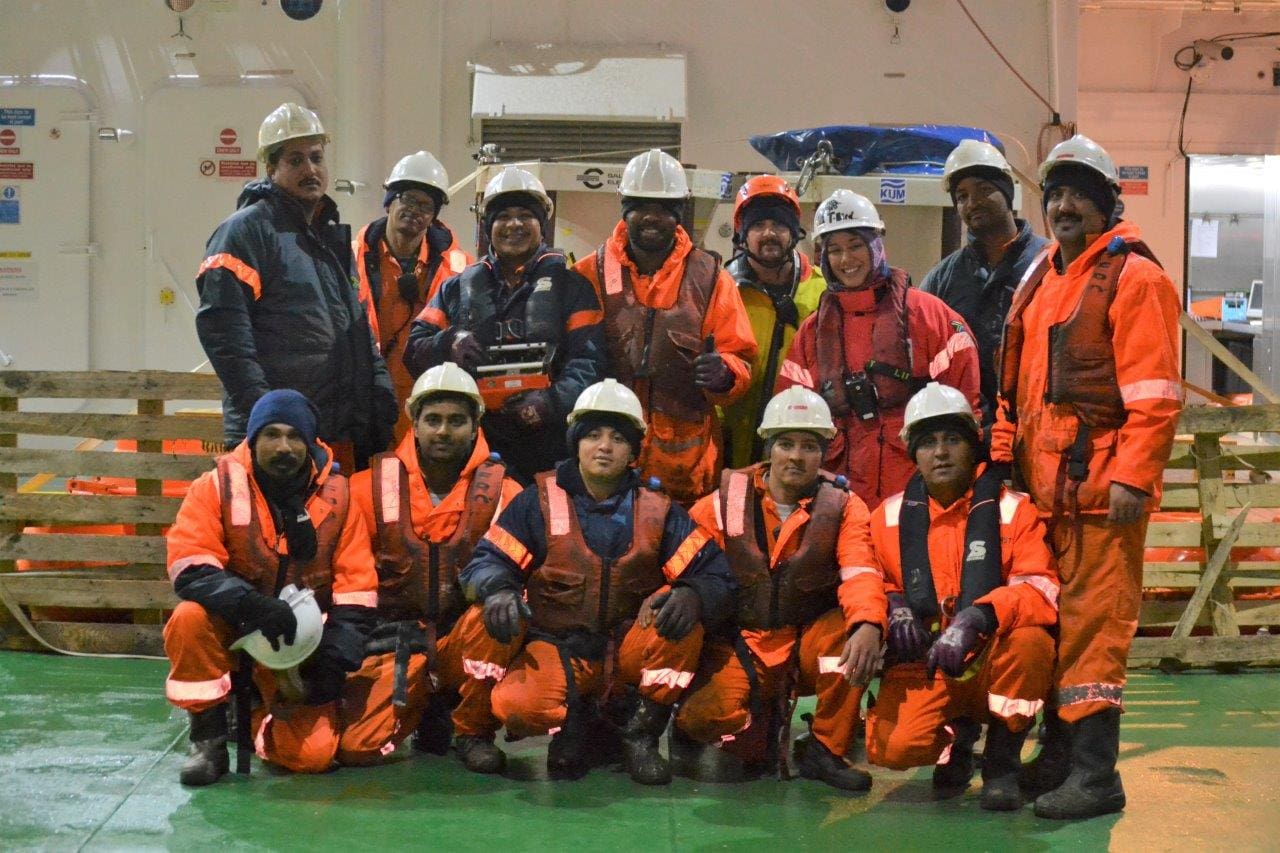
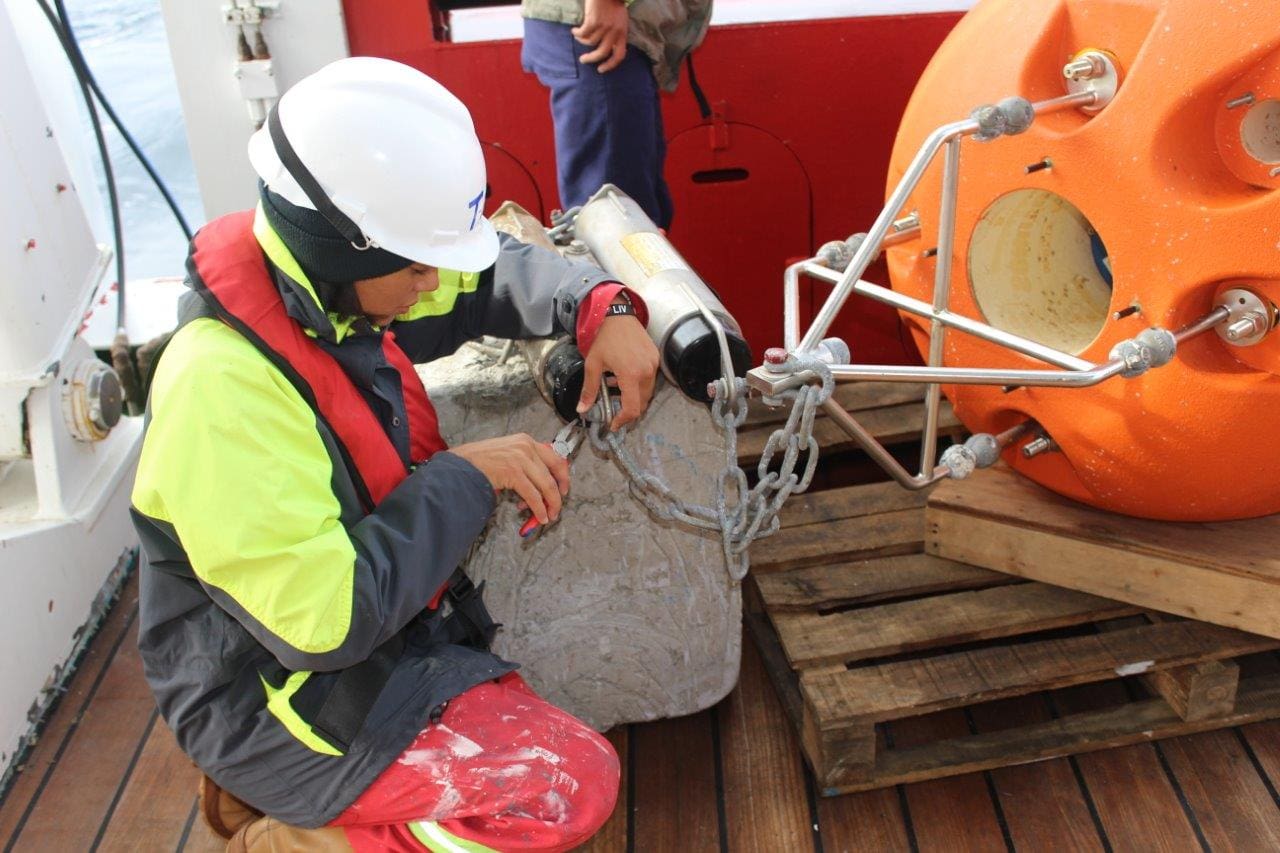 Following the completion of my BTech degree, I continued to work on this mooring data over the next four years, returning to Marion Island and ensuring the safe retrieval and re-deployment of the sub-sea moorings. The data collected formulated the basis of my MSc research project, entitled Impact of ocean variability on Shelf-Seas surrounding the sub-Antarctic Prince Edward Islands.
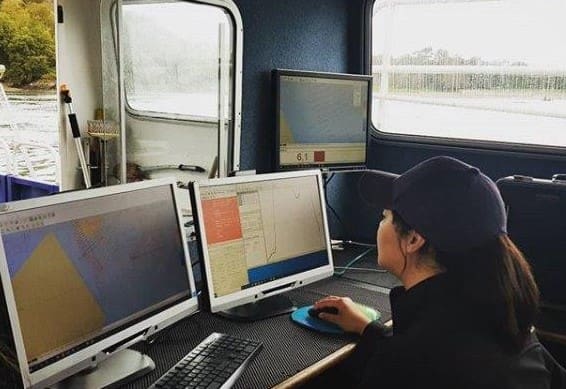
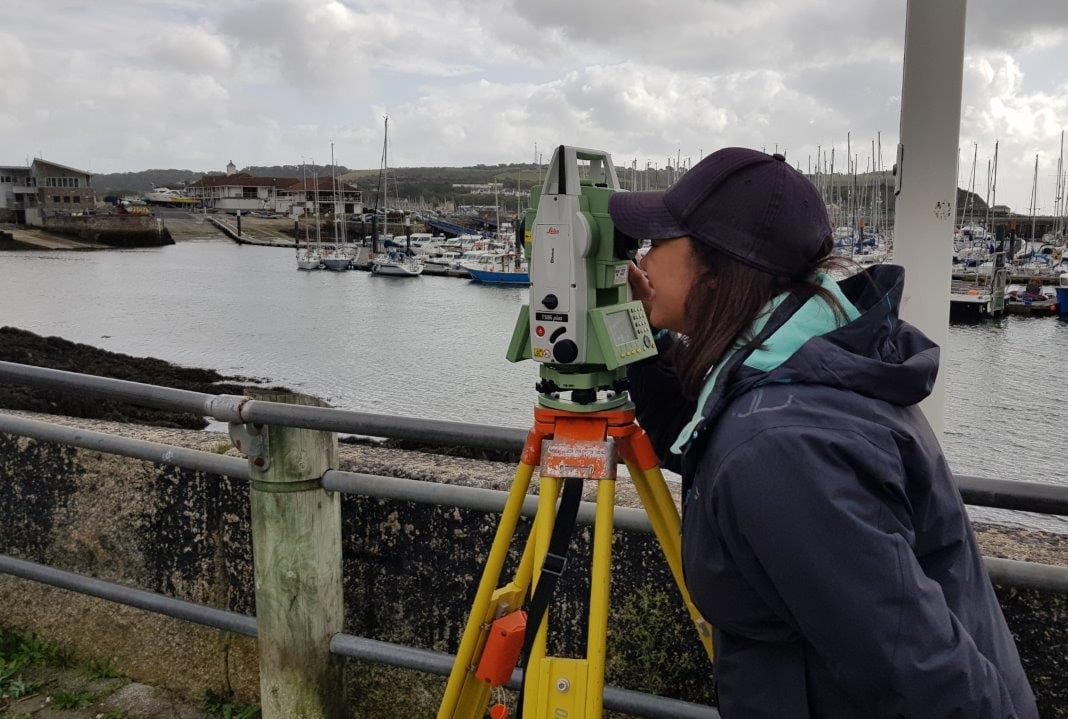 More recently I have been exposed to the commercial oceanographic industry by working as a marine technician for Lwandle Marine Technologies. Albeit a brief time spent with Lwandle, I have experienced a very different aspect of oceanography in practice. I worked on a variety of contracts utilising skills I’ve gained over the years such as commercial diving operations, in situ data collection and hands-on instrumentation repairs/maintenance. These contracts also opened the door to innovative ways of thinking, problem solving and team work. I was also involved in equipment sales, field trip logistics and ‘meet and greets’ with clients which have been a great learning opportunity.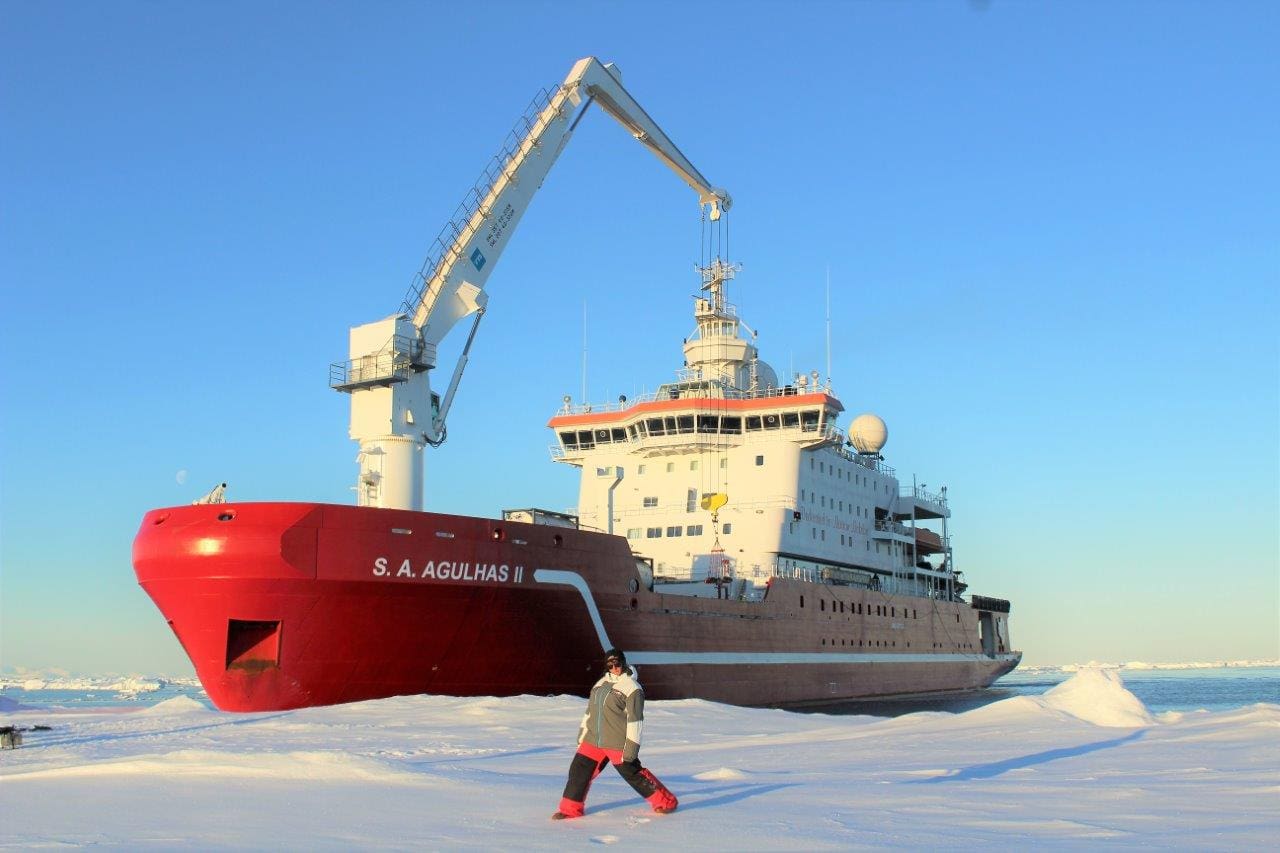
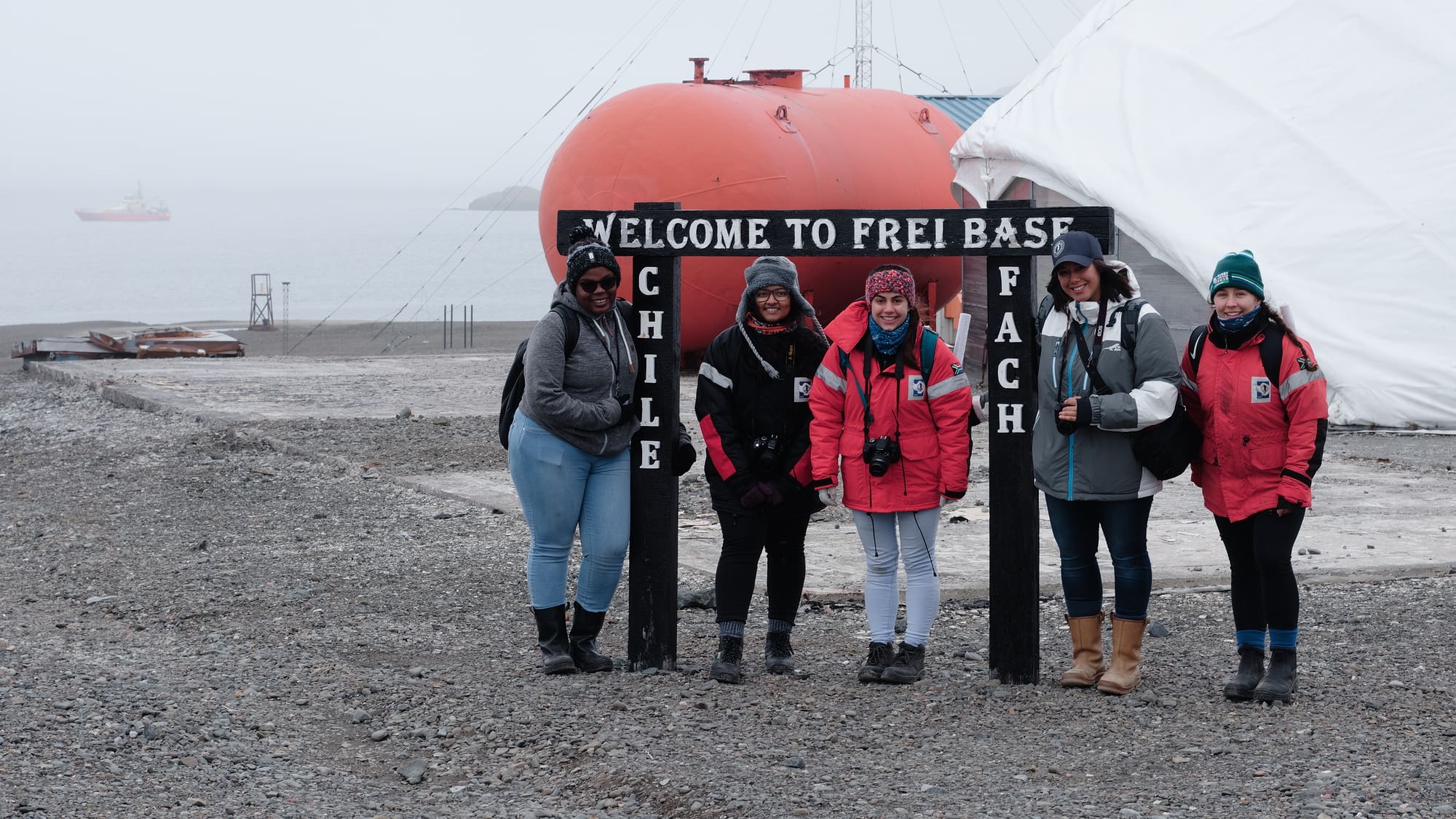 In December 2018 I was hired by the
 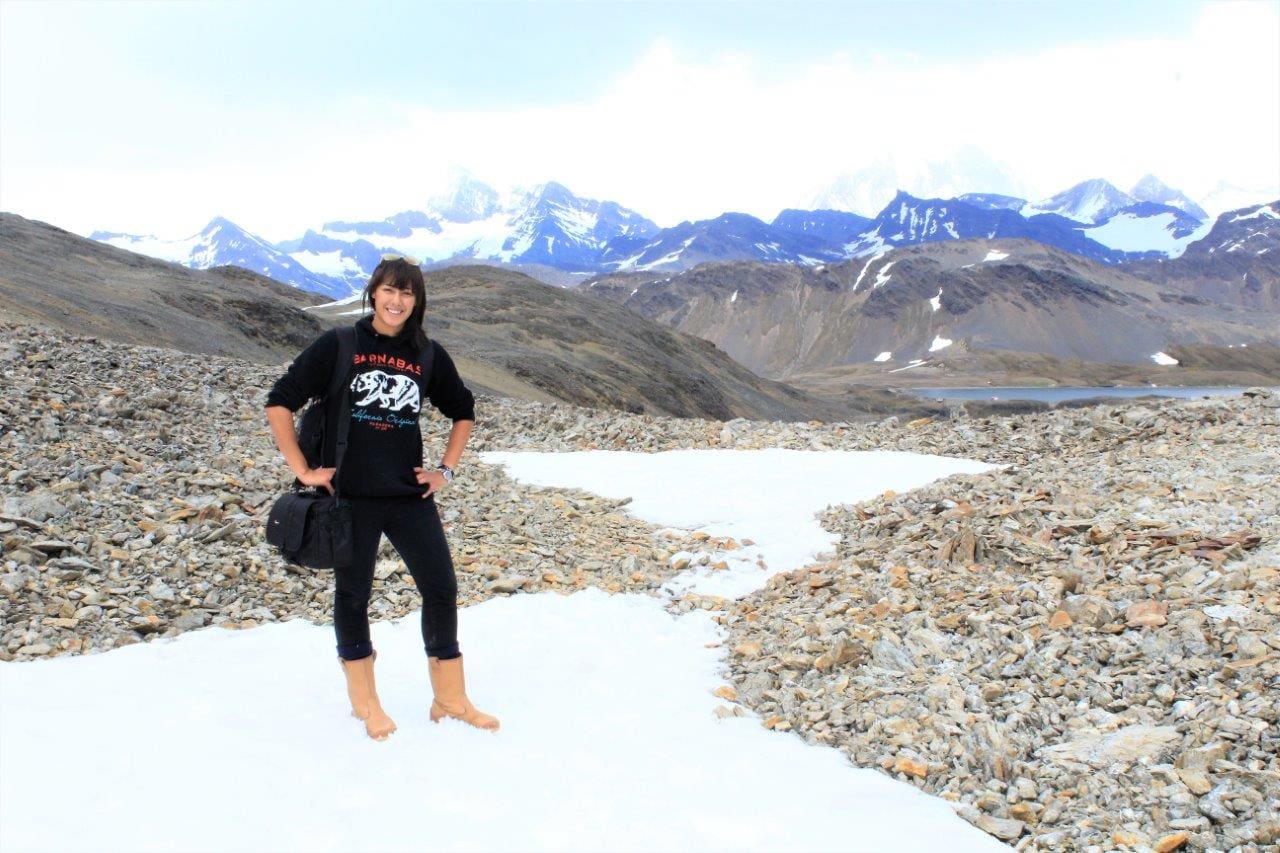 I love my career as it is ever changing and growing with the current climate or latest technological advances. I have been able to see the world, visit remote and beautiful locations, sail the high seas and build incredible bonds with fellow scientists. It isn’t always an easy journey, but conquering the challenge of this lifestyle and career choice is what makes it worthwhile. The sense of adventure is never ending and I’m always learning along the way. Madame Curie once said that nothing in life is to be fear but rather understood, so that we understand more and fear less. I think this gives us a great sense of pride in what we do and to strive to be curious about our world, to best understand, preserve it and pass the torch on to future generations.
 To future researchers, be diligent, work hard and persevere throughout your career. There will be challenging days but there will also be days that out shadow the challenges and fuel your passion for science. Always be teachable no matter your age, and always willing to learn and lend a hand to your fellow scientists. The work you do throughout your career will not only impact and improve your life but will pave the way for those coming up behind you. So take pride in what your work, rise up to the challenges and enjoy the journey! (Right: Photo credit:Alexander Oelofse during SEAmester)
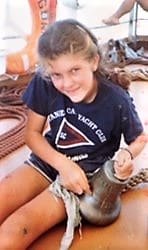
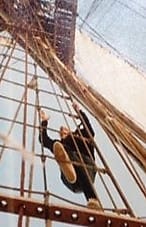
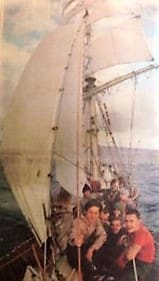
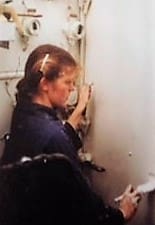 Isabelle as a child always wanted to be an oceanographer. “When I was 13 my father sent me off for 6 months on a Tall Ship to sail around Africa. And so, having grown up on sailing ships and sailing the world at a very young age it seemed only natural to follow in my passion to build a career around the sea.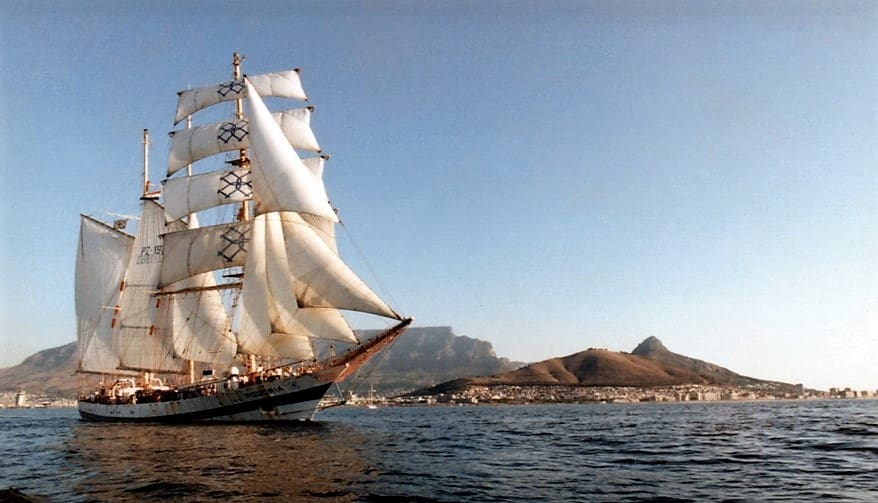
 I first studied at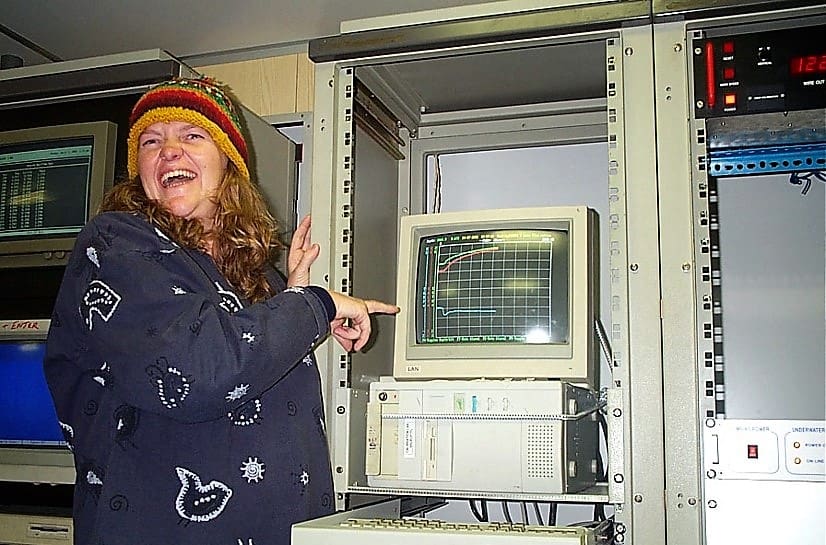
 One of my first jobs at
 Isabelle’s Working Life: “I was employed as a lecturer at UCT in 2006 and have worked hard to build a career both nationally and internationally in observational oceanography. My passion and love for the sea can be seen in the many opportunities that I create for students both at UCT, and as can be seen from the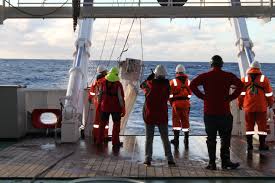
 What drives me:” I love teaching students. Taking a student to sea and watching them learn and seeing their eyes light up when they first board the SA Agulhas II is extremely rewarding. Many of my former students have returned to sea either as senior researchers leading their own cohort of students, or they have built their career in marine management or moved into the academic field. It is so rewarding see young inexperienced students join a cruise and leave imbued with a new confidence and a passion for their discipline.
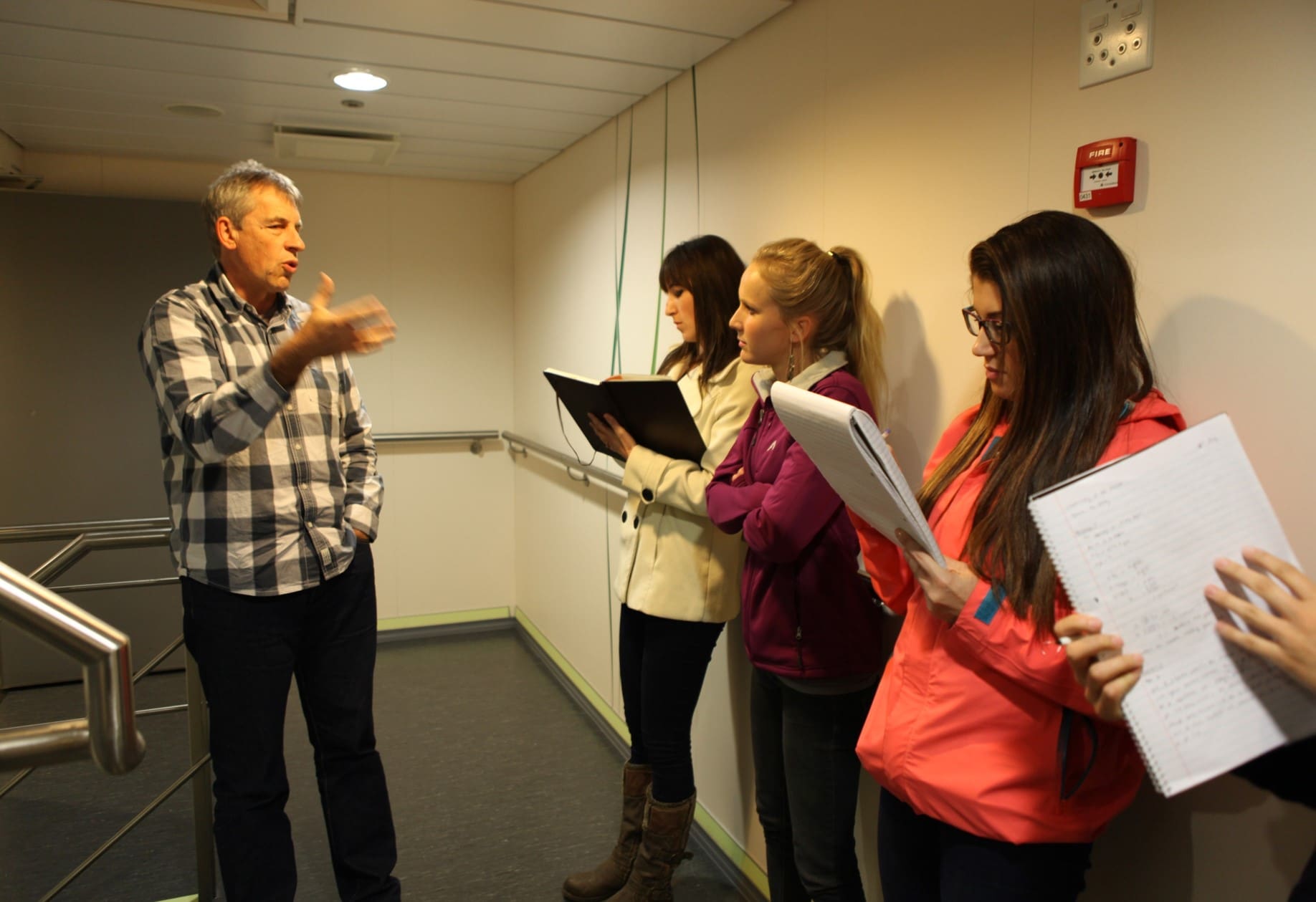 “I am proud of the SEAmester programme and how we have been able to develop linkages with traditionally non marine universities both through their students joining as SEAmester students or their own Lecturers joining the academic programme. The state-of-the-art research vessel, SA Agulhas II, provides such an incredible teaching and research platform for this programme; its size, comfort and shipboard facilities allow groups of 46 students and 30 lecturers to productively interact over a period of 10 days as can the photo of Prof Gammon teaching students in the ship’s stairwell shows so well!.”
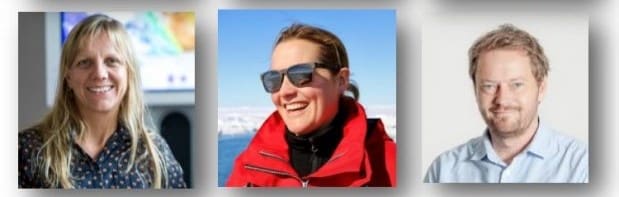 My advice to the young generation: “Four words – always take the initiative! In the UK the only sea-going opportunity I had was to work on the River Tamar outside of Plymouth! In South Africa our students go to Antarctica! But it takes you to make that difference. We have so many wonderful opportunities in South Africa and access to such incredible marine programmes and platforms but the sparkplug to get started must come from you. All academics get frustrated by students not willing to engage with their surroundings and
  not even realise the enormous privilege it is to be on a research vessel such as the SA Agulhas II. You don’t have to be the brightest student in the class but by staying engaged, enthusiastic, interactive and dedicated to your studies you will always go much further in life. Opportunities are endless but it takes you to grab it!”
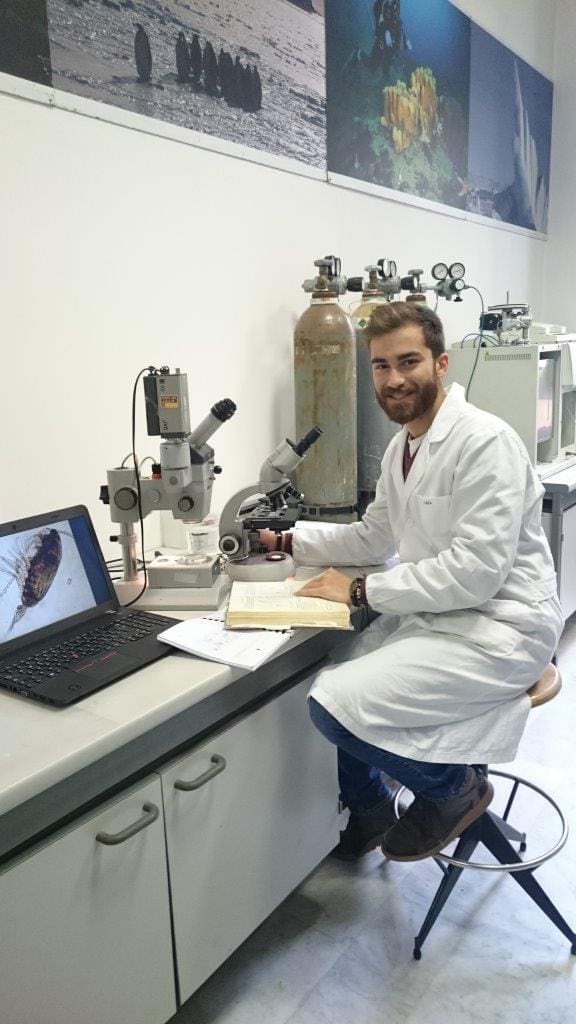 From 2017, he is a PhD student at the
 Earth science, in general, has always been fascinating to me and since I was little, my desire was to discover and learn new things related to our oceans.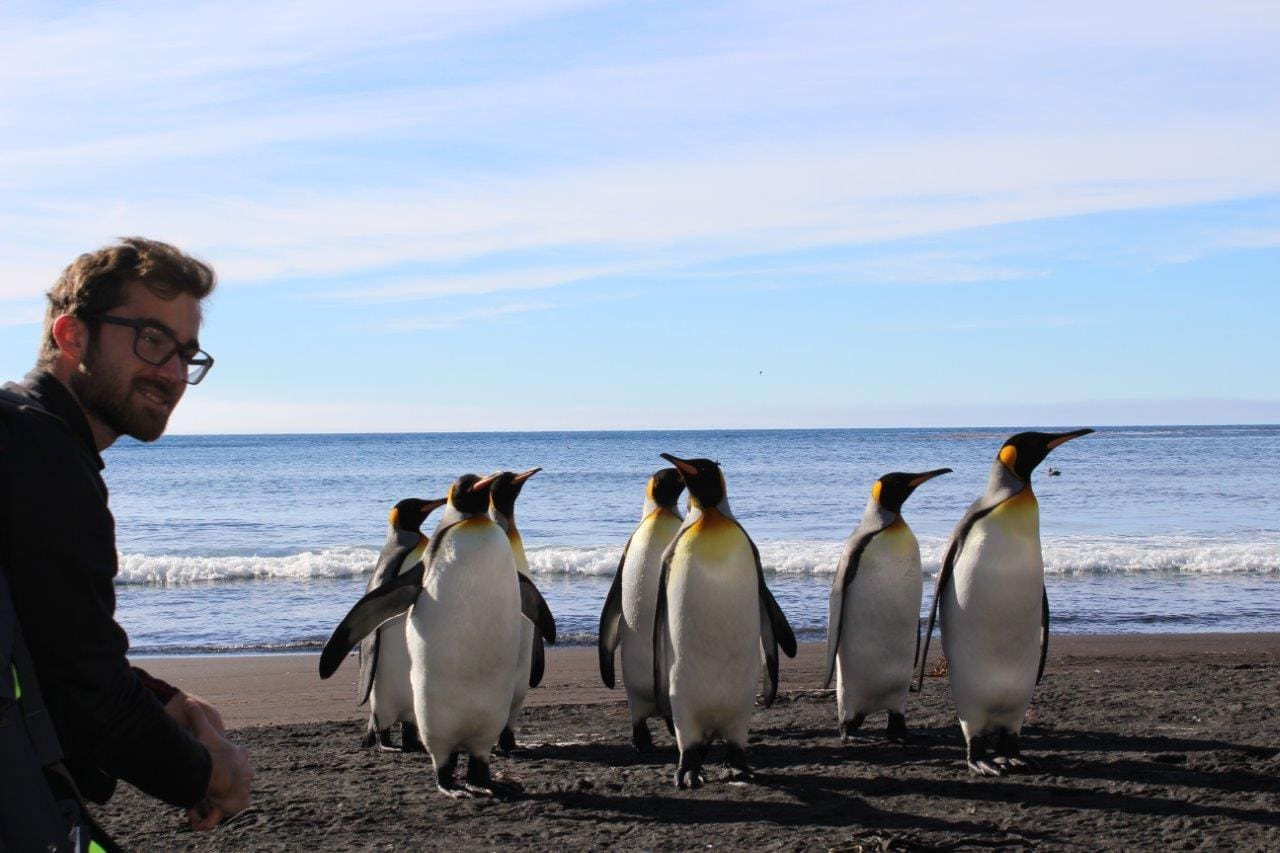
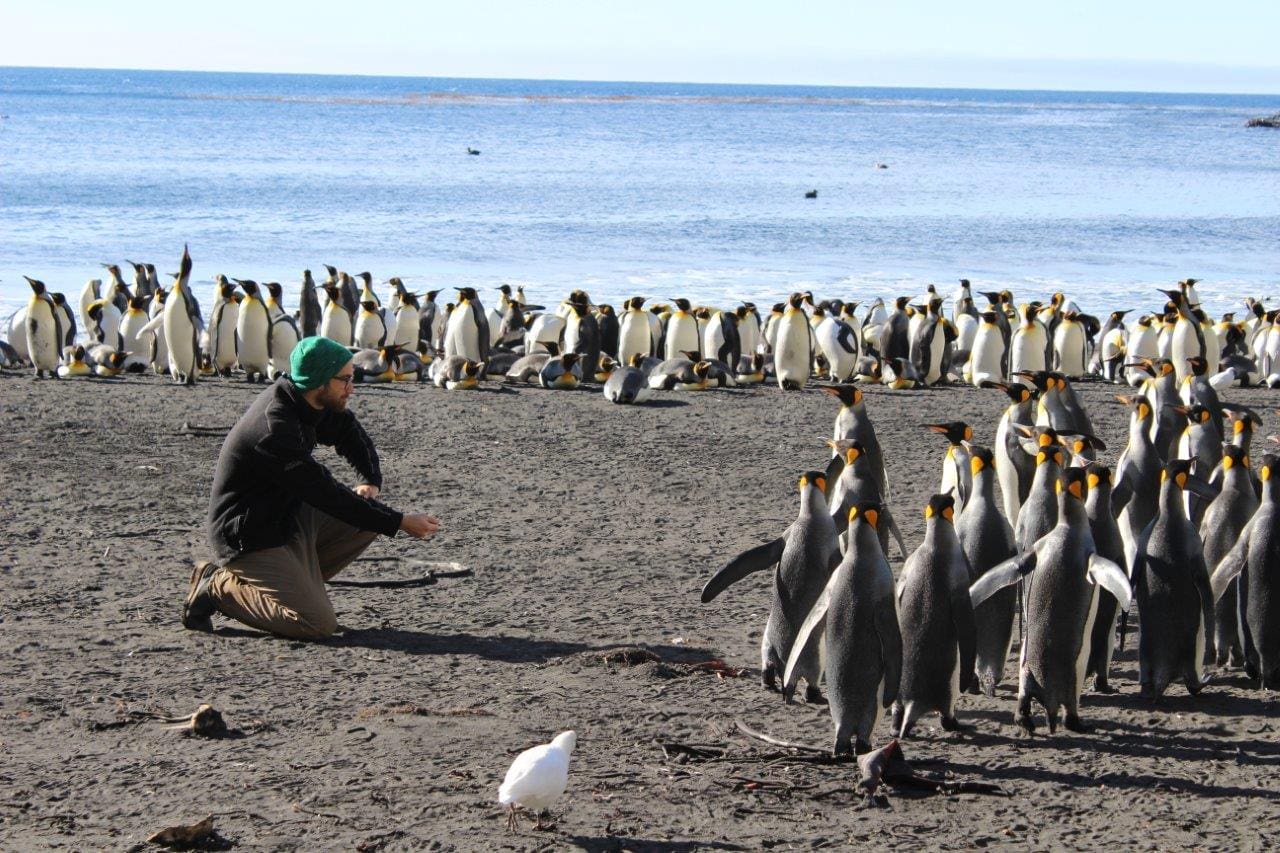
 Thanks to oceanography, I can attend fantastic expeditions anywhere in the world, exploring from the icy polar seas to the warmer waters of the equator, spending weeks or even months on board of research vessels. During these trips, I always meet colleagues and extraordinary scientists that share the same interests and passions of mine, even if they are from different fields. Furthermore, coming to South Africa, I joined two great scientific communities: one is the
 This is a great career that stimulates you at any moment of your life, and if you are curious, motivated, and resourceful, well… this job is waiting for you.
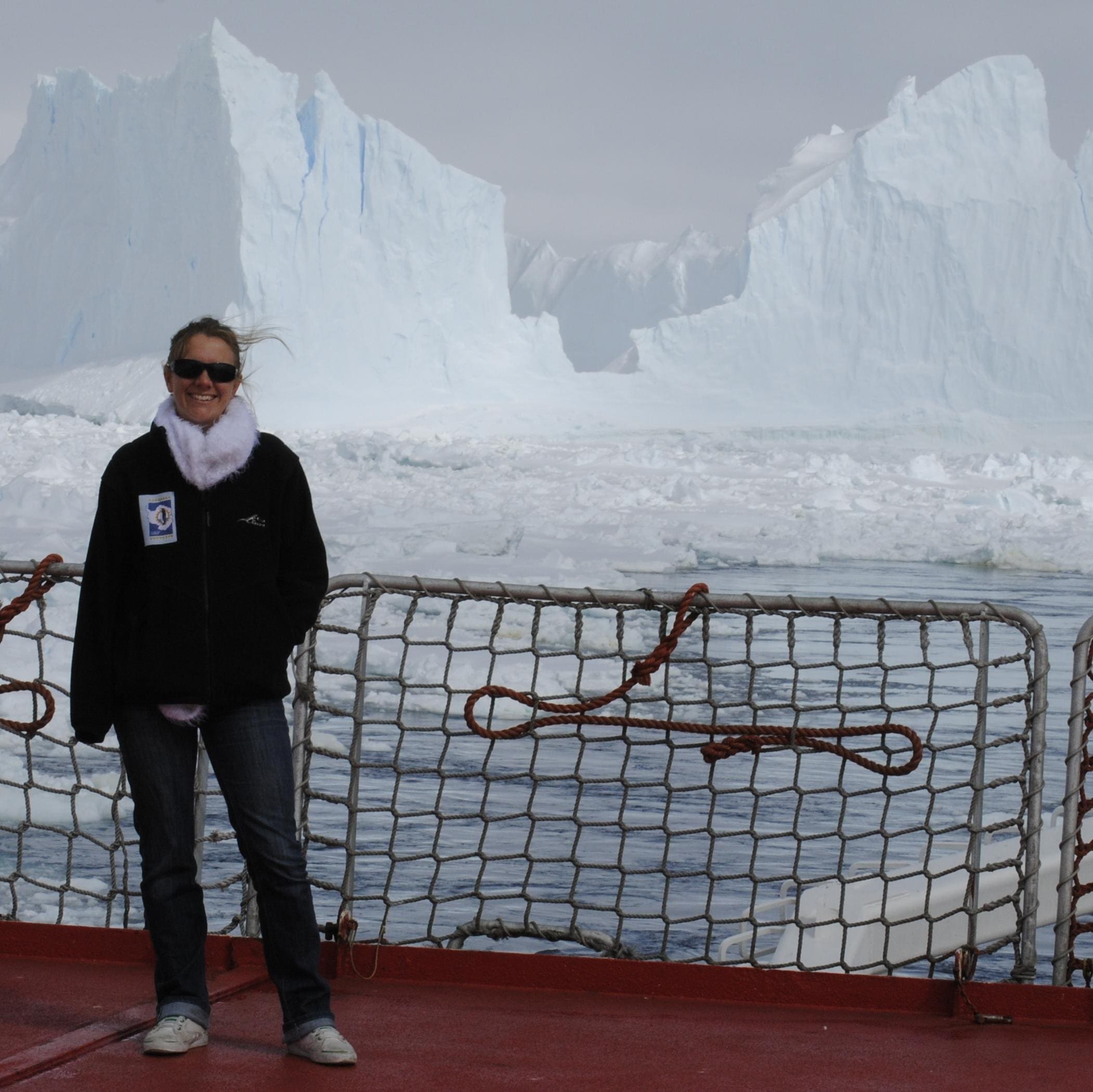

 Sandy Thomalla only ever wanted to be two things in my life; when I was really young I wanted to be a pilot, and from the age of about 10, I wanted to become a marine biologist. Which is perhaps a bit surprising for someone that grew up in Brakpan (yes that is a real town and not just the butt end of South African jokes), which is VERY far away from the sea. But like a lot of typical ‘inlanders’, we made our way to the Natal coast for family holidays and according to my parents I could snorkel in a rock pool before I could walk. My love of the sea (and all creatures in it) was also fueled by my father who is passionate about the ocean and an avid yachtsman (who gave up on his dream of sailing around the world when he had my sister and I …. Sorry Dad.). We spent countless hours swimming in the sea (jumping over and diving under waves) and exploring rock pools in search of starfish and anemones. By the time I was in high school I had my sights firmly set on
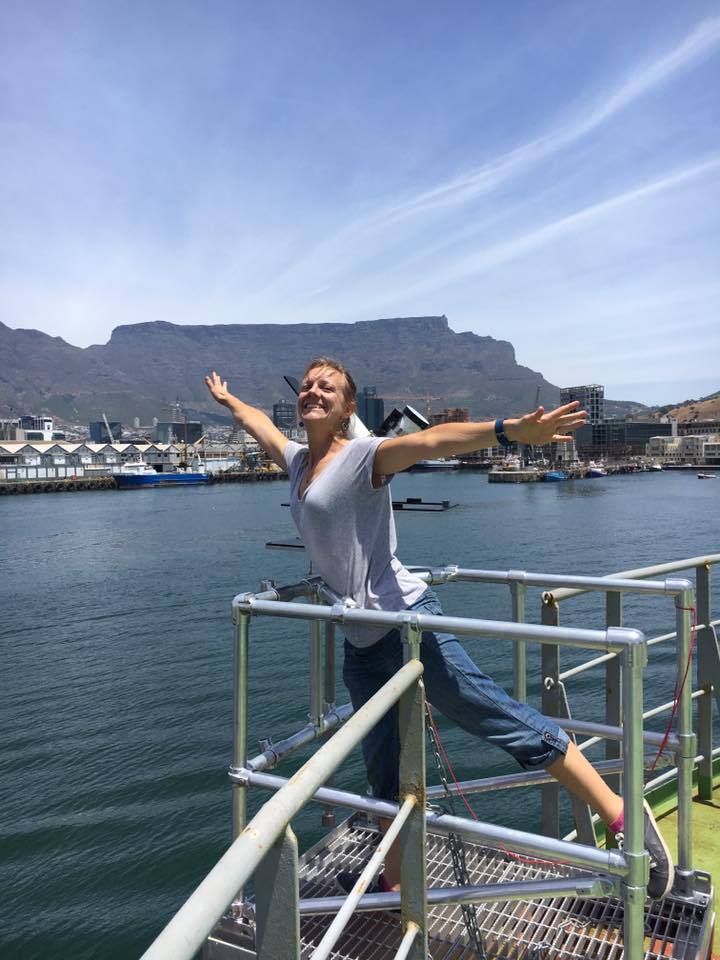


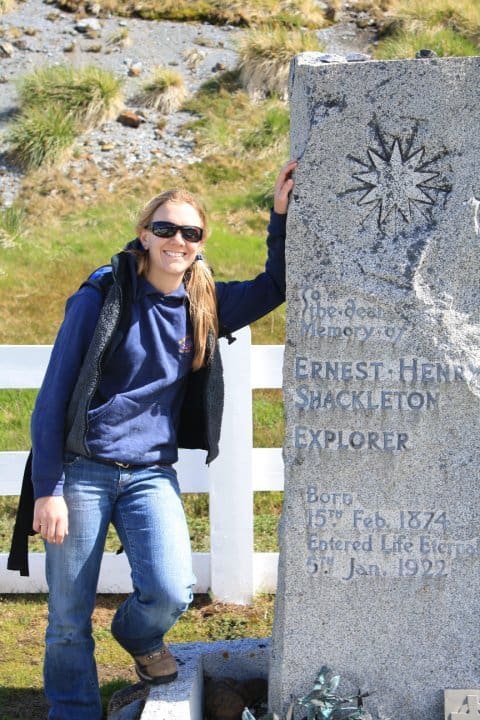 There are many reasons why I love my career and these have also changed over the years. The first, and probably most important one, is that I get to go to sea. I get to sail on ships in wild oceans like the Southern Ocean and experience epic storms that drive 15m waves and winds so strong they whip off the crests of the waves and yet still are no match for a .Wandering Albatross that holds its own in any weather. Or sail across the equator on a sea that is mirror still and so blue that it defies your eyes, while flying fish burst the surface leaving a trail of ripples as their tail fins propel them through the air. My career has also allowed me to travel extensively to many countries around the world for cruises, conferences, meetings and workshops. With each trip (particularly before I had children) I would always make sure I took some time to explore the country or city I was visiting, be it India, Russia, Croatia, Iceland or South Korea. Then there are the people, I would have to say that scientists in general are just pretty awesome people. They are typically down to earth, aware, curious, rational, open minded and free of bias. I have had the pleasure of meeting, working with, and getting to know so many wonderful people from around the world, and I treasure every one of them. In more recent years, being able to teach, supervise students and pass on some of my knowledge and passion has also been very rewarding. Finally, the science itself is very stimulating. Every day you learn something new, and you will never stop learning and reading and expanding your horizons, as this is core to what it means to be a scientist, to gain and share knowledge and understanding.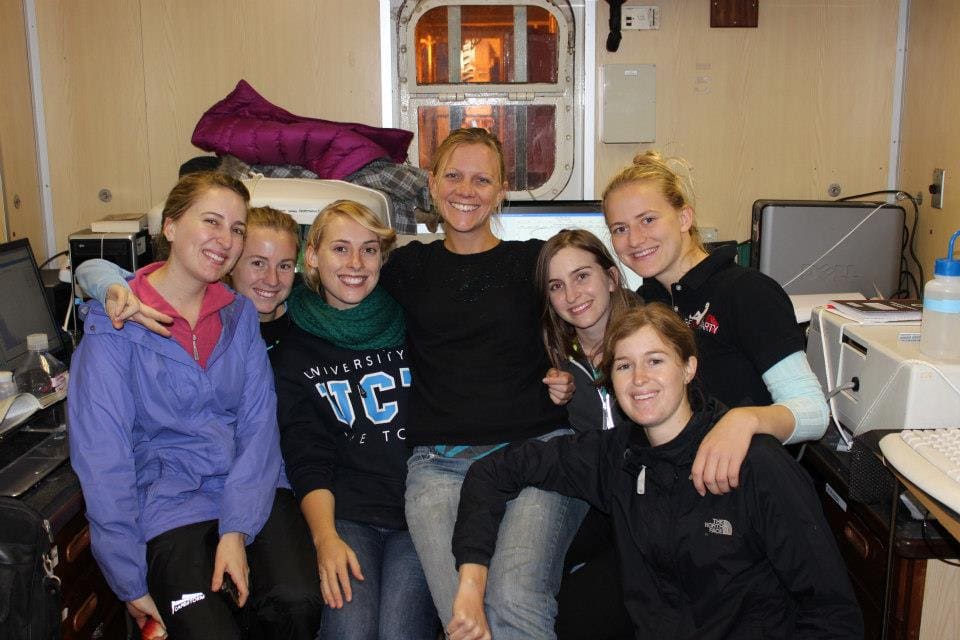


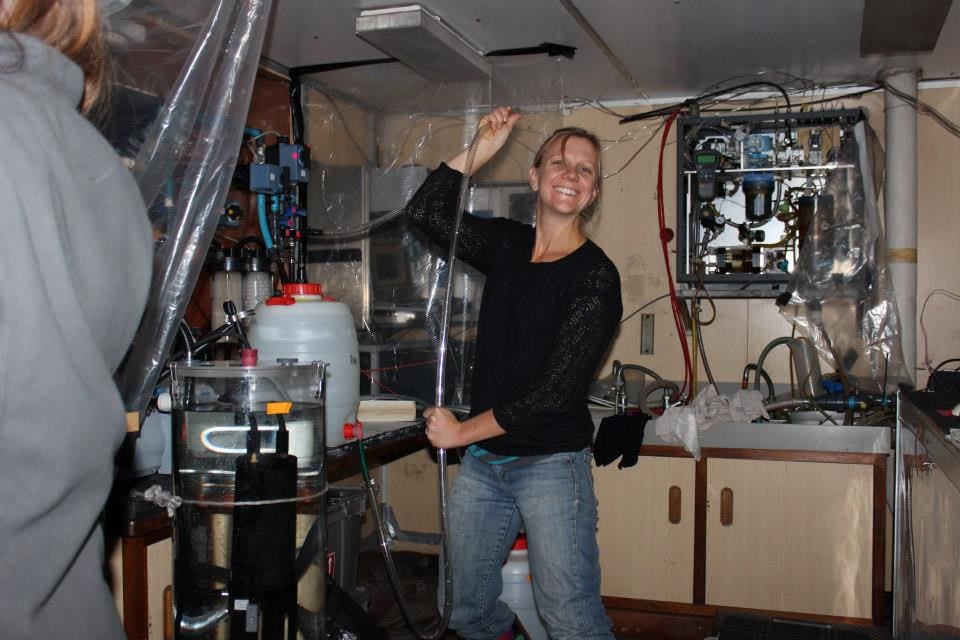
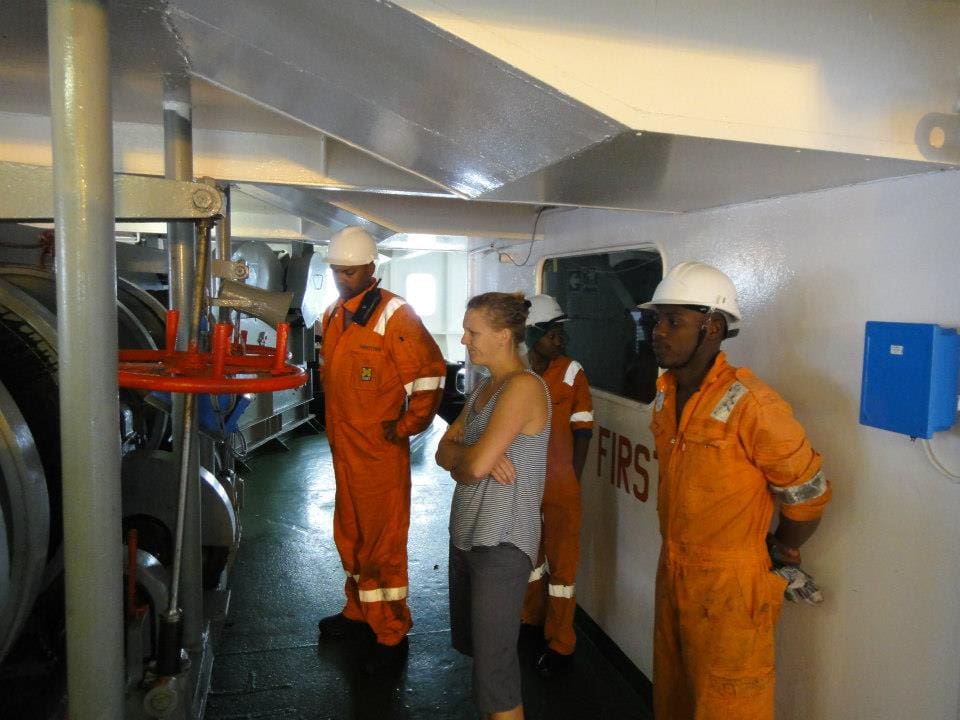 My latest research is a very exciting study that uses autonomous underwater robots (called gliders and floats) that are deployed in the oceans to profile the water column from the surface to 1000m. My colleague Thomas Ryan-Keogh and I have developed a proxy that uses the sensors on these robots to determine the degree of iron limitation of phytoplankton. Iron is a micronutrient in the oceans that is necessary for phytoplankton to photosynthesise, and as such affects the ability of phytoplankton to remove CO2 from surface waters and subsequently from the atmosphere (thus impacting climate change). Preliminary results suggest that phytoplankton in the Southern Ocean are becoming more iron limited over time, which could negatively impact the important role that they play in removing carbon.


 Why you love your career in science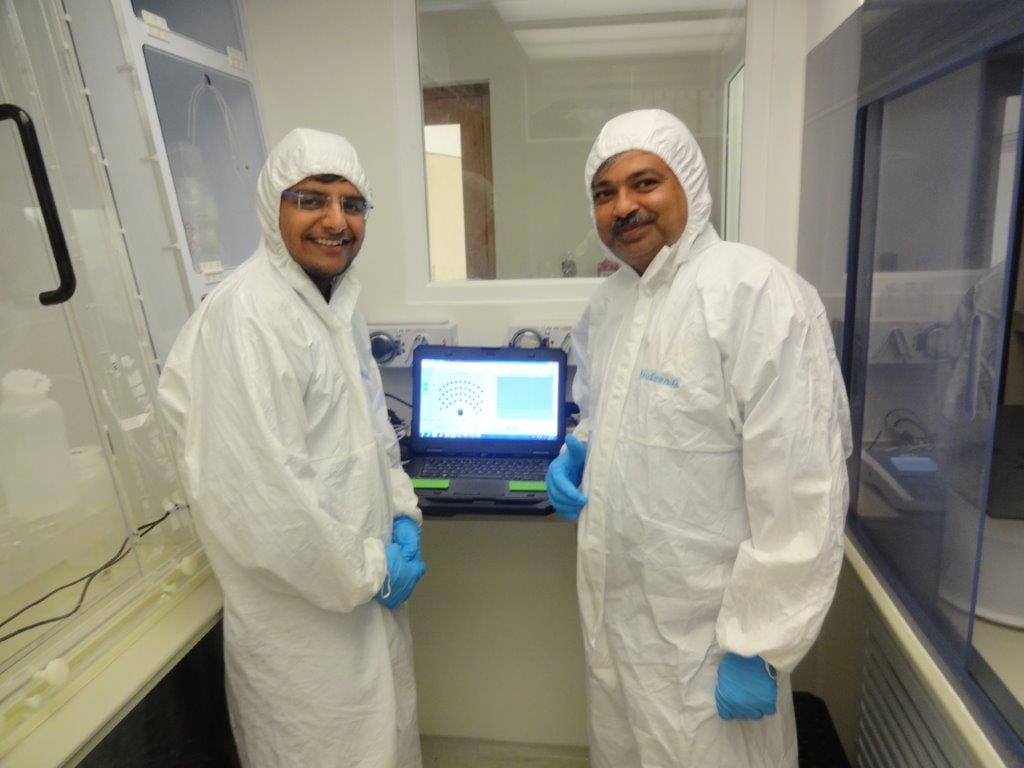
 Choosing a career in Science is not easy. There is always a pressure to go into fields where there are prospects of high paying jobs. One can survive in science only if they love what they are doing. My love developed from the sense of adventure that came with scientific research and travelling for fieldwork in remote places.
 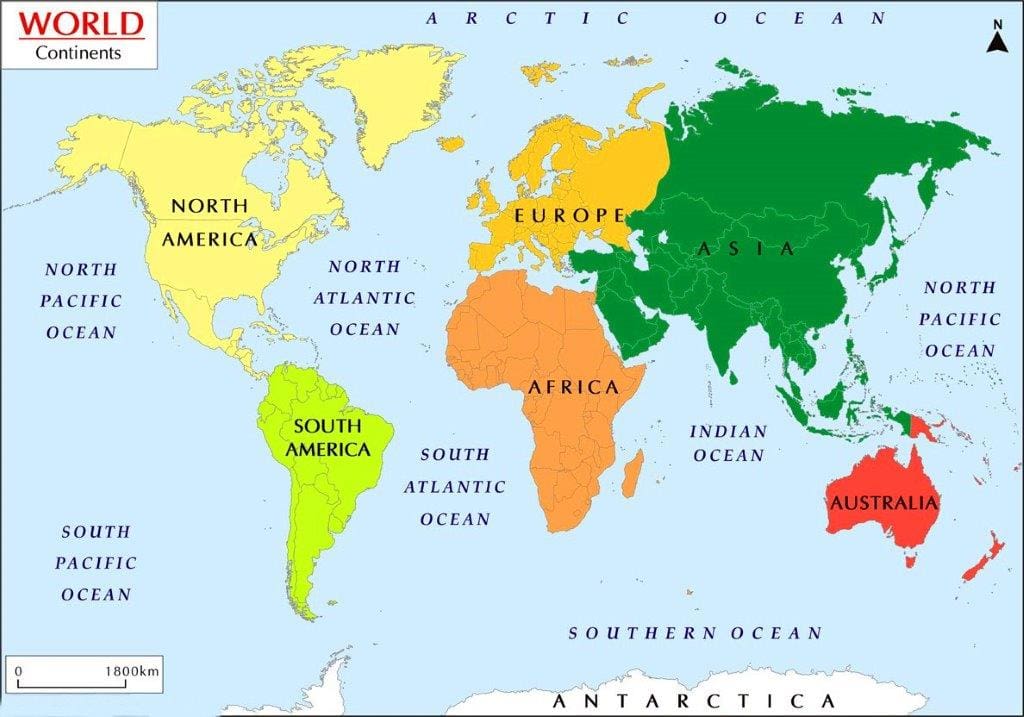 Thanks to Science, I have been fortunate enough to touch all of the

 (Above: Images of Science Cruises in the Southern Ocean on the S.A. Agulhas II with Susan Fietz colleague and students) If you don’t ask the question “Why?” all the time until you run out of answers, you cannot be a scientist. Science thrives on curiosity and there is a lot to be curious about when it comes to the oceans. Oceans are truly the last frontier because we know more about space than oceans. Large parts of the oceans are unexplored and there are huge opportunities for one to make their mark. Marine chemistry or biogeochemistry in South Africa is highly underdeveloped, but this is a field that can answer the most critical questions such as climate change and anthropogenic influences on ocean processes, on which survival of the living planet depends. To be a good researcher in ocean sciences, you will have to have a good understanding of the principles and advanced knowledge of chemistry, physics, biology and mathematics and you will need an open mind to take on the teaching of these different fields while pursuing your focused research.