by Ria Olivier | Sep 26, 2020 | Fellowship, Oceanography, Research, SA Agulhas II, SANAP, SANAP Student, Science, Southern Ocean, sub-Antarctic, Women in Science
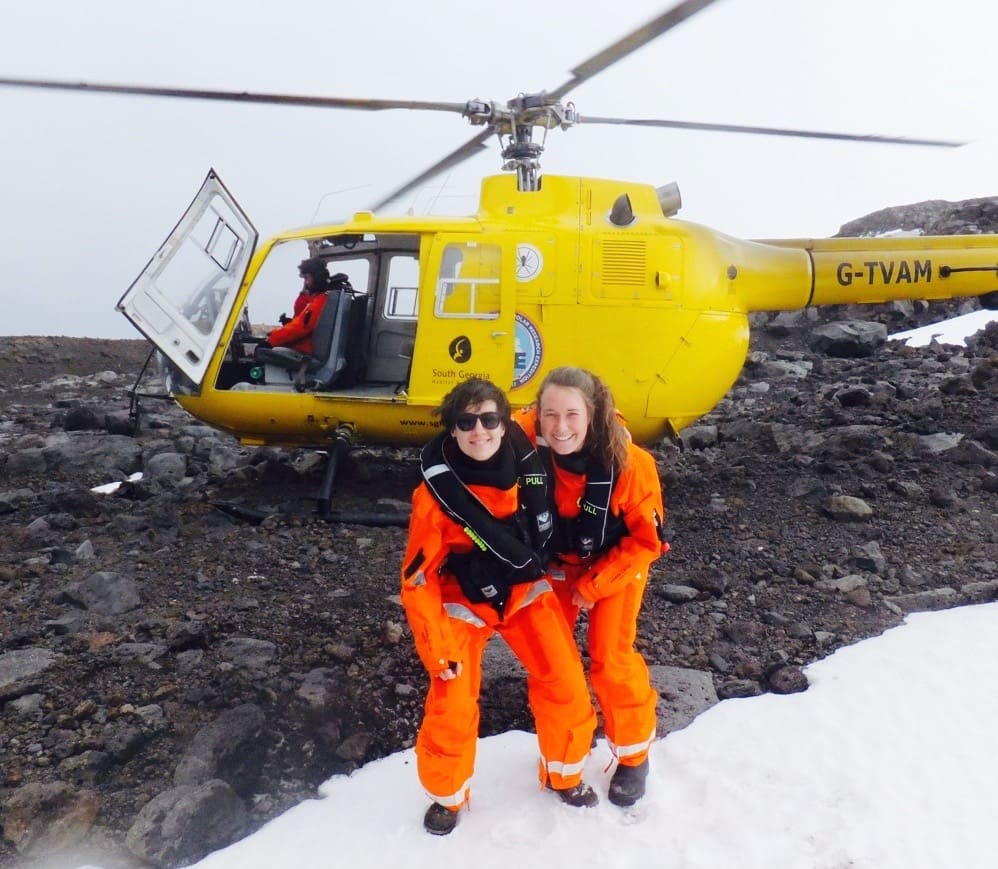
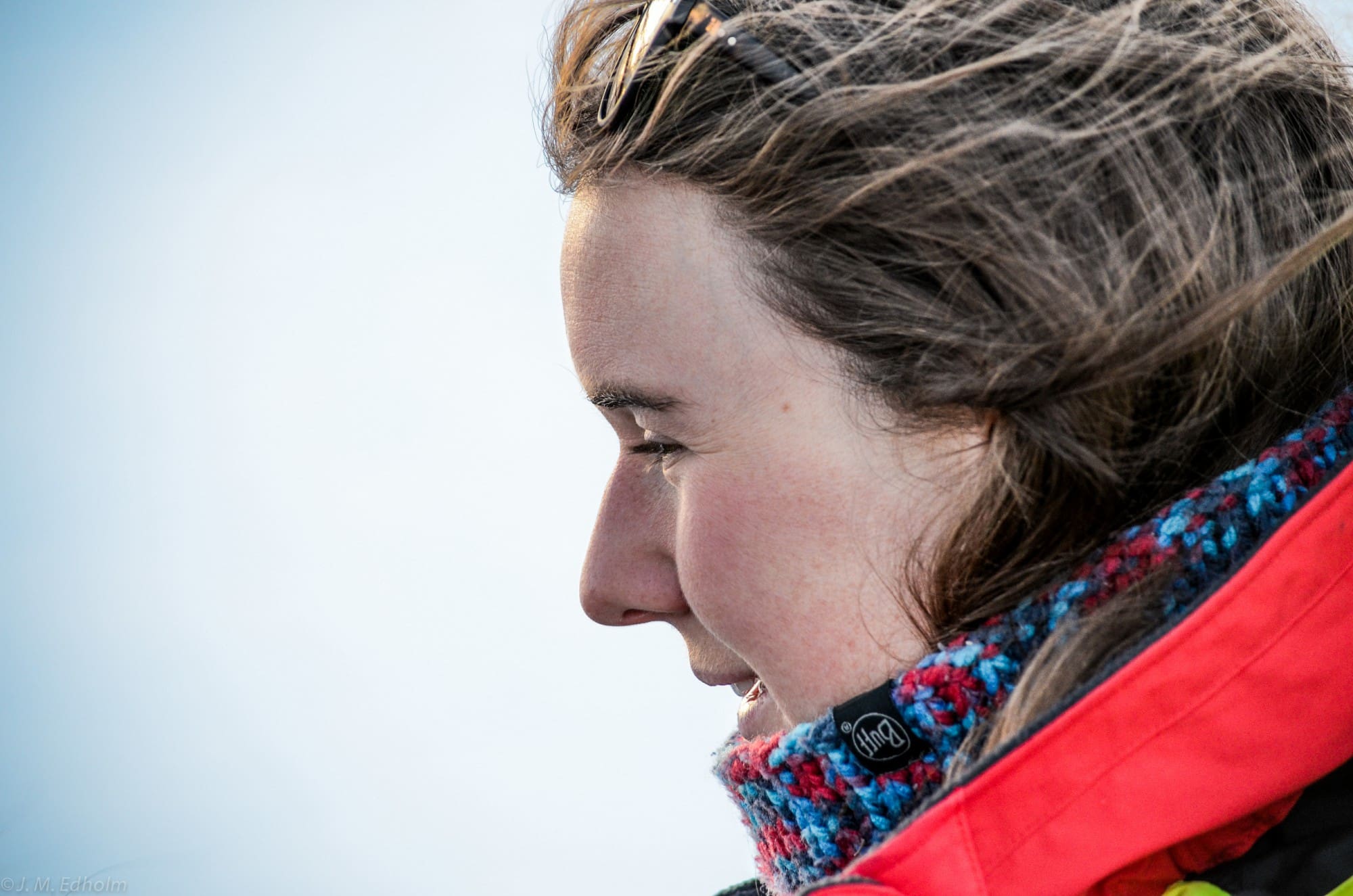 Heather Forrer completed her undergraduate BSc degree at the University of Cape Town (UCT) in 2015, majoring in Ocean and Atmospheric Sciences and Marine Biology. She then went on to complete her Honours degree at UCT in 2016 under the supervision of Dr. Sarah Fawcett where she focused on the nitrogen and oxygen isotopes of nitrate in the summertime Southern Ocean. Her aim was to evaluate the patterns of summertime nutrient utilization across the Atlantic Sector of the Antarctic Zone. Loving everything about Southern Ocean biogeochemical oceanography, Heather went on to complete a MSc with Dr. Sarah Fawcett and Dr. Angela Knapp (co-advisor, Florida State University (FSU), USA) in 2017 – 2020. Her MSc research focused on a basin-scale approach identifying the drivers of the Indian Sub-Antarctic biological carbon pump, with a special interest in phytoplankton group-specific contributions and the influence of the Island Mass Effect (IME). Heather is now pursuing her PhD at FSU and is taking a deeper look at how the IME enhances carbon export. Her research focuses on the Sub-Antarctic Indian sector as well as Subtropical Pacific, mapping the spatial and temporal carbon export ‘footprint’ of islands across oceans and nutrient regimes.
In addition to her PhD, Heather is part of the Antarctic Circumnavigation Expedition (ACE) ASAID (air-sea interactions) sub-working group and is a member of the Association of Polar Early Career Scientists South African National Committee (APECSSA). Heather’s work largely falls under the current SANAP Project “A nitrogen cycle view of atmospheric CO2 sequestration in the Antarctic Ocean” (Principal Investigator: Dr. S Fawcett, UCT). Through this, Heather has had the opportunity to participate in a number of research expeditions to the Southern Ocean, present her work at both national and international conferences and attend workshops with international collaborators.
Born into a family of avid divers, sailors and fisherman, my love for the ocean was instilled in me at a young age. Our dinner table conversations often involve my parents recounting their sailing years on their home-built yacht, reminiscing over past family diving holidays and deciding on which ocean adventure we should embark on next. The vast majority of my childhood holidays were spent wading around rockpools along the South Coast armed with a yellow bucket and red fishing net. My sister and I would collect all the dogfish we managed to coax into our nets and then redistribute them to new rockpool homes based on the size of the fish. Thank goodness the rising tides eventually drove us away and hopefully restored the ecological unrest we most likely caused. This fascination with the small South Coast rockpool ecosystems eventually grew to larger Southeast Asian coral reef biomes in my teenage years. My family immigrated to Vietnam when I was 14, and although moving to a different country was a big culture shock, it opened up a whole new region of marine exploration. Within a couple of months of moving there I became a certified diver and knew that the view from my fogged-up, leaking mask on my first dive had just cemented my future in marine sciences. Upon matriculation, I volunteered for an NGO in southwest Madagascar where I assisted with coral reef studies, looking at both anthropogenic impacts as well as recovery rates from cyclone damage. Knowing that marine sciences was my future, I started my BSc at UCT with a balmy tropical island goal. Well…that was until I met Sarah Fawcett in my 3rd year at UCT… and I quickly traded my sandy feet, beach towel, golden tan dreams for thermal underwear, blisteringly cold winds and the raging Southern Ocean… and have never looked back!
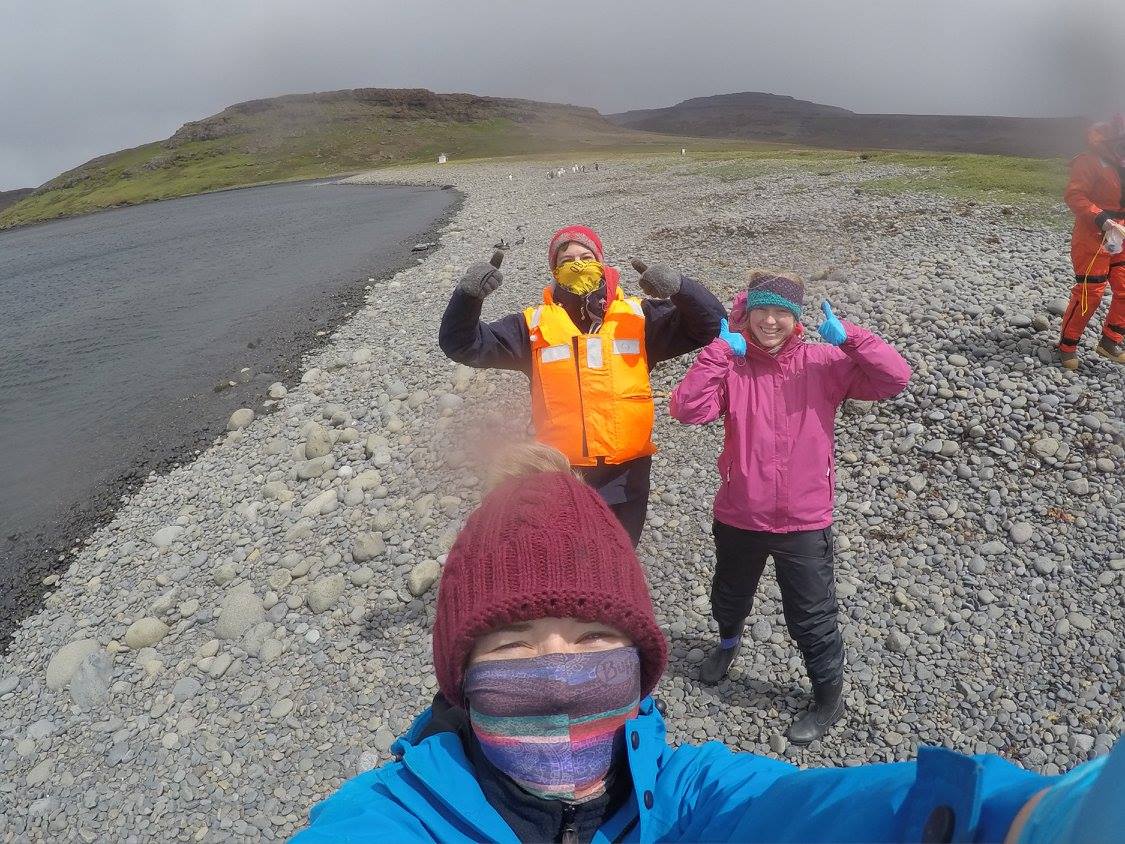
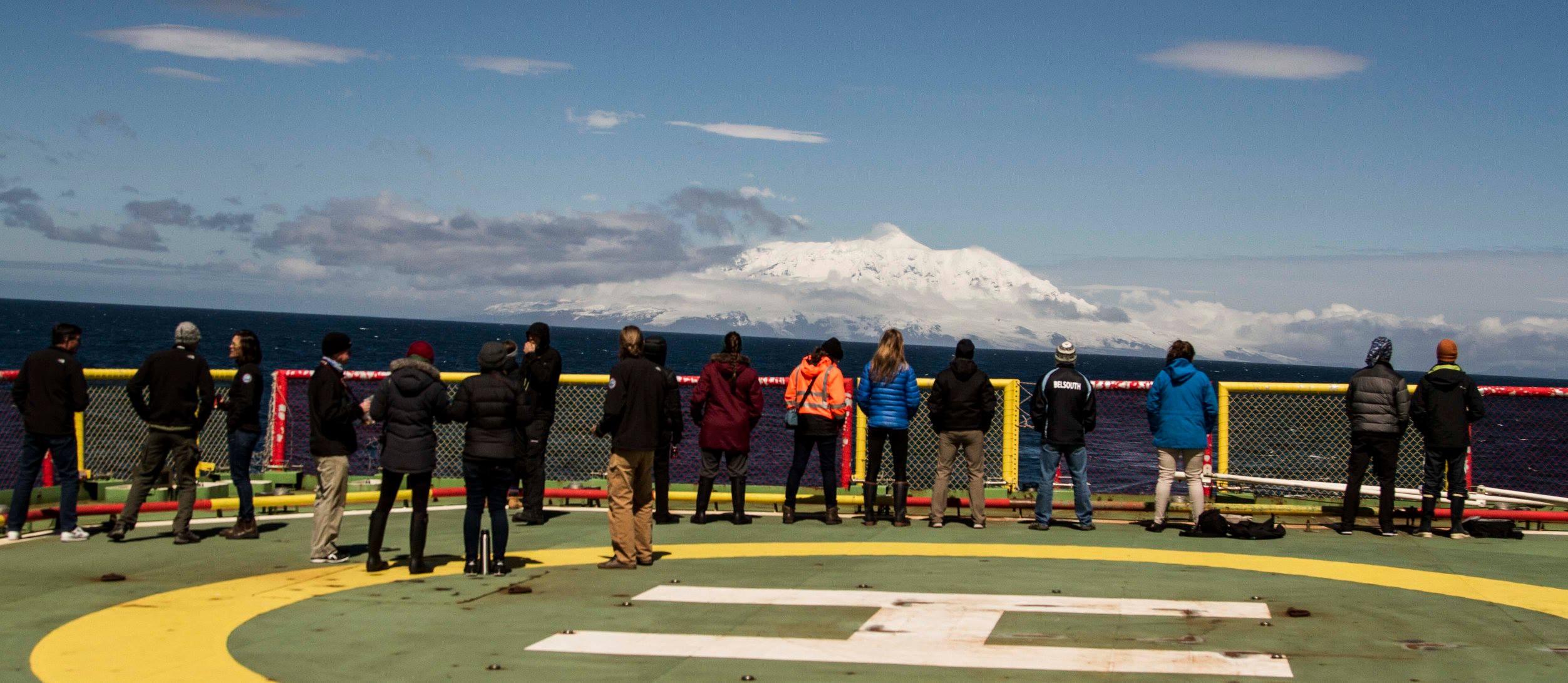
I love my career in science because of the people and the places. There is such a diverse group of people within the SANAP community and we are all striving towards a common goal – to better understand how the world works. All of our fields are so interconnected and through collaborative efforts, you have the opportunity to work with the most incredible scientists, where you get to share ideas and develop some form of understanding…only to have even more questions! Exploring curiosities and having the freedom of imagination is what drives science forward and when I find fellow scientists who share similar questions, this encourages me to continue pushing boundaries of what we know. My career in science has also taken me to the most amazing places – places I could never dream of going to with another career. From boarding a Russian research vessel in Chile, to sampling the nearshore coastline of the sub-Antarctic island of Kerguelen, to analyzing samples in a lab in the US, to data interpretation at a workshop in the UK to presenting my findings to at a conference in Switzerland… I don’t think there is another career path that would allow me to do all that! Earth Science is a constantly engaging and exciting field to be in. Things never stop… even during a pandemic. The amount of incredible discoveries and papers that have been published in 2020 alone is testament to this. The SANAP community is an impressive force, driving cutting-edge science that is crucial to our global understanding of the past, present and future Earth and is a community I am privileged to be a part of.
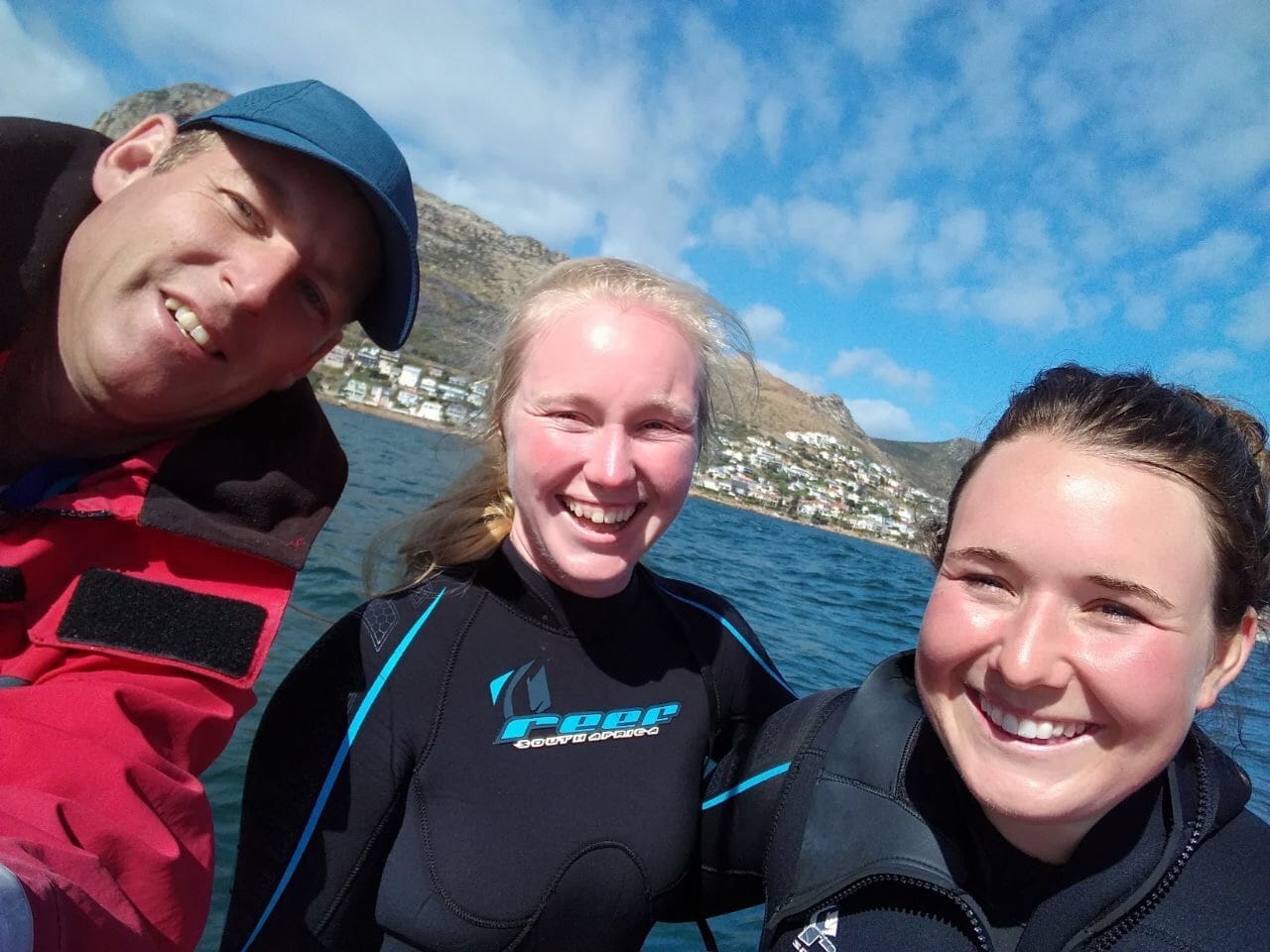
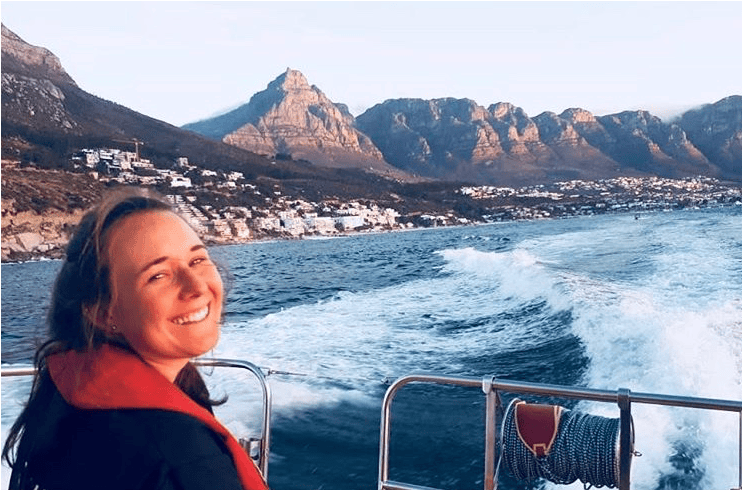
Unlike other career paths, science allows you to follow your passions and ‘immerse’ yourself in different fields. This has allowed me to pursue my interest in Southern Ocean biogeochemical research while being involved in the operational side of Acoustic Doppler Current Profiler (ADCP) and Conductivity Temperature Depth (CTD) sensor deployments and servicing along the South African coastline with the UCT Research Dive Unit. I am happiest when in or on the ocean and to be able to take part in both the research and the operational sides leaves me smiling from ear to ear.
Something that I find incredibly special about a career in science is it is a career your family can be involved in and get excited about. My family have been an amazing source of support throughout my scientific career. They have helped me label over 15,000 sample bottles (the Forrer family bottle labelling production line is something to behold!), load ships, move -80 freezers from East Pier to UCT and create figures for my theses. They have also met me in Switzerland and Australia after workshops or cruises and have read all of my work from beginning to end. Whenever I phone my dad, he always asks “is the ship in town?” and if the answer is “yes” he follows up with “how many bottles do we have to label, when are we loading the ship, how many trailers do we have to tow?” Although I’m still not 100% convinced my parents know exactly what I do, and often hear my mom describing my work to her friends as “the study of whale food that is saving the planet from climate change”, I definitely couldn’t have made it this far without their support, encouragement and enthusiasm.
To end, I thought I should share three tips for anyone about to embark on their scientific career:
- Never be afraid to ask questions… and ask a lot of them! It will help you grow as a scientist, develop your curiosities and make you even more enthusiastic about your work. By asking ALL the questions, I inevitably designed my own PhD research.
- Choose your supervisor carefully and build a good working relationship them. If you are starting a PhD, this working relationship needs to last 5 years, so make it work from the start. Supervisors are only human and can only do so much, the vast majority of the work and drive needs to come from you. I am personally very lucky to have great relationships with both of my supervisors. I started working with Sarah in my Honours year and she is now part of my PhD committee. By the time I complete my PhD, we would have been working together for close to 10 years!
- A science degree takes a village… so build your ‘scientific village’. While there is an ‘i’ in science, it is not an individual pursuit. From sample collection, lab analyses, data interpretation and theses writing, it is all about teamwork. So, start building your network. This can involve fellow grad students, people you meet on research expeditions or at conferences, mentors from other universities etc. While they might not directly participate in your research, they help keep you motivated and excited about your work.
With that, I would like to acknowledge and thank my SANAP and greater South African ‘scientific village’; Dr. Sarah Fawcett (UCT), for your encouragement and support over the last 5 years. Ruan Parrott, Luca Stirnimann and the rest of the Fawcett Lab group for help with sample collection and analyses. Dr. Rosemary Dorrington (RU) and Dr. Tommy Bornman (SAEON) for all your contributions to ACE and the fun workshops. Dr. Bettine van Vuuren (UJ) for always encouraging me to “Just apply! What’s the worst that can happen?”. Cashifa Karriem for holding the UCT Oceanography Department together and helping with the admin side. Tahlia Henry for spending hours driving the CTD to the ocean depths for my deep water samples and for helping me with my (many) technical questions. Dr. Tommy Ryan-Keogh (CSIR) and Dr. Thato Mtshali (CSIR) for showing me the ropes when it comes to trace metal sampling and for helping me design my sampling schemes. Pieter Truter, Hazel Little-Leighton and the rest of the UCT Dive Unit for helping me pack for cruises, make incubators, service pumps and for always braving the icy Atlantic waters with me. And last but certainly not least, the APECSSA National Committee for our fun catch-ups and shared passion for collaboration between young researchers on a local and international level.
(Text and images supplied by Heather Forrer)
by Ria Olivier | Aug 23, 2020 | Antarctica, Gateway cities, Research, SANAP, SANAP Student, Science
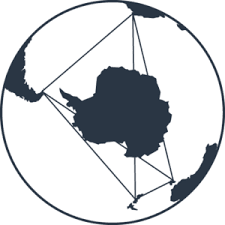
Antarctic cities and the global commons: Rethinking the Gateways – project by Institute for Culture and Society. How we care for Antarctica is key to the planet’s future. As pressures on the continent increase, five gateway cities will become critical to its future.
These five cities; Cape Town, Christchurch, Hobart, Punta Arenas, and Ushuaia have complex histories of engagement with the Antarctic. Located in zones with intense interconnectivity to the Antarctic, they are formally recognised international gateways through which most travel to the region flows. All significant engagement with the Southern Polar Region is coordinated through them, but the ensuing competition for economic advantage that this traffic offers is not always constructive.
SANAP has been involved through the Antarctic Legacy of South Africa and ALSA organised the inclusion of Rudzani Silima in the Antartic Cities Youth Expedition(ACYE). Ria Olivier and Anché Louw attended meetings in Hobart Australia in 2017 of this project. Since then communication and meetings with Juan Salazar and Paul James occurred.
This project is the first substantial comparative program to investigate how gateway cities might both re-imagine and intensify their relations to Antarctica and each other. In doing so, constituents across the Antarctic gateway cities will be drawn into an ongoing partnership to research the significance of their Antarctic connection. The aims of this project are to demonstrate how ecological stewardship, political cooperation, cultural vibrancy, and economic prosperity can be mutually reinforcing, and determine how these cities see themselves into the future in relation to Antarctica and to each other. It intends to revitalise these relations through assessment and research processes that include supporting citizens to frame future forms of engagement. The project includes working with youth across the five cities to instigate the engagement of young people in debating the future of these cities and the futures of Antarctica. This evolved into the Antarctic Youth Coalition(AYC).
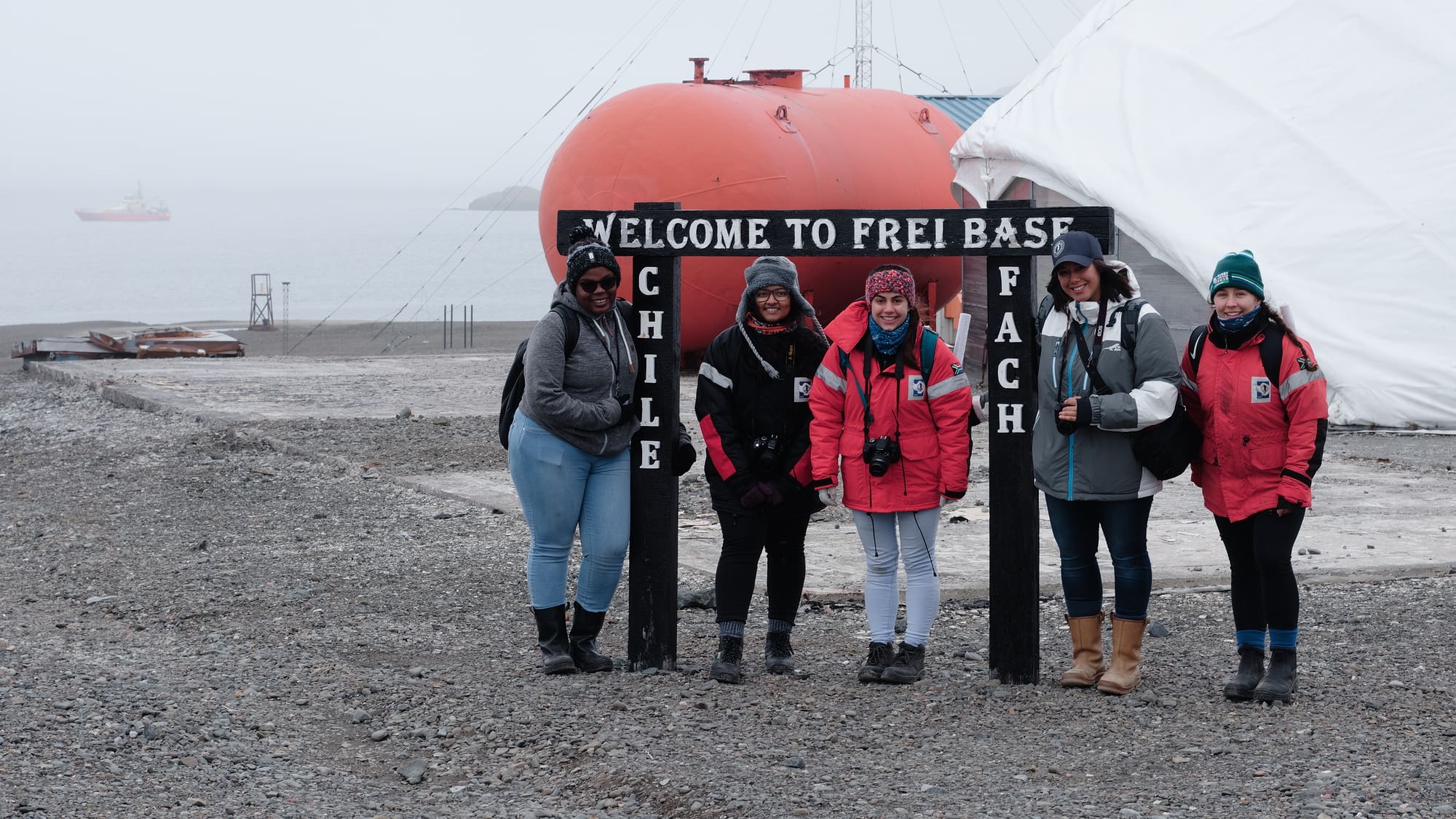
(Above l-r: % champions with Juan Salazar and Elizabeth Leane, 5 Champions and see Rudzi with South African Flag beanie) 5 Champions were chosen from the 5 Gateway Cities to represent their countries. A lot of effort, passion and work have been put in by these young champions. “During the ACYE to King George/25 de Mayo Island, Antarctic Peninsula, in February 2020, 5 young leaders representing the 5 Gateway cities developed a new AYC. AYC will focus on devising youth engagement networks in the five gateway cities to create new connections among these cities and develop a sense of Antarctic custodianship unique to all the gateways.” During the AYCE Rudzi visit the stations of Chile and Uruguay and took a gift from South Africa to every station, a table runner with Proteas the beautiful flower from the Western Cape as well as publications.
Rudzi(left) on Vimeo made by Juan Salazar:
Follow AYC on Facebook!
Project is headed by Associate Professor Juan Salazar(right), Institute for Culture and Society. (j.salazar@westernsydney.edu.au) (Information available from project websites see links above)
“We want cities to come together to embrace the values of Antarctica for the protection of our shared futures.”
(Images from ACYE expedition and text from ACYE pamphlet)
by Ria Olivier | Aug 22, 2020 | Antarctica, Gateway cities, Legacy, SANAP, SANAP Student, SEAmester
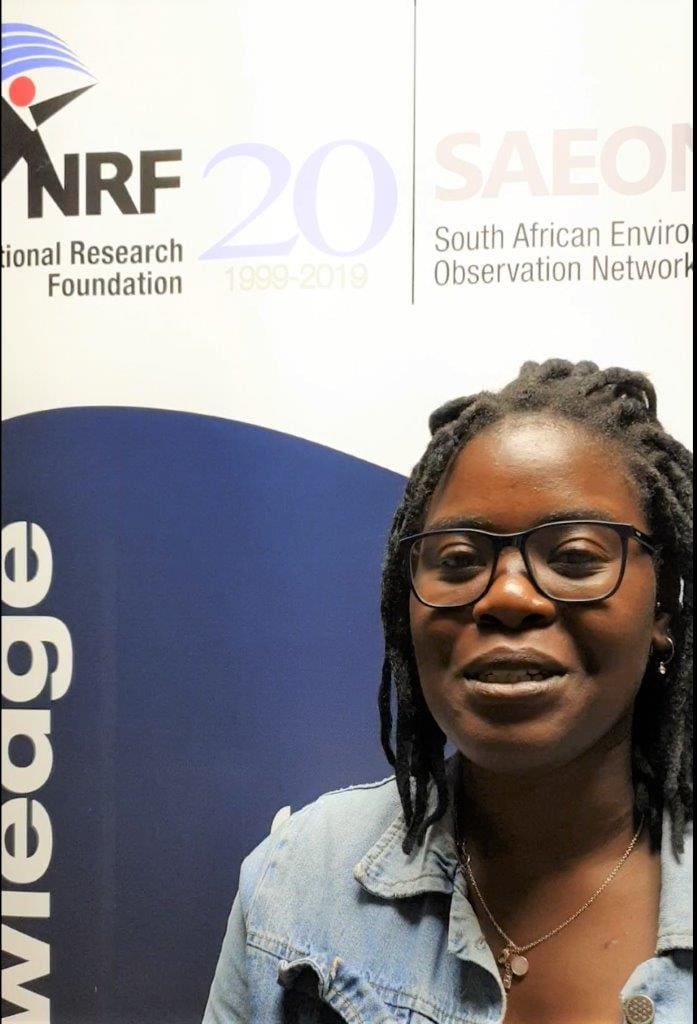
Rudzani Silima (Rudzi) have from a young age, always known that she would pursue a career in environmental conservation and science. “I grew up in the very small town of Louis Trichardt, surrounded by nature. Having a great attitude in subjects such as science, math, biology and geography. It was a no brainer to start my undergrad career in Marine Science at the Cape Peninsula University of Technology. CPUT not only provided the academic expertise that I would need in the future but also, in 2017, I was placed at the SAEON Egagasini node for my work integrated learning. This opened the floodgates to more networking and career building opportunities.
(l-r: Rudzi and Nompumelelo(DEFF),weighing my luggage, Ria Olivier(ALSA) sent me on my trip, during transit I said goodbye to my family) To date I have attained a collection of prizes from my university and conferences, further validating my determination to advocate for the oceans and our planet. As the best Seamester student I was chosen to be the champion for the Gateway to Antarctica City of Cape Town Earlier this year, with the help of the Antarctic Legacy of South Africa , the National Research Foundation and the Department of Environment Forestry and Fisheries, I was able to make my first trip to Antarctica.
The Antarctic Cities Youth Expedition, a collaboration between 5 cities, an expedition with five young and vibrant individuals, who share a common passion for the Antarctic environment. A product of the expedition was the founding of the Antarctic Youth Coalition, which aims to connect the five gateway cities, and to encourage sustainable consumption and practises within the cities for the sake of the Antarctic landscape. (image left waiting for our flight at Punta Arenas to Antarctica. Right: Visiting the Uruguay Station on Antarctica
There are many controversies related to climate change today, however, in Antarctica there is physical evidence that climate change is happening right now and not in some distant future. Therefore, the formation of the Antarctic Youth Coalition couldn’t be more perfectly timed. The AYC, hence from now on aims to make accessible the very important science done in the Southern Ocean to everyday citizens in the five gateway cities but also all around the world. Listen to Rudzi while being part of ACYE, video made by project leader Prof Juan Salazar
“Therefore, all of us, common or otherwise, share the responsibility for a healthy, thriving Antarctica and our whole planet! My parting word, specifically to us young people is to never give up on yourself and never give up on your dreams. All of us have the potential to change the world in our own very unique and exciting ways”
(Images by ACYE group and text supplied by Rudzi Silima and ALSA)
by Ria Olivier | Jul 25, 2020 | Antarctica, Research, SANAP, SANAP Student, SCAR
SCAR2020 Online starts on Monday 27th July with related events, with the conference starting on Monday 3rd August till 7th August with an APECS workshop from 11-13 August2020.
“ SCAR’s Open Science Conferences have been a focal point for the Antarctic research community for over fifteen years. Through SCAR 2020 Online we are excited to present many of the highlights of the science we had originally planned to bring to you at the Hobart OSC, which was sadly cancelled due to the COVID-19 pandemic.”
SCAR2020 online include Plenary Events, Workshops, Mini-Symposia and Related events
 South Africa has been part of SCAR since 1959 and over the years researchers of South Africa attended these conferences. Over the past decades, principal investigators of SANAP and their students gave oral and poster presentations. This year the XXXVI SCAR was scheduled to be held in Hobart, Tasmania, Australia from 31 July to 11 August 2020. A big group of South Africans were going to attend this meeting. Scientists, researchers and students submitted abstracts for the conference, although not all of these will be orally presented (some will be available on virtual display). All the abstracts have been compiled in a book of abstracts.
| SCAR2020 Online – Related Events (UTC time) |
| Monday, 27 July 2020 |
| * |
0600-0800 |
Session 25 |
Sea ice in the atmosphere-ice-ocean-biosphere system |
| * |
0930-1130 |
Session 36 |
Antarctic Heritage |
| * |
1100-1300 |
Session 25 |
Sea ice in the atmosphere-ice-ocean-biosphere system |
| * |
1200-1530 |
Session 36 |
Environmental factors driving diversity and composi on of fossil and living Antarctic communities |
| Tuesday, 28 July 2020 |
| |
1300-1600 |
Meeting |
SOOS West Antarctic Peninsula and Scotia Arc Regional Working Group Committee meeting |
| * |
1300-1500 |
Session 41 |
Living and Working in Antarctica, Session A |
| |
1400-1600 |
Workshop |
Biogeochemical Argo Workshop |
| |
1800-2230 |
Session 5 |
Antarctic Sea ice variability and change |
| * |
2000-2200 |
Session 41 |
Living and Working in Antarc ca, Session B |
| Wednesday, 29 July 2020 |
| |
0500-0800 |
Session 46 |
Public Engagements with Antarc ca in a Changing Climate |
| |
1200-1400 |
Session 36 |
Environmental factors driving diversity and composi on of fossil and living Antarctic communi es – Session 2 |
| Thursday, 30 July 2020 |
| |
0900-1100 |
Session 45 |
Inclusive Collaborations in Antarctic Research |
| |
1800-2200 |
Workshop |
ASPeCt* Workshop |
| |
2000-2130 |
Meeting |
Geothermal Heat Flow Side Meeting |
| Friday, 31 July 2020 |
| |
0600-0800 |
Session 37 |
The ATS, Interna onal Law and Governance, Session 2 |
| |
1300-1500 |
Session 37 |
The ATS, Interna onal Law and Governance, Session 2 |
Above schedule for 27th -31st July. “The full program will be uploaded in coming days on the SCAR2020 website. Please note that session start and end times may change slightly in the final program to allow for smooth transition between sessions.” See schedule with an indication(*) of where South Africans will be participating – the schedule will change over the next two weeks, follow us on Twitter (@Antarcticlegacy) and FaceBook to keep track of changes. Below this week schedule.
All the best to all our presenters during SCAR2020 Online!!
by Ria Olivier | Jul 17, 2020 | Antarctica, Research, SA Agulhas II, SANAP Student, Science, SEAmester, Southern Ocean
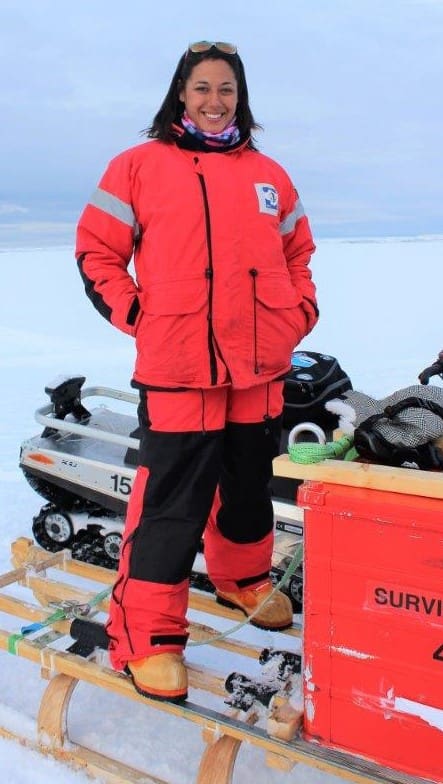
Where did it all started for Tahlia: “From an early age I have had an unbridled passion for the ocean and understanding technology, which led me to pursue my studies in Oceanography at the Cape Peninsula University of Technology (CPUT). I chose to study here as it provided a platform to not only gain academic experience within an oceanographic context, but to also gain field experience. In my third year (2014) I was placed at Bayworld Centre of Research and Education (BCRE) in order to complete a number of research projects which spanned across an array of oceanographic disciplines, namely: Marine Instrumentation, Marine Resource Management, Ocean Sciences and Marine Outreach. This placement exposed me to the different aspects of oceanography and allowed me to find my particular field of interest. It was there, at BCRE, that I was exposed to physical oceanography, data processing and development of marine instrumentation. I knew that I had found my niche within the oceanographic community and would strive to further my education, work experience and continue to learn and grow within this sector. After earning a National Diploma, I completed a BTech degree where I continued to work part-time at BCRE and develop my final research project. This project focused on the development of two sub-sea moorings, each housing a 75 kHz Acoustic Doppler Current Profiler (ADCP), which I was fortunate enough to deploy between two sub-Antarctic Islands—Marion Island and Prince Edward Island—while aboard the research vessel, SA Agulhas II.
Following the completion of my BTech degree, I continued to work on this mooring data over the next four years, returning to Marion Island and ensuring the safe retrieval and re-deployment of the sub-sea moorings. The data collected formulated the basis of my MSc research project, entitled Impact of ocean variability on Shelf-Seas surrounding the sub-Antarctic Prince Edward Islands.
In conjunction with my studies I’ve had the opportunity to take part in numerous oceanographic research cruises and expeditions. My first cruise, on board the RV Algoa with the operational oceanographic team from BCRE, exposed me to deep-sea mooring operations, in-situ data collection and hydrographic measurements. After this I joined the SA Agulhas II on its annual expedition to Gough Island and Tristan da Cunha, thereafter opening the door for numerous further excursions to sea. My subsequent extensive seagoing experience of over 20 cruises, from the North Sea, to sub-Antarctic islands, to Antarctica, has seen my responsibilities range from regularly being an oceanographic technician to acting as chief scientist on multiple occasions. In 2016 I was appointed as the co-ordinator of SEAmester, South Africa’s Class Afloat, which revealed a very different aspect of seagoing work, mainly from a logistic point of view and stepping into a teaching role. It has been truly rewarding to watch this programme grow over the last 5 years while working closely with Prof. Isabelle Ansorge, the Head of Department of Oceanography at the University of Cape Town. Together, we were able to mimic this programme on an international multi-disciplinary research cruise, the Antarctic Circumpolar Expedition (ACE), on board the RV Akademik Tryoshnikov as Leg Zero of a three-legged voyage.
More recently I have been exposed to the commercial oceanographic industry by working as a marine technician for Lwandle Marine Technologies. Albeit a brief time spent with Lwandle, I have experienced a very different aspect of oceanography in practice. I worked on a variety of contracts utilising skills I’ve gained over the years such as commercial diving operations, in situ data collection and hands-on instrumentation repairs/maintenance. These contracts also opened the door to innovative ways of thinking, problem solving and team work. I was also involved in equipment sales, field trip logistics and ‘meet and greets’ with clients which have been a great learning opportunity.
In December 2018 I was hired by the Flotilla Foundation and Weddell Sea Expedition (WSE) to serve on board the SA Agulhas II for the WSE chartered voyage. I was employed as the CTD technician, CTD data analyst, laboratory manager and winch driver for all tethered instruments. It was truly a great privilege to form part of this prestigious voyage, conducting science around the Larsen ice-shelf, Weddell Sea basin and finally hunting for Sir Ernest Shackleton’s Endurance.
In September 2019, I was accepted into the Hydrography MSc (taught Masters) programme offered at Plymouth University in England. Moving away from my family to a new country and starting a new masters seemed a daunting task. However, it was made easier by the amazing friends I made abroad. Plymouth became my home away from home and my friends became family. I gained an incredible amount of hands on experience within the Hydrographic industry and gained invaluable skills as a junior surveyor. Our lecturers are extremely dedicated and ensured that we were saturated in hydrographic literature and at the fore front of cutting edge hydrographic technology used within the industry. I am currently completing my dissertation in volumetric analysis of sediment transport over a prestigious ship wreck site. This is to aid the conservation, management of the wreck site and to provide first pass description of the sedimentology of the area. I am so excited about what the future may hold and look forward to blazing a path within the hydrographic industry and grow as a hydrographic surveyor.
I love my career as it is ever changing and growing with the current climate or latest technological advances. I have been able to see the world, visit remote and beautiful locations, sail the high seas and build incredible bonds with fellow scientists. It isn’t always an easy journey, but conquering the challenge of this lifestyle and career choice is what makes it worthwhile. The sense of adventure is never ending and I’m always learning along the way. Madame Curie once said that nothing in life is to be fear but rather understood, so that we understand more and fear less. I think this gives us a great sense of pride in what we do and to strive to be curious about our world, to best understand, preserve it and pass the torch on to future generations.
To future researchers, be diligent, work hard and persevere throughout your career. There will be challenging days but there will also be days that out shadow the challenges and fuel your passion for science. Always be teachable no matter your age, and always willing to learn and lend a hand to your fellow scientists. The work you do throughout your career will not only impact and improve your life but will pave the way for those coming up behind you. So take pride in what your work, rise up to the challenges and enjoy the journey! (Right: Photo credit:Alexander Oelofse during SEAmester)
Links to follow Tahlia or read more
Text and Images supplied by Tahlia Henry
by Ria Olivier | Jun 20, 2020 | Research, SANAP, SANAP Student, SCAR, Science, Southern Ocean, Uncategorised
Luca Stirnimann received his BSc at the University of Genova (Italy) in 2013, majoring in Environmental Science. He was introduced to his first marine applications of ecology and taxonomy during a summer school spent on the Linosa Island (Mediterranean Sea) as an undergraduate, investigating invasive marine alien species. During his MSc in Genova, he could study time series and regime shifts analysis on plankton systems. After graduated summa cum laude in Marine Sciences (2015) at the University of Genova, he spent one year at the Marine Biological Association (Plymouth, UK) attending the MRes in Marine Biology, where he could continue his studies on plankton and experimenting the life as a scientific researcher.
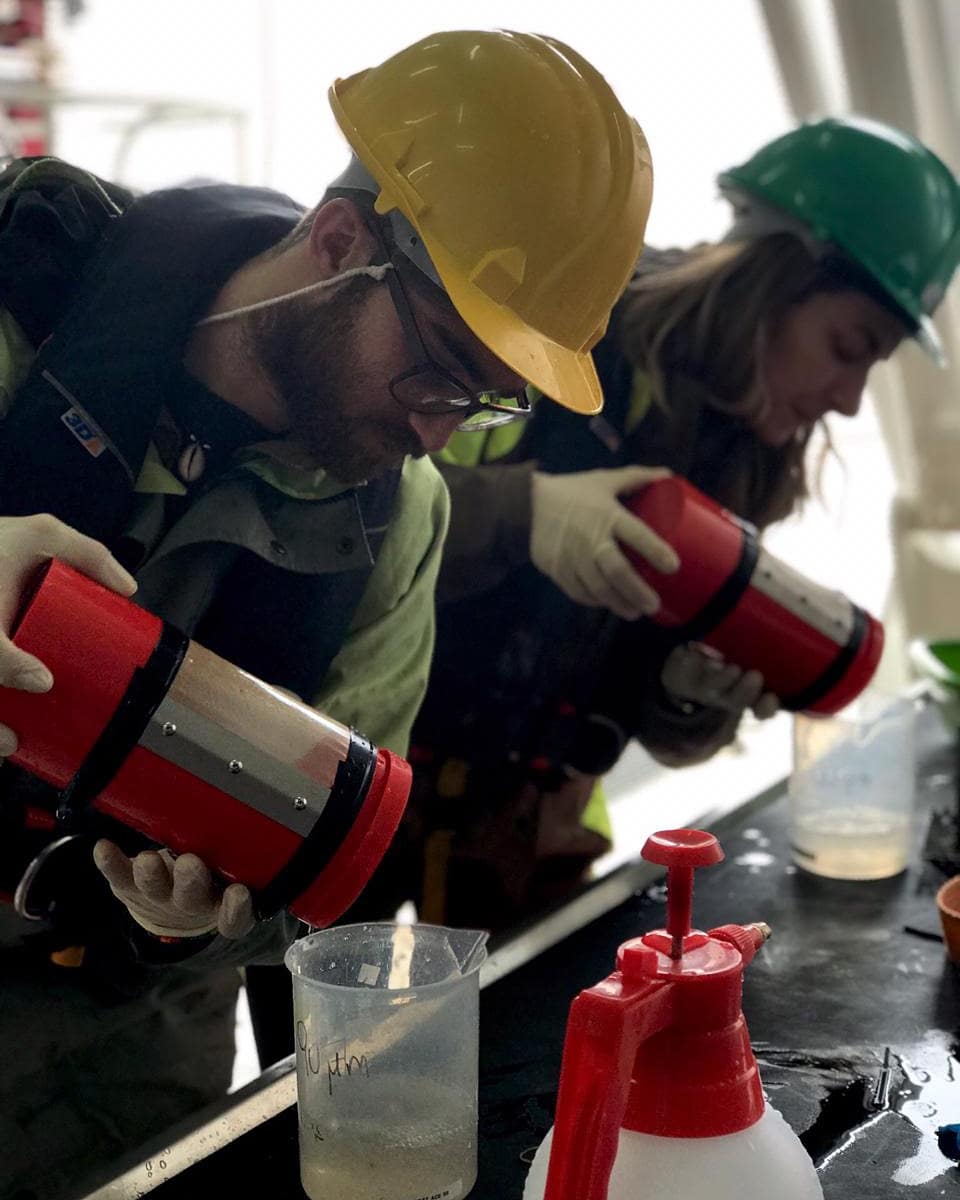
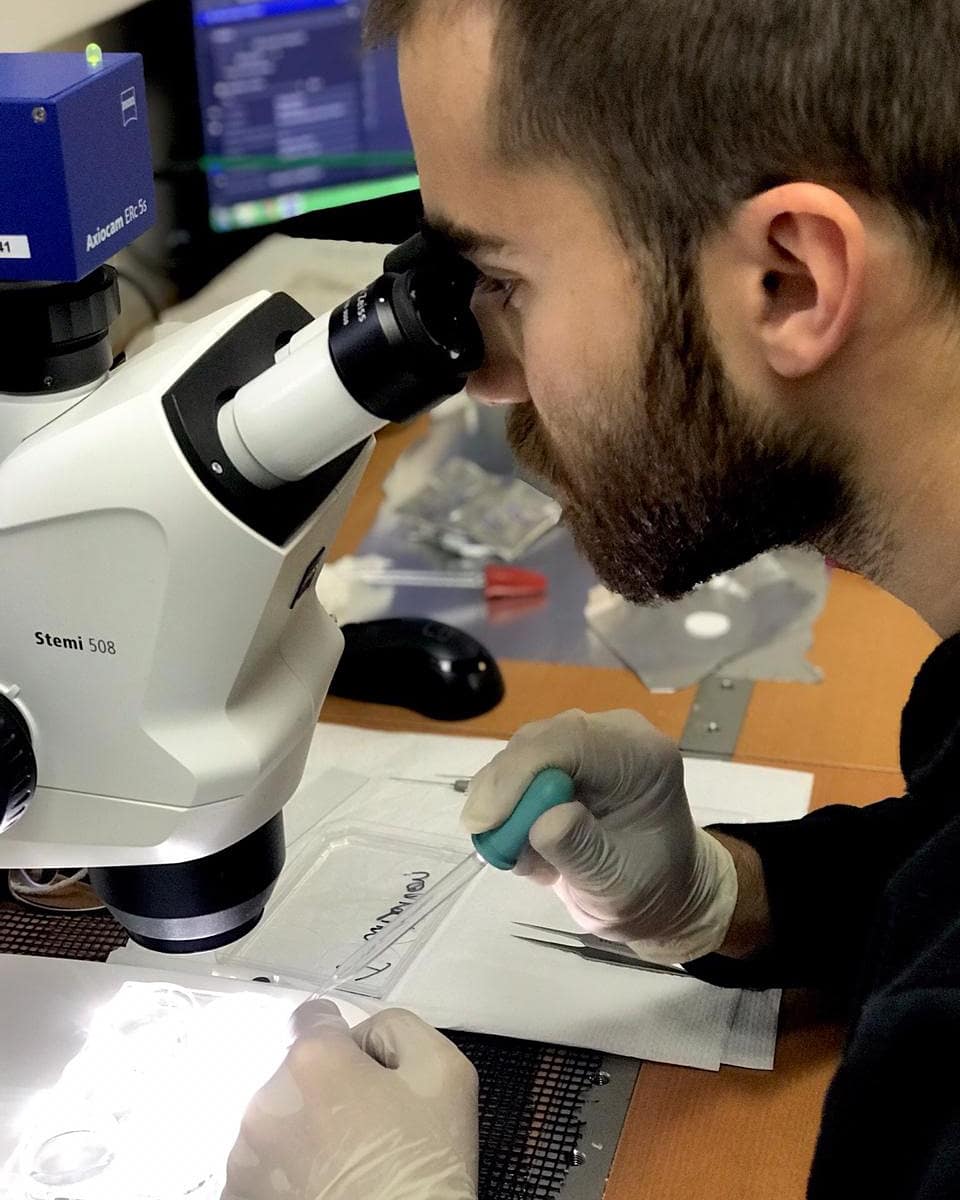
From 2017, he is a PhD student at the University of Cape Town. He analyses the samples he collected during several expeditions to Antarctica, in order to investigate zooplankton and phytoplankton dynamics in the Southern Ocean in the context of nutrient cycling and primary production. He is comparing ecosystem dynamics in the vicinity of Subantarctic island systems with the open Southern Ocean. Luca’s project falls under the current SANAP Project: “A nitrogen cycle view of atmospheric CO2 sequestration in the Antarctic Ocean” (Principal Investigator: Dr SE Fawcett, University of Cape Town)
Why you love your career in science?
Earth science, in general, has always been fascinating to me and since I was little, my desire was to discover and learn new things related to our oceans.
As I do love Sherlock Holmes stories, in this job I see myself as a detective that has to solve a case. In fact, any phenomenon in nature may be more or less complicated to be described or understood, but the samples and the analysis are like clues of a case and using them, it is possible to solve any scientific mystery.
Thanks to oceanography, I can attend fantastic expeditions anywhere in the world, exploring from the icy polar seas to the warmer waters of the equator, spending weeks or even months on board of research vessels. During these trips, I always meet colleagues and extraordinary scientists that share the same interests and passions of mine, even if they are from different fields. Furthermore, coming to South Africa, I joined two great scientific communities: one is the SANAP group, where all the experts of the Antarctic systems meet all together to share their works and thoughts; and the second, the South African Association of Polar Early Career Scientists (APECSSA), which gives me the privilege to develop a South African group of scientists with the Polar Science as a common interest.
This is a great career that stimulates you at any moment of your life, and if you are curious, motivated, and resourceful, well… this job is waiting for you.
In 2018 at POLAR2018 (SCAR/IASC Open Science Conference 2018) he was awarded with the 1st prize for the Association of Polar Early Career Scientists (APECS) Poster Awards (Sector: Africa and Middle). Poster Title: “The Island Mass Effect (IME) on carbon cycling in the plankton ecosystem around the Prince Edward Islands archipelago”.
Luca is current a committee member of APECSSA. Follow @LStirnimann and @apecssa on Twitter

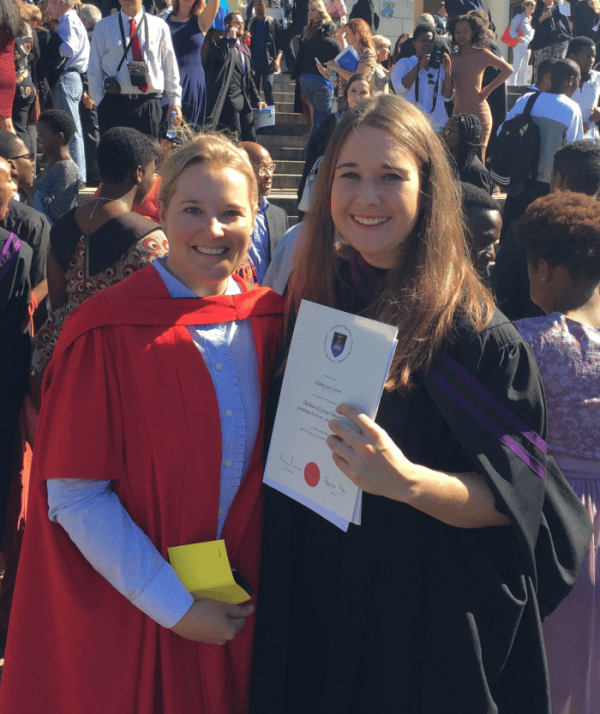 Heather went on to complete a MSc with Dr. Sarah Fawcett and Dr. Angela Knapp (co-advisor, Florida State University (FSU), USA) in 2017 – 2020. Her MSc research focused on a basin-scale approach identifying the drivers of the Indian Sub-Antarctic biological carbon pump, with a special interest in phytoplankton group-specific contributions and the influence of the Island Mass Effect (IME). Heather is now pursuing her PhD at FSU and is taking a deeper look at how the IME enhances carbon export. Her research focuses on the Sub-Antarctic Indian sector as well as Subtropical Pacific, mapping the spatial and temporal carbon export ‘footprint’ of islands across oceans and nutrient regimes.
 Born into a family of avid divers, sailors and fisherman, my love for the ocean was instilled in me at a young age. Our dinner table conversations often involve my parents recounting their sailing years on their home-built yacht, reminiscing over past family diving holidays and deciding on which ocean adventure we should embark on next. The vast majority of my childhood holidays were spent wading around rockpools along the South Coast armed with a yellow bucket and red fishing net. My sister and I would collect all the dogfish we managed to coax into our nets and then redistribute them to new rockpool homes based on the size of the fish. Thank goodness the rising tides eventually drove us away and hopefully restored the ecological unrest we most likely caused. This fascination with the small South Coast rockpool ecosystems eventually grew to larger Southeast Asian coral reef biomes in my teenage years. My family immigrated to Vietnam when I was 14, and although moving to a different country was a big culture shock, it opened up a whole new region of marine exploration. Within a couple of months of moving there I became a certified diver and knew that the view from my fogged-up, leaking mask on my first dive had just cemented my future in marine sciences. Upon matriculation, I volunteered for an NGO in southwest Madagascar where I assisted with coral reef studies, looking at both anthropogenic impacts as well as recovery rates from cyclone damage. Knowing that marine sciences was my future, I started my BSc at UCT with a balmy tropical island goal. Well…that was until I met Sarah Fawcett in my 3rd year at UCT… and I quickly traded my sandy feet, beach towel, golden tan dreams for thermal underwear, blisteringly cold winds and the raging Southern Ocean… and have never looked back!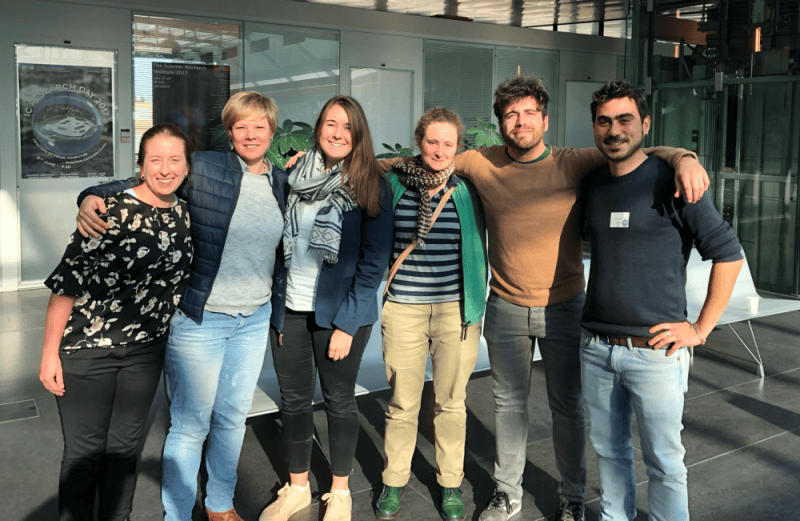
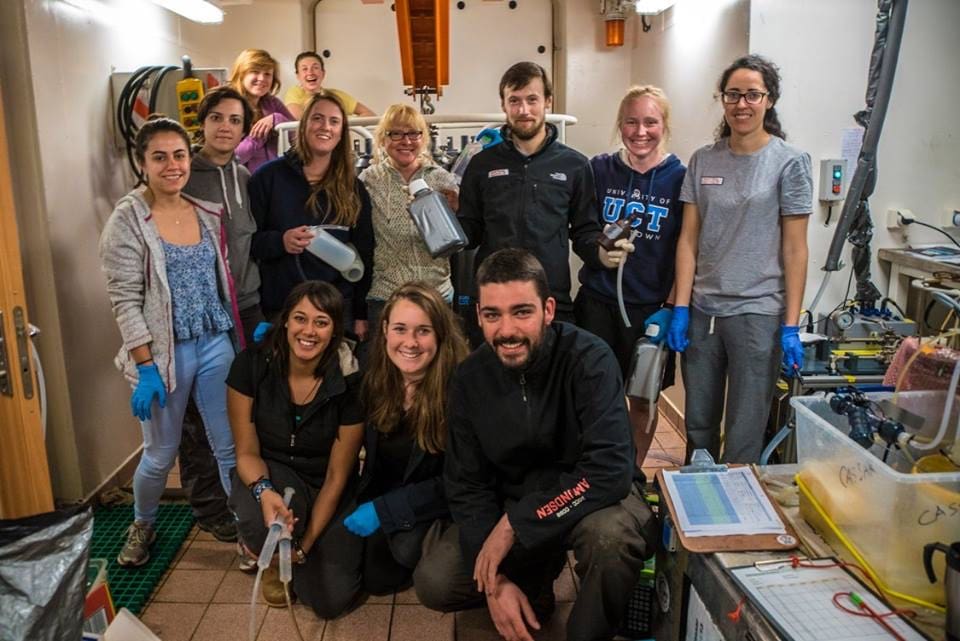 I love my career in science because of the people and the places. There is such a diverse group of people within the SANAP community and we are all striving towards a common goal – to better understand how the world works. All of our fields are so interconnected and through collaborative efforts, you have the opportunity to work with the most incredible scientists, where you get to share ideas and develop some form of understanding…only to have even more questions! Exploring curiosities and having the freedom of imagination is what drives science forward and when I find fellow scientists who share similar questions, this encourages me to continue pushing boundaries of what we know. My career in science has also taken me to the most amazing places – places I could never dream of going to with another career. From boarding a Russian research vessel in Chile, to sampling the nearshore coastline of the sub-Antarctic island of Kerguelen, to analyzing samples in a lab in the US, to data interpretation at a workshop in the UK to presenting my findings to at a conference in Switzerland… I don’t think there is another career path that would allow me to do all that! Earth Science is a constantly engaging and exciting field to be in. Things never stop… even during a pandemic. The amount of incredible discoveries and papers that have been published in 2020 alone is testament to this. The SANAP community is an impressive force, driving cutting-edge science that is crucial to our global understanding of the past, present and future Earth and is a community I am privileged to be a part of.
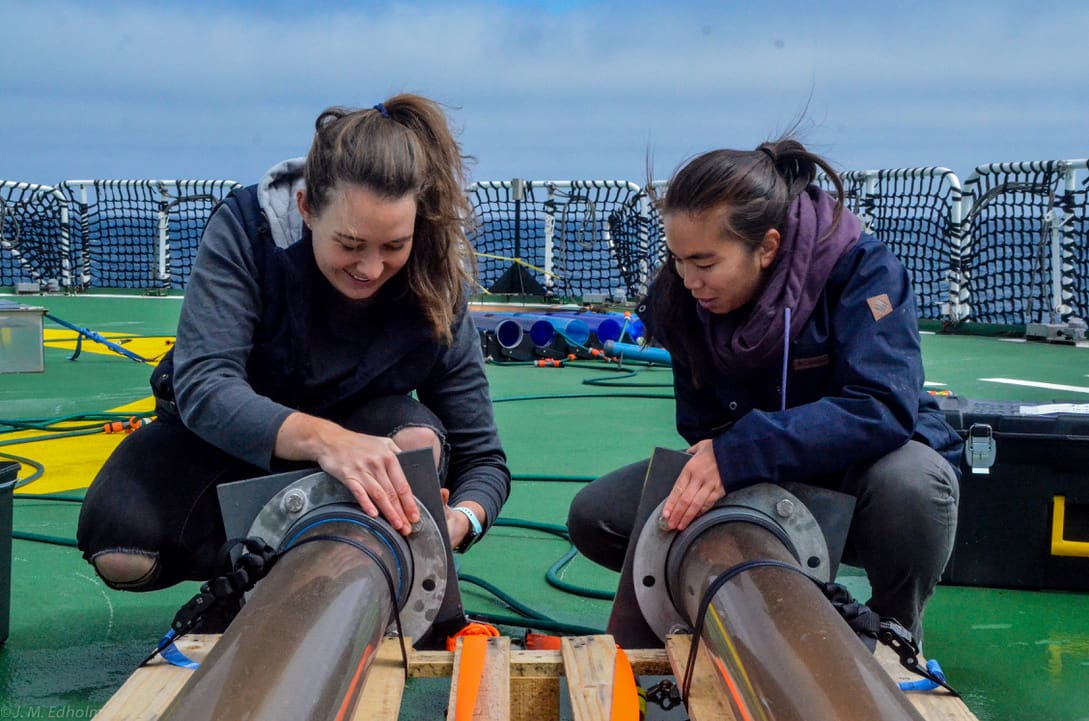
 Unlike other career paths, science allows you to follow your passions and ‘immerse’ yourself in different fields. This has allowed me to pursue my interest in Southern Ocean biogeochemical research while being involved in the operational side of Acoustic Doppler Current Profiler (ADCP) and Conductivity Temperature Depth (CTD) sensor deployments and servicing along the South African coastline with the UCT Research Dive Unit. I am happiest when in or on the ocean and to be able to take part in both the research and the operational sides leaves me smiling from ear to ear.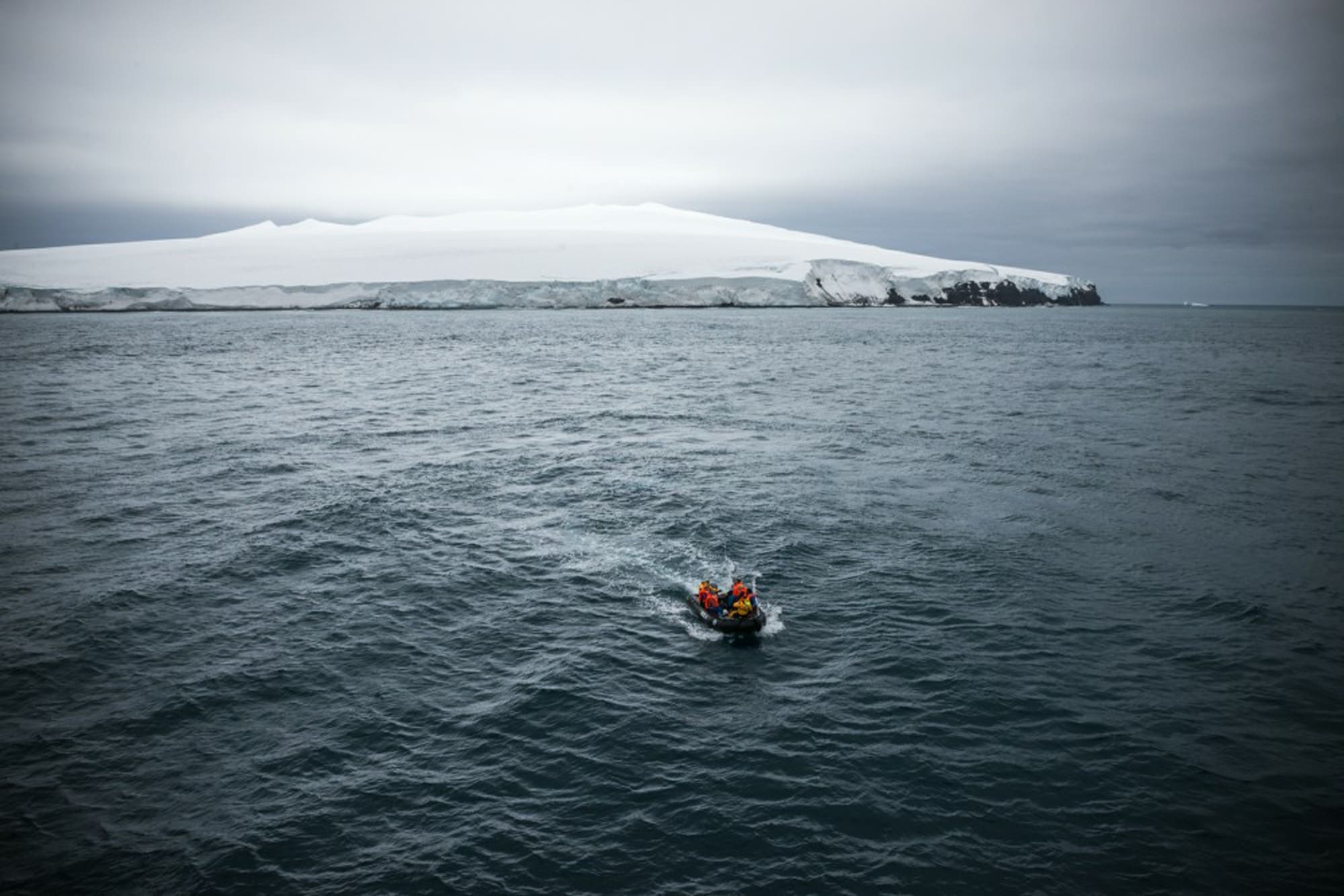
 Something that I find incredibly special about a career in science is it is a career your family can be involved in and get excited about. My family have been an amazing source of support throughout my scientific career. They have helped me label over 15,000 sample bottles (the Forrer family bottle labelling production line is something to behold!), load ships, move -80 freezers from East Pier to UCT and create figures for my theses. They have also met me in Switzerland and Australia after workshops or cruises and have read all of my work from beginning to end. Whenever I phone my dad, he always asks “is the ship in town?” and if the answer is “yes” he follows up with “how many bottles do we have to label, when are we loading the ship, how many trailers do we have to tow?” Although I’m still not 100% convinced my parents know exactly what I do, and often hear my mom describing my work to her friends as “the study of whale food that is saving the planet from climate change”, I definitely couldn’t have made it this far without their support, encouragement and enthusiasm.
 To end, I thought I should share three tips for anyone about to embark on their scientific career:
 With that, I would like to acknowledge and thank my SANAP and greater South African ‘scientific village’; Dr. Sarah Fawcett (UCT), for your encouragement and support over the last 5 years. Ruan Parrott, Luca Stirnimann and the rest of the Fawcett Lab group for help with sample collection and analyses. Dr. Rosemary Dorrington (RU) and Dr. Tommy Bornman (SAEON) for all your contributions to ACE and the fun workshops. Dr. Bettine van Vuuren (UJ) for always encouraging me to “Just apply! What’s the worst that can happen?”. Cashifa Karriem for holding the UCT Oceanography Department together and helping with the admin side. Tahlia Henry for spending hours driving the CTD to the ocean depths for my deep water samples and for helping me with my (many) technical questions. Dr. Tommy Ryan-Keogh (CSIR) and Dr. Thato Mtshali (CSIR) for showing me the ropes when it comes to trace metal sampling and for helping me design my sampling schemes. Pieter Truter, Hazel Little-Leighton and the rest of the UCT Dive Unit for helping me pack for cruises, make incubators, service pumps and for always braving the icy Atlantic waters with me. And last but certainly not least, the APECSSA National Committee for our fun catch-ups and shared passion for collaboration between young researchers on a local and international level.
 Antarctic cities and the global commons: Rethinking the Gateways – project by Institute for Culture and Society. How we care for Antarctica is key to the planet’s future. As pressures on the continent increase, five gateway cities will become critical to its future.
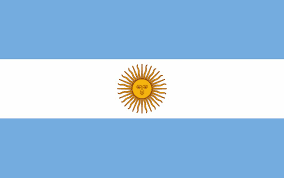
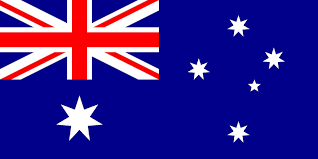
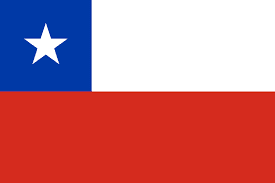

 These five cities; Cape Town, Christchurch, Hobart, Punta Arenas, and Ushuaia have complex histories of engagement with the Antarctic. Located in zones with intense interconnectivity to the Antarctic, they are formally recognised international gateways through which most travel to the region flows. All significant engagement with the Southern Polar Region is coordinated through them, but the ensuing competition for economic advantage that this traffic offers is not always constructive.
 SANAP has been involved through the
  This project is the first substantial comparative program to investigate how gateway cities might both re-imagine and intensify their relations to Antarctica and each other. In doing so, constituents across the Antarctic gateway cities will be drawn into an ongoing partnership to research the significance of their Antarctic connection. The aims of this project are to demonstrate how ecological stewardship, political cooperation, cultural vibrancy, and economic prosperity can be mutually reinforcing, and determine how these cities see themselves into the future in relation to Antarctica and to each other. It intends to revitalise these relations through assessment and research processes that include supporting citizens to frame future forms of engagement. The project includes working with youth across the five cities to instigate the engagement of young people in debating the future of these cities and the futures of Antarctica. This evolved into the

 (Above l-r: % champions with Juan Salazar and Elizabeth Leane, 5 Champions and see Rudzi with South African Flag beanie) 5 Champions were chosen from the 5 Gateway Cities to represent their countries. A lot of effort, passion and work have been put in by these young champions. “During the ACYE to King George/25 de Mayo Island, Antarctic Peninsula, in February 2020, 5 young leaders representing the 5 Gateway cities developed a new AYC. AYC will focus on devising youth engagement networks in the five gateway cities to create new connections among these cities and develop a sense of Antarctic custodianship unique to all the gateways.” During the AYCE Rudzi visit the stations of Chile and Uruguay and took a gift from South Africa to every station, a table runner with Proteas the beautiful flower from the Western Cape as well as publications.
 Rudzi(left) on
  (Images from ACYE expedition and text from ACYE pamphlet)

 Rudzani Silima (Rudzi) have from a young age, always known that she would pursue a career in environmental conservation and science. “I grew up in the very small town of


 (l-r: Rudzi and Nompumelelo(DEFF),weighing my luggage, Ria Olivier(ALSA) sent me on my trip, during transit I said goodbye to my family) To date I have attained a collection of prizes from my university and conferences, further validating my determination to advocate for the oceans and our planet. As the best
 The
The 
 There are many controversies related to climate change today, however, in Antarctica there is physical evidence that climate change is happening right now and not in some distant future. Therefore, the formation of the Antarctic Youth Coalition couldn’t be more perfectly timed. The AYC, hence from now on aims to make accessible the very important science done in the Southern Ocean to everyday citizens in the five gateway cities but also all around the world.
  “Therefore, all of us, common or otherwise, share the responsibility for a healthy, thriving Antarctica and our whole planet! My parting word, specifically to us young people is to never give up on yourself and never give up on your dreams. All of us have the potential to change the world in our own very unique and exciting ways”

 South Africa has been part of SCAR since 1959 and over the years researchers of South Africa attended these conferences. Over the past decades, principal investigators of SANAP and their students gave oral and poster presentations. This year the
 Where did it all started for Tahlia: “From an early age I have had an unbridled passion for the ocean and understanding technology, which led me to pursue my studies in Oceanography at the Cape Peninsula University of Technology (CPUT). I chose to study here as it provided a platform to not only gain academic experience within an oceanographic context, but to also gain field experience. In my third year (2014) I was placed at Bayworld Centre of Research and Education (BCRE) in order to complete a number of research projects which spanned across an array of oceanographic disciplines, namely: Marine Instrumentation, Marine Resource Management, Ocean Sciences and Marine Outreach. This placement exposed me to the different aspects of oceanography and allowed me to find my particular field of interest. It was there, at BCRE, that I was exposed to physical oceanography, data processing and development of marine instrumentation. I knew that I had found my niche within the oceanographic community and would strive to further my education, work experience and continue to learn and grow within this sector. After earning a National Diploma, I completed a BTech degree where I continued to work part-time at BCRE and develop my final research project. This project focused on the development of two sub-sea moorings, each housing a 75 kHz Acoustic Doppler Current Profiler (ADCP), which I was fortunate enough to deploy between two sub-Antarctic Islands—Marion Island and Prince Edward Island—while aboard the research vessel, SA Agulhas II.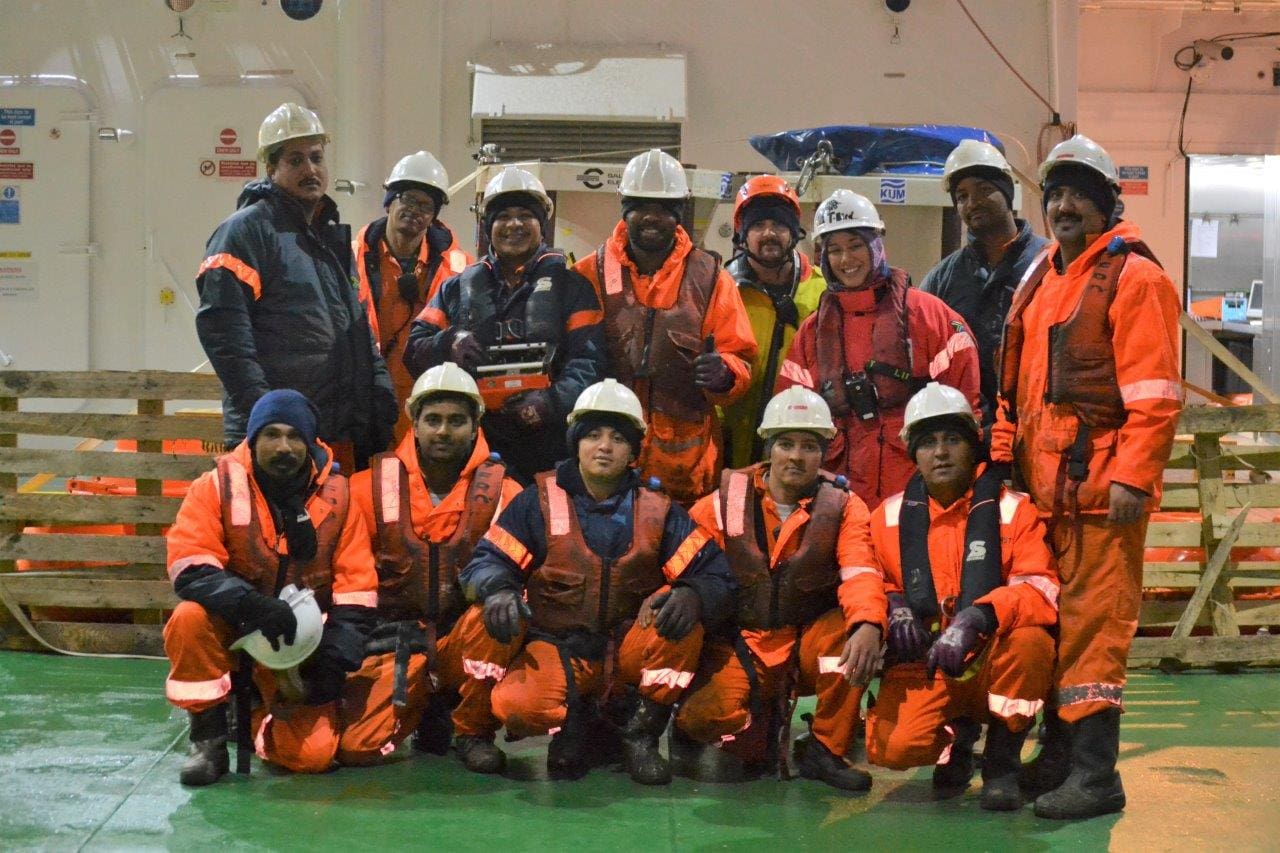
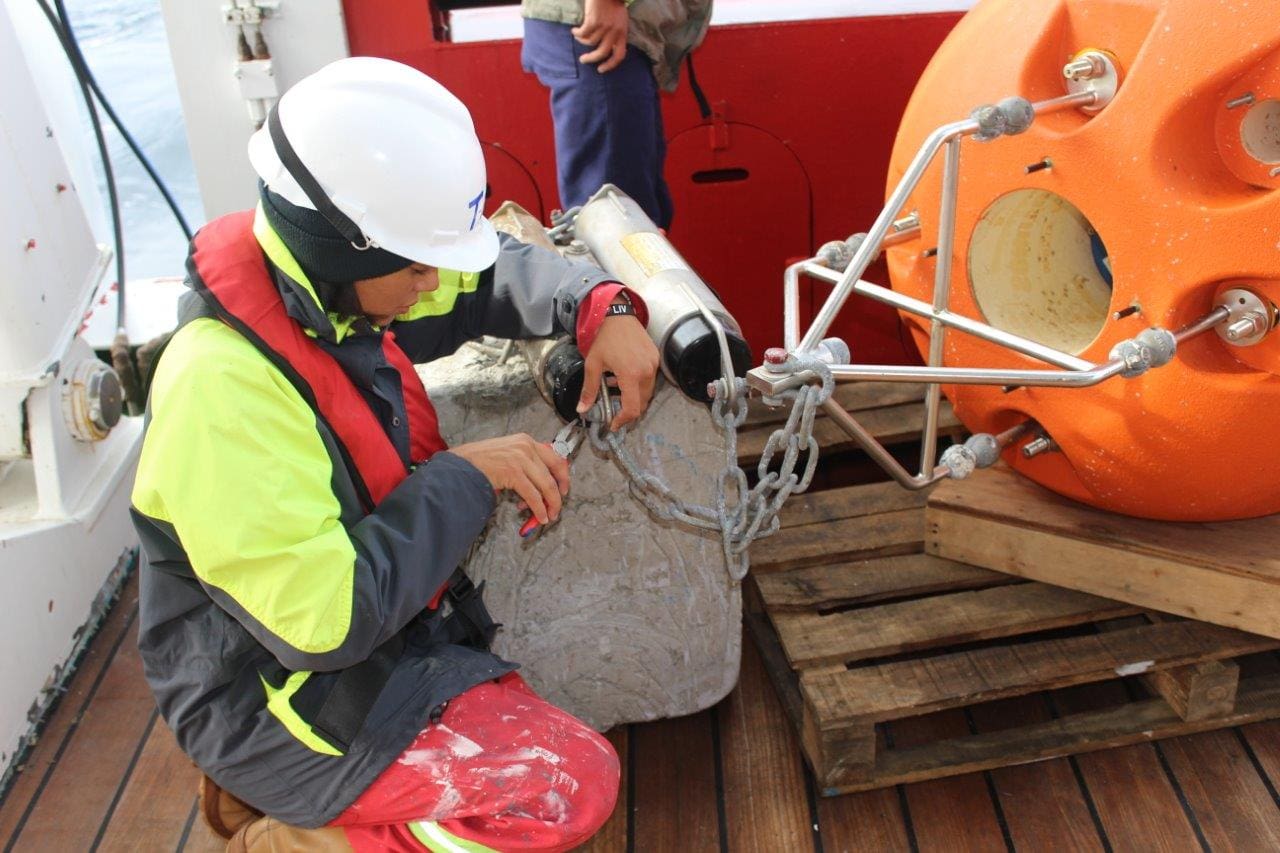 Following the completion of my BTech degree, I continued to work on this mooring data over the next four years, returning to Marion Island and ensuring the safe retrieval and re-deployment of the sub-sea moorings. The data collected formulated the basis of my MSc research project, entitled Impact of ocean variability on Shelf-Seas surrounding the sub-Antarctic Prince Edward Islands.
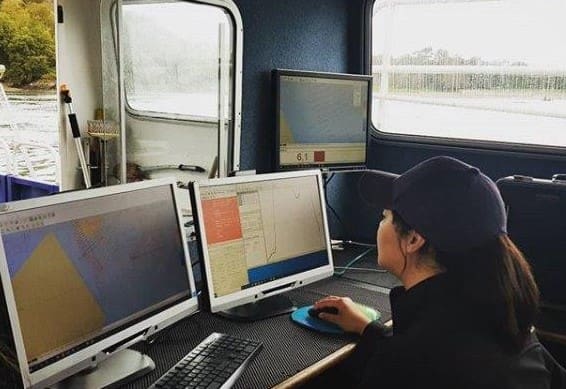
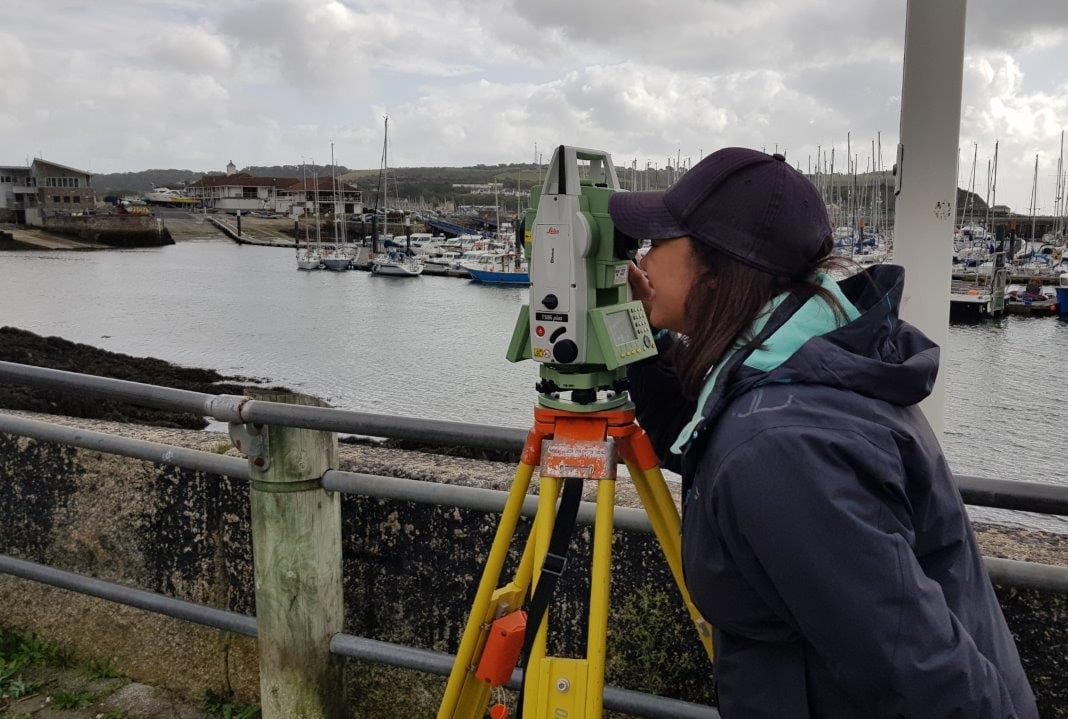 More recently I have been exposed to the commercial oceanographic industry by working as a marine technician for Lwandle Marine Technologies. Albeit a brief time spent with Lwandle, I have experienced a very different aspect of oceanography in practice. I worked on a variety of contracts utilising skills I’ve gained over the years such as commercial diving operations, in situ data collection and hands-on instrumentation repairs/maintenance. These contracts also opened the door to innovative ways of thinking, problem solving and team work. I was also involved in equipment sales, field trip logistics and ‘meet and greets’ with clients which have been a great learning opportunity.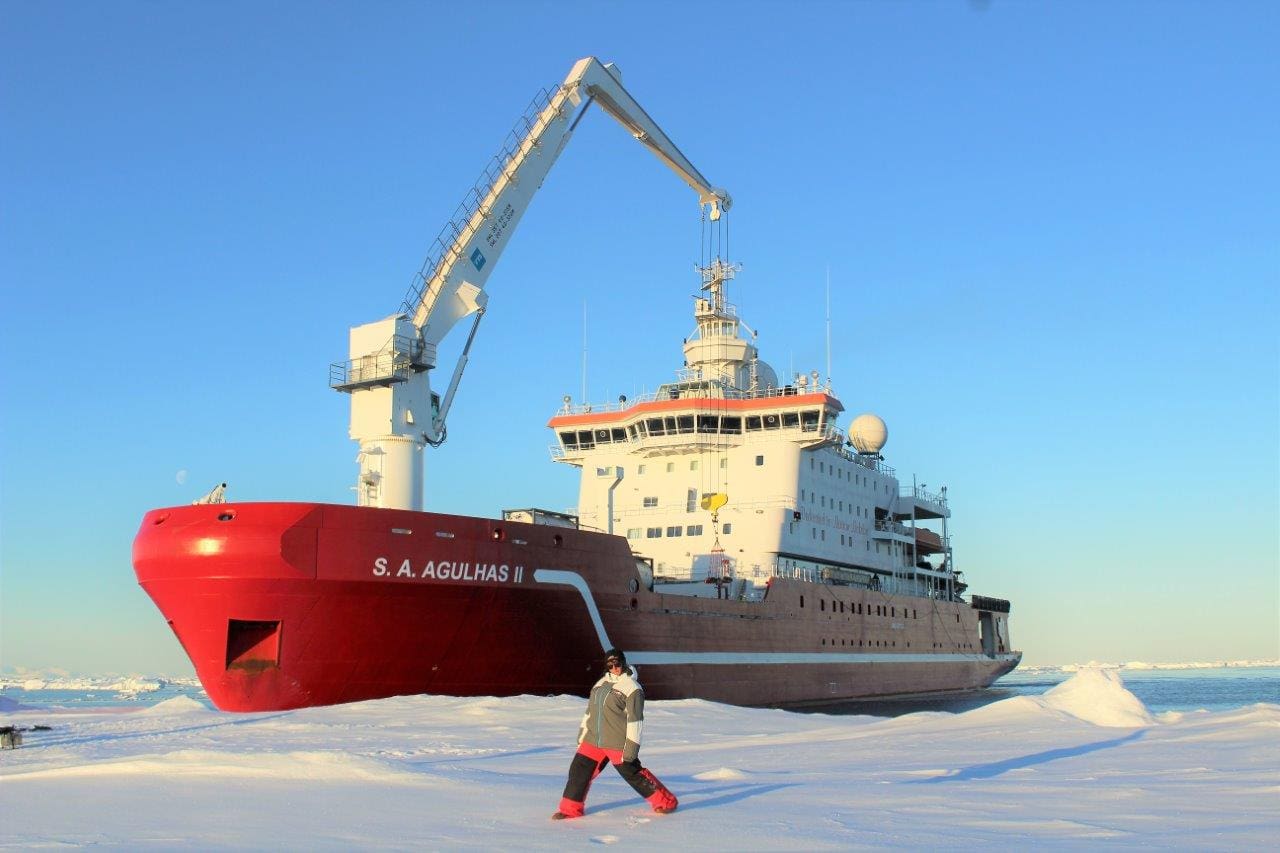
 In December 2018 I was hired by the
  I love my career as it is ever changing and growing with the current climate or latest technological advances. I have been able to see the world, visit remote and beautiful locations, sail the high seas and build incredible bonds with fellow scientists. It isn’t always an easy journey, but conquering the challenge of this lifestyle and career choice is what makes it worthwhile. The sense of adventure is never ending and I’m always learning along the way. Madame Curie once said that nothing in life is to be fear but rather understood, so that we understand more and fear less. I think this gives us a great sense of pride in what we do and to strive to be curious about our world, to best understand, preserve it and pass the torch on to future generations.
 To future researchers, be diligent, work hard and persevere throughout your career. There will be challenging days but there will also be days that out shadow the challenges and fuel your passion for science. Always be teachable no matter your age, and always willing to learn and lend a hand to your fellow scientists. The work you do throughout your career will not only impact and improve your life but will pave the way for those coming up behind you. So take pride in what your work, rise up to the challenges and enjoy the journey! (Right: Photo credit:Alexander Oelofse during SEAmester)
 Luca Stirnimann received his BSc at the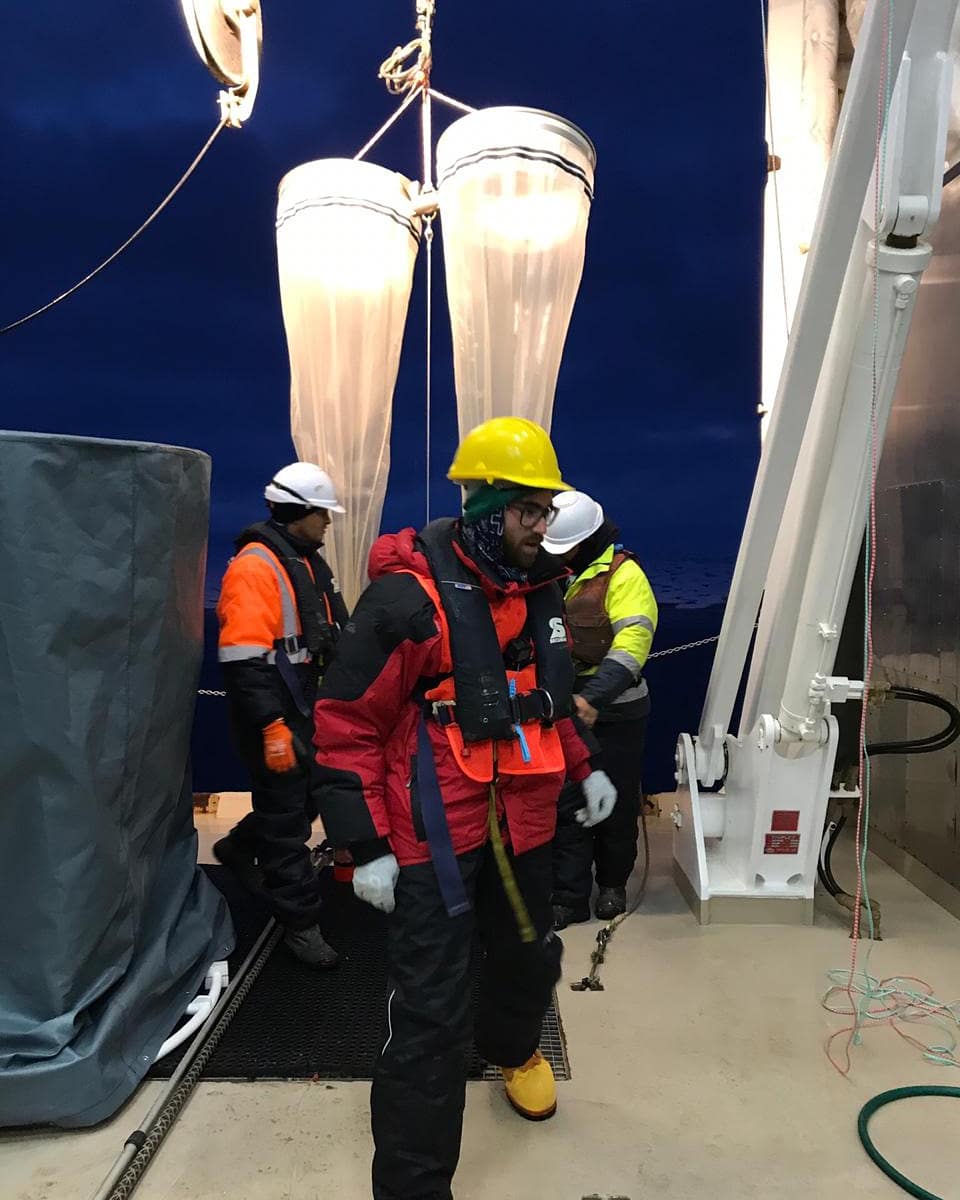
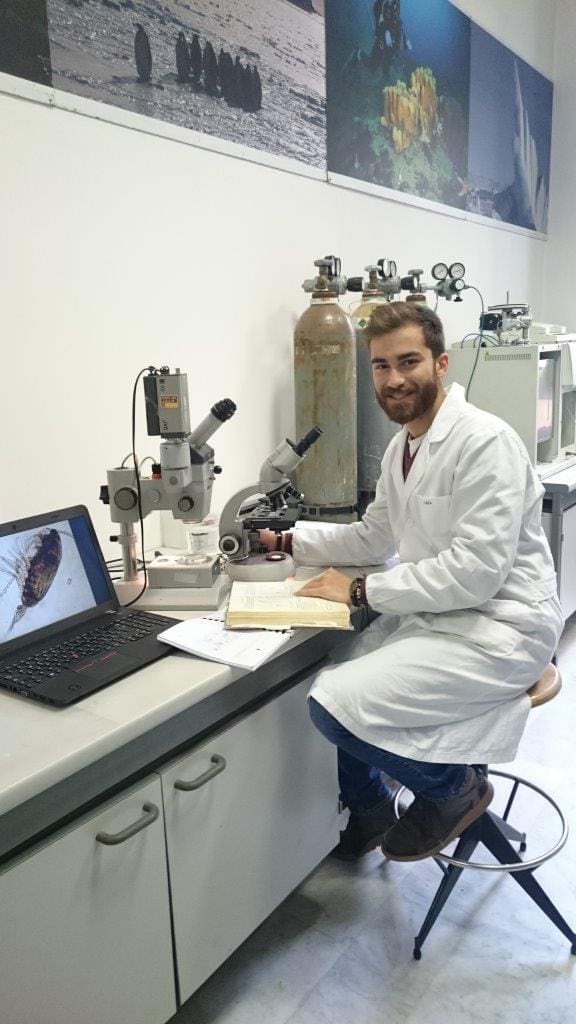 From 2017, he is a PhD student at the
 Earth science, in general, has always been fascinating to me and since I was little, my desire was to discover and learn new things related to our oceans.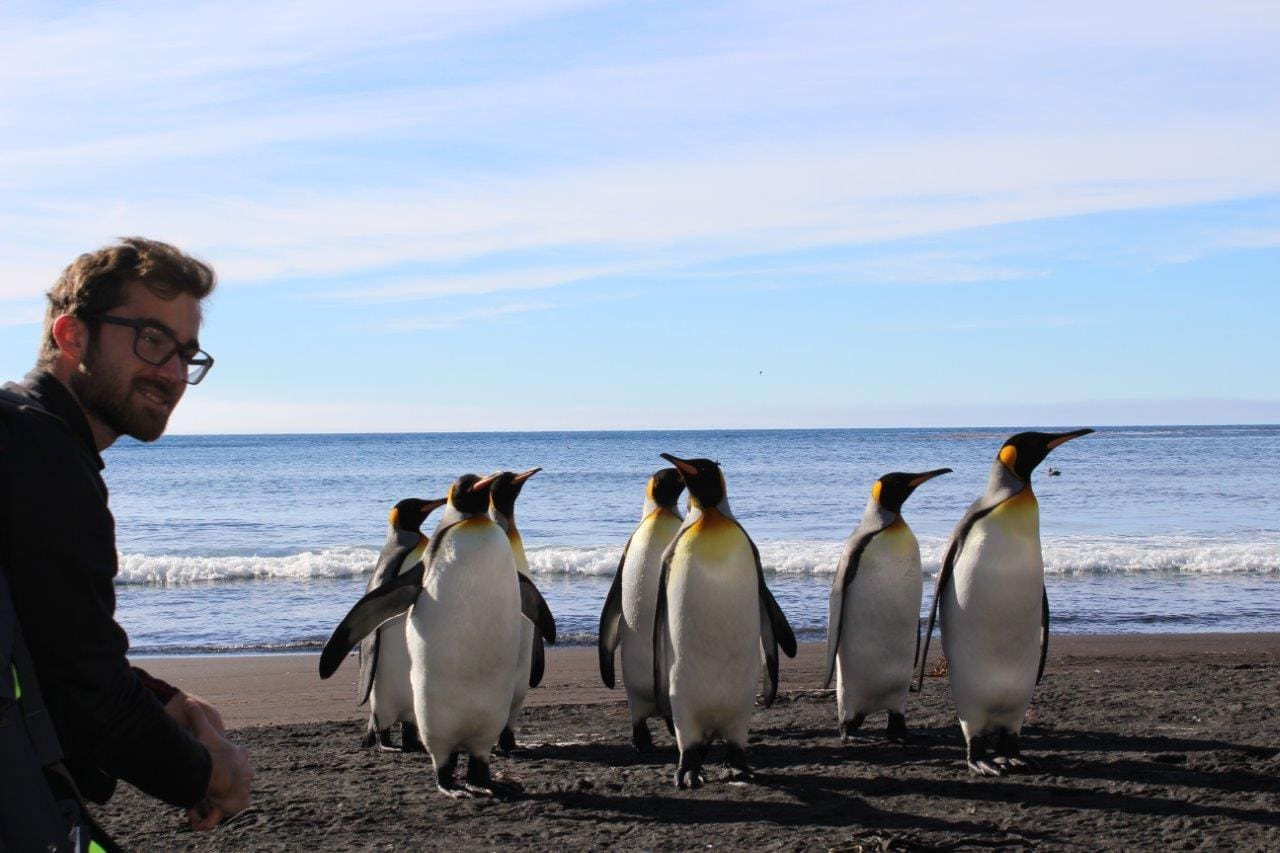
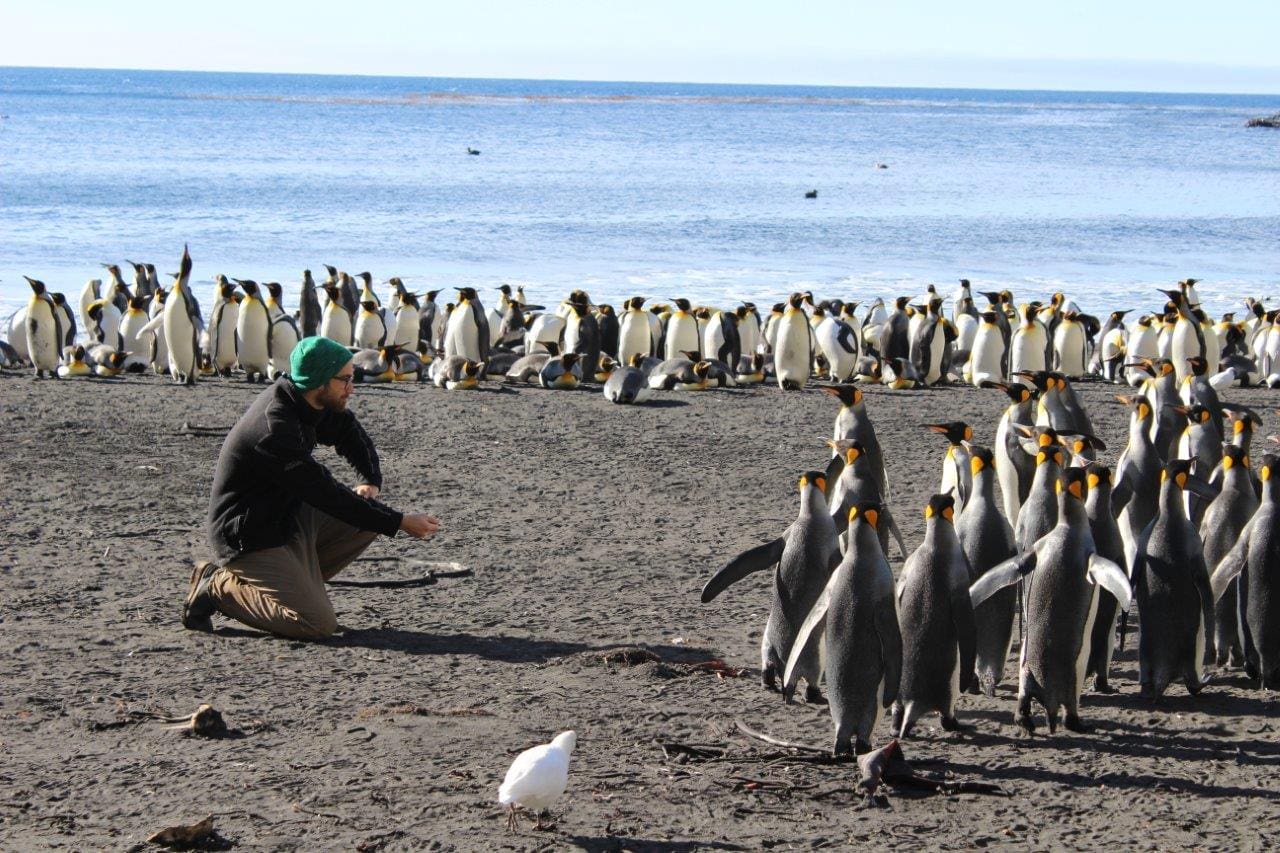
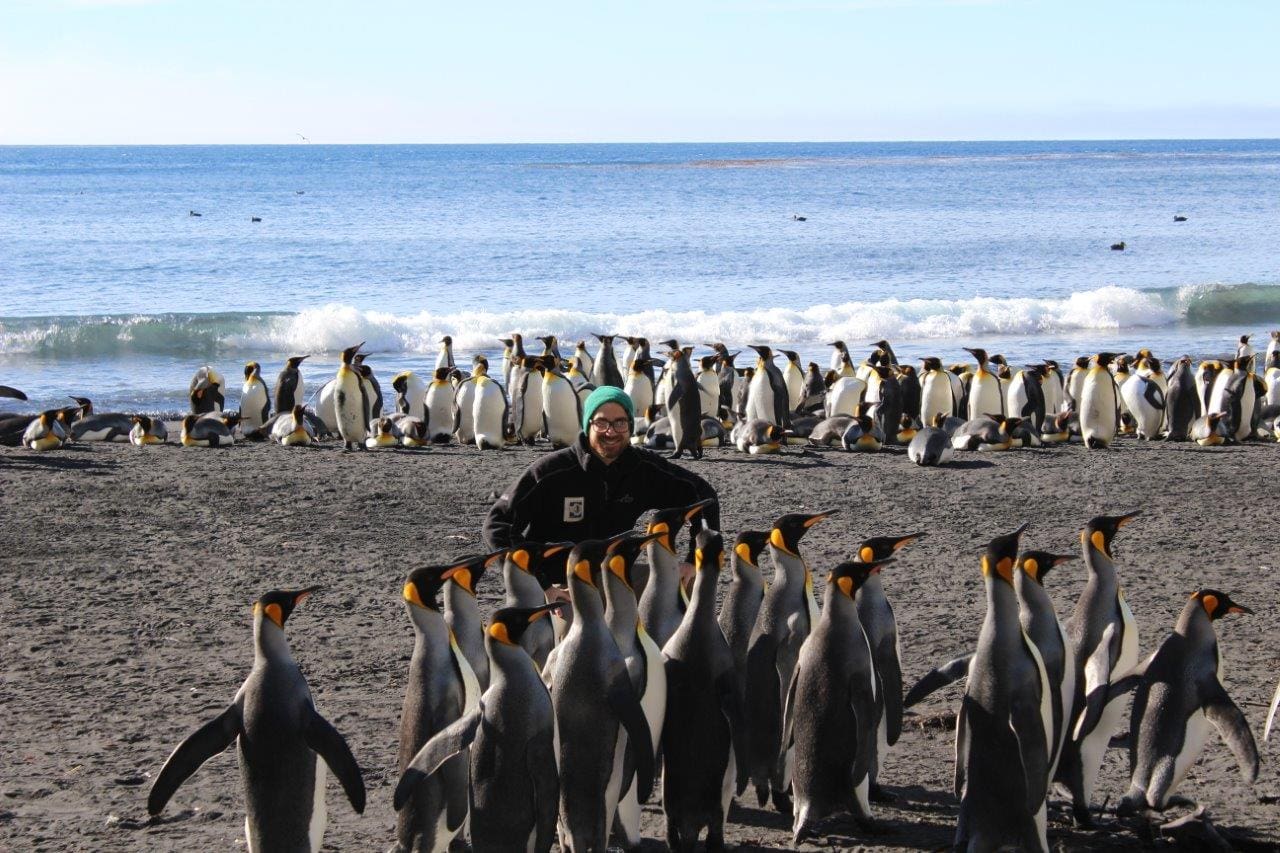 Thanks to oceanography, I can attend fantastic expeditions anywhere in the world, exploring from the icy polar seas to the warmer waters of the equator, spending weeks or even months on board of research vessels. During these trips, I always meet colleagues and extraordinary scientists that share the same interests and passions of mine, even if they are from different fields. Furthermore, coming to South Africa, I joined two great scientific communities: one is the
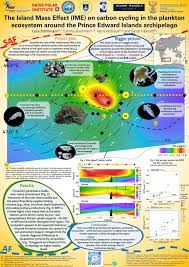 This is a great career that stimulates you at any moment of your life, and if you are curious, motivated, and resourceful, well… this job is waiting for you.